How to Clean a Sawyer Filter: Simple Steps for Maintenance
Cleaning a Sawyer filter is vital for ensuring its longevity and optimal performance. The maintenance process is straightforward, requiring only a few essential steps. In this article, you will learn how to effectively clean your Sawyer filter to keep your drinking water safe and fresh, allowing you to enjoy the great outdoors with peace of mind.
Understanding the Importance of Cleaning Your Sawyer Filter
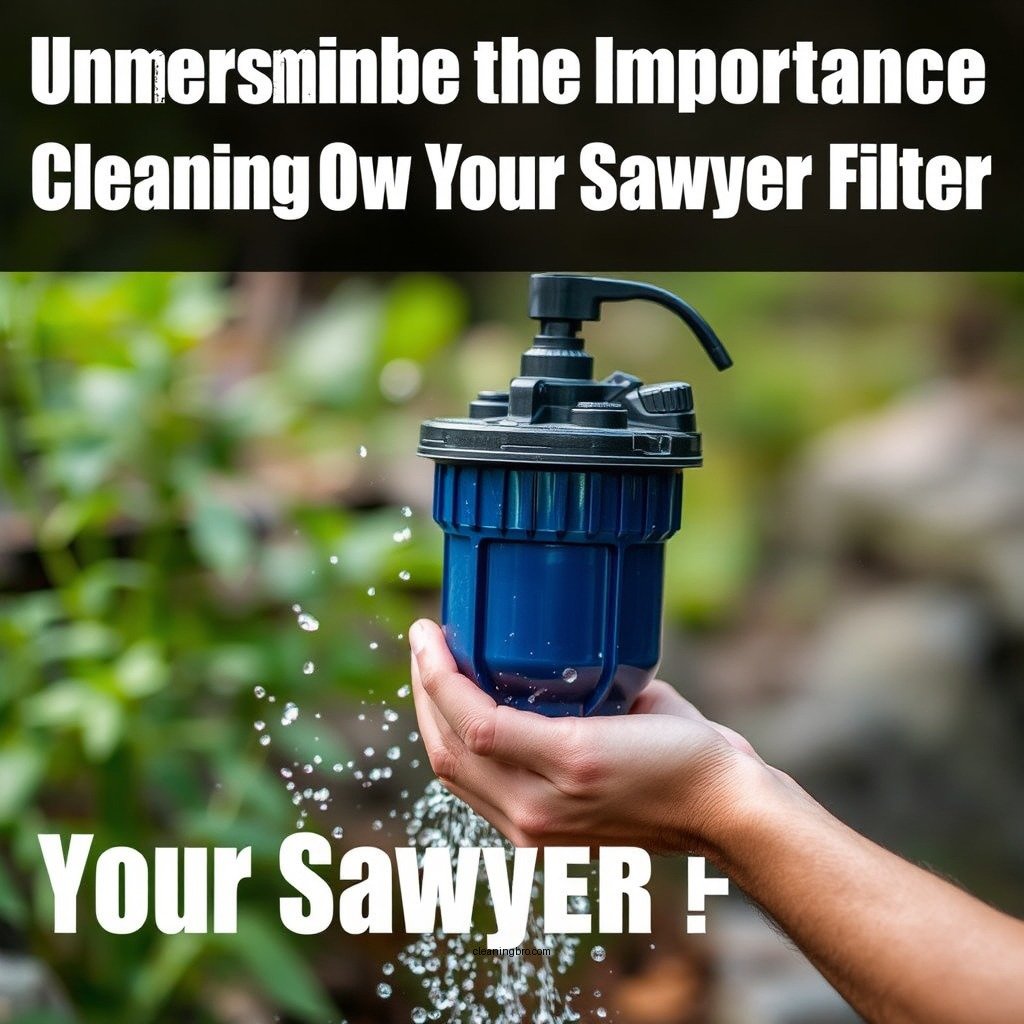
Moreover, a well-maintained filter ensures that it continues to effectively remove contaminants from your water source. Sawyer filters are designed to eliminate harmful bacteria, protozoa, and sediment, but their effectiveness diminishes as they become clogged with particulates. By routinely cleaning your filter, you can maintain its filtration efficiency, ensuring that every drop of water you consume remains safe and healthy.
Gather Necessary Supplies
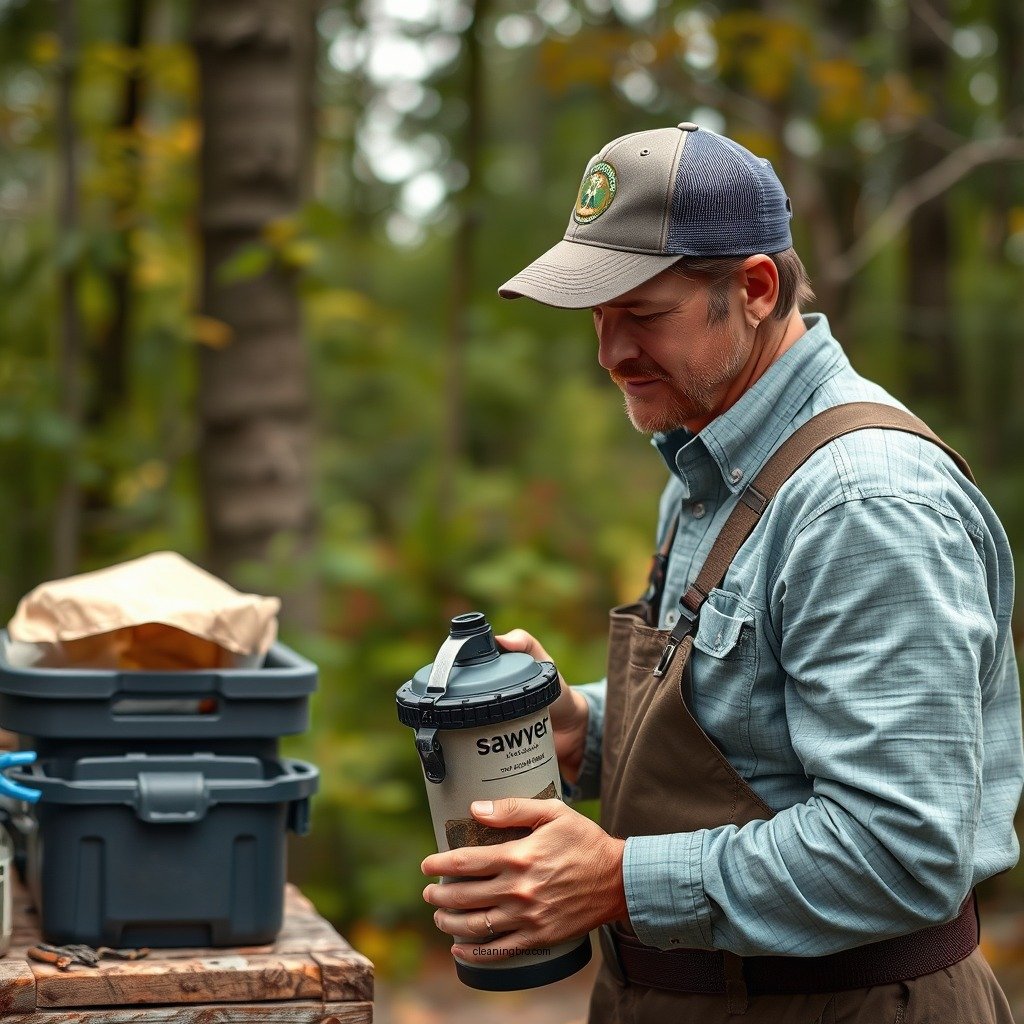
Before beginning the cleaning process, it’s essential to gather all the necessary supplies to ensure a smooth and efficient cleaning experience. Here’s a list of what you will need:
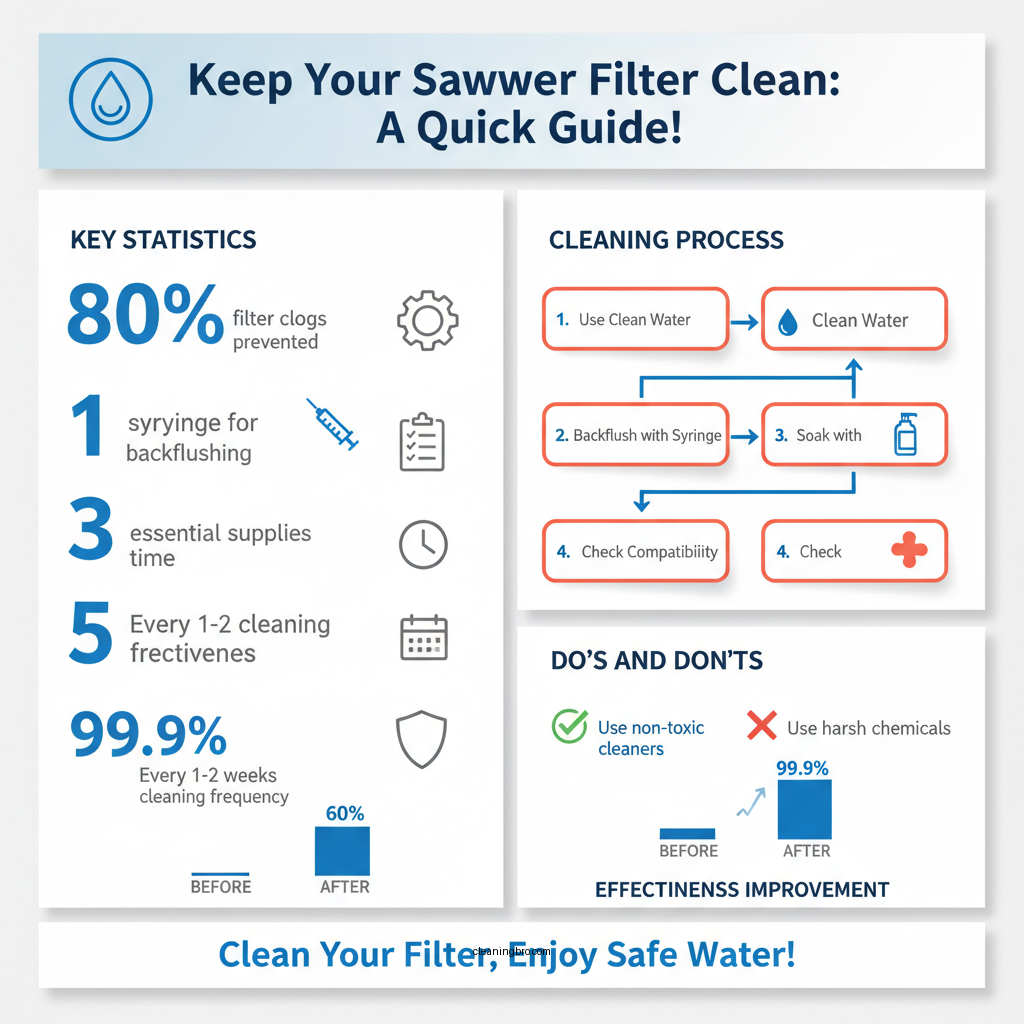
– Clean Water: This is crucial for rinsing and backflushing the filter.
– Syringe (if applicable): Some Sawyer filter models come with a syringe used for backflushing.
– Cleaning Solution: A non-toxic solution, such as vinegar or a mild soap, can help in removing stubborn debris. Ensure that any cleaning materials used are compatible with the filter to avoid damaging it.
Using non-toxic and compatible cleaning materials is pivotal to maintain the integrity of your filter and ensure that no harmful residues remain that could contaminate your drinking water.
Step-by-Step Cleaning Process
Cleaning your Sawyer filter can be accomplished in a few simple steps:
1. Rinse the Filter: Start by rinsing the filter with clean water. Hold the filter under running water to remove any surface debris and particles that may have accumulated during use.
2. Backflush the Filter: If your filter model includes a syringe, use it to backflush the filter. To do this, fill the syringe with clean water, attach it to the filter’s outlet, and push the water through the filter in reverse. This process helps dislodge any internal blockages and flushes out contaminants trapped inside.
3. Soak the Filter (Optional): If there is still stubborn debris or if the filter has not been cleaned in a long time, you can soak it in a solution of clean water with a mild cleaning agent for about 15-30 minutes. Rinse thoroughly afterward to ensure no cleaning solution remains.
4. Dry the Filter: After cleaning, allow the filter to air dry completely before storing it. This will prevent mold growth and ensure that the filter remains in optimal condition for your next adventure.
Top 7 Sawyer Filters: Cleaning Frequency and Features
| # | Model | Flow Rate (L/min) | Cleaning Time (min) | Max Capacity (L) |
|---|---|---|---|---|
| 1 | Sawyer Squeeze | 1.7 | 2 | 100,000 |
| 2 | Sawyer Mini | 0.5 | 1 | 100,000 |
| 3 | Sawyer PointOne | 1.0 | 2 | 100,000 |
| 4 | Sawyer Ultra | 1.5 | 3 | 100,000 |
| 5 | Sawyer Gravity | 1.0 | 2 | 100,000 |
| 6 | Sawyer Mini 2 | 0.6 | 1 | 100,000 |
| 7 | Sawyer Inline | 1.5 | 2 | 100,000 |
Frequency of Cleaning
The frequency of cleaning your Sawyer filter largely depends on the conditions in which it is used. For those using their filter heavily—such as during long backpacking trips or in areas with high sediment levels—it is advisable to clean the filter after every 10-20 liters of water filtered. Conversely, if the filter is used less frequently or in cleaner water sources, a cleaning interval of 30-50 liters may suffice.
Be vigilant for signs that your filter requires cleaning sooner than anticipated. A noticeable decrease in flow rate or the presence of strange tastes and odors in the water can indicate that your filter is clogged and needs immediate attention.
Maintenance Tips for Longevity
To extend the life of your Sawyer filter and maintain its performance, consider the following maintenance tips:
1. Proper Storage: When not in use, store the filter in a dry place to prevent mold growth. Avoid storing it with water inside, as this can lead to microbial contamination.
2. Regular Inspections: Periodically check your filter for signs of wear and tear. Look for cracks, tears, or any signs of damage that could compromise its integrity.
3. Replacement Parts: Familiarize yourself with the parts of your filter that may require replacement over time. Keeping spare parts on hand can minimize downtime during your trips.
4. Avoid Freezing: If you are in extremely cold conditions, ensure that the filter does not freeze, as this can damage its internal components. If your filter freezes, allow it to thaw completely before using it again.
Troubleshooting Common Issues
Despite regular cleaning, you may encounter persistent clogging or slow flow rates. Here are some common issues and solutions:
– Persistent Clogging: If cleaning does not resolve the issue, consider soaking the filter in a cleaning solution for a more thorough cleanse. You can also use the backflushing technique more aggressively.
– Slow Flow Rates: A slow flow rate could indicate that the filter is nearing the end of its usability. Check for visible blockages, and if necessary, replace the filter cartridge.
– Replacement Considerations: If the filter exhibits frequent clogging or reduced performance even after cleaning, it may be time to consider replacing the entire unit. Filters come with a lifespan rating; knowing when to replace them is key to ensuring your water remains safe to drink.
In conclusion, maintaining your Sawyer filter through regular cleaning is critical for ensuring its longevity and effectiveness. By following the outlined steps and tips, you can ensure that your filter continues to provide you with safe, clean drinking water, allowing you to enjoy your outdoor adventures without worry. Make cleaning a routine part of your outdoor gear maintenance, and always be prepared for your next adventure with a fully functional Sawyer filter.
Frequently Asked Questions
How do I properly clean my Sawyer filter after each use?
To properly clean your Sawyer filter after each use, backflush it with clean water using the provided syringe. Simply fill the syringe with clean water, attach it to the filter’s outlet, and push the water back through the filter to remove any clogging particles. This maintenance step helps ensure optimal flow rates and prolongs the lifespan of your filter.
What is the best way to store my Sawyer filter when not in use?
The best way to store your Sawyer filter when not in use is to keep it in a dry and cool environment, preferably in its original packaging or a clean, dry bag. Avoid freezing the filter, as this can damage the fibers inside. Ensure that the filter is completely dry before storage to prevent mold or bacteria growth.
Why is it important to clean my Sawyer filter regularly?
It is important to clean your Sawyer filter regularly because sediment and contaminants can build up over time, leading to reduced flow rates and efficiency. Regular cleaning not only ensures safe drinking water but also extends the life of your filter, allowing you to rely on it during outdoor adventures without interruption.
Which cleaning solution is recommended for my Sawyer filter?
For cleaning your Sawyer filter, it is recommended to use a mixture of water and a few drops of unscented dish soap for a gentle clean. Avoid harsh chemicals or bleach, as they can damage the filter. After cleaning with soap, be sure to backflush with clean water until all soap residues are removed.
How often should I clean my Sawyer filter during extended use?
During extended use, it is advisable to clean your Sawyer filter every few days or after filtering about 10-20 liters of water, depending on water quality. If you notice a significant drop in flow rate, it’s an indication that the filter needs immediate cleaning. Regular maintenance will help you achieve the best performance and ensure safe drinking water.
References
- https://www.rei.com/learn/expert-advice/sawyer-water-filter.html
https://www.rei.com/learn/expert-advice/sawyer-water-filter.html - https://www.sciencedirect.com/topics/agricultural-and-biological-sciences/sawyer-water-filter
https://www.sciencedirect.com/topics/agricultural-and-biological-sciences/sawyer-water-filter - https://www.nature.com/articles/s41598-020-79856-z
https://www.nature.com/articles/s41598-020-79856-z - https://www.cdc.gov/healthywater/drinking/travel/cleaning-water-filters.html
https://www.cdc.gov/healthywater/drinking/travel/cleaning-water-filters.html - https://www.ncbi.nlm.nih.gov/pmc/articles/PMC5718774/
https://www.ncbi.nlm.nih.gov/pmc/articles/PMC5718774/ - https://pubmed.ncbi.nlm.nih.gov/28745617/
https://pubmed.ncbi.nlm.nih.gov/28745617/ - Google Scholar Google Scholar
https://scholar.google.com/scholar?q=how+to+clean+sawyer+filter - Google Scholar Google Scholar
https://scholar.google.com/scholar?q=sawyer+water+filter+maintenance - Google Scholar Google Scholar
https://scholar.google.com/scholar?q=cleaning+water+filters+backpacking - how to clean sawyer filter – Search results
https://en.wikipedia.org/wiki/Special:Search?search=how+to+clean+sawyer+filter