How to Clean a Violin: Step-by-Step Guide
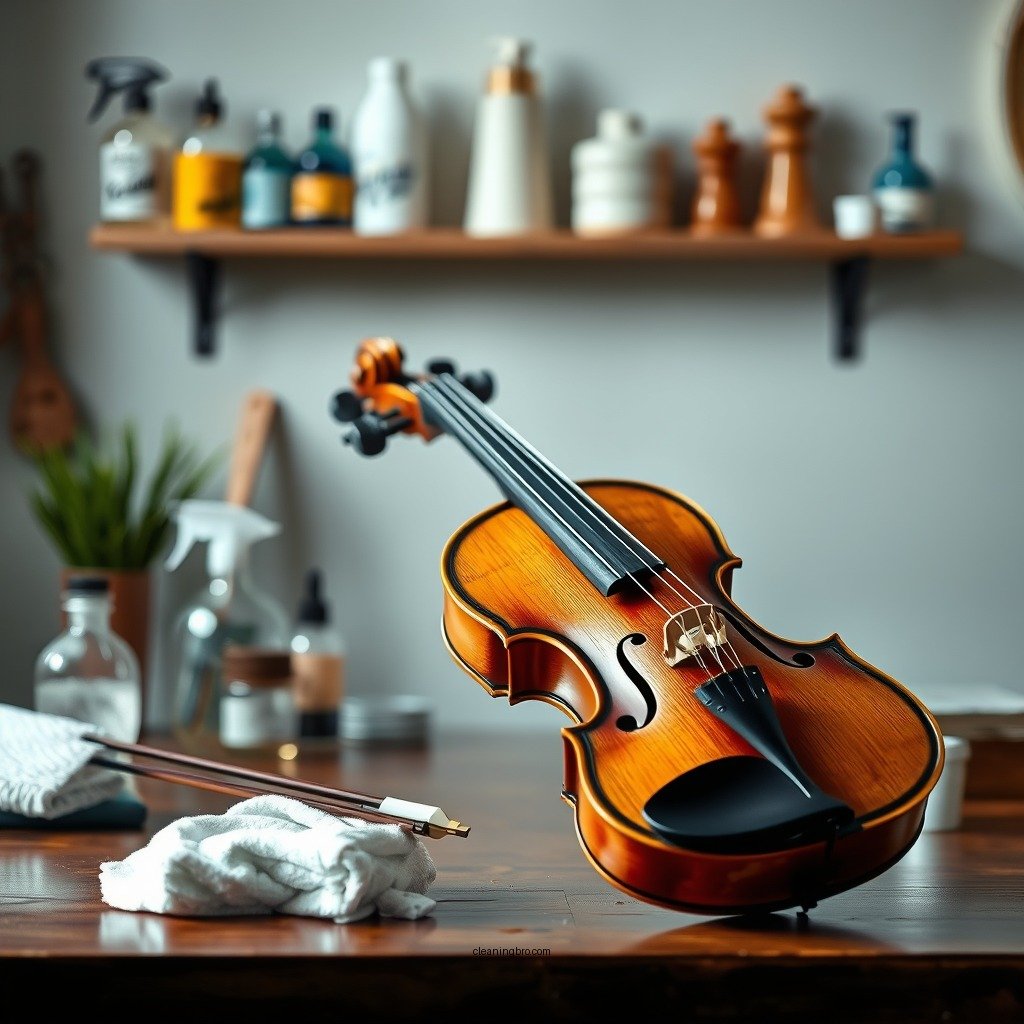
Cleaning a violin requires careful attention to detail to maintain its beauty and sound quality. To properly clean your violin, start by using a soft, dry cloth to wipe down the instrument after each use, focusing on removing rosin buildup and fingerprints. In this guide, you will learn essential techniques and products to keep your violin in pristine condition, ensuring that it not only looks good but also sounds excellent.
Understanding the Importance of Cleaning Your Violin
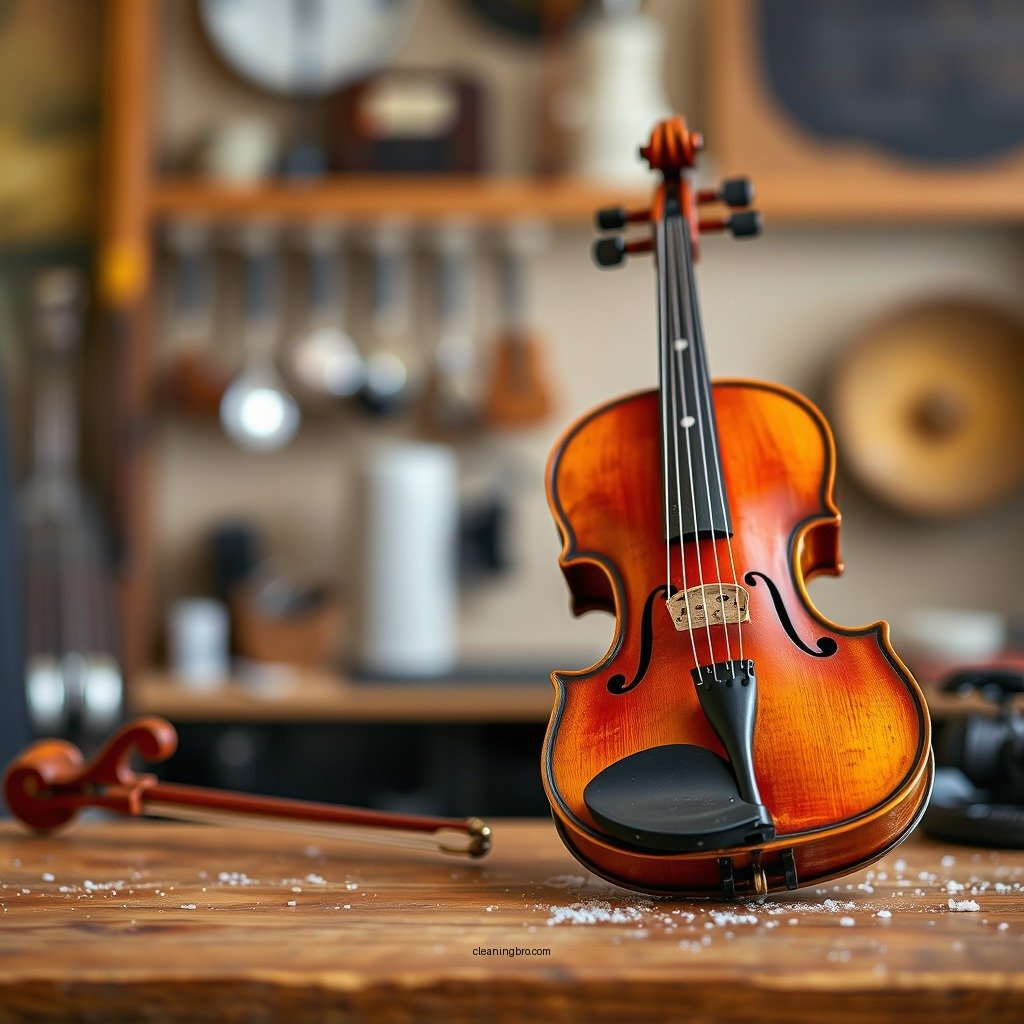
Cleaning your violin is paramount for maintaining its aesthetic appeal and sound quality. The finish on a violin can be sensitive to dust, fingerprints, and rosin buildup, which can dull its shine and even affect its tonal quality. Regular cleaning helps preserve the violin’s finish, allowing it to resonate beautifully. Moreover, neglecting maintenance can lead to long-term damage, such as corrosion of metal parts or deterioration of the wood. By implementing a consistent cleaning routine, you can extend the life of your instrument and enhance your playing experience.
Tools and Materials Needed
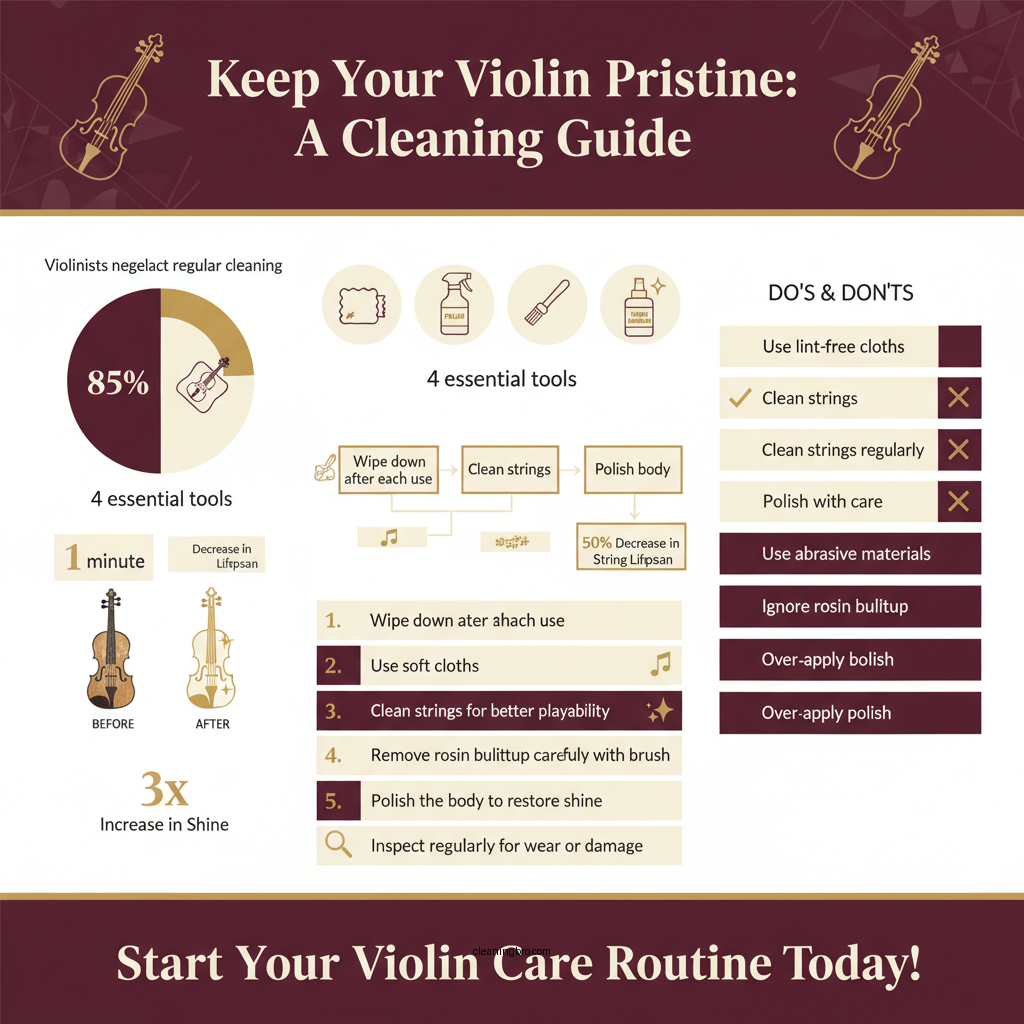
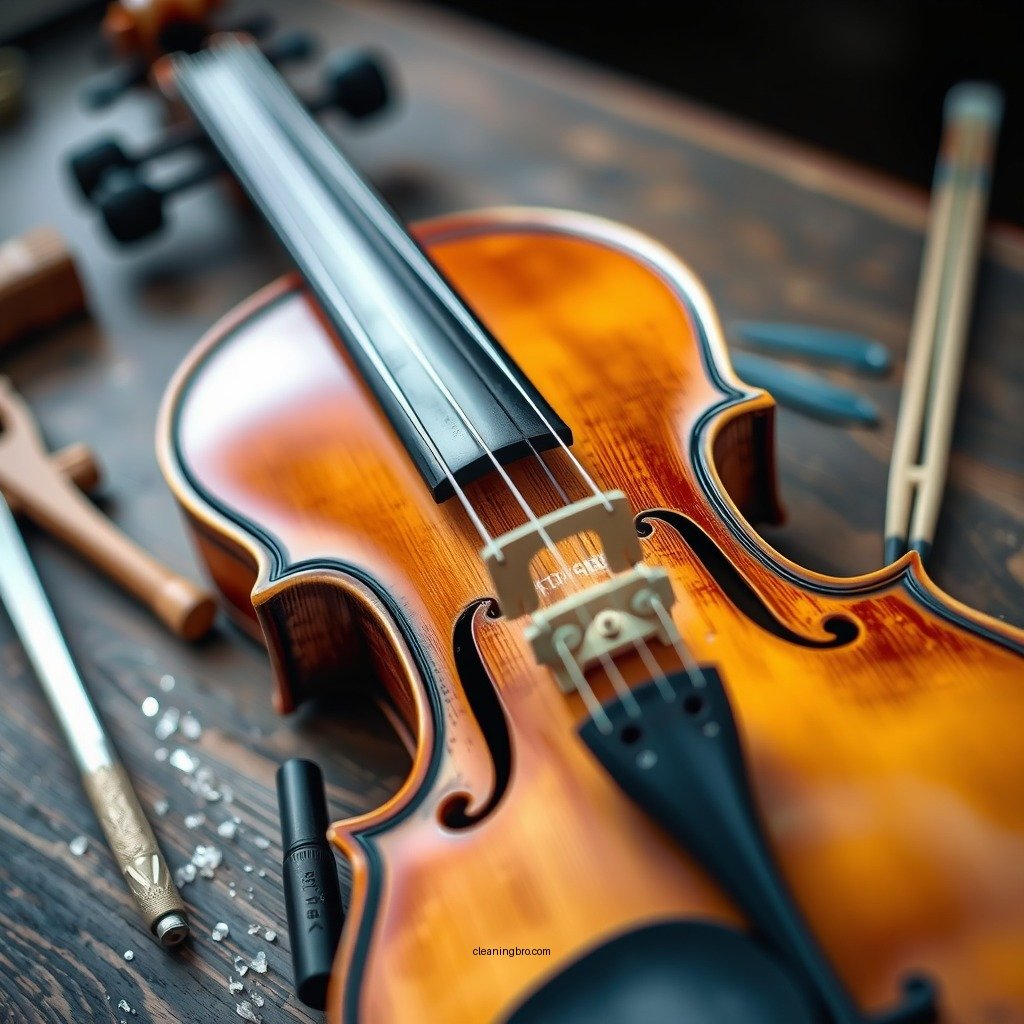
Before you begin the cleaning process, gather the necessary tools and materials to ensure a thorough job:
– Soft, Lint-Free Cloths: Essential for wiping down the body and strings without scratching the surface.
– Violin Polish and Cleaning Solutions: Use specially formulated products designed to clean and protect the finish of your violin.
– Soft Brush: Ideal for removing dust from hard-to-reach areas, such as around the bridge and sound holes.
– String Cleaner: A dedicated cleaner can help maintain the integrity of your strings and enhance their lifespan.
Investing in high-quality cleaning materials will provide better results and ultimately contribute to the longevity of your instrument.
Step-by-Step Cleaning Process

Cleaning your violin can be broken down into a systematic process:
1. Begin with the Exterior: Use a dry, soft cloth to wipe the body and neck of the violin carefully. This will remove any dust or fingerprints that may have accumulated during use.
2. Clean the Strings: Each string should be wiped down individually using a cloth. This helps prevent the buildup of oils and dirt that can affect playability and tone.
3. Address Rosin Buildup: Rosin can accumulate on the strings and body of the violin. Use a soft brush or cloth to gently scrape off excess rosin. Be careful not to damage the varnish or wood while doing this.
4. Polishing the Body: If necessary, apply a small amount of violin polish to a clean cloth and gently rub it into the wood, following the grain. This can restore shine and protect the finish.
5. Final Inspection: Check all the parts of the violin for any signs of wear or damage, and ensure that everything is clean and functioning properly.
Top Violin Cleaning Products (2024)
| # | Product | Type | Price | Rating |
|---|---|---|---|---|
| 1 | D’Addario Pro-Winder | String Winder/Cutter | $12.99 | ★★★★☆ |
| 2 | Hill Violin Cleaner | Polish | $14.99 | ★★★★★ |
| 3 | Music Nomad String Fuel | String Cleaner | $9.99 | ★★★★☆ |
| 4 | Larsen Violin Polish | Polish | $16.99 | ★★★★★ |
| 5 | Savarez Violin Cleaner | Cleaning Solution | $11.99 | ★★★★☆ |
| 6 | Play It Again Violin Cloth | Cleaning Cloth | $8.99 | ★★★★☆ |
| 7 | Cecilio Violin String Cleaner | String Cleaner | $7.99 | ★★★☆☆ |
Special Considerations for the Bow
The bow is a crucial component of the violin that requires its own cleaning regimen. Here are some key steps:
– Clean the Bow Stick: Using a dry cloth, gently wipe the bow stick to remove oils from your hands. This prevents deterioration of the wood and ensures that it maintains its integrity.
– Bow Hair Maintenance: If you notice that your bow hair has accumulated rosin or dirt, consider using a bow hair cleaner. Be cautious not to apply moisture directly to the bow hair, as this can weaken the hair and affect its performance.
– Regular Inspections: Frequently check the bow for any signs of wear or damage. Look for fraying hair or a loose frog. Addressing these issues early on can prevent more significant problems down the line.
When to Seek Professional Help
While regular maintenance can be managed at home, there are circumstances when professional intervention is necessary:
– Major Damage: If your violin has visible cracks, significant wear on the finish, or structural issues, it is advisable to consult a professional luthier.
– Deep Cleaning: For deep cleaning or repairs that require expertise, such as adjusting the sound post or bridge, seeking professional help is the best option.
– Sound Quality Concerns: If you notice a sudden change in sound quality, such as diminished resonance or unusual buzzing, it may indicate a problem that requires professional assessment.
Best Practices for Ongoing Maintenance
To ensure your violin remains in optimal condition, consider implementing the following best practices:
– Routine Cleaning Schedule: Establish a cleaning routine after each practice session or performance. This helps to prevent the buildup of dust and rosin.
– Proper Storage: Always store your violin in a high-quality case to protect it from dust, moisture, and temperature fluctuations. A well-fitted case can significantly prolong your instrument’s life.
– Awareness of Environmental Conditions: Be mindful of humidity and temperature levels. Extreme conditions can warp the wood or damage the finish. Using a hygrometer can help monitor these elements.
Best Violin Care Products for Maintenance
| Feature | ⭐ Hill Violin Cleaner | D’Addario Pro-Winder | Music Nomad String Fuel |
|---|---|---|---|
| Type | Polish | String Winder/Cutter | String Cleaner |
| Price | $14.99 | $12.99 | $9.99 |
| Ease of Use | Easy | Very Easy | Easy |
| Eco-Friendly | ✅ | ✅ | ✅ |
| Scent | Pleasant | None | Mild |
| Residue Free | ✅ | ✅ | ✅ |
| Best For | General Cleaning | String Maintenance | String Lifespan |
Regularly cleaning your violin will ensure its longevity and optimal performance. Start implementing these cleaning tips today, and consider investing in quality cleaning materials to enhance your care routine. By following these guidelines, you not only maintain the beauty of your instrument but also enhance your musical experience.
Frequently Asked Questions
How often should I clean my violin?
It is recommended to clean your violin after every use to maintain its appearance and sound quality. Regular cleaning helps remove rosin dust, fingerprints, and moisture, preventing buildup that can damage the finish and affect the instrument’s tone. A quick wipe down with a soft, dry cloth is usually sufficient.
What is the best way to clean a violin without damaging it?
The best way to clean a violin is to use a clean, dry microfiber cloth to gently wipe down the body and strings. Avoid using any harsh chemicals or cleaners, as they can damage the varnish. For deeper cleaning, consider using a violin-specific polish recommended by a professional luthier.
Why is it important to clean the strings of my violin?
Cleaning the strings of your violin is crucial for maintaining optimal sound quality and longevity. Dirt, oil, and rosin buildup can mute the strings and affect their responsiveness, leading to a dull sound. Regularly wiping the strings with a clean cloth after playing can help preserve their brightness and playability.
Which products are safe for cleaning my violin?
Safe products for cleaning your violin include a soft microfiber cloth and, occasionally, a specialized violin polish that is free from solvents and harsh chemicals. Avoid using household cleaners or sprays that are not specifically designed for musical instruments, as they can damage the wood and varnish.
How do I clean the fingerboard of my violin?
To clean the fingerboard of your violin, gently use a soft cloth to wipe away any rosin dust and grime. For more thorough cleaning, slightly dampen the cloth with water and rub the fingerboard, but be careful not to let moisture seep into the wood. After cleaning, dry it immediately to prevent damage.
References
- Violin
https://en.wikipedia.org/wiki/Violin - Violin | Definition, Structure, History, & Facts | Britannica
https://www.britannica.com/art/violin - https://www.wwu.edu/violin/cleaning.shtml
https://www.wwu.edu/violin/cleaning.shtml - https://www.mayoclinic.org/patient-consumer/resources/cleaning-your-instrument-violin-strings/faq-20462698
https://www.mayoclinic.org/patient-consumer/resources/cleaning-your-instrument-violin-strings/faq-20462698 - https://www.nature.com/articles/s41598-020-70412-0
https://www.nature.com/articles/s41598-020-70412-0 - Google Scholar Google Scholar
https://scholar.google.com/scholar?q=how+to+clean+a+violin - Google Scholar Google Scholar
https://scholar.google.com/scholar?q=violin+maintenance - Google Scholar Google Scholar
https://scholar.google.com/scholar?q=string+instrument+cleaning - https://www.bbc.com/culture/article/20180521-how-do-you-clean-a-violin
https://www.bbc.com/culture/article/20180521-how-do-you-clean-a-violin - https://www.theguardian.com/music/2020/apr/24/how-to-take-care-of-your-string-instrument
https://www.theguardian.com/music/2020/apr/24/how-to-take-care-of-your-string-instrument