How to Clean a Walleye: Step-by-Step Guide
Cleaning a walleye involves a few simple steps that will ensure you can enjoy this delicious fish without any hassle. In this guide, you will learn the most effective method to clean a walleye, including the tools you need and tips to make the process easier. Whether you are a seasoned angler or a novice, mastering the art of cleaning walleye can enhance your culinary experience and help you appreciate the catch even more.
Essential Tools for Cleaning Walleye
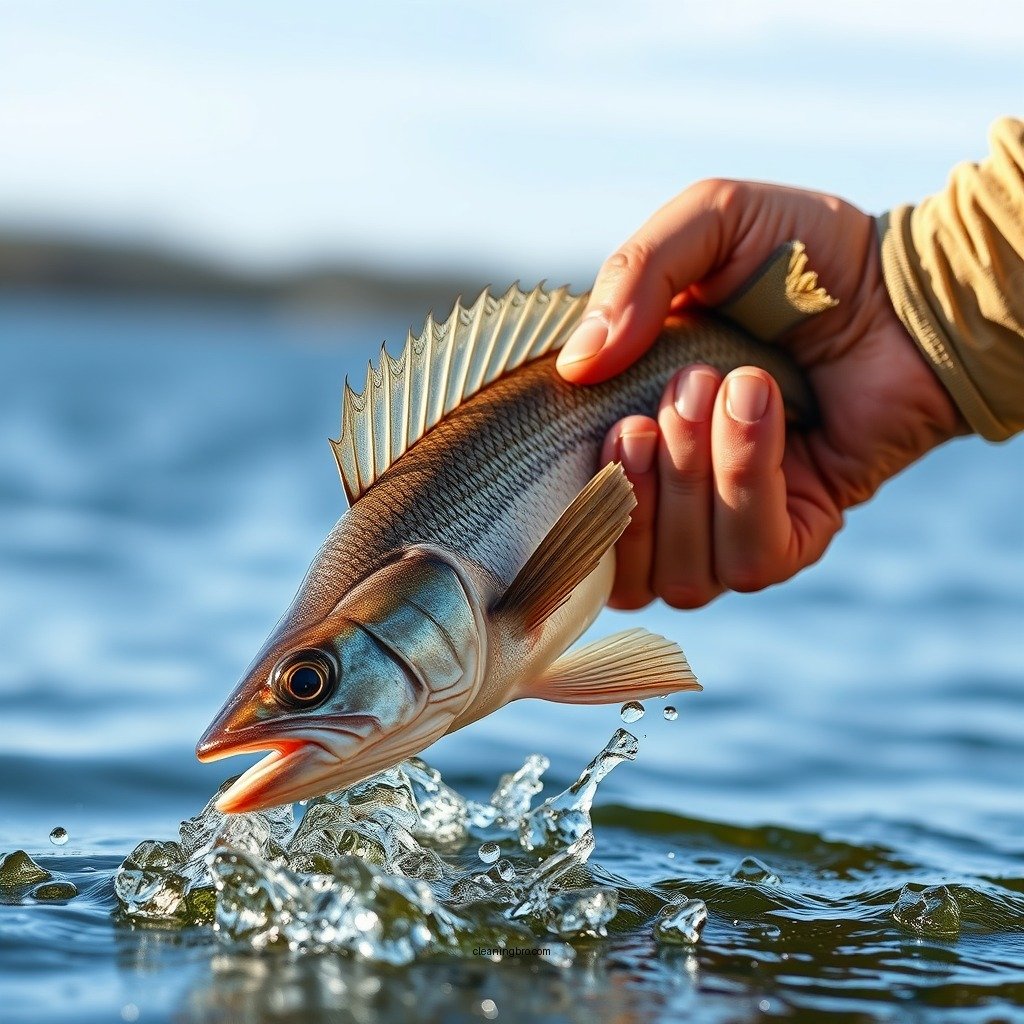
To clean a walleye effectively, having the right tools is essential. Here are the key items you will need:
– A sharp fillet knife: This is crucial for making clean, precise cuts without damaging the flesh of the fish. A good fillet knife will have a flexible blade that allows for easy maneuvering around bones.
– A cutting board or surface: A stable, non-slip cutting board provides a safe and clean area to work on. Look for one made of durable materials like plastic or wood that can withstand knife cuts.
– A bucket or cooler: This is necessary for storing the cleaned fish and any waste. Make sure it is clean and large enough to hold the fillets without risk of contamination.
Preparing the Walleye for Cleaning
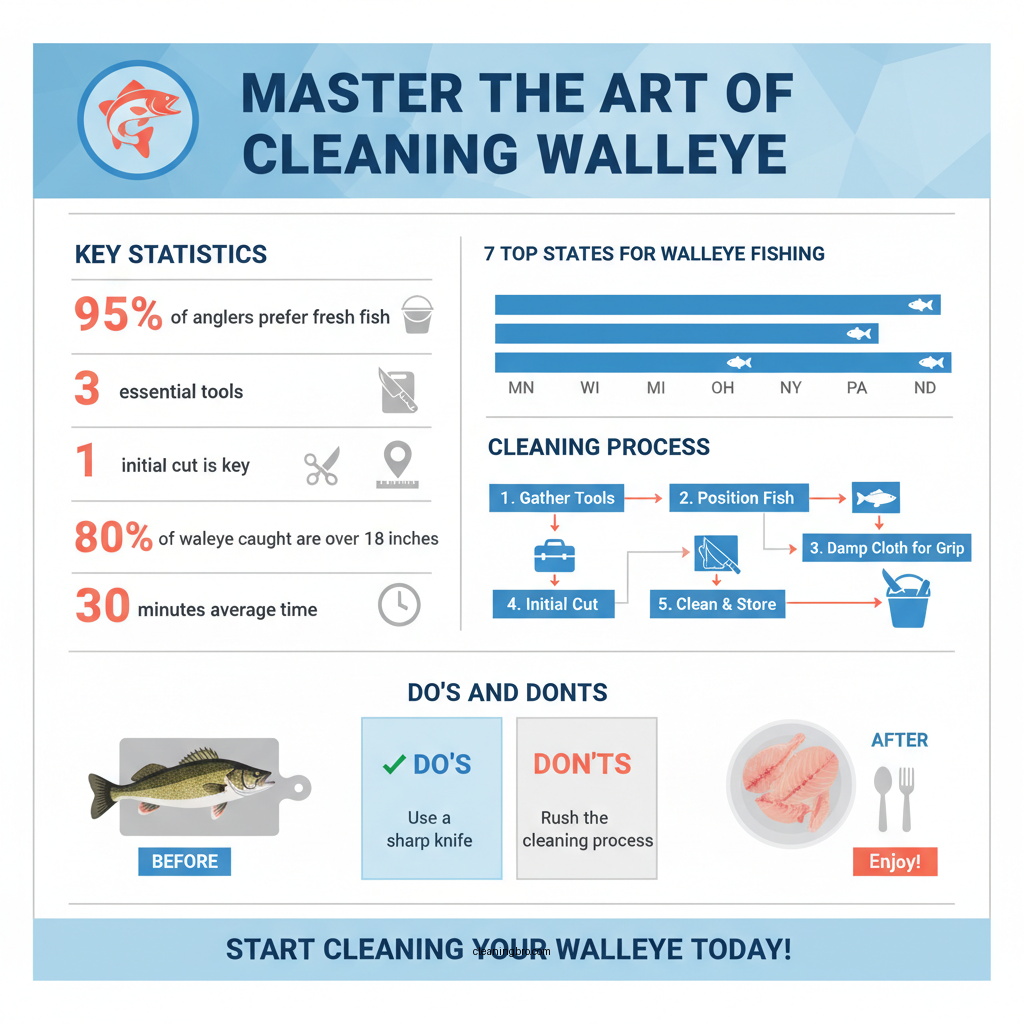
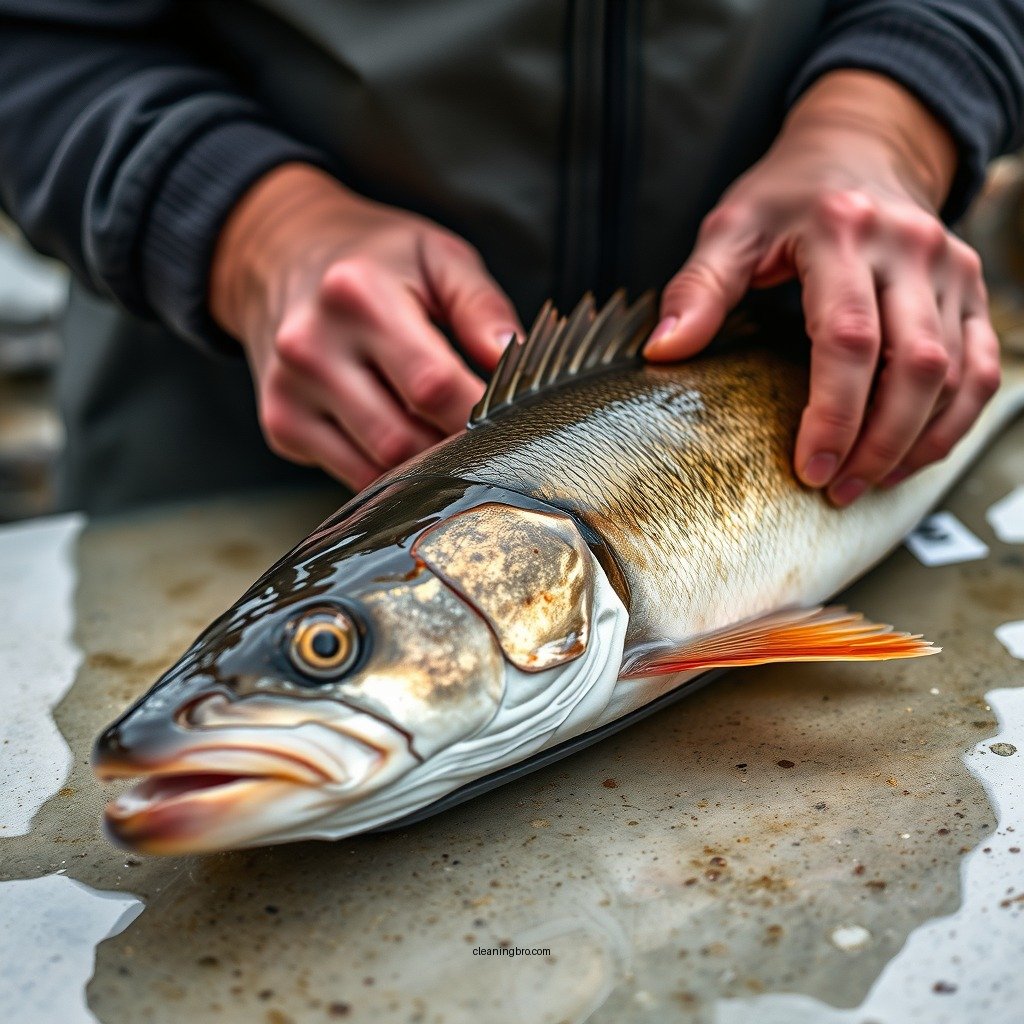
Before diving into the cleaning process, it’s important to prepare the walleye properly.
– Position the fish: Start by laying the walleye on its side on the cutting board. This position offers stability and makes it easier to handle.
– Use a wet cloth: To prevent the fish from slipping, consider placing a damp cloth underneath it. This will help you maintain control as you clean, ensuring safety throughout the process.
Making the Initial Cut
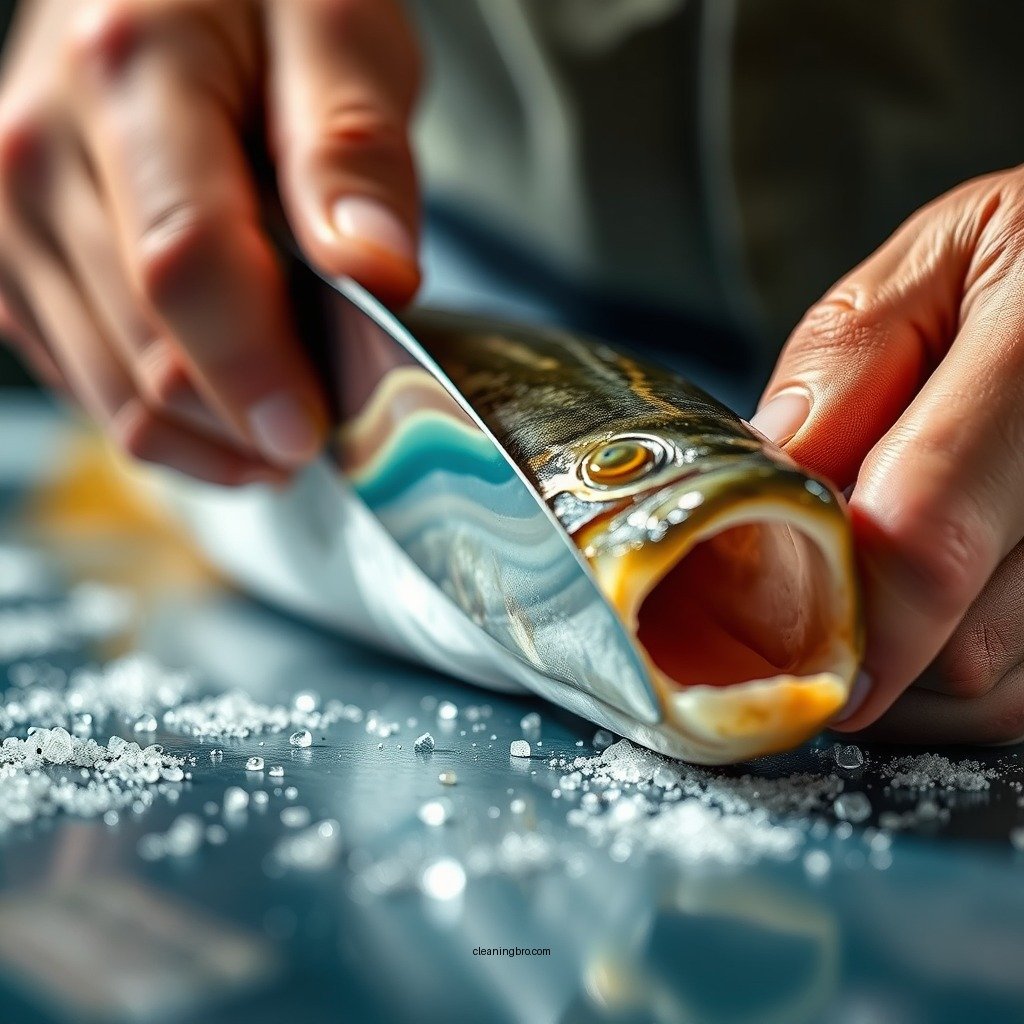
The initial cut is crucial for a successful cleaning process.
– Locate the gills: Insert your knife behind the gills of the walleye. This is where you will make your first incision.
– Cut down to the backbone: Make a clean, deliberate cut from behind the gills straight down to the backbone. This initial slice allows you to access the internal organs and the spine for further cleaning.
Top 7 States for Walleye Fishing (2023)
| # | State | Walleye Population | Fishing Opportunities | Best Time to Fish |
|---|---|---|---|---|
| 1 | Minnesota | High | Excellent | May-June |
| 2 | Wisconsin | Moderate | Good | April-May |
| 3 | Michigan | High | Very Good | June-July |
| 4 | Ohio | Moderate | Good | April-June |
| 5 | North Dakota | High | Excellent | May-June |
| 6 | South Dakota | Moderate | Good | May-June |
| 7 | Iowa | Low | Fair | Not recommended |
Filleting the Walleye
Once you have made the initial cut, the next step is filleting the fish.
– Separate the fillet from the backbone: Begin at the cut you made behind the gills and slide your knife along the backbone towards the tail. Use gentle pressure to separate the fillet from the rib cage. This process should be done carefully to minimize waste and ensure you get the maximum amount of meat.
– Repeat on the other side: Once you have removed the first fillet, flip the walleye over and repeat the process on the other side to retrieve the second fillet. Always ensure that you are following the bones to avoid losing any flesh.
Walleye Filleting Techniques Comparison
| Technique | ⭐ Filleting | Butterflying | Steaking |
|---|---|---|---|
| Ease of Use | ✅ | ❌ | ❌ |
| Yield | High | Medium | Low |
| Time Required | Moderate | High | Low |
| Skill Level | Beginner | Advanced | Intermediate |
| Recommended Use | Best for fillets | Stuffed dishes | Grilling |
| Bone Removal | Complete | Partial | Minimal |
| Flavor | Delicious | Rich | Varied |
| Cooking Versatility | High | Medium | Low |
| Health Benefits | High Omega-3 | Moderate | Varies |
| 🏆 Best For | Home cooking enthusiasts | Restaurateurs | Outdoor grilling |
Removing the Skin
After filleting, you may want to remove the skin to prepare the walleye for cooking.
– Start at the tail end: Begin at the tail end of the fillet and insert the knife between the skin and the flesh.
– Pull the skin away: As you cut, gently pull the skin away from the fillet. This technique minimizes waste and ensures you retain as much of the fish’s meat as possible.
Cleaning Up After Filleting
Cleaning up after the filleting process is as important as the cleaning itself.
– Rinse the fillets: Under cold running water, rinse the fillets to remove any blood, scales, or other residues. This step ensures that the meat remains fresh and suitable for cooking.
– Dispose of waste properly: Make sure to dispose of the entrails and skin responsibly, following local regulations for fish waste disposal. This not only helps the environment but also maintains cleanliness in your fishing area.
In conclusion, cleaning a walleye is straightforward when you follow these steps. Now that you know how to clean a walleye, gather your tools and get ready to enjoy your fresh catch! Consider sharing your cleaned walleye recipes or tips with other fishing enthusiasts. Sharing your experiences can help foster a community of like-minded individuals who appreciate the joys of fishing and cooking.
Frequently Asked Questions
What is the best way to fillet a walleye?
The best way to fillet a walleye involves starting with a sharp fillet knife. Begin by making an incision behind the gills, then follow the backbone down to the tail while keeping the knife against the bones. This method ensures you get clean fillets with minimal waste and preserves the flavor of the fish.
How do you remove the scales from a walleye?
To remove the scales from a walleye, use a fish scaler or the back of a knife to scrape from the tail toward the head. Make sure to do this over a sink or a cutting board to catch the scales. This step is essential for preparing the fish for cooking, as it ensures a better texture and taste.
Why is it important to gut a walleye immediately after catching it?
Gutting a walleye immediately after catching it is crucial for maintaining the quality and freshness of the fish. The longer the entrails remain inside, the more likely it is for the fish to spoil and develop off-flavors. Prompt gutting also prevents bacteria from proliferating and keeps the meat cleaner for consumption.
Which tools do I need to clean a walleye effectively?
To clean a walleye effectively, you will need a sharp fillet knife, a cutting board, and a pair of pliers or scissors for removing the fins. Additionally, having a scaler and a bucket for waste disposal can make the cleaning process smoother. Using the right tools ensures a safer and more efficient cleaning experience.
What is the best method to keep walleye fillets fresh after cleaning?
The best method to keep walleye fillets fresh after cleaning is to rinse them in cold water and pat them dry with a paper towel. Then, store the fillets in an airtight container or vacuum-sealed bag and place them in the refrigerator if using within a day or two. For longer storage, freezing the fillets is recommended to preserve their quality and flavor.
References
- Walleye
https://en.wikipedia.org/wiki/Walleye - https://www.goa.gov/faq/how-to-clean-walleye
https://www.goa.gov/faq/how-to-clean-walleye - Making sure you’re not a bot!
https://www.nicholas.duke.edu/cleaning-walleye - https://pubmed.ncbi.nlm.nih.gov/23256827/
https://pubmed.ncbi.nlm.nih.gov/23256827/ - Walleye | weapon | Britannica
https://www.britannica.com/animal/walleye - https://www.sciencedirect.com/topics/agricultural-and-biological-sciences/walleye
https://www.sciencedirect.com/topics/agricultural-and-biological-sciences/walleye - Google Scholar Google Scholar
https://scholar.google.com/scholar?q=how+to+clean+a+walleye - Google Scholar Google Scholar
https://scholar.google.com/scholar?q=walleye+cleaning+techniques - Google Scholar Google Scholar
https://scholar.google.com/scholar?q=fish+cleaning+methods - Google Scholar Google Scholar
https://scholar.google.com/scholar?q=how+do+you+clean+a+walleye