How to Clean Aluminum Welds: A Step-by-Step Guide
Cleaning aluminum welds is crucial for ensuring strong joints and preparing surfaces for further finishing or painting. This process involves removing contaminants such as dirt, oil, and oxidation. In this article, you will learn effective methods and tips for cleaning aluminum welds to achieve optimal results.
Understanding Aluminum Weld Contaminants
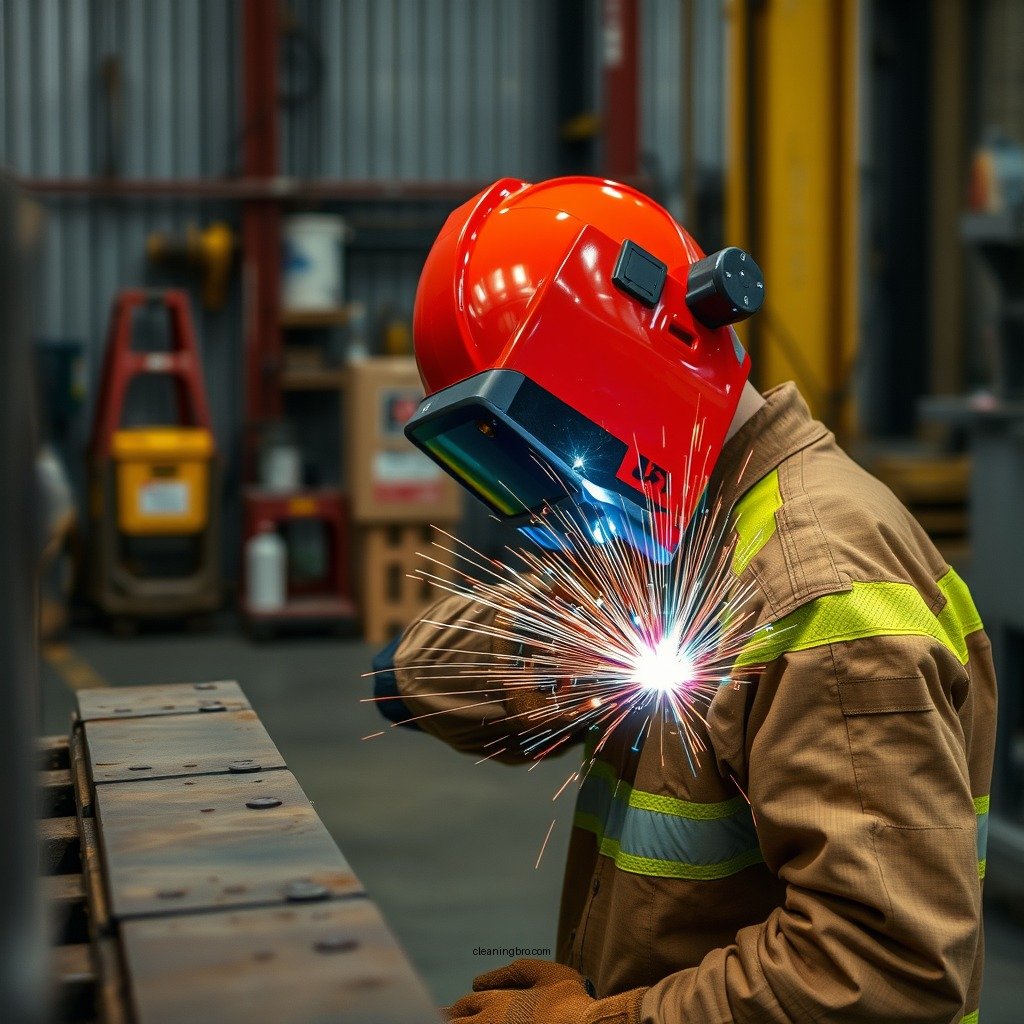
Aluminum welds are susceptible to a variety of contaminants that can compromise the integrity of the weld and the overall quality of the finished product. Common contaminants include grease, dirt, oil, and oxidation. Understanding these substances is critical for selecting the correct cleaning method to restore the aluminum surface.
1. Grease and Oil: These substances can originate from machining processes, handling, or even environmental exposure. They create a barrier that can prevent proper adhesion during welding or finishing.
2. Dirt and Debris: Surface contaminants such as dirt and dust accumulate over time, especially in workshops or outdoor environments. These particles can interfere with the welding process and affect the aesthetic quality of the finish.
3. Oxidation: Aluminum naturally oxidizes when exposed to air, forming a layer of aluminum oxide on the surface. This layer can be abrasive and may lead to poor welding results if not adequately removed.
Identifying these contaminants is crucial for determining the most effective cleaning method, which will be discussed in the following sections.
Tools and Materials Needed
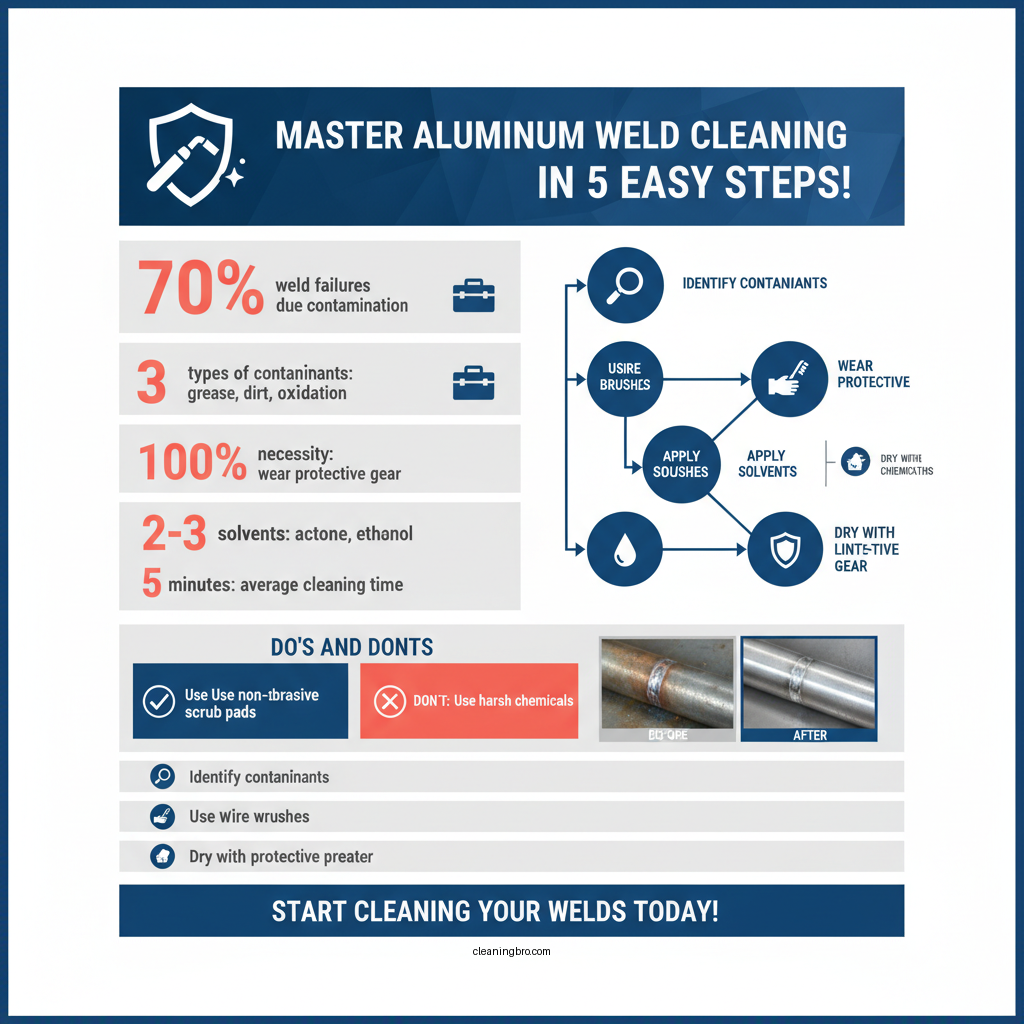
Before beginning the cleaning process, it is essential to gather the necessary tools and materials. The following items will help ensure an efficient and thorough cleaning of aluminum welds:
– Wire Brushes: Ideal for removing oxidation and loose debris from the surface of the welds. A stainless steel or brass wire brush is often recommended to avoid scratching the aluminum.
– Cleaning Solvents: Solvents such as acetone, ethanol, or specialized aluminum cleaners are effective at dissolving oil and grease. It is crucial to select a solvent that is safe for aluminum to avoid any adverse reactions.
– Protective Gear: Always wear appropriate protective equipment, including gloves and goggles. This is particularly important when working with solvents and cleaning agents, which can be harmful to skin and eyes.
– Rags or Cloths: Use lint-free rags or cloths for drying and applying cleaning solutions to ensure that no additional debris is introduced to the surface.
– Scrub Pads: Non-abrasive scrub pads can also be useful for cleaning without scratching the aluminum surface.
By preparing these tools and materials in advance, you will facilitate a more efficient cleaning process.
Cleaning Techniques for Aluminum Welds
Once you have gathered all necessary materials, you can begin the cleaning process. Here are effective techniques to clean aluminum welds properly:
1. Wire Brush Application: Start by using a wire brush to remove surface oxidation and any loose debris. Use gentle, even pressure to avoid scratching the surface. It’s advisable to brush in one direction rather than a circular motion to minimize the risk of damaging the aluminum.
2. Solvent Application: After brushing, apply a suitable cleaning solvent to dissolve oils and grease. Soak a lint-free cloth in the solvent and wipe down the weld area. Allow the solvent to sit for a few minutes for better penetration, then wipe it off with a clean cloth.
3. Final Rinse: If applicable, some cleaning agents may require a rinse with water. Ensure any remaining solvent is fully removed from the surface.
4. Drying: Use a clean, dry rag to wipe down the welds after cleaning. Ensure the surface is completely dry to prevent any moisture-related issues during welding or finishing.
Data Table: Common Aluminum Cleaning Agents
Common Aluminum Cleaning Agents and Their Efficacy
| # | Cleaner Type | Effectiveness | Surface Safety | Use Case |
|---|---|---|---|---|
| 1 | Acetone | High | Safe | General Cleaning |
| 2 | Isopropyl Alcohol | Moderate | Safe | Oil Removal |
| 3 | Aluminum Cleaner | Very High | Safe | Specialized Use |
| 4 | Ethanol | High | Safe | General Cleaning |
| 5 | Vinegar | Moderate | Safe | Eco-Friendly |
| 6 | Baking Soda | Low | Safe | Mild Cleaning |
| 7 | Dish Soap Solution | Moderate | Safe | General Cleaning |
Tips for Effective Cleaning
To achieve the best results when cleaning aluminum welds, consider the following tips:
– Use Clean Tools: Always work with clean tools to avoid reintroducing contaminants. Rinse brushes and cloths regularly to ensure they remain free from debris.
– Scrubbing Technique: When scrubbing, use circular motions to cover more surface area. However, be cautious not to apply excessive pressure, as this can damage the aluminum.
– Test Solvents: Before applying any solvent broadly, conduct a spot test on a small, inconspicuous area to ensure compatibility with the aluminum surface.
– Inspect After Cleaning: After the cleaning process, thoroughly inspect the welds for any remaining contaminants. A clean surface is essential for optimal adhesion during welding or finishing.
– Maintain a Controlled Environment: Whenever possible, perform cleaning in a controlled environment to minimize the chance of recontamination.
Safety Precautions
Cleaning aluminum welds often requires the use of chemical solvents, which can pose health risks if not handled properly. To ensure your safety while cleaning:
– Personal Protective Equipment (PPE): Always wear gloves, goggles, and, if necessary, respiratory protection when working with solvents and cleaning agents.
– Ventilation: Ensure proper ventilation in the workspace. Open windows or use exhaust fans to disperse harmful fumes from cleaning agents.
– Follow Manufacturer Instructions: Adhere to the instructions provided on cleaning product labels to ensure safe and effective use.
– Proper Storage: Store cleaning agents in a safe location, away from children and pets, and ensure they are clearly labeled.
Final Preparation for Welding or Finishing
After cleaning, it is crucial to prepare the aluminum welds for the next steps in your project:
1. Final Inspection: Carefully inspect the welds for any signs of remaining contaminants. If necessary, repeat the cleaning process on any areas that may still be compromised.
2. Drying: Ensure the surface is completely dry before proceeding with further work. Moisture can interfere with welding and finishing processes, leading to poor adhesion and finish quality.
3. Welding or Finishing: Once the surface is clean and dry, you can proceed with welding or applying any desired finishes, such as paint or protective coatings.
By following these steps, you can ensure that your aluminum welds are clean and ready for optimal performance, enhancing the durability and appearance of your projects.
Cleaning aluminum welds is a straightforward process that significantly enhances the quality and durability of your projects. By following the steps outlined in this guide, you can ensure your welds are clean and ready for further work. Take action now and start cleaning your aluminum welds effectively!
Frequently Asked Questions
What is the best method to clean aluminum welds before painting?
The best method to clean aluminum welds before painting involves using a combination of mechanical and chemical cleaning techniques. Start by removing any surface contaminants with a wire brush or grinder to eliminate oxides. Then, use a degreaser or a specialized aluminum cleaner to ensure the surface is free from oils and residues, which promotes better paint adhesion.
How can I remove oxidation from aluminum welds effectively?
To remove oxidation from aluminum welds effectively, you can use a mixture of white vinegar and water or a commercial aluminum cleaner specifically designed for this purpose. Apply the solution with a soft cloth or sponge, and gently scrub the oxidized areas. Rinse thoroughly with clean water and dry to prevent further oxidation.
Why is it important to clean aluminum welds before further processing?
Cleaning aluminum welds before further processing is crucial because contaminants like oils, dirt, and oxidation can compromise the integrity of the welds and lead to poor adhesion in subsequent treatments, such as painting or anodizing. Proper cleaning ensures a smooth surface for effective bonding and enhances the overall appearance and durability of the finished product.
Which tools are best for cleaning aluminum welds?
The best tools for cleaning aluminum welds include wire brushes, flap discs, and abrasive pads designed for aluminum. For more delicate cleaning, using non-abrasive cloths with chemical cleaners can prevent surface damage. Consider using a rotary tool with a polishing attachment for achieving a smooth finish on the welds.
How do I clean aluminum welds without damaging the surface?
To clean aluminum welds without damaging the surface, opt for non-abrasive cleaning methods such as using mild detergents and soft cloths. Avoid harsh chemicals and abrasive materials that could scratch the aluminum. For tough spots, use a plastic scraper or a soft-bristle brush to gently remove debris without harming the weld integrity.
References
- https://en.wikipedia.org/wiki/Aluminium_welding
https://en.wikipedia.org/wiki/Aluminium_welding - https://www.sciencedirect.com/topics/engineering/aluminum-welding
https://www.sciencedirect.com/topics/engineering/aluminum-welding - https://pubmed.ncbi.nlm.nih.gov/32735831/
https://pubmed.ncbi.nlm.nih.gov/32735831/ - https://www.nist.gov/news-events/news/2019/06/cleaning-aluminum-welds-what-you-need-know
https://www.nist.gov/news-events/news/2019/06/cleaning-aluminum-welds-what-you-need-know - https://www.engr.psu.edu/ae/research/cleaning-aluminum-welds.aspx
https://www.engr.psu.edu/ae/research/cleaning-aluminum-welds.aspx - Welding | Types & Definition | Britannica
https://www.britannica.com/science/welding - Google Scholar Google Scholar
https://scholar.google.com/scholar?q=how+to+clean+aluminum+welds - Google Scholar Google Scholar
https://scholar.google.com/scholar?q=aluminum+welding+cleaning+techniques - Google Scholar Google Scholar
https://scholar.google.com/scholar?q=aluminum+weld+preparation - Safety Checklist Program for Schools | NIOSH | CDC
https://www.cdc.gov/niosh/docs/2004-101/default.html