How to Clean an Acrylic Aquarium: Step-by-Step Guide
Cleaning an acrylic aquarium requires specific techniques to avoid scratches and ensure clarity. This guide will walk you through the essential steps and tips for maintaining a pristine acrylic tank, helping you keep your aquatic environment healthy and beautiful.
Acrylic aquariums are favored by many hobbyists due to their lightweight nature and seamless design, yet they demand careful handling during cleaning to maintain their optical clarity and longevity. This guide will provide you with the knowledge necessary to clean your acrylic aquarium without causing damage, ensuring a clear view of your aquatic life.
Understanding Acrylic vs. Glass Aquariums
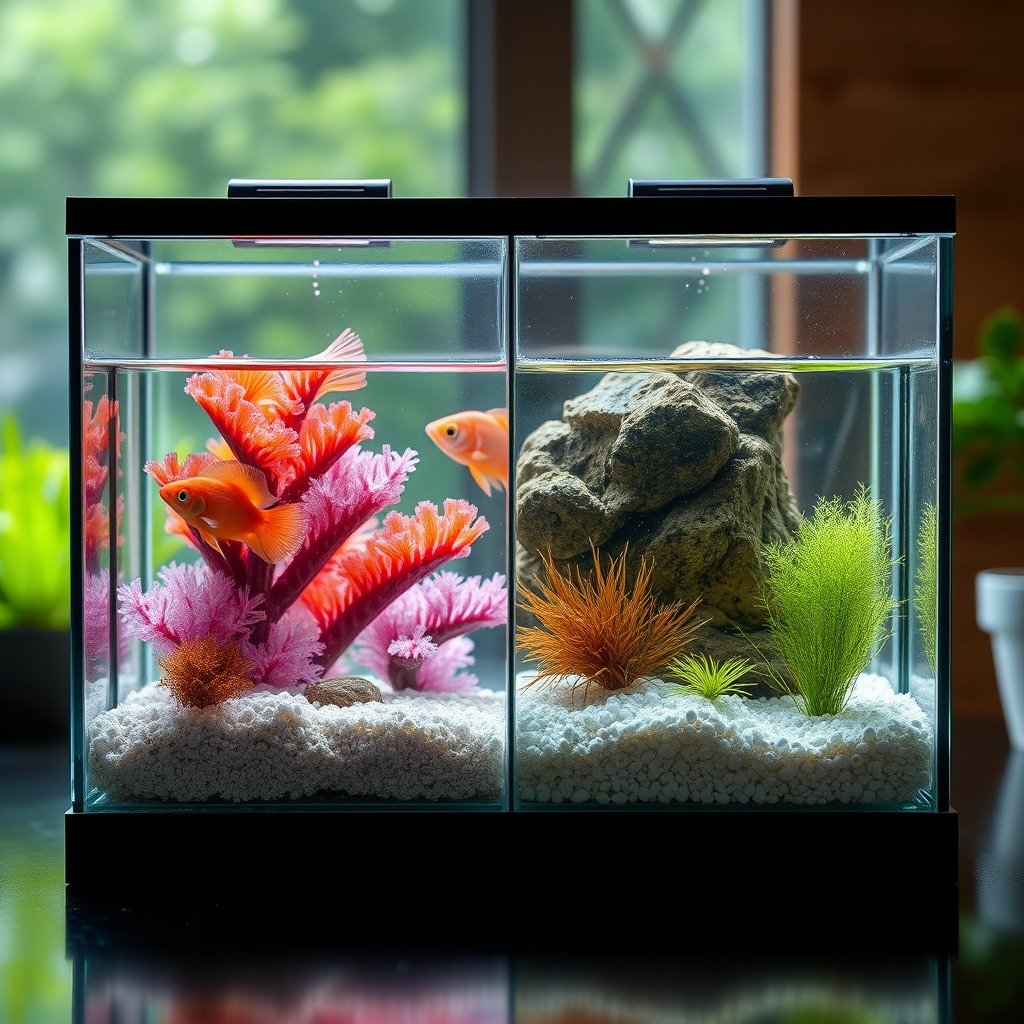
Acrylic and glass aquariums have distinct characteristics that influence how they should be maintained.
– Weight and Flexibility: Acrylic is significantly lighter than glass, making it easier to move and install. It is also more flexible, allowing for unique shapes and designs. However, this flexibility comes at a cost; acrylic is more susceptible to scratches compared to glass.
– Clarity and Insulation: Acrylic typically provides superior clarity, allowing for better viewing of the tank’s inhabitants. Additionally, acrylic offers better insulation, which can help maintain stable water temperatures.
– Cleaning Techniques: Understanding these differences is crucial for selecting appropriate cleaning tools and methods. While glass can be cleaned with a wider range of products, acrylic requires specialized cleaners or mild solutions to avoid damage.
Essential Cleaning Supplies
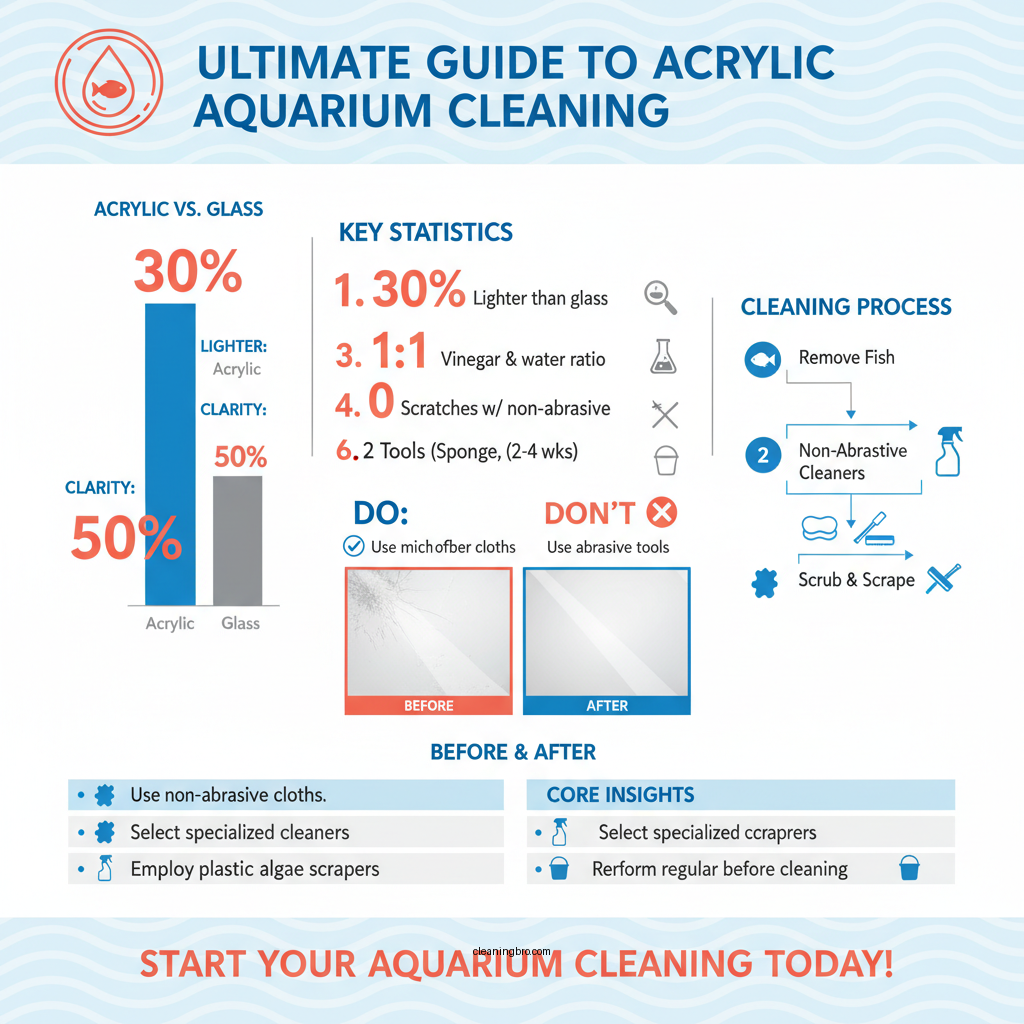
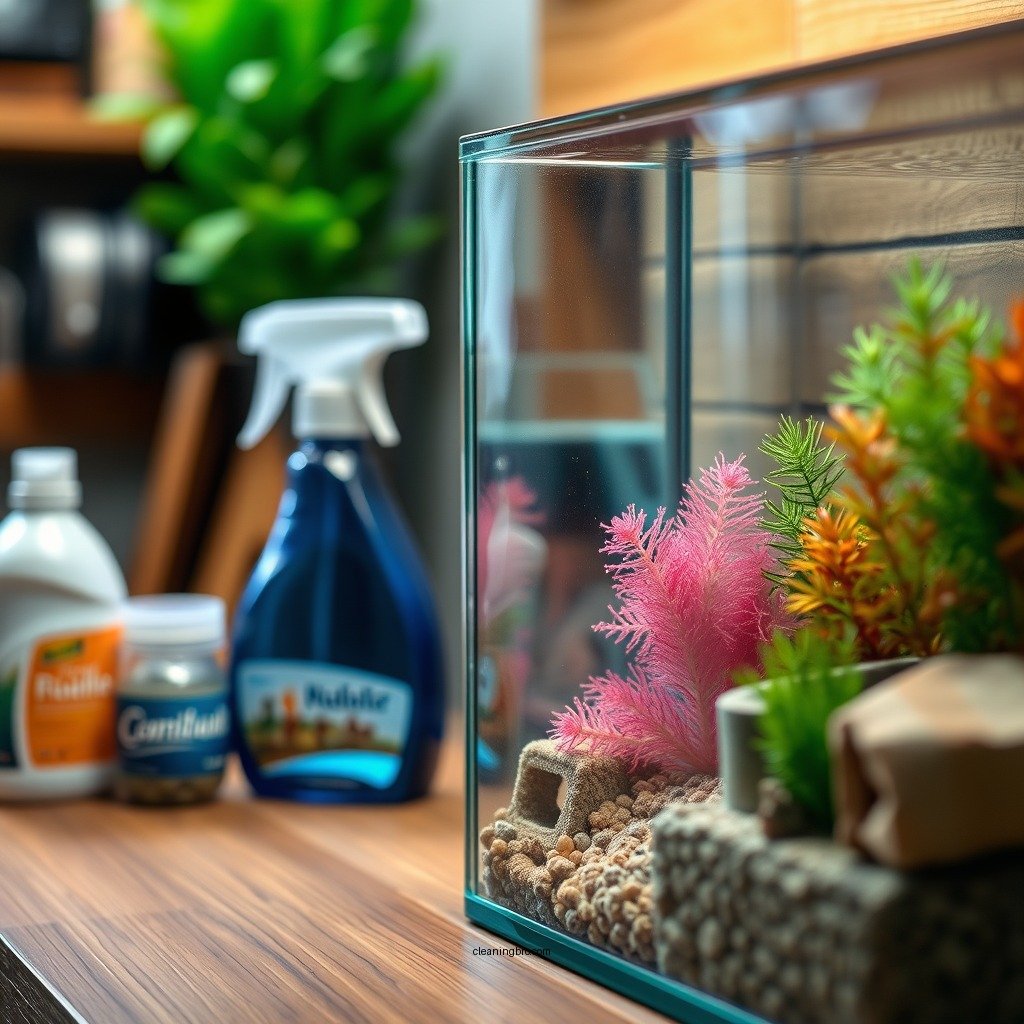
To effectively clean your acrylic aquarium, gather the following supplies:
– Non-abrasive Sponge or Cloth: This is critical to prevent scratches on the acrylic surface. Microfiber cloths are an excellent choice due to their softness and absorbency.
– Specialized Acrylic Cleaners: These products are designed specifically for use on acrylic surfaces, ensuring that you achieve a thorough clean without causing damage. If you prefer a homemade solution, a mixture of vinegar and water (in a 1:1 ratio) can be effective for light cleaning.
– Algae Scraper: For tougher algae growth, a plastic algae scraper designed for acrylic tanks can help remove buildup without scratching.
– Bucket for Water Changes: Regular partial water changes are essential during the cleaning process to maintain water quality.
Step-by-Step Cleaning Process
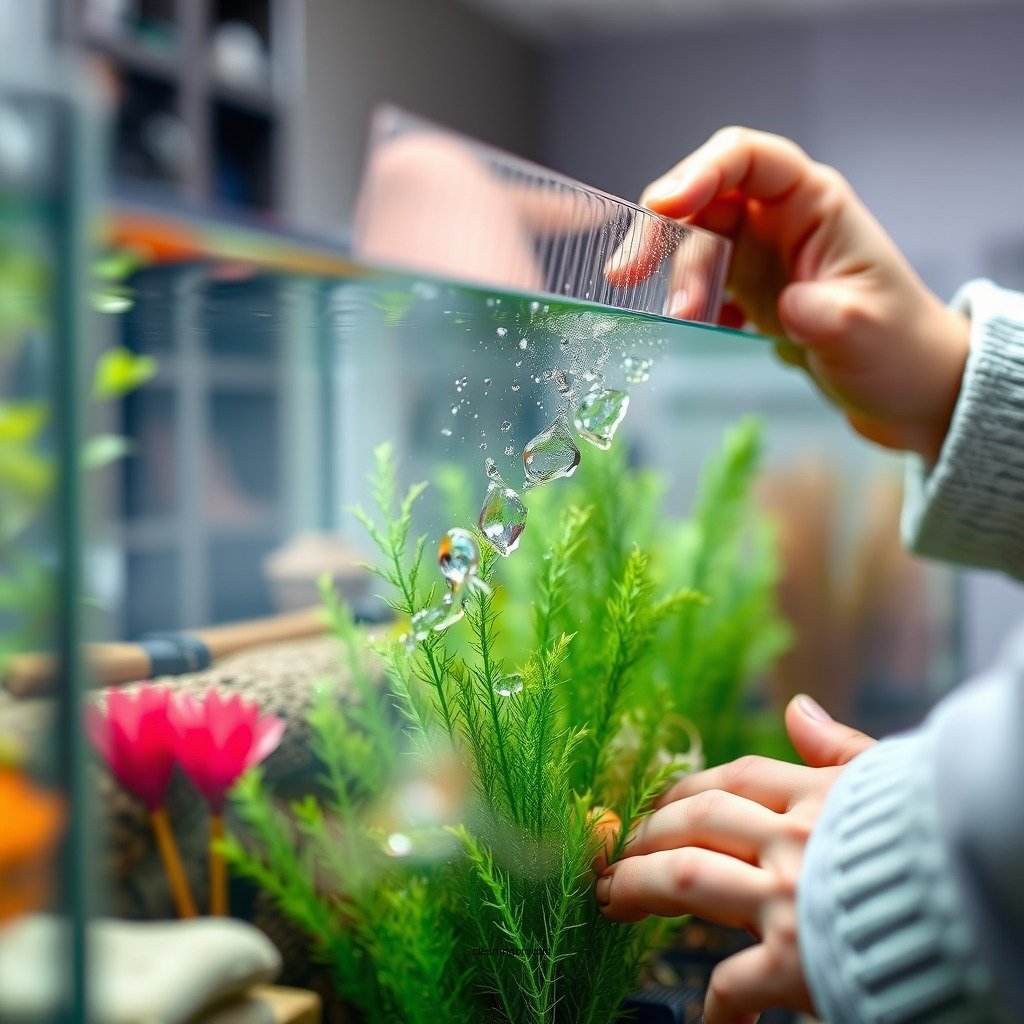
Cleaning your acrylic aquarium can be broken down into several manageable steps:
1. Remove Fish and Decorations: Begin by transferring your fish to a temporary holding container filled with tank water. Remove any decorations or plants to prevent stress and potential damage during cleaning.
2. Prepare Your Cleaning Solution: If you are using a commercial acrylic cleaner, follow the instructions on the label. For a vinegar solution, mix equal parts of vinegar and water in a spray bottle.
3. Clean the Walls: Using a soft cloth or non-abrasive sponge, apply the cleaner to the tank walls. Gently scrub in circular motions, paying particular attention to areas with algae or stains. Avoid using excessive force, as this can lead to scratches.
4. Rinse Thoroughly: After scrubbing, rinse the tank thoroughly with clean water to remove any residue from the cleaning product. It’s essential to ensure that no cleaning solution remains, as it could harm fish when reintroduced to the tank.
5. Replace Decorations and Fish: Once the tank is clean and rinsed, replace the decorations and slowly reintroduce your fish to minimize stress.
Dealing with Algae and Stains
Algae growth is a common issue in aquariums, and understanding how to manage it effectively is vital:
– Types of Algae: Different algae types require specific approaches. Green algae can often be scrubbed away easily, while brown algae (diatoms) might require a more prolonged solution of scrubbing and possibly adjusting water conditions.
– Natural Control Methods: Consider adding algae-eating fish or snails, such as Otocinclus or Nerite snails, to your aquarium. These species help manage algae growth naturally and can reduce your cleaning load.
– Preventative Measures: To minimize algae growth, ensure your aquarium is not exposed to excessive light, and maintain a balanced nutrient level. Regularly changing the water also helps keep algae at bay.
Maintaining Water Quality During Cleaning
Water quality is paramount in an aquarium, and cleaning can disrupt the balance. To maintain it:
– Partial Water Changes: Perform a 10-20% water change before and after cleaning. This helps remove toxins and improves overall water quality.
– Test Water Parameters: Use a water testing kit to monitor ammonia, nitrite, nitrate, and pH levels before and after cleaning. This ensures your aquatic environment remains stable and healthy.
– Use Water Conditioners: If you’re replacing water, consider using a water conditioner to neutralize chlorine and other harmful chemicals.
Best Practices for Regular Maintenance
Establishing a routine for aquarium maintenance is crucial for long-term health:
– Cleaning Schedule: Aim to clean your aquarium every 2-4 weeks, depending on the bioload and algae growth. Regular spot cleaning can help maintain clarity between thorough cleanings.
– Inspect for Scratches: Regularly check the acrylic for scratches or other wear. If you find scratches, consider using an acrylic polish to buff them out gently.
– Monitor Equipment: Keep an eye on filters, lights, and other equipment to ensure they are functioning properly. Clean or replace filter media as needed to maintain optimal water quality.
Tips for Long-Lasting Clarity and Shine
To keep your acrylic aquarium looking its best:
– Avoid Harsh Chemicals: Never use window cleaners or abrasive pads, as they can damage the acrylic surface. Stick to products specifically formulated for acrylic.
– Use Acrylic Polish: After cleaning, using a polish designed for acrylic can enhance clarity and provide a protective layer against future scratches.
– Routine Maintenance: Regularly dust the exterior and perform spot cleaning to avoid the buildup of grime, which can detract from the beauty of your aquarium.
Top 7 Acrylic Aquarium Brands (2024)
| # | Brand | Size Options | Average Price | Best Feature |
|---|---|---|---|---|
| 1 | Aqueon | 10-150 gallons | $200-$1,200 | Clear View |
| 2 | Marineland | 5-75 gallons | $150-$800 | Integrated Lighting |
| 3 | Red Sea | 10-500 gallons | $300-$2,500 | Coral Reef Ready |
| 4 | Fluval | 5-150 gallons | $130-$1,000 | Stylish Design |
| 5 | BioCube | 8-32 gallons | $200-$400 | All-In-One |
| 6 | Innovative Marine | 10-75 gallons | $300-$1,200 | Advanced Filtration |
| 7 | Seaclear | 20-150 gallons | $250-$1,000 | Customizable |
Aqueon vs Marineland vs Red Sea: Full Comparison
| Feature | ⭐ Aqueon | Marineland | Red Sea |
|---|---|---|---|
| Material | Acrylic | Acrylic | Acrylic |
| Size Range | 10-150 gallons | 5-75 gallons | 10-500 gallons |
| Integrated Filtration | ✅ Yes | ✅ Yes | ✅ Yes |
| LED Lighting | ✅ Yes | ✅ Yes | ✅ Yes |
| Best For | Beginners | Community Tanks | Advanced Hobbyists |
| Warranty | 1 Year | 2 Years | 3 Years |
| Color Options | Clear | Clear/Black | Clear/Custom |
| Included Accessories | Filter, Heater | Filter, Light | Filter, Light, Heater |
| 🏆 Best For | Beginners | Community Enthusiasts | Experienced Aquarists |
Maintaining an acrylic aquarium involves careful cleaning techniques and regular maintenance to ensure a vibrant and healthy aquatic environment. By following these steps, you’ll not only keep your tank looking great but also create a better habitat for your fish. Be sure to incorporate these cleaning practices into your routine and enjoy the beauty of your acrylic aquarium!
Frequently Asked Questions
What are the best products to use for cleaning an acrylic aquarium?
When cleaning an acrylic aquarium, it’s best to use non-abrasive cleaners specifically designed for acrylic surfaces. Look for products like acrylic-safe glass cleaners or a simple mixture of vinegar and water. Avoid using ammonia-based cleaners and scrubbers, as they can scratch and damage the acrylic.
How can I effectively remove algae from my acrylic aquarium?
To effectively remove algae from your acrylic aquarium, use a soft cloth or sponge designed for acrylic surfaces. You can also use an algae scraper that is safe for acrylic to gently scrub the affected areas. Regular maintenance, such as water changes and proper lighting, can help prevent algae buildup in the first place.
Why is it important to use special tools for cleaning acrylic aquariums?
Using special tools for cleaning acrylic aquariums is crucial because regular glass cleaning tools can scratch the delicate surface of acrylic. Scratches not only affect the clarity of the aquarium but can also harbor bacteria and algae growth. Investing in acrylic-safe cleaning tools helps maintain both the appearance and health of your aquarium.
Which cleaning technique is best for maintaining the clarity of my acrylic aquarium?
The best cleaning technique for maintaining clarity in your acrylic aquarium is to use a gentle, circular motion with a microfiber cloth or sponge soaked in an acrylic-safe cleaner. Always rinse the cloth or sponge thoroughly before use to avoid introducing contaminants. Additionally, regular cleaning every couple of weeks will help keep your acrylic crystal clear.
How often should I clean my acrylic aquarium to keep it in good condition?
You should clean your acrylic aquarium every 1-2 weeks, depending on the bioload and algae growth. Regular maintenance, including wiping down the sides and performing partial water changes, helps prevent buildup and keeps the aquarium environment healthy for your aquatic life. Always monitor water quality to determine if more frequent cleaning is necessary.
References
- Aquarium
https://en.wikipedia.org/wiki/Aquarium - https://www.ncbi.nlm.nih.gov/pmc/articles/PMC5164705/
https://www.ncbi.nlm.nih.gov/pmc/articles/PMC5164705/ - https://www.sciencedirect.com/science/article/pii/S2211135517300222
https://www.sciencedirect.com/science/article/pii/S2211135517300222 - Aquarium | Setup, Fish & Supplies | Britannica
https://www.britannica.com/science/aquarium - https://www.theguardian.com/environment/2021/mar/31/aquarium-cleaning-tips
https://www.theguardian.com/environment/2021/mar/31/aquarium-cleaning-tips - https://www.nytimes.com/2020/07/24/style/aquarium-cleaning.html
https://www.nytimes.com/2020/07/24/style/aquarium-cleaning.html - Google Scholar Google Scholar
https://scholar.google.com/scholar?q=how+to+clean+an+acrylic+aquarium - Google Scholar Google Scholar
https://scholar.google.com/scholar?q=aqua+cleaning+techniques - Google Scholar Google Scholar
https://scholar.google.com/scholar?q=acrylic+aquarium+maintenance - https://www.mayoclinic.org/healthy-lifestyle/home-and-garden/in-depth/aquarium-care/art-20045774
https://www.mayoclinic.org/healthy-lifestyle/home-and-garden/in-depth/aquarium-care/art-20045774