How to Clean an Acrylic Fish Tank: Step-by-Step Guide
Cleaning an acrylic fish tank is crucial for the health of your fish and the aesthetic appeal of your aquarium. Regular maintenance not only ensures a vibrant environment for your aquatic life but also prolongs the longevity of your tank. In this comprehensive guide, we will walk you through the necessary steps to clean your acrylic fish tank effectively, using safe, appropriate methods that protect the acrylic material.
Gather the Necessary Supplies
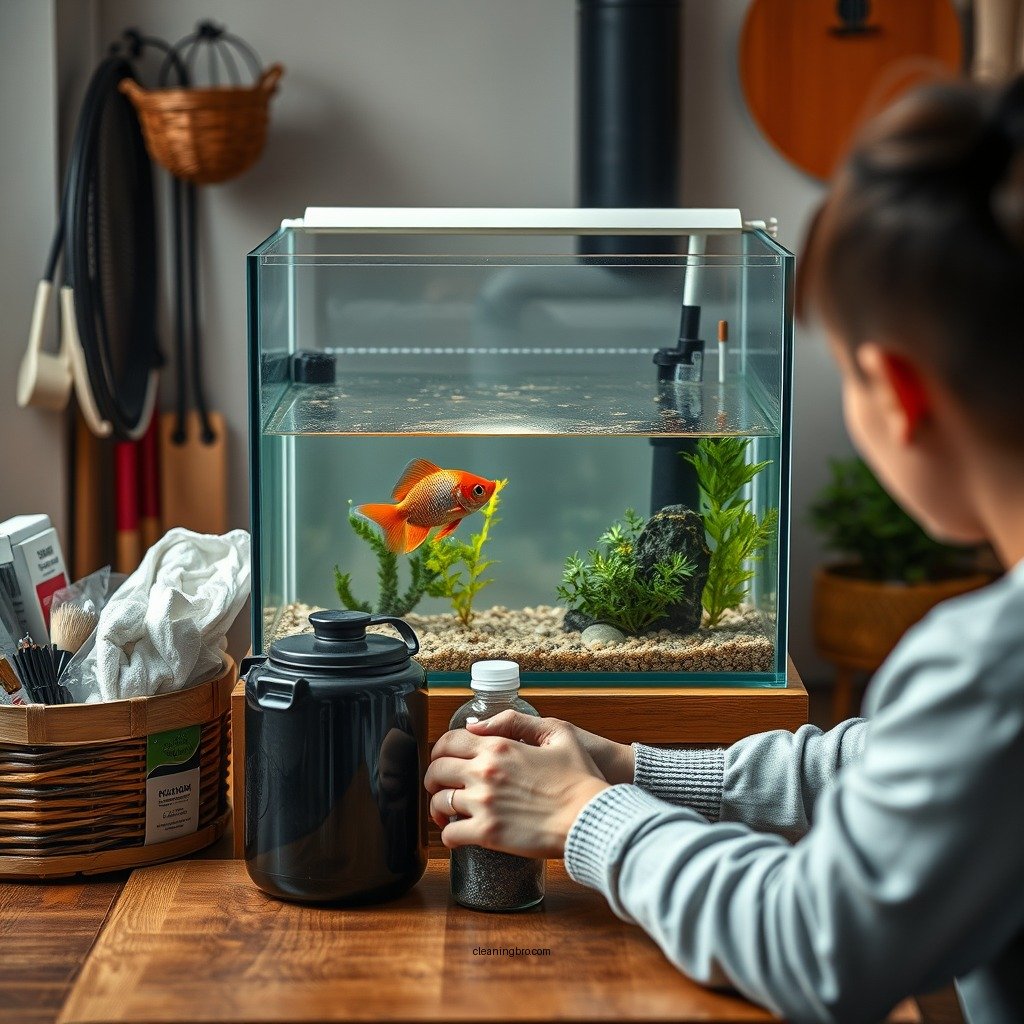
Before you begin the cleaning process, it’s important to gather all the necessary tools and supplies to ensure a smooth operation. To prevent scratching the acrylic surface, always opt for a soft sponge or cloth. Here’s a list of essential items you will need:
– Soft sponge or cloth: A non-abrasive sponge will help you clean without damaging the acrylic.
– Bucket: This will be useful for holding the water you remove from the tank.
– Algae scraper: A specialized scraper designed for acrylic tanks helps remove algae buildup without scratching the surface.
– Siphon: This tool is essential for removing water and debris from the substrate safely.
– Aquarium-safe cleaner: Make sure to use products specifically designed for aquarium use, as traditional household cleaners can be harmful to fish.
By preparing these supplies ahead of time, you’ll streamline the cleaning process and minimize stress for both you and your fish.
Drain the Tank Safely
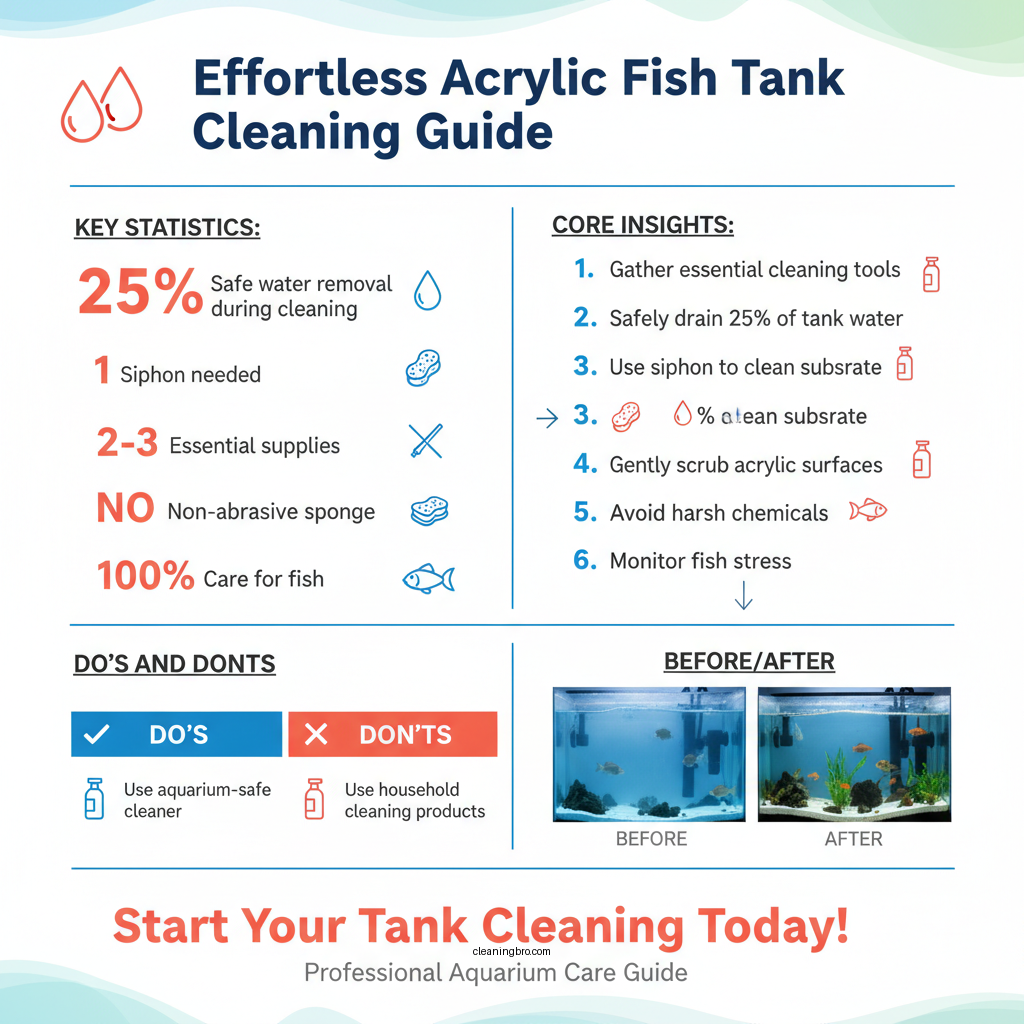
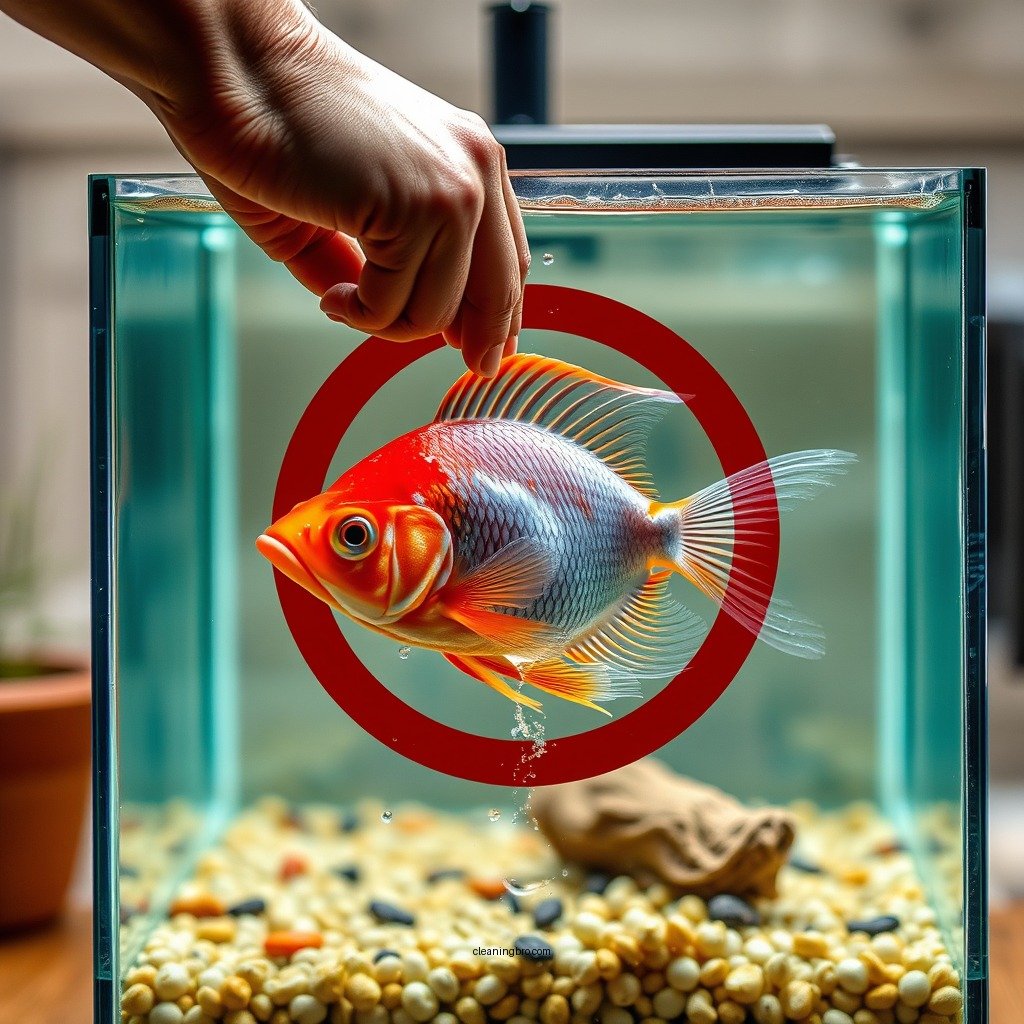
The next step involves safely draining the tank to avoid shocking your fish. Follow these guidelines:
– Remove about 25% of the water: This amount is typically safe for your fish, preventing sudden changes in their environment.
– Use a siphon: While draining the water, use the siphon to clean the substrate. This will help in removing debris, uneaten food, and waste that may have settled at the bottom of the tank.
It’s important to monitor your fish during this process. If they show signs of stress, consider temporarily moving them to a safe holding tank with a similar water temperature.
Clean the Acrylic Surfaces
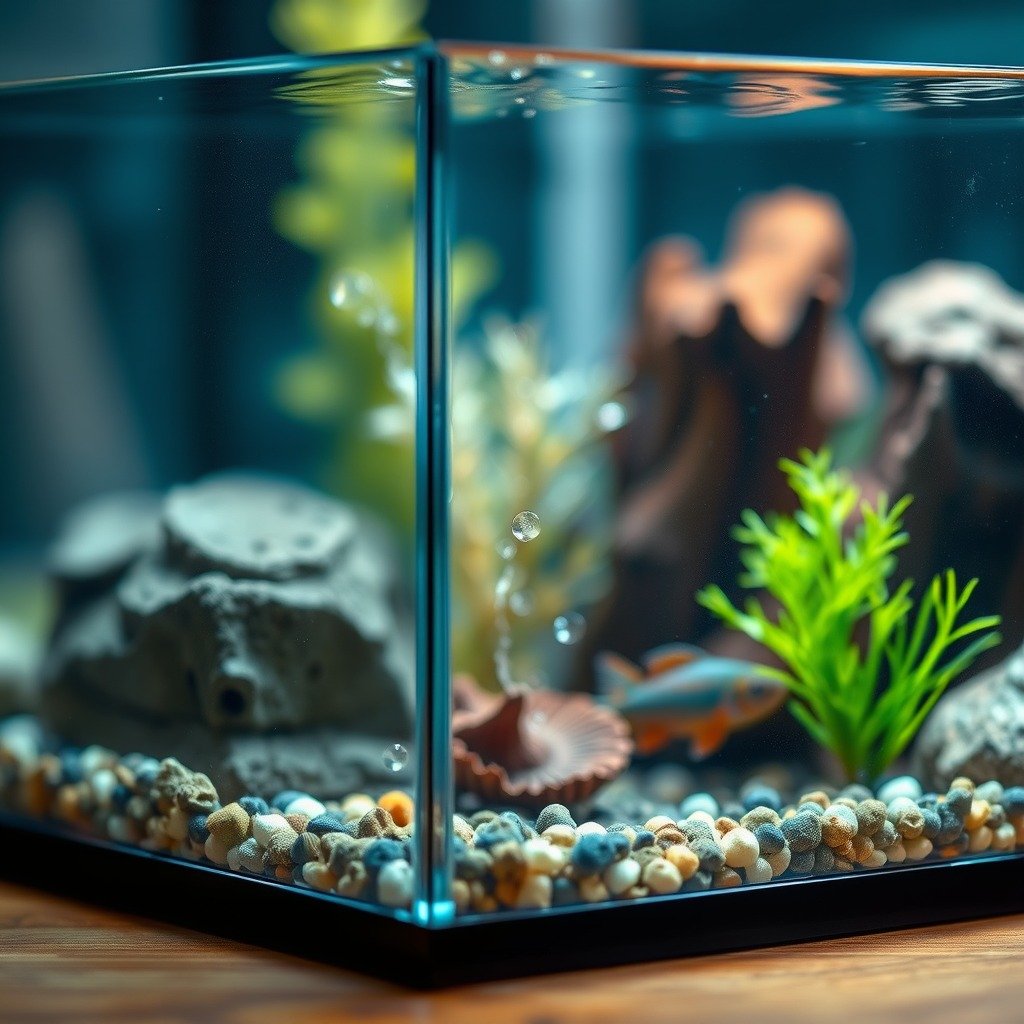
Once the tank is drained, it’s time to focus on the acrylic surfaces. Cleaning these surfaces properly is critical to maintaining their clarity and preventing scratches:
– Gently scrub the walls: Using your soft sponge or cloth, scrub the walls of the tank gently. Be sure to use an aquarium-safe cleaner to avoid introducing harmful chemicals into your fish’s habitat.
– Avoid harsh chemicals: Never use bleach, ammonia, or other abrasive materials, as these can scratch the surface or leave harmful residues that jeopardize your fish’s health.
By taking these precautions, you ensure your acrylic tank remains clear and visually appealing for years to come.
Remove and Clean Decorations
As you clean the tank, it’s also essential to clean the decorations, plants, and substrate:
– Take out any decorations, plants, or gravel: This allows you to thoroughly clean every part of the tank, ensuring no algae or debris is left behind.
– Rinse them with warm water: Use warm water to rinse off algae and debris. Avoid soap or detergent, as these can leave harmful residues.
– Scrub gently: For more stubborn algae, use your soft sponge to scrub these items gently. Make sure to rinse them thoroughly before placing them back in the tank.
Cleaning the decorations not only enhances the tank’s aesthetics but also contributes to a healthier environment for your fish.
Refill the Tank and Treat the Water
After cleaning, you’ll need to refill the tank. This step is critical to ensure the water conditions are suitable for your fish:
– Refill the tank with dechlorinated water: It’s essential to use water that has been treated to remove chlorine and other harmful chemicals. You can use a water conditioner available at pet stores.
– Check the water temperature and parameters: Before reintroducing your fish, ensure that the water temperature and parameters (pH, ammonia, nitrite, and nitrate levels) are within the acceptable range for your specific fish species.
Taking the time to properly refill and treat the water will minimize stress on your fish and help maintain a stable environment.
Monitor the Tank Environment
Post-cleaning, it’s important to keep a vigilant eye on the tank’s environment:
– Keep an eye on water quality: Test the water parameters regularly using an aquarium test kit to ensure the conditions remain stable.
– Observe fish behavior: Watch for any signs of stress or illness in your fish after cleaning. Changes in behavior may indicate that the tank conditions are not optimal.
Regular monitoring helps you catch any potential issues early, ensuring a healthy ecosystem for your aquatic life.
Schedule Regular Maintenance
Establishing a routine cleaning schedule is vital for long-term tank health:
– Routine cleaning should be every 2-4 weeks: Regular maintenance prevents excessive algae buildup and debris accumulation.
– Include partial water changes: In addition to cleaning, aim to change 10-15% of the water weekly or bi-weekly to maintain water quality.
– Check equipment regularly: Ensure that filters, heaters, and lights are functioning properly to support a stable environment.
By adhering to a regular maintenance schedule, you can keep your acrylic tank thriving and vibrant.
Top 7 Tools for Cleaning Acrylic Fish Tanks (2024)
| # | Tool | Material | Price | Rating |
|---|---|---|---|---|
| 1 | Acrylic-safe Scrubber | Soft Sponge | $10 | ★★★★☆ |
| 2 | Algae Scraper | Plastic | $8 | ★★★★☆ |
| 3 | Siphon Vacuum | Flexible Plastic | $15 | ★★★★★ |
| 4 | Tank Cleaner | Aquarium-safe | $12 | ★★★★☆ |
| 5 | Water Conditioner | Liquid | $6 | ★★★★★ |
| 6 | Temperature Gauge | Digital | $20 | ★★★★☆ |
| 7 | pH Test Kit | Chemical | $10 | ★★★★☆ |
Best Tools for Cleaning Acrylic Fish Tanks
| Feature | ⭐ Acrylic-safe Scrubber | Algae Scraper | Siphon Vacuum |
|---|---|---|---|
| Material | Soft Sponge | Plastic | Flexible Plastic |
| Price | $10 | $8 | $15 |
| Effectiveness | ✅ Best for daily cleaning | ✅ Great for algae removal | ✅ Excellent for substrate cleaning |
| Compatibility | All acrylic tanks | All acrylic tanks | All tanks |
| Durability | High | Moderate | High |
| Ease of Use | Very Easy | Easy | Moderate |
| Cleaning Frequency | Weekly | As Needed | Bi-weekly |
| Safety | Fish-safe | Fish-safe | Fish-safe |
| Portability | Lightweight | Lightweight | Moderate |
| 🏆 Best For | Daily use | Algae removal | Substrate cleaning |
Maintaining your acrylic fish tank is crucial for the health of your aquatic life and the clarity of your tank. By following these steps, you can ensure a clean and vibrant environment for your fish. Regular cleaning and monitoring of water quality will help create a thriving ecosystem. Don’t forget to set up a regular cleaning schedule to keep your tank in top condition!
Frequently Asked Questions
What is the best way to clean an acrylic fish tank without scratching it?
The best way to clean an acrylic fish tank is to use a soft cloth or sponge specifically designed for acrylic surfaces. Avoid using abrasive materials like steel wool or harsh chemicals, as these can scratch the acrylic. Instead, a mixture of warm water and a few drops of dish soap is effective for removing dirt and algae without damaging the tank.
How often should I clean my acrylic fish tank?
It’s recommended to clean your acrylic fish tank every two to four weeks, depending on the bioload and the number of fish you have. Regular maintenance includes removing uneaten food, vacuuming the substrate, and cleaning the tank walls to prevent algae buildup. This routine helps maintain water quality and ensures a healthy environment for your fish.
Why is it important to clean my acrylic fish tank regularly?
Regular cleaning of your acrylic fish tank is crucial to prevent harmful algae growth and to maintain good water quality. Algae and waste can lead to high levels of toxins in the water, which can negatively impact the health of your fish. Additionally, a clean tank enhances the aesthetic appeal, making it more enjoyable to observe your aquatic life.
Which products are safe to use for cleaning an acrylic fish tank?
Safe products for cleaning an acrylic fish tank include aquarium-safe cleaners or a simple solution of vinegar and water. These options effectively clean without damaging the acrylic. Always ensure that any product used is specifically labeled as safe for use in aquariums to protect your fish and plants.
How can I remove stubborn stains from my acrylic fish tank?
To remove stubborn stains from your acrylic fish tank, gently scrub the affected area with a mixture of baking soda and water, creating a paste. Apply it with a soft cloth, and rinse thoroughly to avoid any residue. For tough stains, consider using a commercial acrylic cleaner that is safe for aquarium use, ensuring it does not contain harmful chemicals.
References
- Aquarium
https://en.wikipedia.org/wiki/Aquarium - https://www.ncbi.nlm.nih.gov/pmc/articles/PMC6382270/
https://www.ncbi.nlm.nih.gov/pmc/articles/PMC6382270/ - https://www.sciencedirect.com/topics/agricultural-and-biological-sciences/aquarium
https://www.sciencedirect.com/topics/agricultural-and-biological-sciences/aquarium - Aquarium | Setup, Fish & Supplies | Britannica
https://www.britannica.com/animal/aquarium - https://www.aaas.org/resources/cleaning-aquarium
https://www.aaas.org/resources/cleaning-aquarium - Google Scholar Google Scholar
https://scholar.google.com/scholar?q=cleaning+acrylic+fish+tank - Google Scholar Google Scholar
https://scholar.google.com/scholar?q=maintaining+acrylic+aquarium - Google Scholar Google Scholar
https://scholar.google.com/scholar?q=fish+tank+cleaning+procedures - https://www.fishlore.com/aquariumfishforum/threads/how-to-clean-an-acrylic-aquarium.184933/
https://www.fishlore.com/aquariumfishforum/threads/how-to-clean-an-acrylic-aquarium.184933/ - Google Scholar Google Scholar
https://scholar.google.com/scholar?q=how+to+clean+an+acrylic+fish+tank