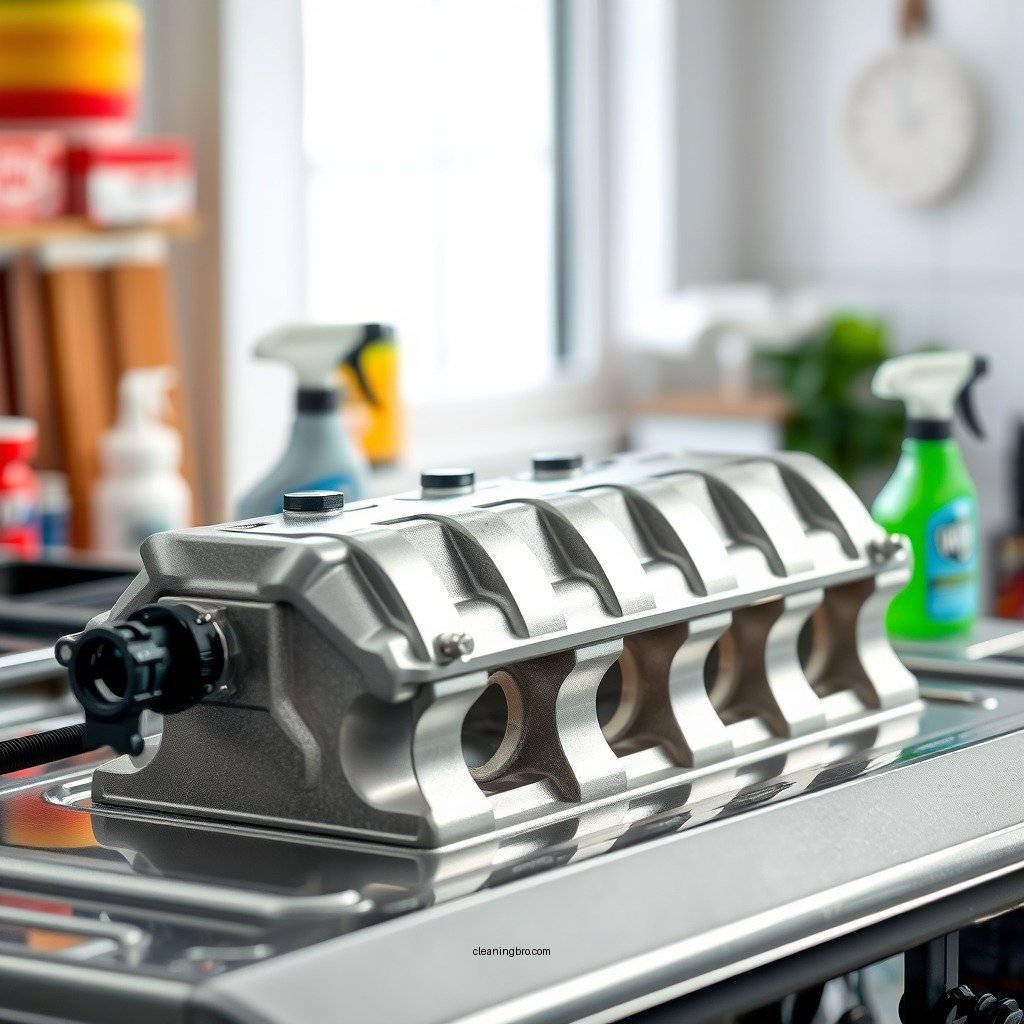
How to Clean an Aluminum Intake Manifold
Cleaning an aluminum intake manifold is crucial for ensuring optimal engine performance and preventing detrimental carbon buildup that can impede airflow. This guide will provide you with comprehensive steps and techniques to effectively clean your intake manifold, allowing for enhanced engine efficiency and longevity.
Understanding the Importance of Cleaning
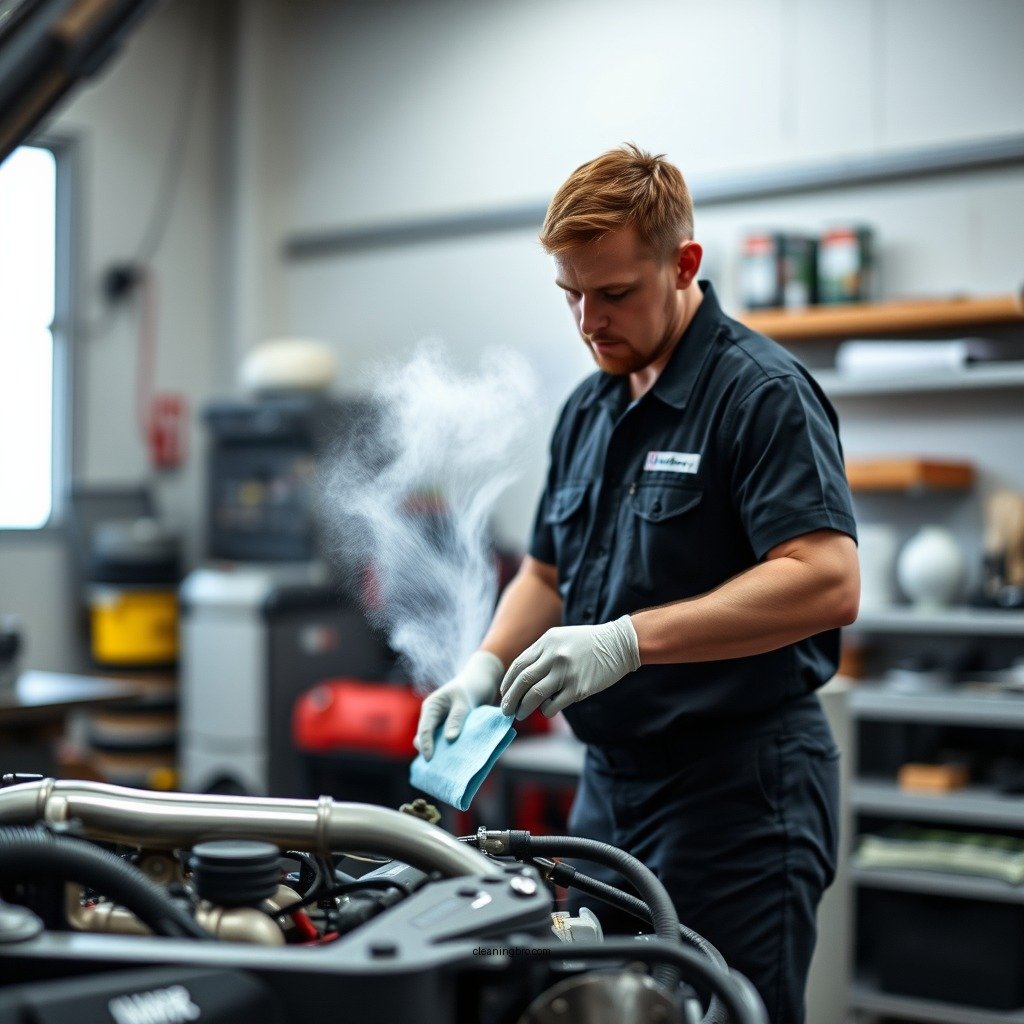
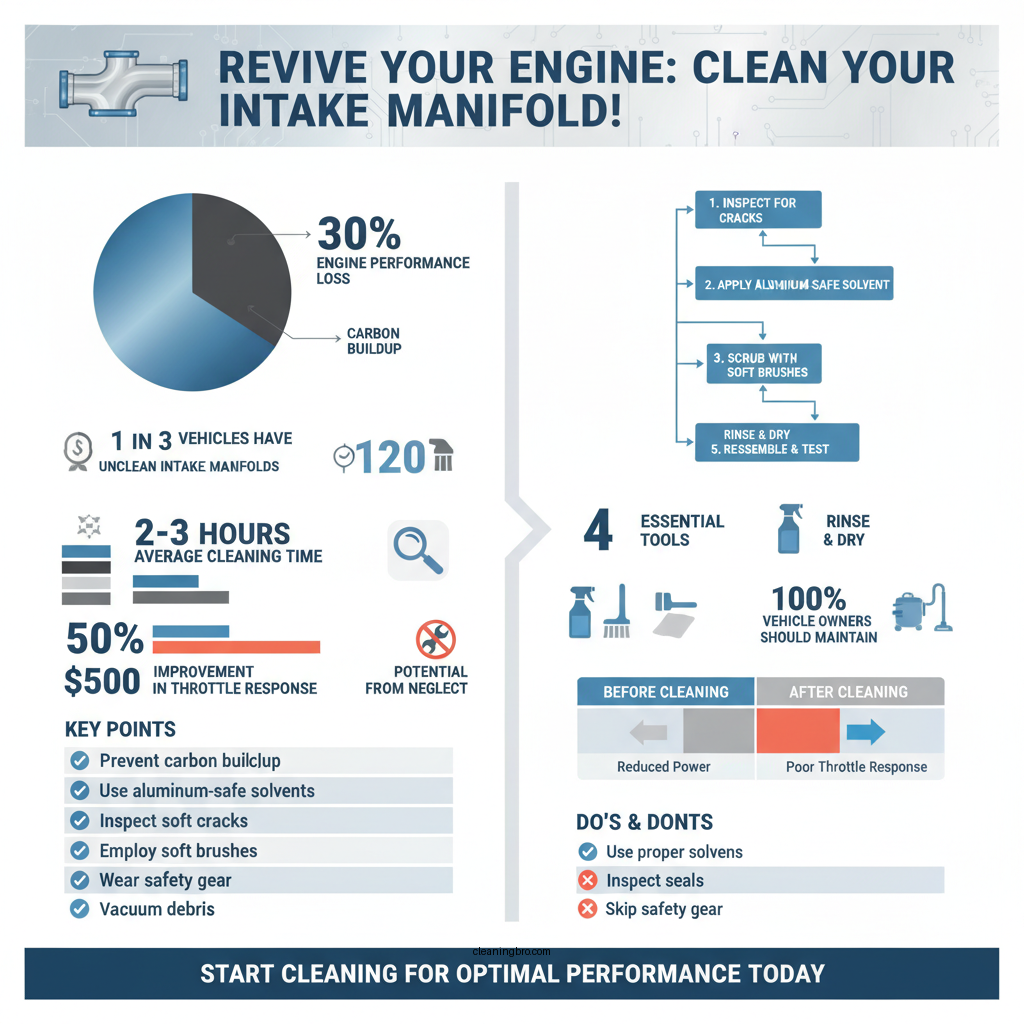
Regular cleaning of the aluminum intake manifold is vital for maintaining engine efficiency. Over time, carbon deposits can accumulate within the manifold, which can lead to reduced airflow and a less effective fuel mixture. By keeping the intake manifold clean, you promote better engine performance, improved fuel efficiency, and reduced emissions. An unclean manifold can result in poor throttle response, increased fuel consumption, and even potential engine damage over time. Therefore, routine maintenance, including cleaning the intake manifold, is essential for any vehicle owner looking to maximize engine longevity and performance.
Tools and Materials Needed
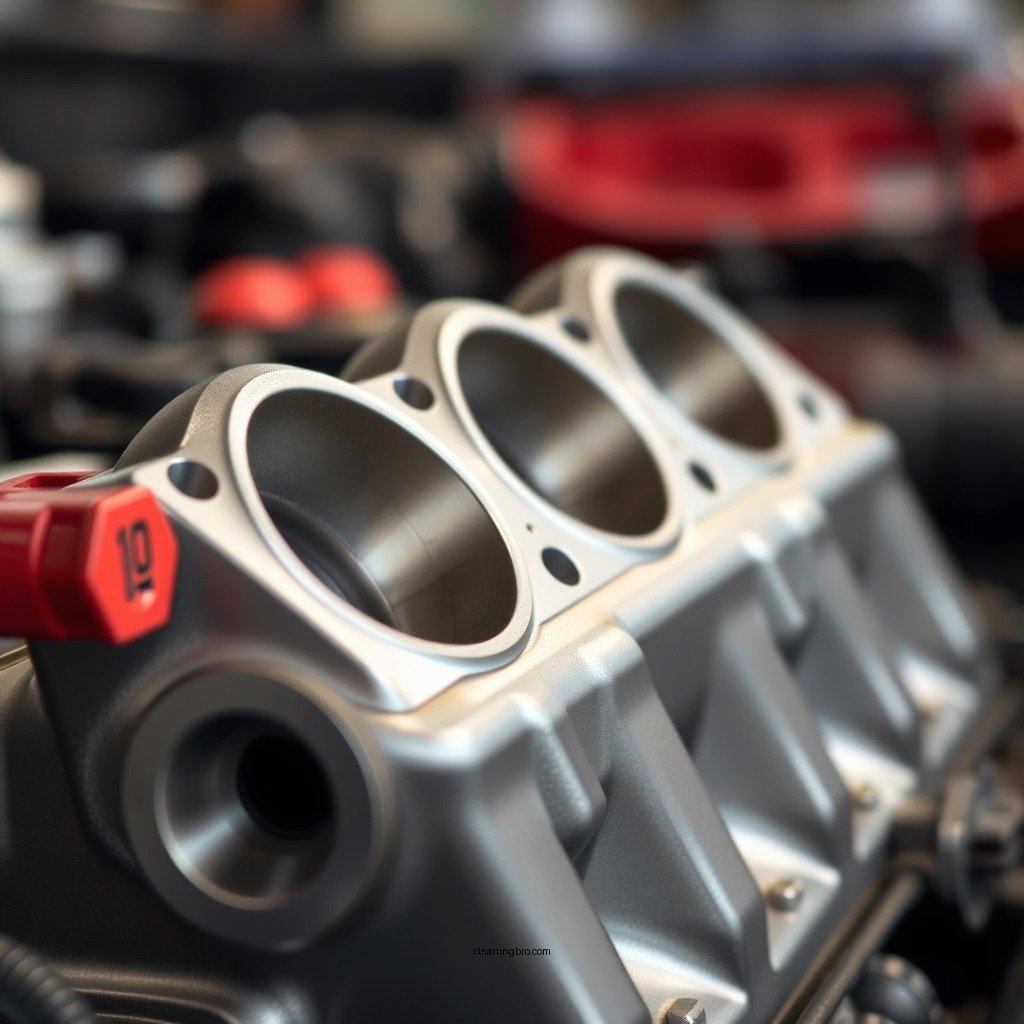
To clean an aluminum intake manifold effectively, you will need the following tools and materials:
– Cleaning Solvents: Choose solvents specifically formulated for aluminum to prevent any damage. Common options include carburetor cleaners and specialized intake manifold cleaners.
– Soft Brushes: Use soft-bristled brushes to gently scrub away grime without scratching the aluminum surface.
– Rags: Have plenty of clean rags on hand for wiping down surfaces and removing cleaning solution.
– Vacuum Cleaner: A vacuum will help remove loose debris and dust from the manifold’s interior.
– Safety Gear: Don safety goggles and gloves to protect against splashes from cleaning solvents and debris.
Step-by-Step Cleaning Process

1. Remove the Intake Manifold: Start by disconnecting the air intake, throttle body, and any sensors or wiring attached to the manifold. Carefully remove the manifold from the engine, ensuring all connections are properly detached. Be cautious to avoid damaging gaskets or connectors during this process.
2. Initial Debris Removal: Use a vacuum cleaner to remove loose dirt and debris from the manifold. Then, take a soft brush to scrub the exterior and interior surfaces gently. This step is crucial for loosening any stubborn buildup before applying the cleaning solution.
3. Detailed Inspection: Before applying any cleaning solution, inspect the manifold for cracks or corrosion. If you notice any significant damage, it may be necessary to replace the manifold rather than clean it.
Top 5 Common Carbon Buildup Causes in Intake Manifolds
| # | Cause | Impact on Performance | Frequency of Occurrence |
|---|---|---|---|
| 1 | Poor Fuel Quality | Reduces combustion efficiency | High |
| 2 | Oil Leaks | Increases carbon deposits | Medium |
| 3 | Excessive Idling | Leads to incomplete combustion | High |
| 4 | Engine Oil Quality | Impacts oil combustion | Medium |
| 5 | Poor Air Filtration | Allows dirt into the manifold | High |
Choosing the Right Cleaning Solution
Selecting the appropriate cleaning solution is essential for an effective cleaning process. Here are some options:
– Aluminum-Safe Cleaning Solvent: These solvents ensure the integrity of the aluminum is maintained while effectively breaking down carbon deposits. Look for products labeled as safe for aluminum surfaces.
– Degreasers: Heavy-duty degreasers can be particularly effective for stubborn oil and grease buildup. Ensure the product is compatible with aluminum to avoid etching or discoloration.
– Homemade Solutions: A mixture of vinegar and baking soda can serve as a non-toxic alternative for light cleaning. However, for tougher grime, commercial products are generally more effective.
Cleaning Techniques and Tips
1. Application of Cleaning Solution: Generously apply the chosen cleaning solution to the intake manifold, ensuring even coverage. Allow it to sit for several minutes to enable the solution to penetrate and break down the buildup.
2. Scrubbing: After letting the solution sit, use a soft brush to scrub the manifold gently. Pay special attention to areas with heavy buildup. Avoid using stiff brushes, as they can scratch the aluminum.
3. Rinsing: Rinse the manifold thoroughly with clean water to remove all traces of the cleaning solution. Ensure no residue remains, as it can affect performance when the manifold is reinstalled.
4. Drying: After rinsing, dry the manifold completely using clean rags. It is crucial to ensure that no moisture remains, as this can lead to corrosion or other issues when the manifold is reattached.
Drying and Reinstallation
Once the intake manifold is clean and dry, it’s time to reattach it to the engine:
1. Inspect Gaskets: Before reinstalling the manifold, check the gaskets for wear or damage. Replace any that appear compromised to prevent leaks.
2. Reattach Carefully: Align the manifold properly and reattach it, ensuring all connections are secure. Use a torque wrench to tighten bolts to the manufacturer’s specifications to avoid warping.
3. Final Checks: After reinstallation, reconnect the battery and start the engine. Check for any leaks or irregular sounds, which could indicate improper installation.
Maintenance Tips for Longevity
To prolong the life of your intake manifold and ensure optimal performance, consider the following maintenance tips:
– Regular Inspections: Perform visual inspections every few months to check for signs of carbon buildup or leaks. Catching issues early can save you from extensive repairs down the line.
– Scheduled Cleanings: Depending on your driving habits and fuel quality, aim to clean the intake manifold every 10,000 to 30,000 miles, or as recommended by your vehicle’s manufacturer.
– Monitor Performance: Keep an eye on engine performance, including fuel consumption and responsiveness. Any significant changes may indicate a buildup issue that requires immediate attention.
By following these steps, you can effectively clean your aluminum intake manifold and maintain your engine’s peak performance. Gather all necessary tools and materials before starting the process, and consider implementing a regular maintenance schedule to prevent future buildup. Cleaning your intake manifold not only enhances performance but also contributes to the overall health and longevity of your engine components.
Frequently Asked Questions
What are the best methods for cleaning an aluminum intake manifold?
The best methods for cleaning an aluminum intake manifold include using a degreaser, hot soapy water, or specialized aluminum cleaner. For tough deposits, consider using a wire brush or scrubbing pad, but be cautious to avoid scratching the surface. After initial cleaning, rinse thoroughly and dry to prevent corrosion.
How do I remove and clean an aluminum intake manifold effectively?
To remove and clean an aluminum intake manifold effectively, first disconnect the battery and remove any electrical connections or hoses attached to the manifold. Take off the manifold bolts in a crisscross pattern to avoid warping, then gently pry it off. Clean the manifold using a combination of solvent and a soft brush, ensuring all old gasket material is removed before reinstalling.
Why is it important to clean an aluminum intake manifold?
Cleaning an aluminum intake manifold is crucial because it ensures optimal airflow and engine performance. Carbon buildup and dirt can restrict airflow, leading to decreased efficiency and potential engine misfires. Regular cleaning helps maintain engine health and prolongs the lifespan of the manifold.
Which products are recommended for cleaning aluminum intake manifolds?
Recommended products for cleaning aluminum intake manifolds include non-corrosive degreasers, aluminum-safe cleaners, and engine cleaning solvents. Brands like Simple Green and Berryman B-12 Chemtool are popular choices among automotive enthusiasts. Always ensure the product is safe for aluminum surfaces to avoid damage.
How often should I clean my aluminum intake manifold?
It is advisable to clean your aluminum intake manifold every 30,000 miles or during major engine service intervals. However, if you notice performance issues such as rough idling or decreased acceleration, it may be wise to inspect and clean it sooner. Regular maintenance helps prevent buildup and keeps your engine running smoothly.
References
- Inlet manifold
https://en.wikipedia.org/wiki/Intake_manifold - https://www.sciencedirect.com/topics/engineering/intake-manifold
https://www.sciencedirect.com/topics/engineering/intake-manifold - https://pubmed.ncbi.nlm.nih.gov/31949433/
https://pubmed.ncbi.nlm.nih.gov/31949433/ - Intake manifold | engineering | Britannica
https://www.britannica.com/technology/intake-manifold - Google Scholar Google Scholar
https://scholar.google.com/scholar?q=cleaning+aluminum+intake+manifold - Google Scholar Google Scholar
https://scholar.google.com/scholar?q=aluminum+intake+manifold+maintenance - Google Scholar Google Scholar
https://scholar.google.com/scholar?q=automotive+intake+manifold+cleaning - https://www.enginebuildermag.com/2020/09/cleaning-aluminum-intake-manifolds/
https://www.enginebuildermag.com/2020/09/cleaning-aluminum-intake-manifolds/ - Google Scholar Google Scholar
https://scholar.google.com/scholar?q=how+to+clean+a+aluminum+intake+manifold - https://en.wikipedia.org/wiki/Special:Search?search=how+to+clean+a+aluminum+intake+manifold
https://en.wikipedia.org/wiki/Special:Search?search=how+to+clean+a+aluminum+intake+manifold