How to Clean an Antifreeze Spill: Step-by-Step Guide
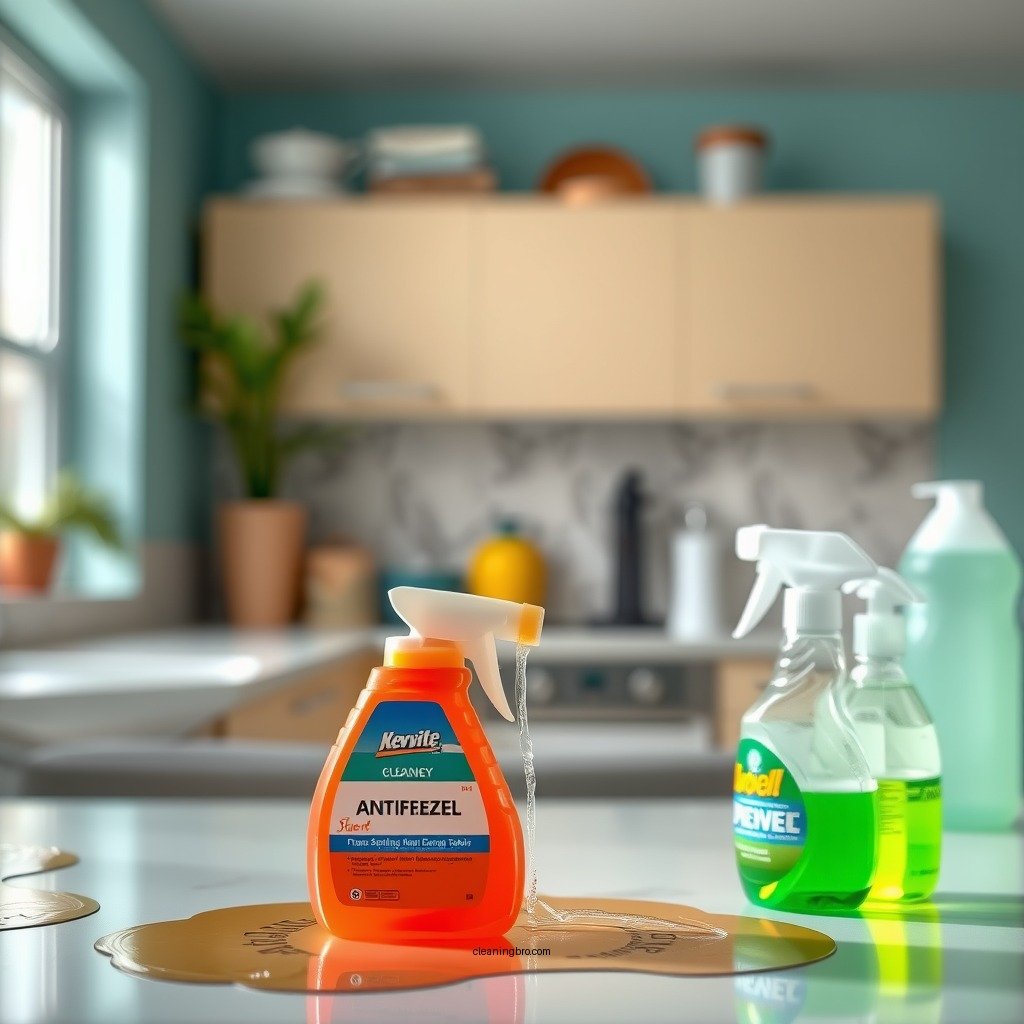
Cleaning an antifreeze spill is crucial for both safety and environmental protection. Antifreeze, primarily composed of ethylene glycol or propylene glycol, poses significant risks if not handled properly. To effectively clean up an antifreeze spill, you should first contain the spill, absorb the fluid, and then dispose of it according to local regulations. This guide outlines best practices for addressing antifreeze spills, ensuring your safety and the well-being of the environment.
Understanding Antifreeze and Its Risks
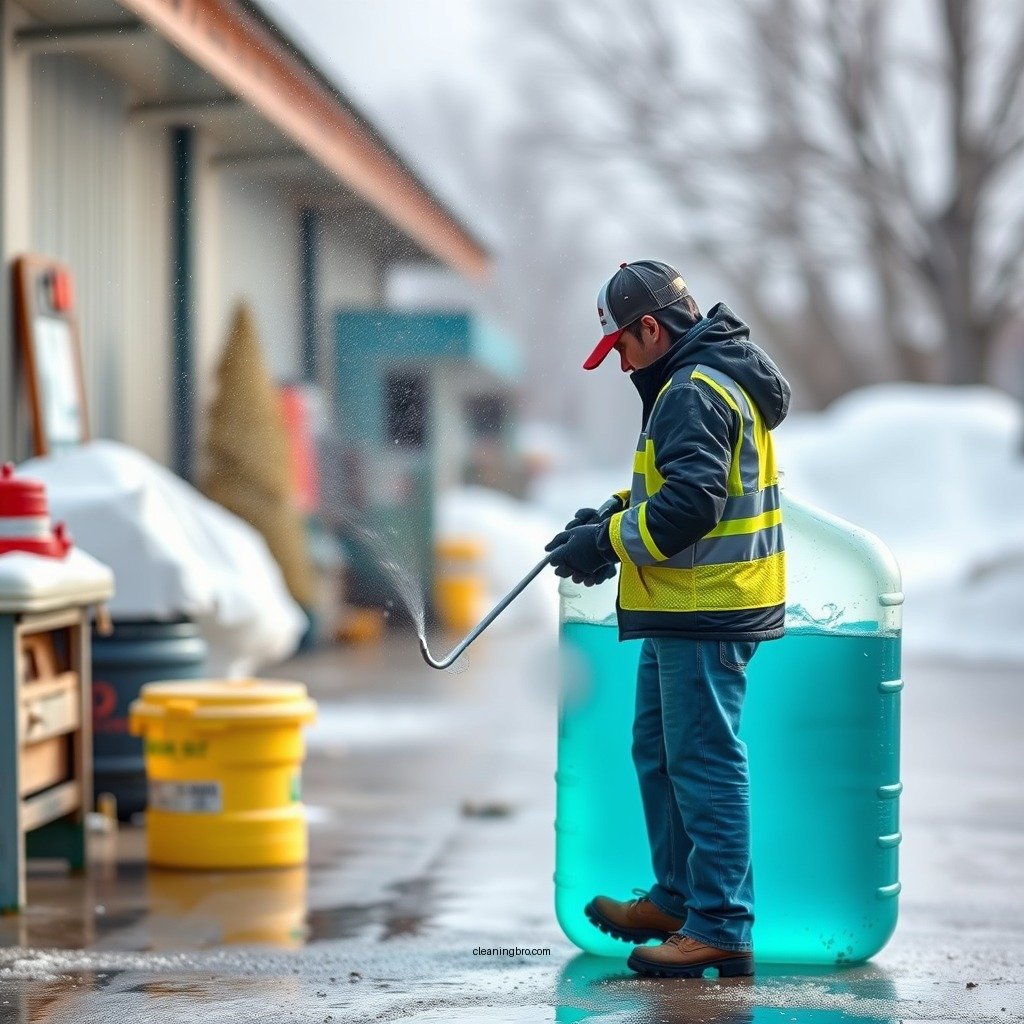
Antifreeze is a vital component in vehicle maintenance, preventing the engine from freezing in cold temperatures and protecting it from corrosion. However, its chemical composition includes toxic substances that can be harmful to pets and wildlife. Ethylene glycol, for example, is sweet-tasting and can be particularly dangerous if ingested, leading to severe health complications or even death in animals. Additionally, antifreeze can contaminate soil and water sources if not cleaned up correctly, contributing to broader environmental pollution. Thus, acting quickly and responsibly when a spill occurs is essential to prevent further contamination and accidents.
Gather Necessary Supplies
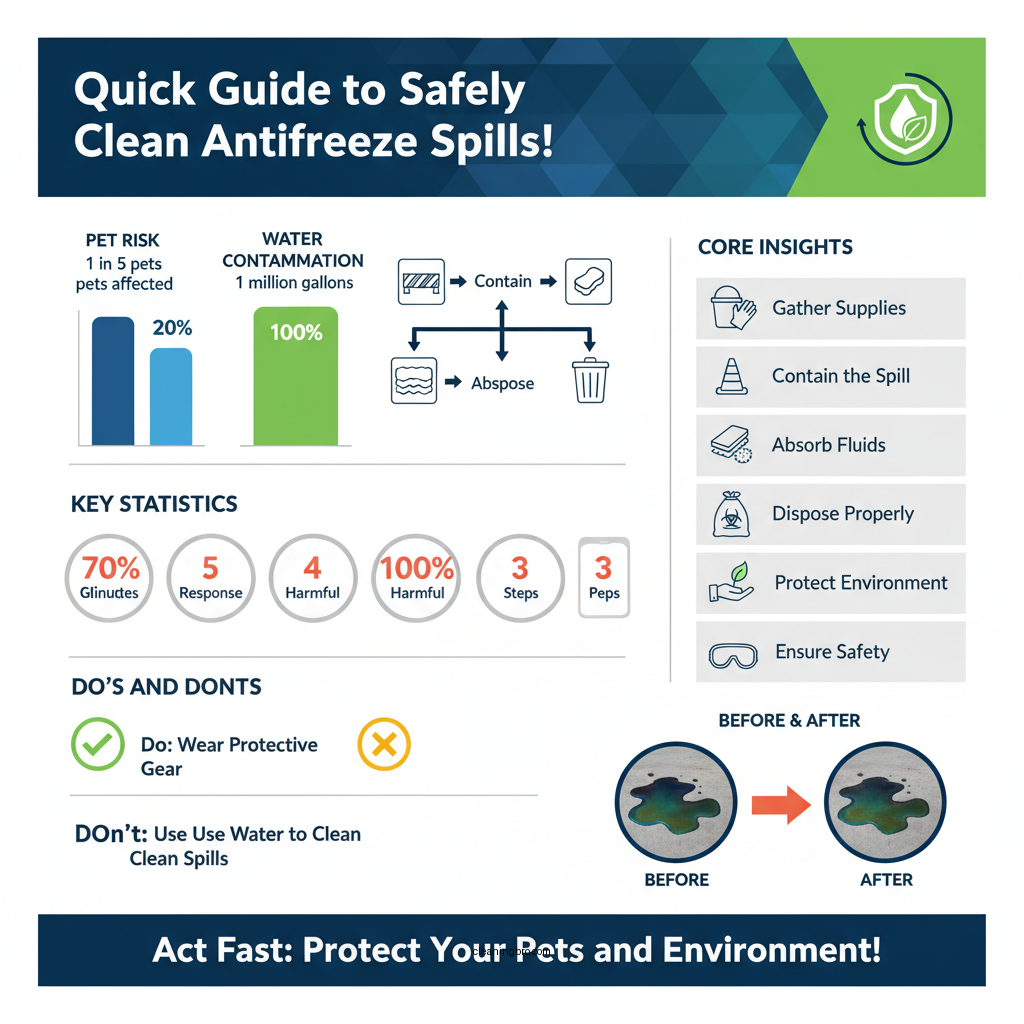

Before addressing an antifreeze spill, it is imperative to gather the necessary supplies. Preparing your cleanup kit in advance can streamline the process and enhance safety. Here is a list of items you should collect:
– Absorbent materials: Absorbent pads, kitty litter, or a commercial absorbent product specifically designed for hazardous spills.
– Protective gear: Gloves, a mask, and safety goggles to protect your skin, eyes, and respiratory system from toxic exposure.
– Cleaning tools: A bucket for collecting used absorbents and cleaning solutions, a scraper for solid residues, and a broom for sweeping.
– Disposal bags: Heavy-duty trash bags to contain and transport contaminated materials safely.
Containing the Spill
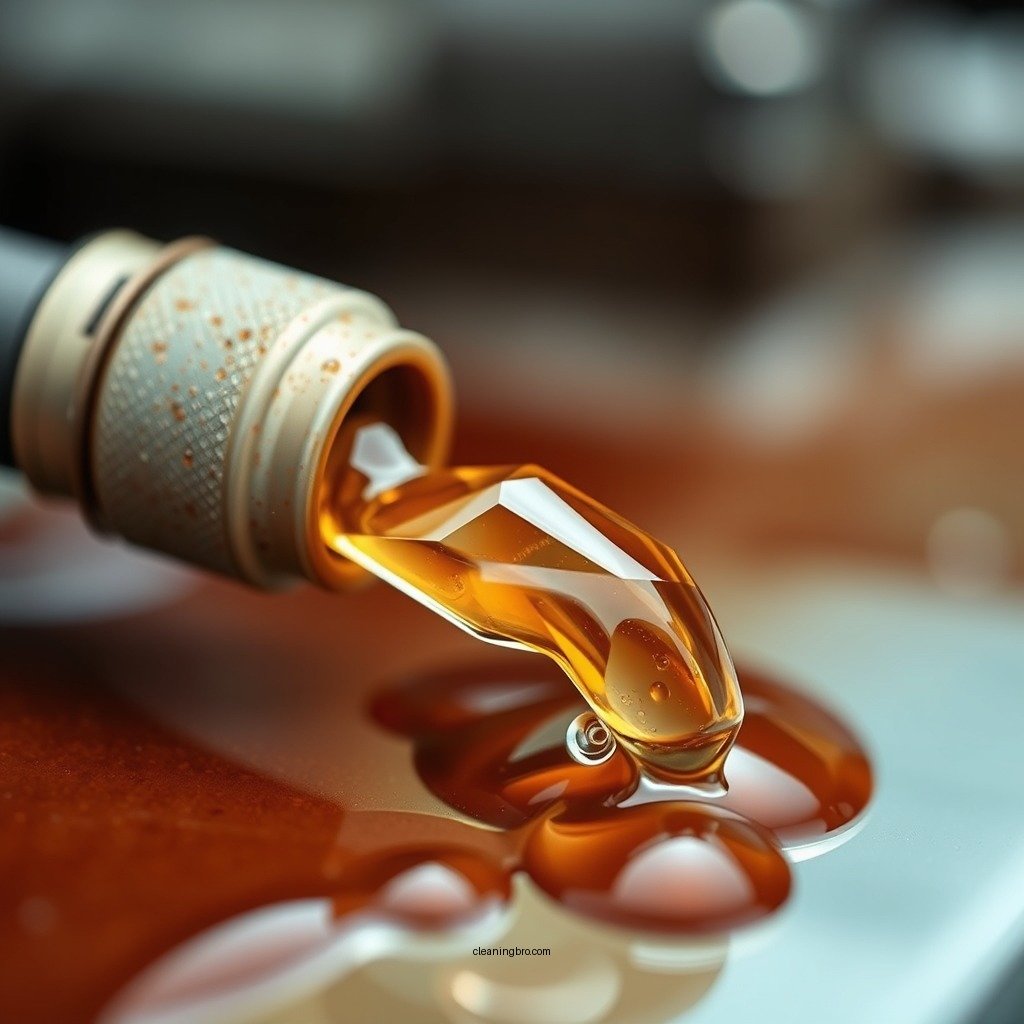
The first step in managing an antifreeze spill is to contain it. This involves preventing the fluid from spreading further, which can complicate cleanup efforts and increase risks. Here’s how to effectively contain the spill:
– Block off the area: Use cones, tape, or barriers to restrict access to the contaminated area. This step is crucial, especially in public or high-traffic locations, to protect individuals from potential exposure.
– Create a barrier: Utilize absorbent materials to form a barrier around the spill. This could involve placing absorbent pads or a line of kitty litter around the perimeter of the spill to contain it and limit its spread.
Absorbing the Antifreeze
Once the spill is contained, the next step is to absorb the antifreeze. This process will help to minimize its impact on the surrounding environment. Follow these steps for effective absorption:
– Apply absorbent material: Pour or sprinkle a generous amount of your chosen absorbent material directly onto the spill. Ensure that the material completely covers the liquid to maximize absorption.
– Allow time for absorption: Let the absorbent sit for the recommended duration, typically around 15-30 minutes, to ensure it effectively soaks up the antifreeze. During this time, avoid walking through or disturbing the area.
Common Absorbent Materials for Antifreeze Spills
| # | Material | Absorption Capacity (L/kg) | Cost ($/kg) | Eco-Friendly |
|---|---|---|---|---|
| 1 | Kitty Litter | 0.5 | 0.50 | Yes |
| 2 | Absorbent Pads | 1.0 | 1.50 | Yes |
| 3 | Commercial Absorbents | 1.5 | 2.00 | No |
| 4 | Baking Soda | 0.3 | 0.25 | Yes |
| 5 | Sand | 0.8 | 0.15 | Yes |
| 6 | Paper Towels | 0.4 | 0.10 | Yes |
| 7 | Vermiculite | 1.2 | 2.50 | Yes |
Cleaning the Area
After successfully absorbing the antifreeze, the next step is to clean the affected area thoroughly. This is important to eliminate any residual chemicals that could pose a risk. Here’s how to ensure a comprehensive cleanup:
– Scrape up absorbent material: Use a scraper or shovel to collect the used absorbent materials. Place them into a heavy-duty trash bag to prevent any leaks during transport.
– Dispose of the contaminated material: Seal the trash bag tightly and avoid leaving it exposed. Follow local regulations for hazardous waste disposal, as improper disposal can lead to environmental harm.
– Wash the surface: Prepare a cleaning solution of soap and water. Use a mop or cloth to scrub the area vigorously, ensuring that any remaining antifreeze residue is removed. Rinse the surface with clean water afterward.
Safe Disposal of Materials
Disposing of antifreeze and contaminated materials correctly is perhaps the most critical aspect of the cleanup process. Improper disposal can have severe environmental consequences. Follow these guidelines for safe disposal:
– Check local regulations: Disposal methods for antifreeze can vary based on local laws. Always check with your local waste management authority for specific guidelines regarding hazardous materials.
– Utilize recycling centers: Many areas have designated centers for the recycling and disposal of hazardous materials, including antifreeze. Transport your sealed bagged materials to one of these facilities to ensure they are handled properly.
– Avoid pouring down drains or onto the ground: Never dispose of antifreeze in sinks, toilets, or on the ground, as this can contaminate water supplies and harm local wildlife.
Preventing Future Spills
Preventative measures are essential to reducing the likelihood of antifreeze spills in the future. Here are some best practices to consider:– Regular vehicle maintenance: Schedule routine inspections of your vehicle’s cooling system. Address any leaks or issues promptly to prevent future spills.
– Secure storage: Store antifreeze in tightly sealed containers and keep them in secure locations away from pets and children. This minimizes the risk of accidental spills and ingestion.
– Educate others: If you have family members or employees who work around vehicles, educate them on the importance of handling antifreeze safely and the steps to take in case of a spill.
Cleaning an antifreeze spill requires prompt action and proper techniques to ensure safety and environmental protection. By following the outlined steps, you can effectively handle spills and prevent potential hazards. Always keep essential cleaning supplies handy and stay informed about safe practices for dealing with antifreeze to protect both your health and the environment.
Frequently Asked Questions
What is the best way to clean an antifreeze spill on concrete?
The best way to clean an antifreeze spill on concrete is to first absorb the liquid with an absorbent material like cat litter or sawdust. After that, sweep up the material and wash the area with warm, soapy water. A mixture of vinegar and water can also help neutralize the antifreeze odor and remove any remaining residue.
How do I safely dispose of antifreeze after cleaning a spill?
After cleaning an antifreeze spill, it’s essential to dispose of the antifreeze safely. Many local waste management facilities offer hazardous waste disposal services specifically for antifreeze. Check with your local authorities for proper guidelines and ensure you’re following environmental regulations to avoid contamination.
Why is it important to clean up antifreeze spills immediately?
Cleaning up antifreeze spills immediately is important because antifreeze is toxic to pets, wildlife, and humans. Delaying cleanup increases the risk of accidental ingestion, which can lead to serious health issues. Additionally, a quick response helps prevent stains and damage to surfaces, ensuring a safer environment.
Which materials are effective for absorbing antifreeze spills?
Effective materials for absorbing antifreeze spills include cat litter, baking soda, and sawdust. These materials can soak up the liquid quickly, making cleanup easier. After absorption, it’s crucial to follow up with a soap and water solution to ensure the area is thoroughly cleaned.
What should I wear when cleaning up an antifreeze spill?
When cleaning up an antifreeze spill, it’s advisable to wear gloves, goggles, and a mask to protect yourself from skin contact and inhalation of fumes. Antifreeze can be harmful, so using protective gear ensures your safety during the cleanup process. Additionally, consider wearing old clothes that you don’t mind getting stained.
References
- https://www.cdc.gov/niosh/topics/antifreeze.html
https://www.cdc.gov/niosh/topics/antifreeze.html - https://www.epa.gov/sites/default/files/2015-09/documents/antifreeze.pdf
https://www.epa.gov/sites/default/files/2015-09/documents/antifreeze.pdf - https://www.ncbi.nlm.nih.gov/pmc/articles/PMC7326796/
https://www.ncbi.nlm.nih.gov/pmc/articles/PMC7326796/ - https://www.who.int/news-room/fact-sheets/detail/ethylene-glycol
https://www.who.int/news-room/fact-sheets/detail/ethylene-glycol - Toxicological Profiles | ATSDR
https://www.atsdr.cdc.gov/ToxProfiles/tp100.html - https://www.sciencedirect.com/science/article/pii/S0160412019312207
https://www.sciencedirect.com/science/article/pii/S0160412019312207 - Ethylene glycol | Properties, Uses, & Structure | Britannica
https://www.britannica.com/science/ethylene-glycol - Google Scholar Google Scholar
https://scholar.google.com/scholar?q=how+to+clean+antifreeze+spill - Google Scholar Google Scholar
https://scholar.google.com/scholar?q=antifreeze+spill+cleanup+methods - Google Scholar Google Scholar
https://scholar.google.com/scholar?q=ethylene+glycol+spill+cleaning+guidelines