How to Clean an Empty Fish Tank: Step-by-Step Guide
Cleaning an empty fish tank is a straightforward process that involves a series of essential steps to ensure it’s ready for use again. Proper cleaning not only maintains the aesthetics of the tank but also prepares it for the safe introduction of fish or aquatic plants. In this article, you’ll learn how to effectively clean your fish tank, including the right tools and techniques to make the job easy and efficient.
Gather Necessary Cleaning Supplies
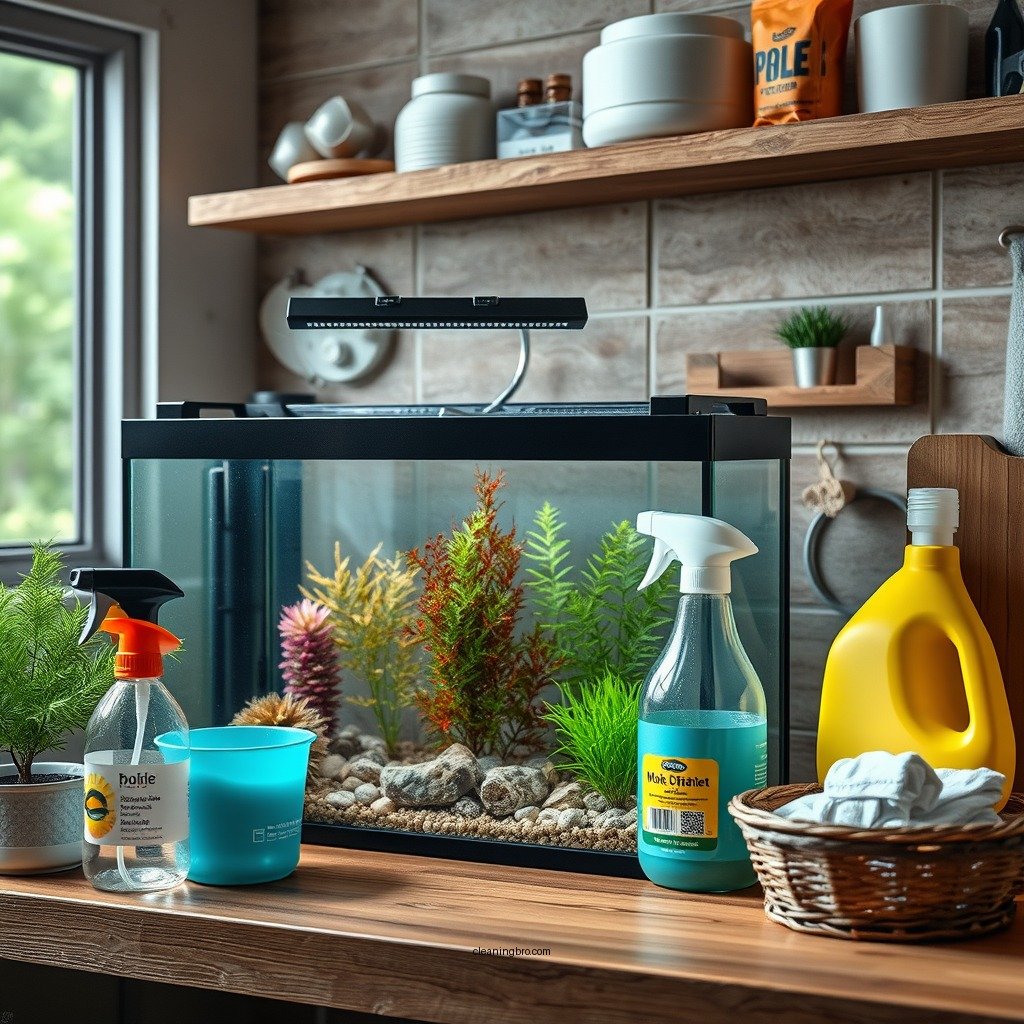
Before you begin the cleaning process, it’s crucial to gather all necessary supplies. Here’s a list of items you will need:
– Fish tank cleaning solution or vinegar: These are effective for disinfecting and removing stubborn stains or algae.
– Soft cloths or sponges: Choose non-abrasive materials to avoid scratching the glass.
– A bucket: This will be useful for rinsing and holding water during the cleaning process.
In addition to these primary supplies, you might also consider having a few extra items on hand, such as an old toothbrush for scrubbing tight corners and a vacuum for removing debris from the substrate. Having everything ready will streamline the cleaning process, making it more efficient and less time-consuming.
Remove All Decorations and Equipment
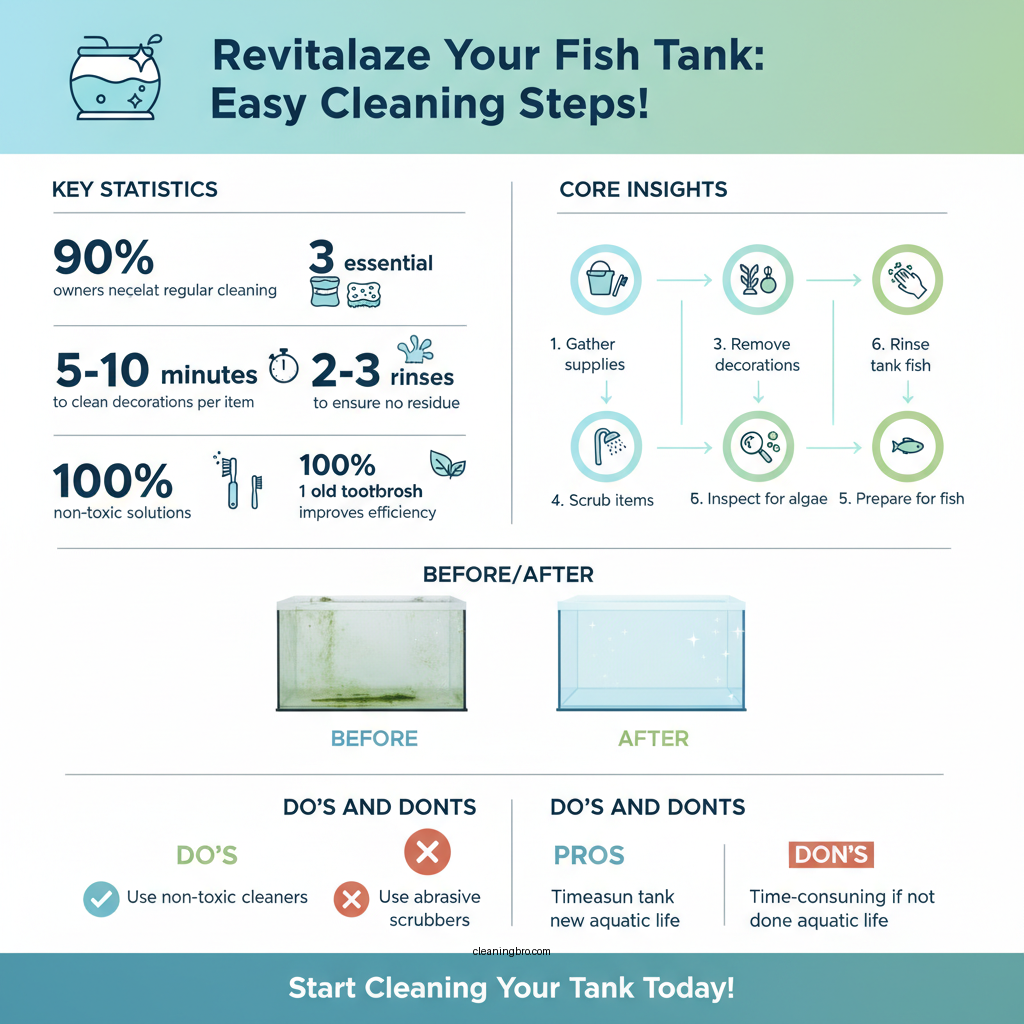
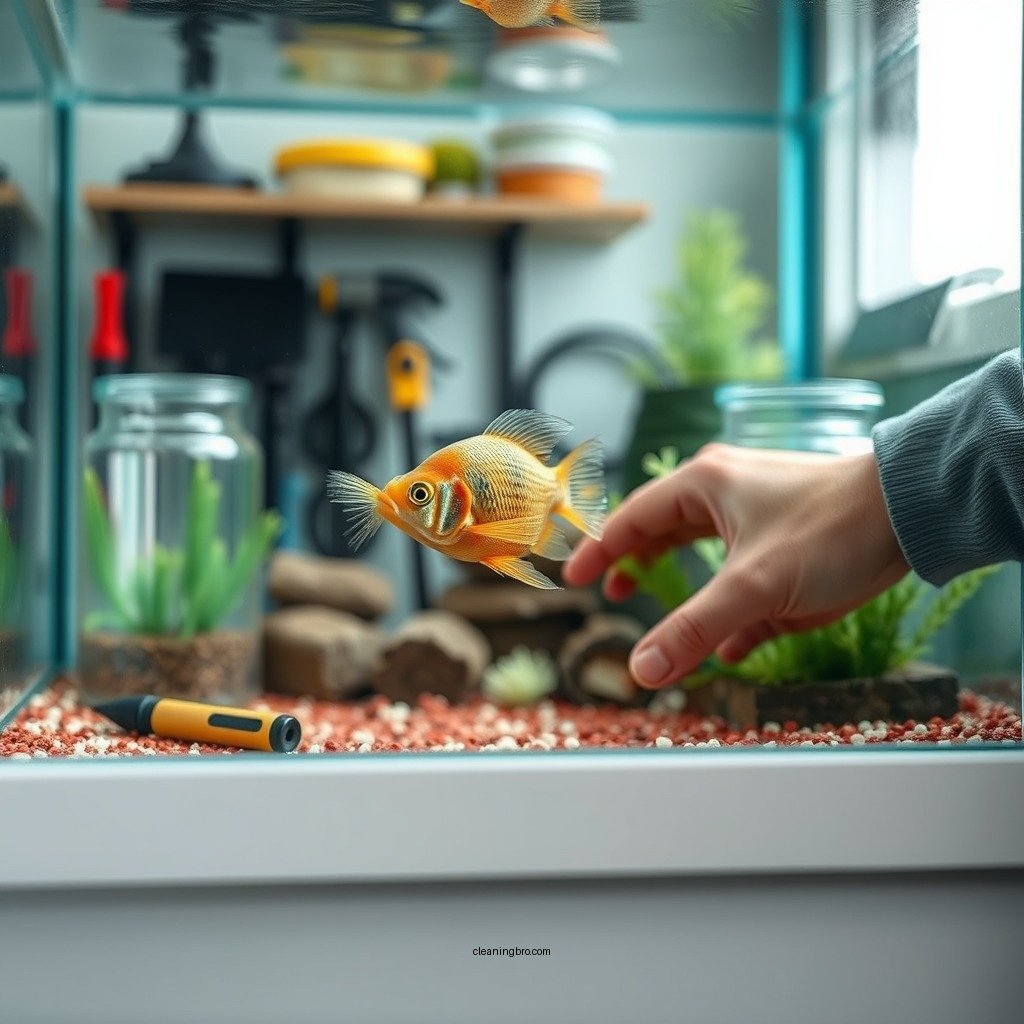
The next step involves taking out all decorations and equipment from the tank:
– Take out gravel, plants, and ornaments: Remove everything that you have inside the tank, including gravel, artificial plants, and any ornaments or rocks.
– Clean each item separately: Use the fish tank cleaning solution or vinegar to scrub each item. This will help remove any algae and debris that may have accumulated on the surfaces. Rinse them thoroughly with clean water to ensure no cleaning solution remains.
It’s important to note that if you have live plants or delicate decorations, ensure that the cleaning method you use is safe for them. Rinse them gently to avoid any damage.
Clean the Tank Interior
With all the items removed, it’s time to focus on the tank’s interior:
– Use a non-toxic cleaner or vinegar: Apply your chosen cleaning solution to the interior glass surfaces. A soft sponge or cloth can be used for scrubbing. Pay special attention to any visible stains or algae growth.
– Rinse thoroughly with water: After scrubbing, rinse the interior with clean water multiple times to eliminate any residue from the cleaning products. It’s vital to ensure that no chemical traces remain, as these can be harmful to aquatic life.
Regular interior cleaning is essential, especially if the tank has been used for a significant period. This not only prepares the tank for future use but also prevents the buildup of harmful substances.
Clean the Tank Exterior
Once the interior is sparkling clean, turn your attention to the exterior of the tank:
– Wipe down the outside of the tank: Use a soft cloth to clean the front, back, and sides of the tank. This will remove fingerprints, dust, and any water spots that may have formed over time.
– Pay special attention to the edges and corners: These areas often accumulate dust and grime. A soft, damp cloth should suffice, but you can use a little vinegar if needed.
A clean exterior enhances the overall appearance of your tank, making it more inviting and visually appealing.
Rinse and Dry the Tank
After both the interior and exterior have been cleaned, it’s important to rinse and dry the tank properly:
– Fill the tank with fresh water: After cleaning, fill the tank partially with fresh water and swish it around to rinse any remaining cleaning solution.
– Allow the tank to air dry completely: It is essential to ensure that the tank is completely dry before reassembling. This prevents any moisture that could lead to mold or bacteria growth.
Taking the time to dry the tank properly ensures that when you set it up again, it will be in the best condition possible.
Reassemble and Prepare for Use
With the tank cleaned and dried, you can now reassemble it:
– Replace gravel, decorations, and equipment back into the tank: Ensure that all items are clean and free of debris before placing them back in the tank.
– Double-check the cleanliness of all items: It’s wise to ensure everything is spotless, as introducing dirty items can contaminate the tank.
This step is crucial for maintaining a healthy environment for your fish or plants. A well-set tank can also enhance the overall aesthetic of your space.
Final Checks and Maintenance Tips
Before filling the tank with water, there are a few final checks and maintenance tips to keep in mind:
– Check for any signs of wear or damage: Inspect the tank for cracks or weaknesses that could lead to leaks when filled with water.
– Regular cleaning schedules will help maintain the tank’s condition in the future: Establish a routine cleaning schedule, ideally every few weeks, to prevent buildup and maintain water quality.
By adhering to a regular maintenance schedule, you can keep your tank in excellent condition and ensure a healthy environment for your aquatic life.
Common Fish Tank Cleaning Supplies Comparison
| # | Cleaning Supply | Type | Effectiveness | Safety Rating |
|---|---|---|---|---|
| 1 | Vinegar | Natural | High | Safe |
| 2 | Commercial Cleaner | Chemical | Medium | Caution |
| 3 | Soft Sponge | Tool | High | Safe |
| 4 | Bucket | Tool | Medium | Safe |
| 5 | Toothbrush | Tool | High | Safe |
| 6 | Gloves | Safety Gear | N/A | Safe |
| 7 | Scrub Brush | Tool | Medium | Caution |
Fish Tank Cleaning Frequency Recommendations
Cleaning an empty fish tank doesn’t have to be a daunting task. By following these steps, you’ll have a sparkling clean tank ready for your fish or aquatic plants. Remember to use safe cleaning materials and take your time to ensure everything is spotless. Now that you have a clear plan, go ahead and get started on revitalizing your fish tank!
Frequently Asked Questions
How do I clean an empty fish tank properly?
To clean an empty fish tank, start by removing any decorations and substrate. Use a soft sponge or cloth to scrub the interior surfaces with warm water, avoiding harsh chemicals. Rinse thoroughly to ensure no residue remains, and allow the tank to air dry completely before reassembling.
What supplies do I need to clean an empty fish tank?
To clean an empty fish tank effectively, you will need a soft sponge or cloth, a bucket of warm water, aquarium-safe cleaner (if necessary), and a scrub brush for tougher stains. A siphon or vacuum can also be useful for removing substrate and debris if needed.
Why is it important to clean an empty fish tank before refilling it?
Cleaning an empty fish tank before refilling is crucial to eliminate any harmful bacteria, algae, or residues that could affect the health of future fish. A thorough clean ensures a safe and healthy environment for your aquatic pets, promoting better water quality and overall tank hygiene.
What is the best method to remove stubborn stains from an empty fish tank?
The best method to remove stubborn stains from an empty fish tank is to use a mixture of vinegar and water or a specialized aquarium cleaner that is safe for fish. Apply the solution to the stained areas and let it sit for a few minutes before scrubbing gently with a soft sponge, then rinse well to avoid any chemical traces.
Which areas of the fish tank require extra attention during cleaning?
During cleaning, pay extra attention to the corners, substrate, and any decorative items where algae and debris tend to accumulate. Additionally, inspect the filter and heater components to ensure they are free from buildup, as these areas can harbor harmful substances if not cleaned properly.
References
- Aquarium
https://en.wikipedia.org/wiki/Fish_tank - https://www.ncbi.nlm.nih.gov/pmc/articles/PMC5497228/
https://www.ncbi.nlm.nih.gov/pmc/articles/PMC5497228/ - https://www.mayoclinic.org/healthy-lifestyle/consumer-health/in-depth/cleaning-your-home/art-20045057
https://www.mayoclinic.org/healthy-lifestyle/consumer-health/in-depth/cleaning-your-home/art-20045057 - https://www.sciencedirect.com/topics/agricultural-and-biological-sciences/aquarium-cleaning
https://www.sciencedirect.com/topics/agricultural-and-biological-sciences/aquarium-cleaning - Aquarium | Setup, Fish & Supplies | Britannica
https://www.britannica.com/animal/aquarium - https://www.nature.com/articles/s41598-020-70816-4
https://www.nature.com/articles/s41598-020-70816-4 - Google Scholar Google Scholar
https://scholar.google.com/scholar?q=how+to+clean+an+empty+fish+tank - Google Scholar Google Scholar
https://scholar.google.com/scholar?q=fish+tank+cleaning+methods - Google Scholar Google Scholar
https://scholar.google.com/scholar?q=aquarium+maintenance - https://www.aaas.org/news/how-care-your-aquarium-fish
https://www.aaas.org/news/how-care-your-aquarium-fish