How to Clean an IBC Tote: Step-by-Step Guide
Cleaning an IBC tote is crucial for maintaining its integrity and ensuring the safe storage and transport of liquids. This process typically involves draining any remaining contents, rinsing the interior thoroughly, and then sanitizing to prevent contamination. In this guide, you’ll learn effective steps to clean your IBC tote thoroughly, ensuring it is ready for its next use.
Understanding IBC Totes
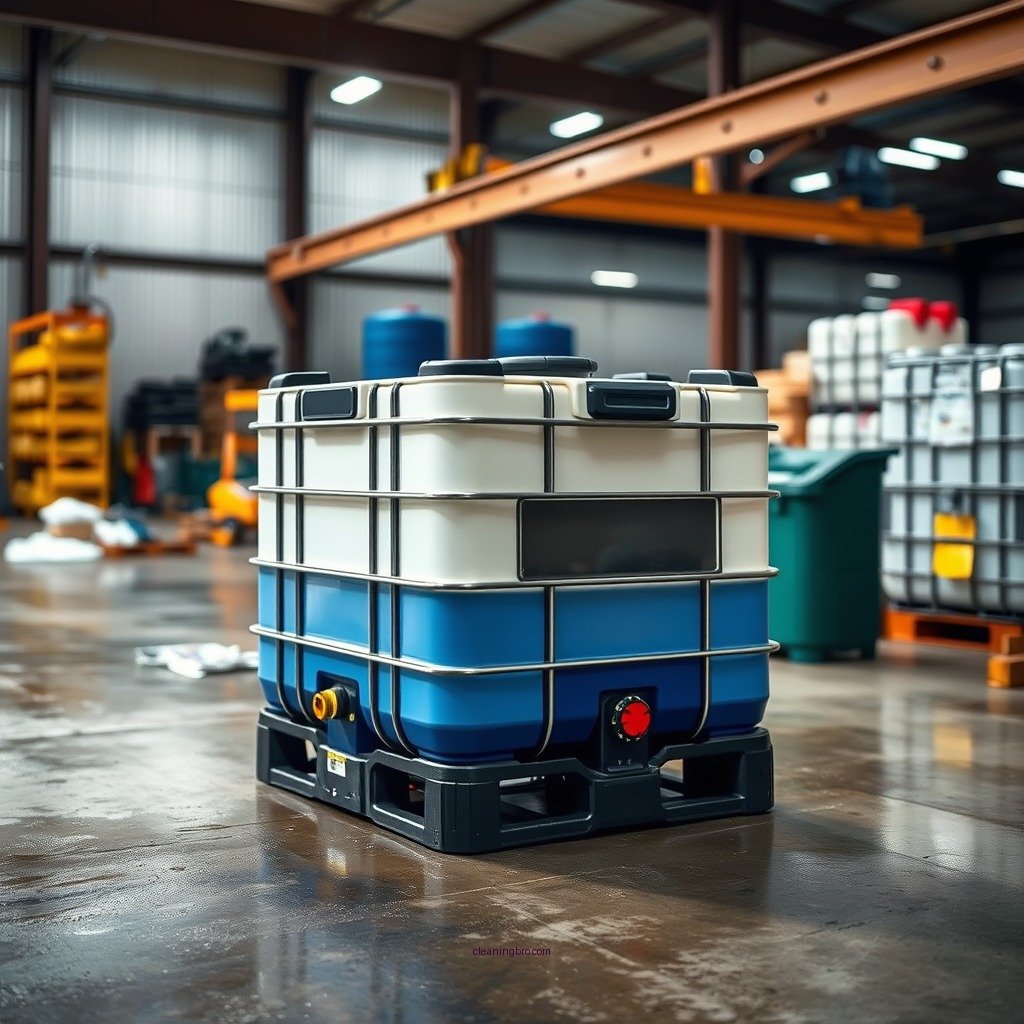
Intermediate Bulk Containers (IBCs) are widely used for the storage and transportation of liquids, including chemicals, food products, and hazardous materials. These containers are designed to be reusable and are often constructed from durable materials such as high-density polyethylene (HDPE) or metal. The choice of material can significantly influence the cleaning method applied. For instance, plastic IBCs may withstand certain cleaning agents that could corrode metal containers. Understanding the specific type of IBC tote you are working with is essential for selecting the most effective cleaning strategy.
Types of IBC Totes:
– Plastic IBC Totes: Lightweight and corrosion-resistant, ideal for non-hazardous materials.
– Metal IBC Totes: More robust, suitable for hazardous chemicals, but require careful cleaning to avoid rust and degradation.
– Composite IBC Totes: Feature a plastic inner tank and a metal outer cage, combining benefits from both materials.
Safety Precautions
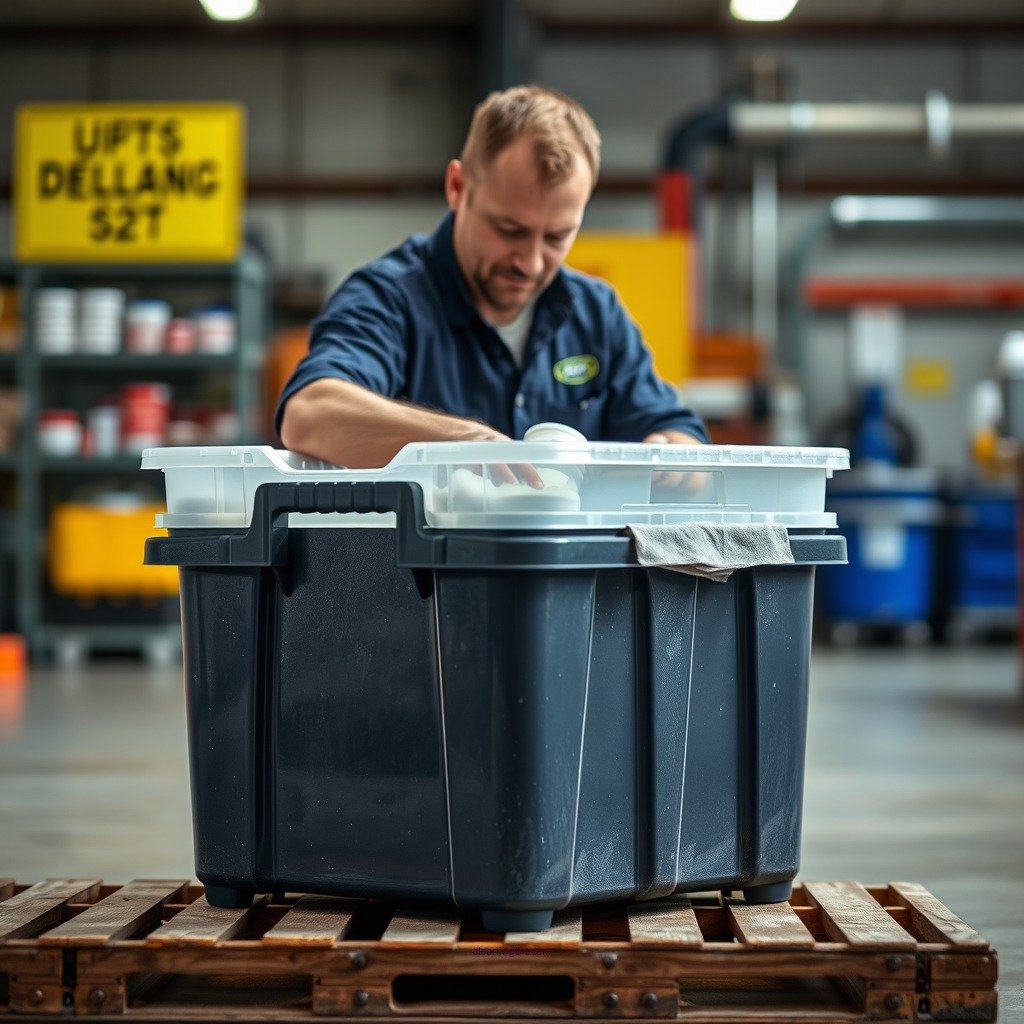
Before embarking on the cleaning process, it’s crucial to prioritize safety. Here are essential precautions to take:
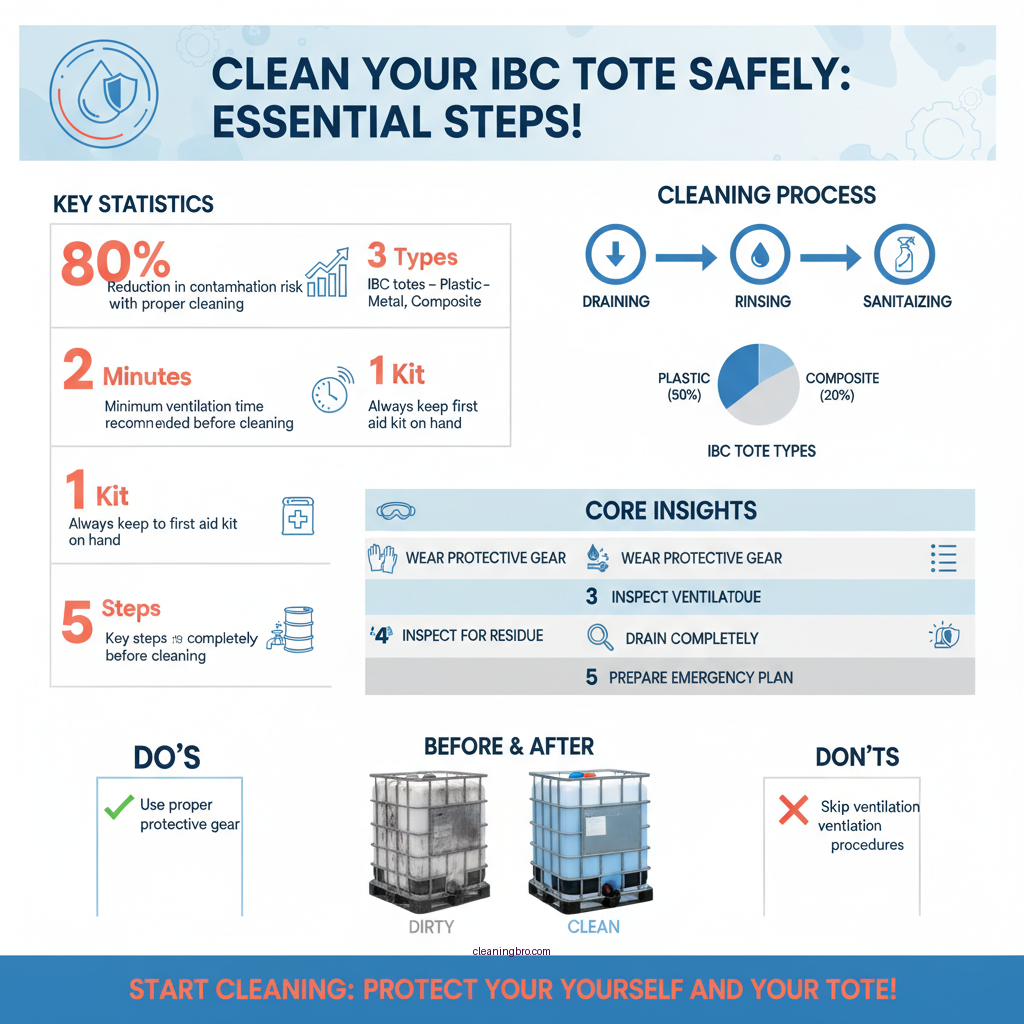
– Protective Gear: Always wear appropriate protective gear, including gloves, goggles, and a mask, to safeguard against potential chemical exposure and residues.
– Ventilation: Ensure you are in a well-ventilated area. This helps avoid inhalation of any harmful vapors that may arise from cleaning agents or residual contents.
– Emergency Equipment: Keep a first aid kit and an emergency plan ready in case of accidental spills or exposure.
By taking these precautions, you can create a safe cleaning environment and mitigate potential risks associated with handling IBC totes.
Draining the Tote
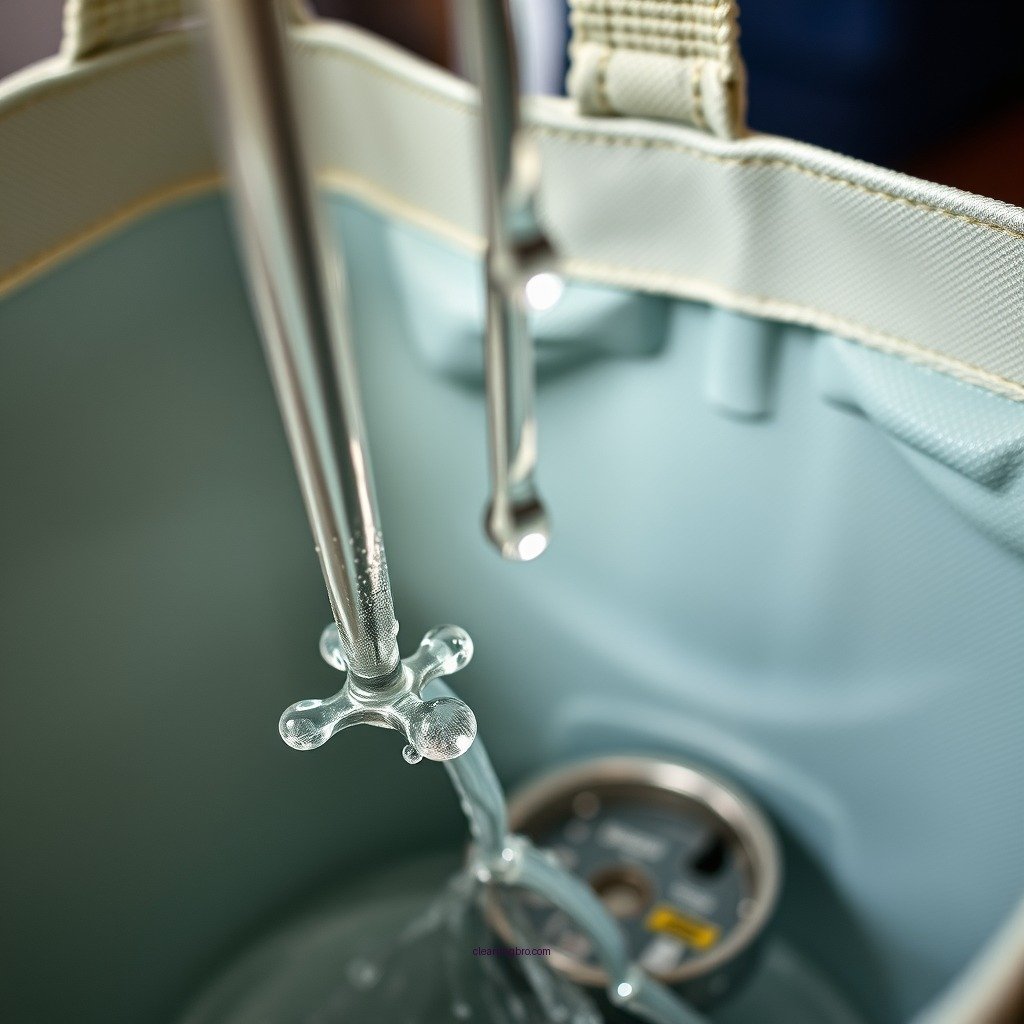
The first step in the cleaning process is to ensure the tote is completely drained of its contents. Here’s how to do it effectively:
– Empty the Tote: Open the outlet valve and let any remaining liquid flow out completely. If the contents are viscous or thick, using a pump or siphon can facilitate efficient draining.
– Inspect for Residue: After draining, visually inspect the interior for any remaining residues. This is especially important if the tote previously held different types of substances.
Proper draining sets the stage for effective cleaning, making the subsequent steps more manageable.
Rinsing the Interior
Once the tote is emptied, the next step is rinsing its interior to remove any remaining residues or contaminants.
– Initial Rinse: Fill the tote with clean water, then agitate it by swishing the water around. This action helps dislodge any stuck residues.
– Drain and Repeat: After the initial rinse, drain the water. Repeat this process at least two to three times. This multi-step rinsing is vital for ensuring the tote is free from any lingering contaminants or smells.
For best results, consider using warm water if the residues are particularly stubborn, as heat can help dissolve certain substances more effectively.
Sanitizing the Tote
Sanitizing is a critical step in ensuring that your IBC tote is free from harmful bacteria and pathogens. Here’s how to do it:
– Choose a Sanitizing Solution: Prepare a suitable sanitizing solution. A common choice is a diluted bleach solution (1 cup of bleach per 5 gallons of water) or a food-safe sanitizer if the tote is used for food products. Always ensure the chosen solution is compatible with the tote’s material.
– Application: Pour the sanitizing solution into the tote and ensure the entire interior surface is coated. Use a brush if necessary to scrub stubborn areas.
– Soak Time: Allow the solution to sit for a minimum of 10-15 minutes, as this contact time is essential for effective sanitization.
– Final Rinse: After soaking, rinse the tote thoroughly with clean water to remove any residual sanitizer. This step is crucial to prevent contamination during future use.
Proper sanitization ensures that the tote is not only clean but also safe for storing any future contents.
Drying and Storing
After cleaning and sanitizing, proper drying and storage are essential to maintain the integrity of the IBC tote.
– Air Drying: Allow the tote to air dry completely. Place it in a clean, dry area with good airflow. Avoid stacking wet totes, as this can promote mold growth.
– Storage Conditions: Ensure the tote is stored in a location that is protected from extreme temperatures and direct sunlight, as these conditions can degrade the materials over time.
Proper drying and storage practices will extend the life of your IBC tote and ensure it remains ready for its next use.
Maintenance Tips
To maintain the longevity and functionality of your IBC tote, consider implementing the following maintenance tips:
– Regular Inspections: Periodically check your IBC totes for signs of wear, damage, or leaks. Addressing these issues promptly can prevent more significant problems down the road.
– Routine Cleaning: Clean the tote after each use, especially when switching between different types of liquids. This habit prevents cross-contamination and ensures optimal performance.
– Proper Usage: Use the tote for its intended purpose, and avoid exceeding its maximum capacity to ensure structural integrity.
By following these maintenance tips, you can prolong the life of your IBC tote and maintain its efficacy for future uses.
📋 DATA
Top 7 IBC Tote Manufacturers by Market Share (2024)
| # | Manufacturer | Market Share (%) | Founded | Revenue (Million USD) |
|---|---|---|---|---|
| 1 | Schutz Container Systems | 32% | 1970 | $500 |
| 2 | Mauser Packaging Solutions | 25% | 1896 | $450 |
| 3 | Greif, Inc. | 18% | 1877 | $400 |
| 4 | Avery Weigh-Tronix | 12% | 1985 | $275 |
| 5 | Snyder Industries | 8% | 1950 | $200 |
| 6 | Pall Corporation | 4% | 1946 | $150 |
| 7 | Eagle Manufacturing | 1% | 2000 | $50 |
📈 CHART
IBC Tote Cleaning Effectiveness by Method (%)
🔀 COMPARISON
IBC Tote Cleaning Methods: Best Practices
| Feature | ⭐ Manual Cleaning | Chemical Cleaning | Steam Cleaning |
|---|---|---|---|
| Effectiveness | ✅ High | ✅ High | ✅ Moderate |
| Cost | Free | Variable | High |
| Time Required | Moderate | Low | High |
| Chemical Use | ❌ None | ✅ Required | ✅ Required |
| Residue Removal | ✅ Excellent | ✅ Good | ✅ Moderate |
| Health Safety | ✅ High | ✅ Moderate | ✅ Moderate |
| Ease of Use | ✅ User-Friendly | ❌ Requires Training | ❌ Requires Training |
| Sustainability | ✅ Eco-Friendly | ✅ Variable | ❌ Not Eco-Friendly |
| Best For | General Use | Heavy Residues | Industrial Applications |
Maintaining a clean IBC tote is crucial for safe usage and longevity. By following these steps, you can ensure your tote is ready for its next task. For more tips on proper IBC tote care, consider subscribing to our blog for future updates!
Frequently Asked Questions
What is the best way to clean an IBC tote after use?
The best way to clean an IBC tote is to first drain any remaining liquid and rinse it with water. Use a mixture of hot water and a mild detergent or specialized tank cleaner to scrub the interior thoroughly. Rinse again to remove all soap residues and allow the tote to dry completely before storing or repurposing.
How do I remove stubborn stains from an IBC tote?
To remove stubborn stains from an IBC tote, start by creating a paste with baking soda and water, applying it to the stained areas. Let it sit for about 30 minutes before scrubbing with a non-abrasive brush. For tough stains, a diluted vinegar solution can also help break down residue without damaging the tote.
Why is it important to clean an IBC tote before refilling it?
Cleaning an IBC tote before refilling is crucial to prevent contamination and ensure the integrity of the new contents. Residues from previous liquids can react with new materials, affecting their quality and safety. Regular cleaning helps maintain the tote’s condition and extends its lifespan.
Which cleaning solutions are safe for IBC totes?
Safe cleaning solutions for IBC totes include mild detergents, vinegar, and specialized tank cleaners designed for plastic containers. Avoid harsh chemicals and solvents that can damage the plastic or leave toxic residues. Always check the manufacturer’s guidelines for recommended cleaning products.
How often should I clean my IBC tote?
You should clean your IBC tote after each use, especially if it previously contained food-grade materials or chemicals. For occasional use, a thorough cleaning at least once a year is advisable to prevent build-up of residues and maintain hygiene. Regular inspections will help ensure your tote remains in optimal condition.
References
- Intermediate bulk container
https://en.wikipedia.org/wiki/Intermediate_bulk_container - https://www.sciencedirect.com/topics/engineering/intermediate-bulk-container
https://www.sciencedirect.com/topics/engineering/intermediate-bulk-container - https://www.ncbi.nlm.nih.gov/pmc/articles/PMC5861183/
https://www.ncbi.nlm.nih.gov/pmc/articles/PMC5861183/ - https://www.nature.com/articles/s41598-018-31040-8
https://www.nature.com/articles/s41598-018-31040-8 - https://www.cdc.gov/niosh/topics/chemical-safety.html
https://www.cdc.gov/niosh/topics/chemical-safety.html - https://www.epa.gov/waste/cleaning-containers
https://www.epa.gov/waste/cleaning-containers - https://www.oregon.gov/deq/FilterDocs/cleaningcontainers.pdf
https://www.oregon.gov/deq/FilterDocs/cleaningcontainers.pdf - Google Scholar Google Scholar
https://scholar.google.com/scholar?q=how+to+clean+an+ibc+tote - Google Scholar Google Scholar
https://scholar.google.com/scholar?q=cleaning+intermediate+bulk+containers - Google Scholar Google Scholar
https://scholar.google.com/scholar?q=IBC+tote+cleaning+methods