How to Clean an Oil Painting on Canvas: Step-by-Step Guide
Cleaning an oil painting on canvas requires careful handling to preserve the artwork’s integrity. To effectively clean your painting, you will need to gather the right supplies and follow a few essential steps to ensure you do not damage the surface or the paint. In this guide, you will learn the best methods and tips for safely cleaning your oil painting.
Understanding Your Oil Painting

Before embarking on the cleaning process, it’s crucial to understand the specific characteristics of your oil painting. Different types of oil paints can vary significantly in terms of durability and sensitivity to cleaning methods. For instance, paintings created with linseed oil tend to be more robust than those using poppy seed oil, which can be more susceptible to damage.
Additionally, assessing the painting’s condition is vital. Look for any previous cleaning attempts that may have altered the surface or paint layer. Signs of past restoration work, such as over-varnishing or the presence of old cleaning residues, can inform your approach. If the painting has significant damage or wear, consider consulting with a professional conservator before attempting any cleaning.
Essential Supplies for Cleaning
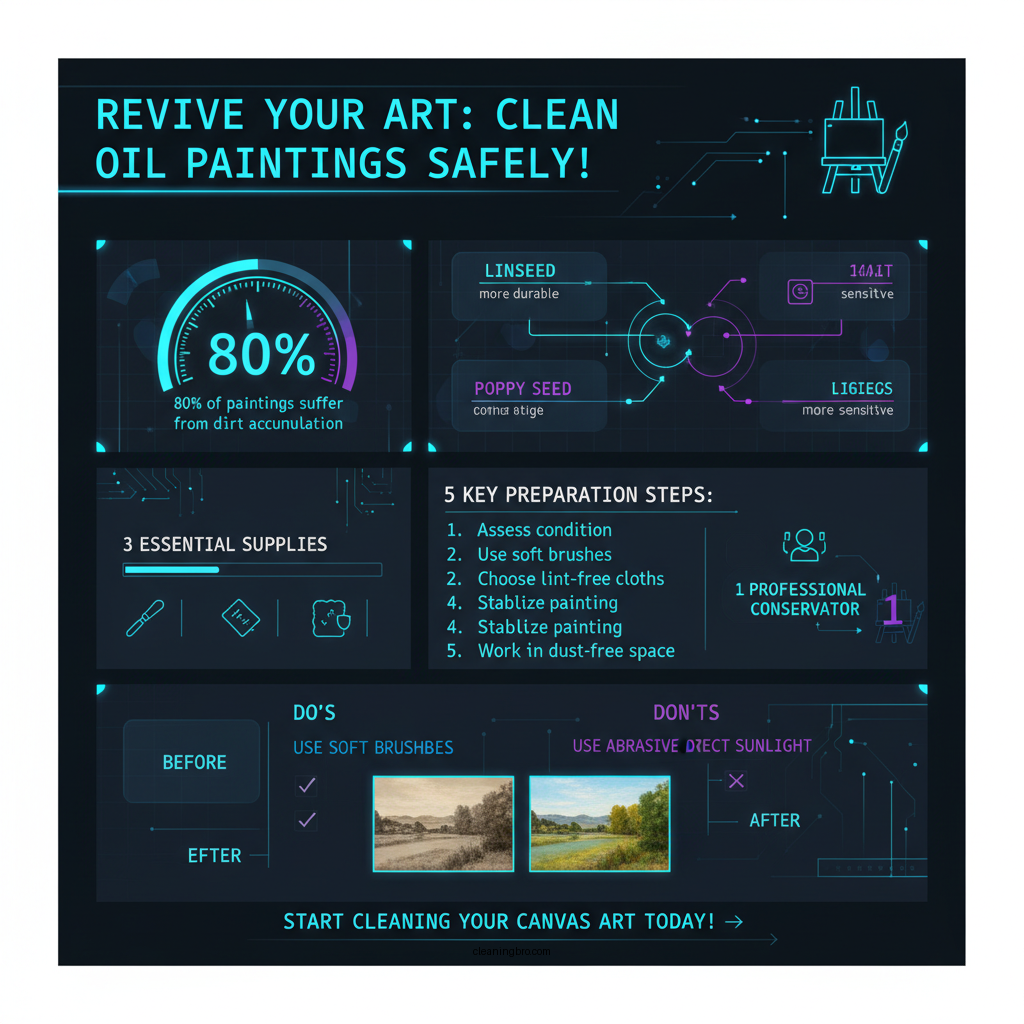
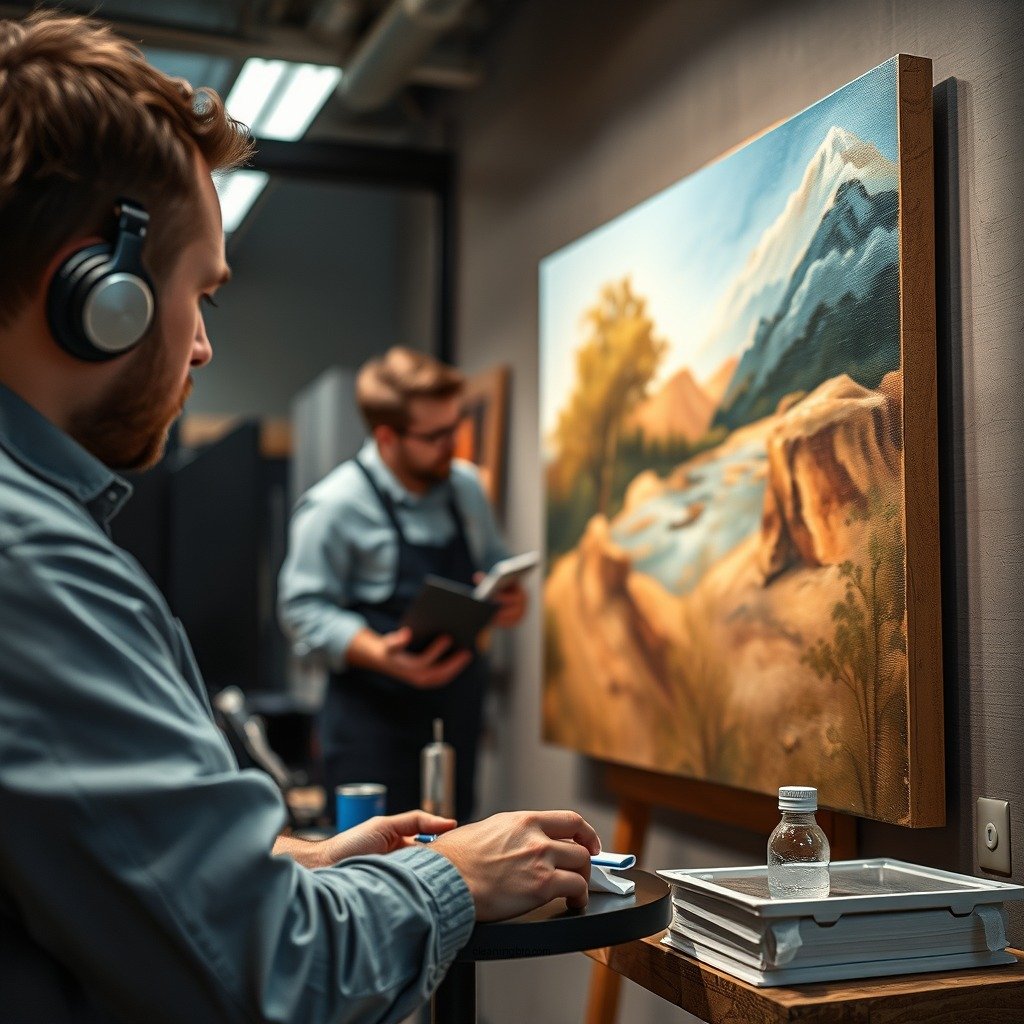
To clean an oil painting effectively, you’ll need to gather specific tools and materials that ensure a gentle yet thorough cleaning process. Here is a list of essential supplies you should have on hand:
– Soft Brushes: Use brushes with soft bristles to avoid scratching the canvas or disturbing the paint layer. A variety of brush sizes can help you reach different areas of the painting.
– Cotton Swabs: These are useful for precision cleaning, especially in tight corners or intricate details.
– Lint-Free Cloths: These should be used to avoid leaving fibers behind on the painting’s surface. Microfiber cloths are an excellent choice.
– Cleaning Solutions: Depending on the level of dirt and grime, you may need distilled water or specialized art cleaners. Always choose a non-abrasive solution to protect the painting.
Preparing the Painting for Cleaning
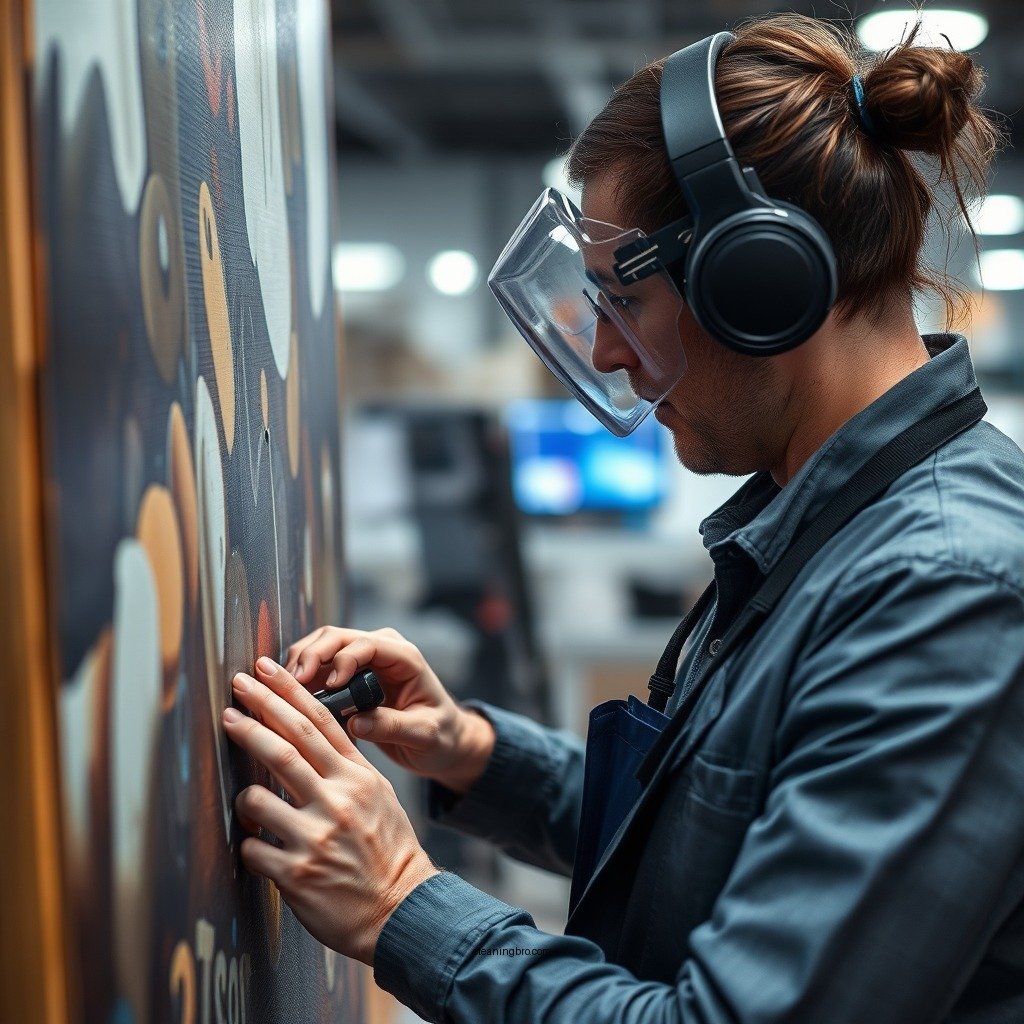
Preparation is key to ensuring a successful cleaning process. Here are the steps you should take:
– Stabilize the Painting: Make sure that the painting is securely mounted or framed to prevent movement during cleaning. If possible, lay it flat on a clean, soft surface.
– Choose the Right Environment: Work in a well-lit, dust-free environment to avoid introducing new contaminants. Natural light is ideal for assessing the painting’s condition, but make sure it is not direct sunlight, which can cause fading.
Common Cleaning Supplies for Oil Paintings
| # | Supply | Purpose | Recommended Type |
|---|---|---|---|
| 1 | Soft Brushes | Dust Removal | Natural Bristle |
| 2 | Cotton Swabs | Precision Cleaning | Q-tips |
| 3 | Lint-Free Cloths | Surface Wiping | Microfiber |
| 4 | Cleaning Solutions | Dirt Removal | Distilled Water |
| 5 | Gloves | Hand Protection | Latex or Nitrile |
| 6 | Vacuum Cleaner | Dust Removal | Low Suction |
| 7 | Compressed Air Duster | Dust Removal | Canned Air |
Cleaning Techniques for Oil Paintings
When cleaning oil paintings, it is essential to use techniques that minimize the risk of damage. Start with dry cleaning methods before progressing to wet methods:
– Dry Cleaning: Use a soft brush to gently remove dust and dirt from the surface. Always brush in the direction of the paint strokes to prevent lifting the paint. For very delicate areas, a cotton swab can help target specific spots without disturbing the surrounding paint.
– Wet Cleaning: For stubborn grime, slightly dampen a lint-free cloth with your chosen cleaning solution. It is crucial to ensure that the cloth is not soaking wet, as excess moisture can seep into the canvas and cause damage. Gently wipe the surface, using a blotting method rather than rubbing. Always test the cleaning solution on a small, inconspicuous area first to ensure it does not adversely affect the paint.
Special Considerations for Varnished Paintings
If your oil painting has been varnished, it is vital to determine the type of varnish used, as this will influence your cleaning approach.
– Identifying Varnish: You can usually tell if a painting is varnished by its glossy appearance. Varnished paintings may require different solvents for cleaning. For example, if the varnish is removable, you might use a solvent like mineral spirits or a commercial varnish remover specifically designed for artworks.
– Testing Cleaners: Always conduct a spot test on a small, inconspicuous area before applying any solvent to the entire varnished surface. This precaution helps confirm the solvent’s compatibility with both the varnish and the paint beneath.
Different Cleaning Solutions for Oil Paintings
| Feature | ⭐ Mineral Spirits | Distilled Water | Art Cleaner |
|---|---|---|---|
| Effectiveness | ✅ Very Effective | ✅ Mildly Effective | ✅ Effective |
| Safe for Varnish | ❌ No | ✅ Yes | Varies |
| Availability | Common | Common | Specialty |
| Odor | Strong | None | Mild |
| Cost | Moderate | Low | Moderate |
| Application Method | Cloth or Brush | Cloth | Cloth or Brush |
| Residue | Can Leave | None | Varies |
| Best For | Varnished Paintings | General Cleaning | Sensitive Paintings |
| 🏆 Best For | Varnished artworks | General cleaning | Sensitive projects |
When to Seek Professional Help
While many oil paintings can be safely cleaned by their owners, certain situations warrant professional intervention. Recognizing the signs that indicate the need for a professional conservator is essential:
– Significant Damage: If the painting shows signs of significant wear, such as cracking, flaking, or discoloration, it is advisable to consult a conservator.
– Complex Restoration Needs: Paintings that require extensive restoration work or repair should not be cleaned by untrained individuals, as this can exacerbate the damage.
– Uncertainty with Cleaning Methods: If you are unsure about the cleaning process or the materials to use, it is always best to err on the side of caution and seek professional advice.
Balancing the risks of DIY cleaning against professional restoration services is crucial for the long-term preservation of your artwork.
Maintenance Tips for Oil Paintings
Once your oil painting has been cleaned, taking steps to maintain its condition is essential for long-term preservation:
– Controlled Environment: Store or display paintings in controlled environments, avoiding extremes of temperature and humidity, which can contribute to dirt buildup and damage.
– Regular Dusting: Incorporate a routine of light dusting using a soft brush or lint-free cloth to prevent the accumulation of dust and grime.
– Periodic Professional Cleanings: Consider scheduling periodic professional cleanings to maintain your artwork’s integrity, especially for valuable or heirloom pieces.
By adopting these maintenance practices, you can significantly extend the life of your oil paintings and preserve their beauty for generations to come.
In summary, cleaning an oil painting on canvas is a delicate process that requires the right tools and techniques. By following these steps, you can safely maintain your artwork’s beauty. If you feel uncertain at any point, it’s best to consult with a professional conservator to ensure your piece is preserved for years to come.
Frequently Asked Questions
What is the best way to clean an oil painting on canvas without damaging it?
The best way to clean an oil painting on canvas is to use a soft, dry brush or a microfiber cloth to gently remove dust and dirt. For more stubborn grime, you can lightly dampen the cloth with distilled water, but avoid soaking the canvas. Always test any cleaning method on a small, inconspicuous area first to ensure it won’t harm the painting.
How can I remove yellowing varnish from my oil painting on canvas?
To remove yellowing varnish from an oil painting, it’s recommended to use a specialized varnish remover designed for oil paintings. Apply the remover with a soft, clean brush, following the manufacturer’s instructions. It’s essential to work in a well-ventilated area and avoid excessive rubbing, which could damage the paint layer beneath.
Why is it important to clean oil paintings on canvas regularly?
Cleaning oil paintings on canvas regularly is important to preserve their integrity and vibrancy. Dust, dirt, and pollutants can accumulate over time, leading to discoloration and potential damage to the paint and canvas. Regular maintenance helps maintain the artwork’s aesthetic and longevity, ensuring it remains a beautiful part of your collection.
Which cleaning products are safe for oil paintings on canvas?
Safe cleaning products for oil paintings on canvas include distilled water, specialized art cleaners, and gentle solvents recommended by professionals. Avoid using household cleaners, alcohol, or ammonia, as these can damage the paint and the canvas. Always opt for non-toxic, pH-balanced products to protect your artwork.
What should I do if my oil painting has mold or mildew on the canvas?
If your oil painting has mold or mildew, it’s crucial to act quickly to prevent further damage. Gently brush off the mold with a soft, dry brush while wearing a mask to avoid inhaling spores. Afterward, consult a professional conservator who specializes in art restoration, as they can provide the best treatment options to safely clean and restore your painting.
References
- Oil painting
https://en.wikipedia.org/wiki/Oil_painting - https://www.getty.edu/conservation/publications_resources/newsletters/18_3/cleaning.html
https://www.getty.edu/conservation/publications_resources/newsletters/18_3/cleaning.html - https://www.moma.org/research-and-learning/conservation/cleaning-oil-paintings
https://www.moma.org/research-and-learning/conservation/cleaning-oil-paintings - https://www.abc.net.au/education/life-of-an-artwork-cleaning-paintings/12461098
https://www.abc.net.au/education/life-of-an-artwork-cleaning-paintings/12461098 - https://www.ncbi.nlm.nih.gov/pmc/articles/PMC1940583/
https://www.ncbi.nlm.nih.gov/pmc/articles/PMC1940583/ - Oil painting | Description, History, & Facts | Britannica
https://www.britannica.com/art/oil-painting - https://www.sciencedirect.com/science/article/pii/S1350630719300725
https://www.sciencedirect.com/science/article/pii/S1350630719300725 - https://www.smithsonianmag.com/smart-news/how-clean-oil-painting-180961267/
https://www.smithsonianmag.com/smart-news/how-clean-oil-painting-180961267/ - Google Scholar Google Scholar
https://scholar.google.com/scholar?q=how+to+clean+oil+painting+on+canvas - Google Scholar Google Scholar
https://scholar.google.com/scholar?q=cleaning+oil+paintings+preservation+techniques