How to Clean an Old Oil Painting: Step-by-Step Guide
Cleaning an old oil painting can effectively restore its beauty and vibrancy while preserving its integrity. This delicate process requires careful assessment, appropriate materials, and specific techniques to avoid damaging the artwork. In this guide, we will provide you with a comprehensive step-by-step approach to cleaning your treasured oil painting, ensuring it remains a cherished part of your collection for years to come.
Assessing the Condition of the Painting

Before embarking on the cleaning process, it is crucial to thoroughly assess the condition of the painting. Start by examining the artwork for any visible damage such as cracks, flaking paint, or discoloration. These signs can indicate underlying issues that may need to be addressed before cleaning.
Additionally, determine if the painting has a protective varnish layer, as this can affect the cleaning method used. Varnish may have yellowed over time, leading to an unsightly appearance. Understanding the condition of your painting will help you decide whether a simple cleaning will suffice or if professional restoration might be necessary.
Gathering Necessary Supplies
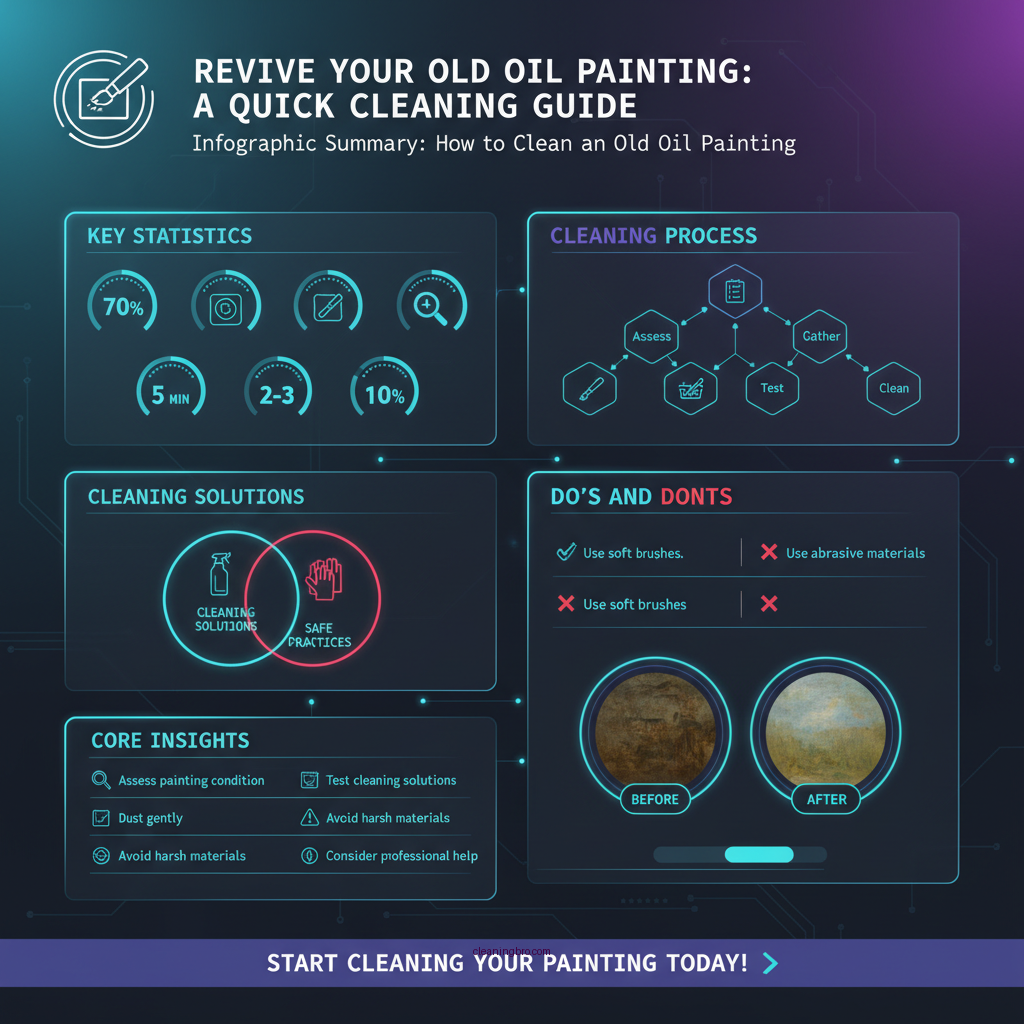

Once you have assessed the painting’s condition, gather the necessary cleaning materials. Essential supplies include:
– Soft Brushes: Use a variety of soft-bristled brushes to gently remove dust and debris without scratching the surface.
– Microfiber Cloths: These are ideal for delicate cleaning and will not leave lint or residue.
– Distilled Water: Always opt for distilled water to avoid introducing minerals or chemicals that can harm the painting.
– Cleaning Solutions: If necessary, consider using specific cleaning solutions designed for oil paintings. Always ensure they are safe and recommended for your particular artwork.
Having the right tools at hand will streamline the cleaning process and minimize the risk of damage.
Dusting the Surface
Begin the cleaning process by dusting the surface of the painting. Using a soft brush, gently sweep away any loose dust and dirt. Start from the top and work your way down to prevent dust from settling on already cleaned areas.
Avoid using any abrasive materials or harsh cleaning agents, as these can scratch the surface or damage the paint layer. Be gentle and patient as you clean, focusing on one small section at a time to ensure a thorough job.
Testing for Varnish and Cleaning Solutions
Before applying any cleaning solutions to the entire painting, it is essential to conduct a patch test. Choose a small, inconspicuous area of the painting and apply the cleaning solution to see how the paint responds. This test will help you confirm that the cleaning solution does not adversely affect the paint or varnish.
If the patch test is successful, proceed with cleaning the painting. If any adverse reactions occur, it may be wise to consult a professional conservator.
Cleaning Techniques for Different Areas
When cleaning your oil painting, it is best to start with the background and less detailed areas. This approach minimizes the risk of disturbing fine details and textures in the foreground.
For stubborn spots or areas with significant dirt buildup, lightly dampen a microfiber cloth or sponge with distilled water, ensuring it is not dripping wet. Wipe the area gently, always following the direction of the paint strokes. If necessary, repeat this process until the area is adequately cleaned, but avoid excessive moisture, as this can lead to paint lifting or other damage.
Drying and Final Touches
After cleaning, allow the painting to air dry completely in a well-ventilated area away from direct sunlight or heat sources, which can cause the paint to crack or discolor. Once the painting is dry, reassess its condition and address any areas that may need touching up, such as reapplying varnish or addressing any missed spots.
If you notice any persistent issues after cleaning, consider consulting a professional conservator who specializes in oil paintings.
When to Seek Professional Help
While cleaning can be a rewarding process, there are times when professional help is necessary. Signs that indicate professional restoration may be needed include extensive damage, significant dirt accumulation that cannot be removed safely, or if the painting is of considerable value.
Research qualified conservators who specialize in oil paintings, ensuring they have a solid reputation and experience with similar artworks. Professional restoration can preserve the painting’s integrity and enhance its value, making it a worthwhile investment.
Cleaning an old oil painting requires careful attention to detail and the right methods to preserve its integrity. By following these steps, you can enhance your artwork’s appearance while ensuring its longevity. If you feel uncertain at any stage, don’t hesitate to consult a professional for advice or assistance.
Top Cleaning Supplies for Oil Paintings (2024)
| # | Supply | Type | Price ($) | Rating |
|---|---|---|---|---|
| 1 | Soft Bristle Brush Set | Brushes | 15.99 | ★★★★☆ |
| 2 | Microfiber Cleaning Cloths | Cloths | 9.99 | ★★★★★ |
| 3 | Distilled Water | Solvent | 3.50 | ★★★★☆ |
| 4 | Oil Painting Cleaning Solution | Cleaner | 19.99 | ★★★★☆ |
| 5 | Cotton Swabs | Tools | 4.99 | ★★★★☆ |
| 6 | Lint-Free Wipes | Cloths | 6.99 | ★★★★★ |
| 7 | Varnish Remover | Cleaner | 12.99 | ★★★★☆ |
Cleaning Effectiveness of Various Supplies (%)
Best Cleaning Supplies for Oil Paintings
| Feature | ⭐ Soft Bristle Brush | Microfiber Cloths | Oil Cleaning Solution |
|---|---|---|---|
| Material | Bristle | Microfiber | Liquid |
| Best Used For | Dusting | Cleaning | Deep Cleaning |
| Price | $15.99 | $9.99 | $19.99 |
| Effectiveness | High | Medium | Very High |
| Durability | Long-lasting | Washable | Single-use |
| Ease of Use | Easy | Very Easy | Moderate |
| Availability | Widely Available | Widely Available | Specialty Stores |
| Environmental Impact | Low | Very Low | Moderate |
| Best For | Dusting | General Cleaning | Deep Stains |
| 🏆 Best For | General Dusting | Surface Cleaning | Deep Cleaning Solutions |
In conclusion, cleaning an old oil painting is an intricate process that requires careful assessment, the right supplies, and specific techniques tailored to the painting’s condition. By following the steps outlined in this guide, you can effectively enhance the appearance of your artwork while preserving its integrity. Should you encounter uncertainty or significant damage, seeking professional assistance will ensure that your cherished painting receives the best care possible.
Frequently Asked Questions
What are the best methods to clean an old oil painting?
The best methods to clean an old oil painting involve using a soft brush or lint-free cloth to gently remove dust and dirt. For more stubborn grime, you can use a mixture of distilled water and a small amount of mild soap, applying it with a damp cloth. Always test any cleaning solution on a small, inconspicuous area first to avoid damage.
How can I tell if my old oil painting needs cleaning?
You can tell if your old oil painting needs cleaning by checking for a dull appearance, visible dust or grime accumulation, or if it appears to have a yellowed varnish. Additionally, if the painting smells musty or has a sticky texture, these are signs that it requires professional cleaning to preserve its integrity.
Why is it important to clean an old oil painting?
Cleaning an old oil painting is important because it helps to maintain the artwork’s aesthetic appeal and prevent long-term damage. Dirt, dust, and grime can degrade the surface and the paint layers over time, leading to irreversible issues such as cracking or discoloration. Regular cleaning can significantly extend the life of the painting.
Which cleaning products are safe for old oil paintings?
Safe cleaning products for old oil paintings include distilled water, mild soap like baby shampoo, and specialized art cleaning solutions designed for oils. Avoid using harsh chemicals, ammonia, or any abrasive materials as they can damage the paint and varnish. Always consult with a professional conservator if you’re unsure about the products to use.
What should I do if my old oil painting has yellowed varnish?
If your old oil painting has yellowed varnish, it is best to seek the help of a professional conservator who can safely remove the varnish without damaging the underlying paint. Attempting to remove varnish at home can lead to further deterioration of the artwork. A conservator will also have the expertise to re-varnish the painting with a suitable product for enhanced protection.
References
- https://www.getty.edu/conservation/publications_resources/newsletters/23_1/cleaning.html
https://www.getty.edu/conservation/publications_resources/newsletters/23_1/cleaning.html - https://www.artcare.org/cleaning-oil-paintings/
https://www.artcare.org/cleaning-oil-paintings/ - Museums & Collections (U.S. National Park Service)
https://www.nps.gov/museum/publications/conserveogram/cons_treat/cleaning_oil_paintings.html - https://www.bbc.co.uk/news/magazine-38589787
https://www.bbc.co.uk/news/magazine-38589787 - https://www.sciencedirect.com/topics/earth-and-planetary-sciences/oil-painting-cleaning
https://www.sciencedirect.com/topics/earth-and-planetary-sciences/oil-painting-cleaning - Google Scholar Google Scholar
https://scholar.google.com/scholar?q=cleaning+old+oil+paintings - Google Scholar Google Scholar
https://scholar.google.com/scholar?q=conservation+of+oil+paintings - Google Scholar Google Scholar
https://scholar.google.com/scholar?q=art+restoration+oil+paintings - Google Scholar Google Scholar
https://scholar.google.com/scholar?q=how+do+you+clean+an+old+oil+painting - how do you clean an old oil painting – Search results
https://en.wikipedia.org/wiki/Special:Search?search=how+do+you+clean+an+old+oil+painting