How to Clean Bath Toys After Poop: A Step-by-Step Guide
Cleaning bath toys after a poop incident is crucial for maintaining hygiene and ensuring your child’s safety. This guide will provide you with effective methods to sanitize bath toys, using hot soapy water, disinfectants, and proper drying techniques. By following these steps, you can keep your child’s bath time fun and free of harmful germs.
Gather Your Supplies
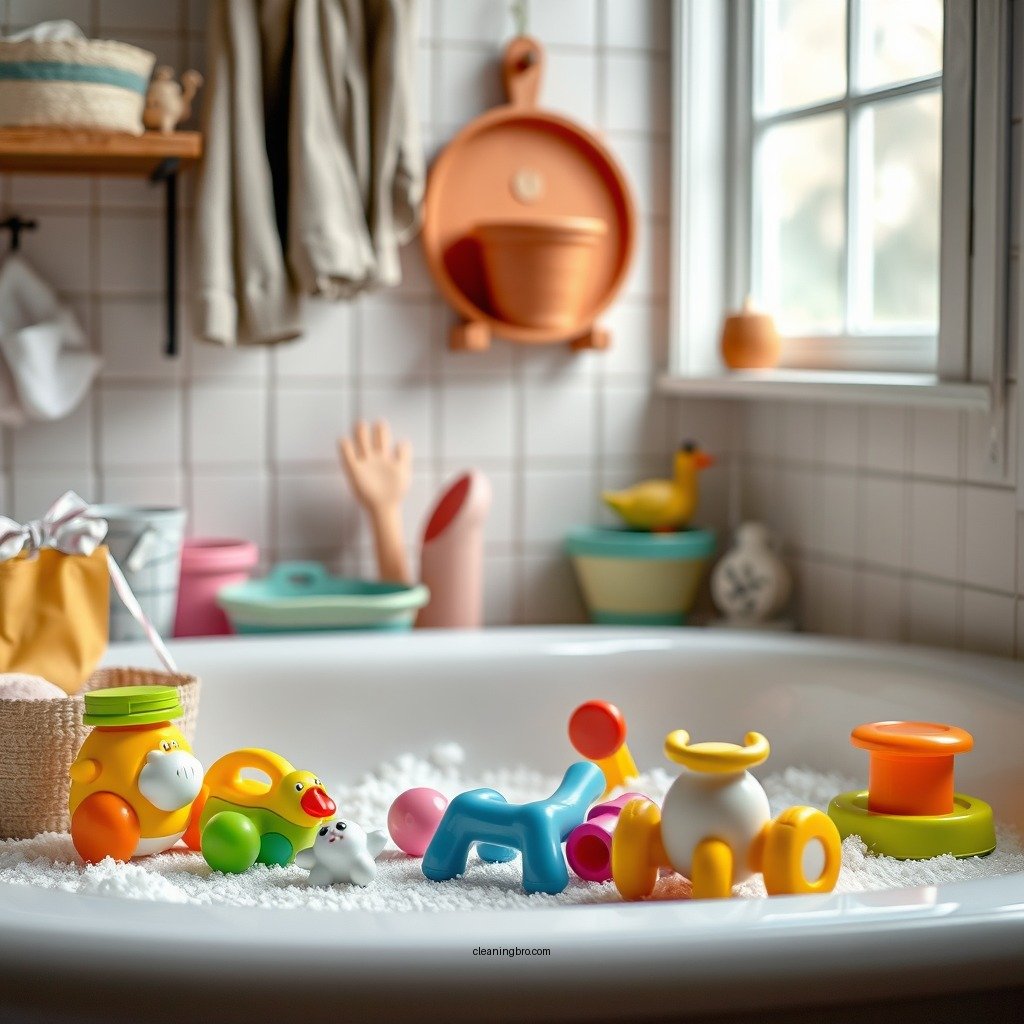
Before you start cleaning, it’s essential to gather all the necessary supplies. Having everything ready will streamline the process and ensure that you don’t miss any critical steps.
– Hot soapy water: A mild dish soap mixed with warm water is ideal. This solution will help to break down any residue and make it easier to clean the toys.
– Disinfectant: Opt for a child-safe disinfectant or create a vinegar-water solution. Vinegar is a natural disinfectant that is effective and safe for children’s toys.
– Scrub brush or sponge: Use a non-abrasive scrub brush or sponge to avoid damaging the toys while effectively removing dirt and bacteria.
These supplies are essential for ensuring that the cleaning process is thorough and safe for your little ones.
Rinse the Toys
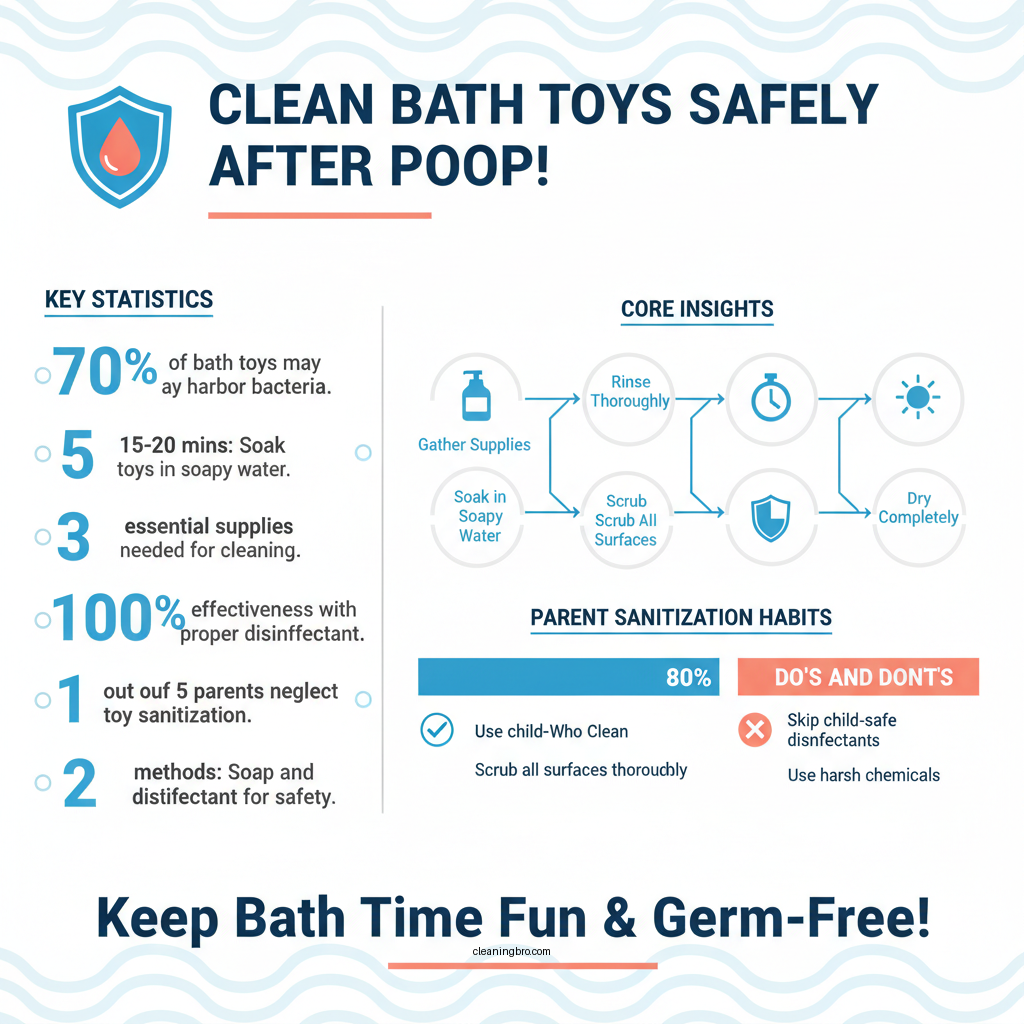
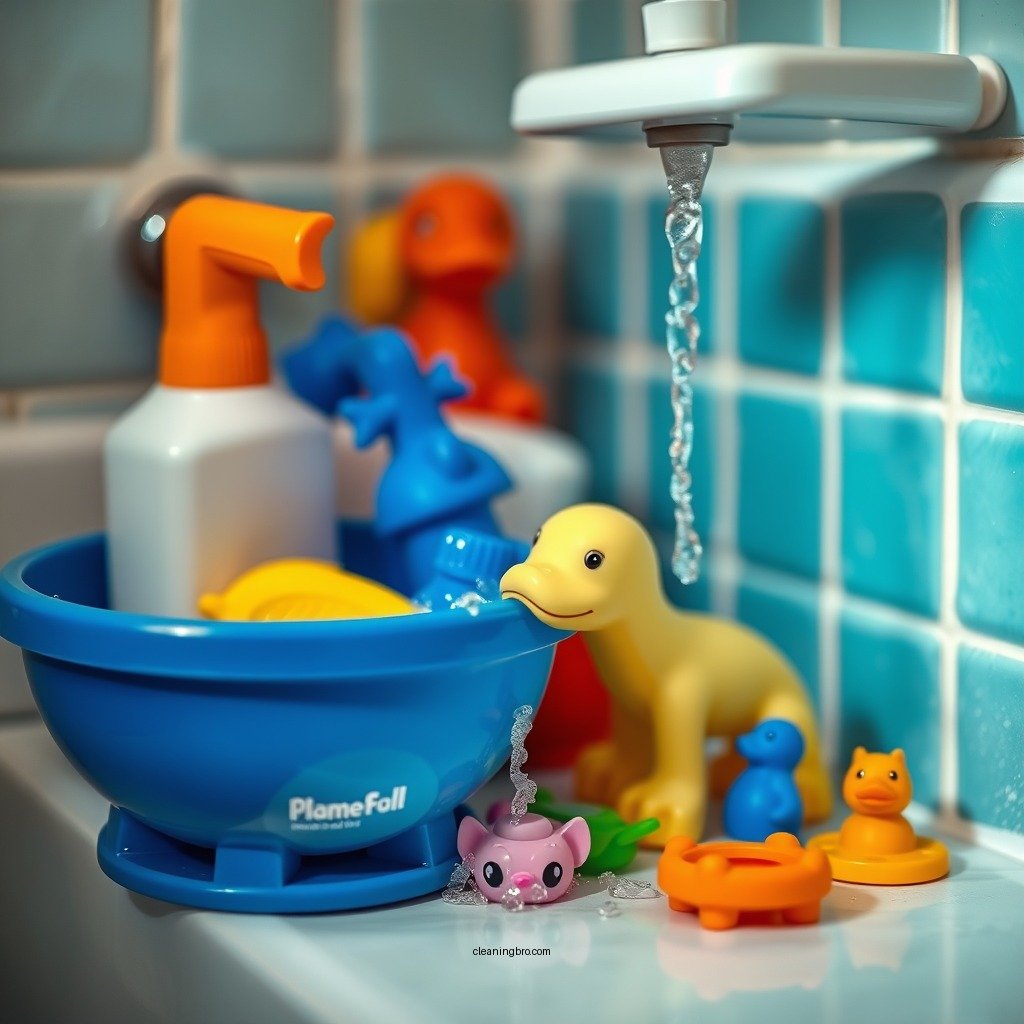
The first step in cleaning your child’s bath toys is rinsing them to remove any visible waste and debris.
– Remove excess waste: Carefully dispose of any solid waste that may be stuck to the toys. It’s crucial to handle this step delicately to avoid contamination.
– Use running water: Hold the toys under warm running water. This will help wash away any residual fecal matter, making the subsequent cleaning steps more effective.
Rinsing the toys is a critical first step in the cleaning process, as it prepares them for a more thorough cleaning.
Clean with Soap
Once you’ve rinsed the toys, the next step is to clean them with soapy water.
– Soak the toys: Submerge the toys in the soapy mixture and allow them to soak for about 15-20 minutes. This soaking time helps loosen any stubborn residues and bacteria.
– Scrub thoroughly: After soaking, take a soft brush or sponge and scrub all surfaces of the toys, paying special attention to crevices where dirt and bacteria can hide. Ensure you clean all parts of the toys, including any water holes, which can harbor mold and bacteria.
Cleaning toys with soap is vital for removing dirt and preventing the spread of germs, making bath time safer for your child.
Disinfect the Toys
Disinfecting is a crucial phase in the cleaning process to eliminate any remaining germs.
– Apply disinfectant: After cleaning, apply a child-safe disinfectant or a vinegar-water solution to the toys. Make sure to cover every surface adequately.
– Let it sit: Allow the disinfectant to sit on the toys for the time recommended on the product label, typically around 5-10 minutes. This waiting period is essential to ensure that the disinfectant has time to kill any lingering bacteria.
Disinfecting the toys helps create a safer environment for your child, minimizing the risk of illness due to bacteria.
Rinse Again
After disinfecting the toys, it’s time to rinse them once more.
– Thoroughly rinse: Rinse the toys again under warm running water to wash away any leftover cleaning solution. This step is crucial to ensure no chemicals remain on the toys.
– Check for residue: Inspect the toys to ensure all soap and disinfectant residues are completely washed off. Any remaining residue can be harmful to your child’s health.
This final rinse ensures that the toys are safe and ready for your child to use again.
Dry and Store
Proper drying and storage of bath toys are essential for preventing the growth of mold and bacteria.
– Air dry: Place the cleaned toys on a clean towel or drying rack and allow them to air dry completely. Ensure they are positioned in a way that allows air circulation to avoid damp spots.
– Store properly: Once the toys are completely dry, store them in a clean, dry area. Avoid storing them in areas that are prone to moisture, as this can encourage mold growth.
Proper drying and storage help maintain the cleanliness of the toys and prolong their lifespan.
Monitor for Damage
Regular monitoring of bath toys for damage is vital for your child’s safety.
– Inspect regularly: Routinely check the toys for any signs of damage, such as cracks, discoloration, or the presence of mold. Damaged toys can harbor bacteria and may pose a choking hazard.
– Replace as needed: If you find any toys that are damaged or have persistent odors that cannot be removed through cleaning, it’s best to replace them. This proactive approach ensures that your child’s bath time remains safe and enjoyable.
Keeping an eye on the condition of bath toys is essential for maintaining a hygienic and safe bathing environment.
Top 7 Cleaning Solutions for Bath Toys (2024)
| # | Product | Type | Child Safe | Effectiveness Rating |
|---|---|---|---|---|
| 1 | Mild Dish Soap | Liquid | Yes | ★★★★☆ |
| 2 | Vinegar Solution | Liquid | Yes | ★★★★★ |
| 3 | Child-Safe Disinfectant | Spray | Yes | ★★★★☆ |
| 4 | Baking Soda Paste | Paste | Yes | ★★★★☆ |
| 5 | Hydrogen Peroxide | Liquid | Yes | ★★★★☆ |
| 6 | Essential Oil Blend | Liquid | Yes | ★★★☆☆ |
| 7 | All-Natural Toy Cleaner | Spray | Yes | ★★★★☆ |
Effectiveness of Bath Toy Cleaning Methods (%)
Maintaining clean bath toys after a poop incident is critical for your child’s health. By following these steps, you can ensure that bath time remains a safe and enjoyable experience. Regular cleaning and monitoring of bath toys will help keep harmful bacteria at bay, allowing your little ones to enjoy their bath time worry-free.
Frequently Asked Questions
How do I properly clean bath toys after they have been contaminated with poop?
To clean bath toys after a poop incident, start by removing any visible debris. Then, soak the toys in a mixture of warm water and mild dish soap for about 15-20 minutes. After soaking, scrub them with a soft brush, rinse thoroughly with clean water, and allow them to air dry completely to prevent mold growth.
What disinfectant should I use to sanitize bath toys after poop exposure?
A solution of equal parts white vinegar and water is a great natural disinfectant for sanitizing bath toys. Alternatively, you can use a diluted bleach solution (1 tablespoon of bleach per quart of water) for tougher sanitization. Rinse the toys well after using any disinfectant to ensure no residue remains.
Why is it important to clean bath toys after a poop incident?
Cleaning bath toys after a poop incident is crucial to prevent the growth of harmful bacteria and mold, which can pose health risks to children. Bath toys can harbor germs, and failure to clean them can lead to skin infections or gastrointestinal issues when toys are put in the mouth.
What are the best practices for maintaining clean bath toys to prevent poop contamination?
To maintain clean bath toys and prevent contamination, ensure that toys are made from non-porous materials that can be easily cleaned. Regularly inspect and clean toys after each use, especially those that may trap water. Additionally, consider using a dedicated storage solution that allows toys to dry fully between baths.
Which bath toys are easiest to clean after a poop incident?
Bath toys made of hard plastic, rubber, or silicone are generally the easiest to clean after a poop incident, as they do not absorb water. Toys without holes or seams are also preferred, as they are less likely to trap bacteria and are easier to disinfect thoroughly.
References
- https://www.cdc.gov/healthywater/safety/cleaning/index.html
https://www.cdc.gov/healthywater/safety/cleaning/index.html - Tendinitis pain: Should I apply ice or heat? – Mayo Clinic
https://www.mayoclinic.org/healthy-lifestyle/infant-and-toddler-health/expert-answers/bath-toy-safety/faq-20057872 - https://www.nytimes.com/2020/08/10/well/family/bath-toys-cleaning-safety.html
https://www.nytimes.com/2020/08/10/well/family/bath-toys-cleaning-safety.html - https://www.nichd.nih.gov/health/topics/infantcare/conditioninfo/cleaning
https://www.nichd.nih.gov/health/topics/infantcare/conditioninfo/cleaning - https://www.bbc.com/future/article/20200325-how-to-clean-your-home-to-kill-coronavirus
https://www.bbc.com/future/article/20200325-how-to-clean-your-home-to-kill-coronavirus - https://www.who.int/news-room/questions-and-answers/item/infection-prevention-and-control-in-the-home
https://www.who.int/news-room/questions-and-answers/item/infection-prevention-and-control-in-the-home - https://www.sciencedirect.com/science/article/pii/S0195670122003969
https://www.sciencedirect.com/science/article/pii/S0195670122003969 - Google Scholar Google Scholar
https://scholar.google.com/scholar?q=cleaning+bath+toys+after+poop - Google Scholar Google Scholar
https://scholar.google.com/scholar?q=safe+cleaning+methods+for+bath+toys - Google Scholar Google Scholar
https://scholar.google.com/scholar?q=bath+toys+sanitation+practices

Similar Posts
Winter Cleaning Tips for a Cozy and Hygienic Home
To create a cozy, hygienic home this winter, start by decluttering your living spaces for calm and comfort. Deep clean carpets and rugs, and wash bedding frequently to guarantee freshness. Sanitize high-touch surfaces daily to cut germs, and clean kitchen cabinets to stay organized. Don’t forget thorough bathroom disinfection and maintaining your heating system for…
Why You Should Use Wood When Cleaning
You should use wood when cleaning because it’s durable, naturally antibacterial, and gentle on your surfaces. Wooden tools last longer than plastic, reducing waste while supporting a cleaner environment. They resist bacteria without harsh chemicals, so you get a healthier clean. Plus, wood comes from sustainable sources, helping protect nature. Taking good care of your…
Why You Should Use Windowsills When Cleaning
You should use windowsills when cleaning because they trap dust, allergens, and moisture that can affect your home’s air quality and cause damage. Regularly wiping them down helps reduce allergens, prevent mold growth, and keeps your living space fresh and healthy. Plus, maintaining windowsills protects your window frames from decay over time. Taking care of…
Why You Should Use Window When Cleaning
You should use your windows when cleaning because they let in natural light that helps you see dirt and streaks you might miss otherwise. This bright view makes cleaning more efficient and thorough. Open windows also improve air circulation, cutting down dust and allergens while lifting your mood as sunlight boosts energy and focus. Plus,…
Why You Should Use Toys When Cleaning
You should use toys when cleaning because they turn dull chores into fun activities that keep you motivated and focused. Toys and playful gadgets make tasks feel less like work and more like a game, boosting your mood and productivity. Plus, they’re great for involving kids and creating teamwork. Using toys also helps you stay…
Why You Should Use Stains When Cleaning
You should use stains when cleaning because they highlight hidden dirt and grime you might otherwise miss, helping you pinpoint problem areas quickly. Stains also let you measure how well your cleaning works by showing if dirt is truly gone. They reveal high-traffic spots needing extra care and help prevent future messes by identifying vulnerable…