How to Clean Below the Gum Line at Home
Cleaning below the gum line at home is crucial for maintaining optimal gum health and preventing gum disease. While regular brushing and flossing are essential, they might not be enough to keep this area plaque-free. In this article, we will explore effective techniques and tools to help you clean below the gum line, ensuring your gums remain healthy and free from plaque buildup.
Understanding Gum Health

Maintaining healthy gums is a fundamental aspect of oral hygiene, directly impacting overall dental health. The gums serve as a protective barrier around the teeth, preventing bacteria from entering the bloodstream and causing systemic health issues. Neglecting gum health can lead to a range of problems, including gingivitis, a common form of gum disease characterized by inflammation and bleeding. If left untreated, gingivitis can progress to periodontitis, a more severe condition that can result in tooth loss and other health complications.
Moreover, research has linked poor gum health to various systemic diseases such as heart disease, diabetes, and respiratory issues. For these reasons, it is essential to prioritize cleaning below the gum line as part of your daily oral care routine.
Tools You Need for Effective Cleaning
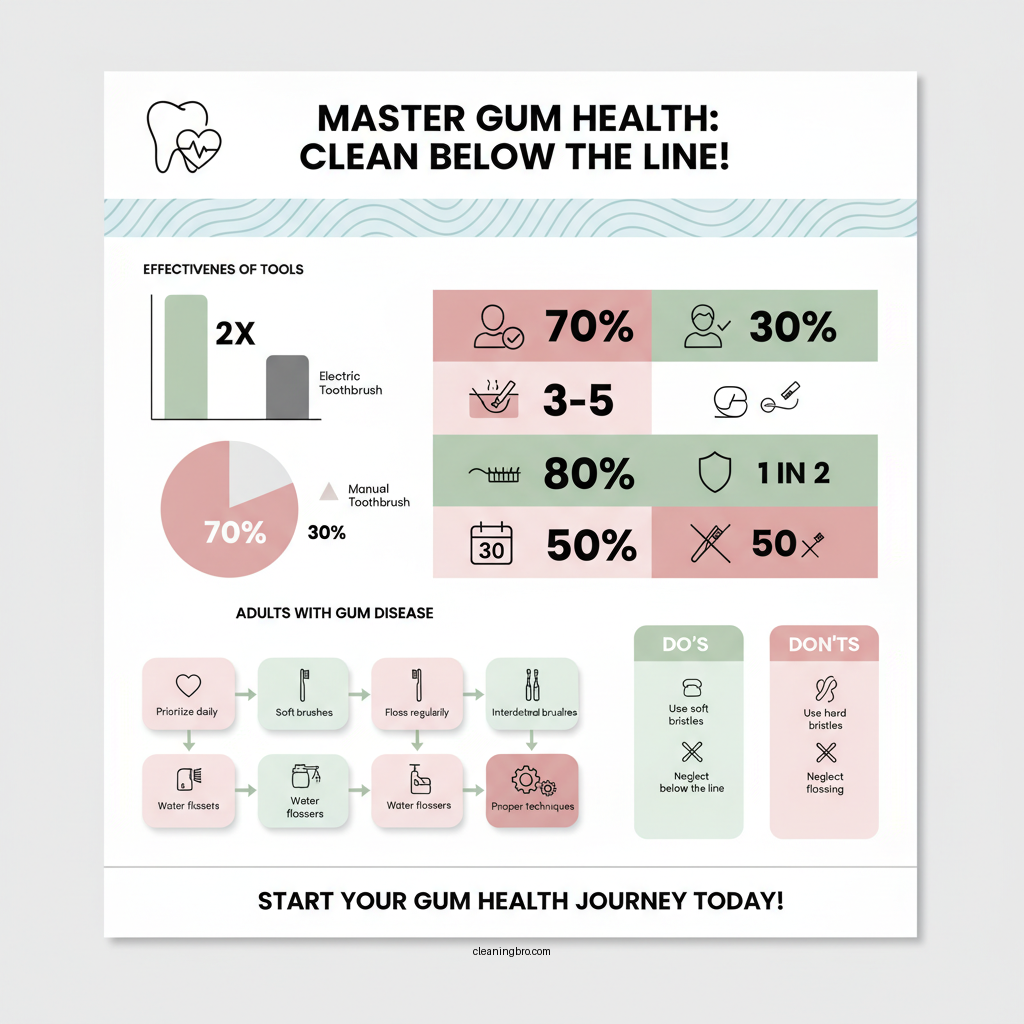
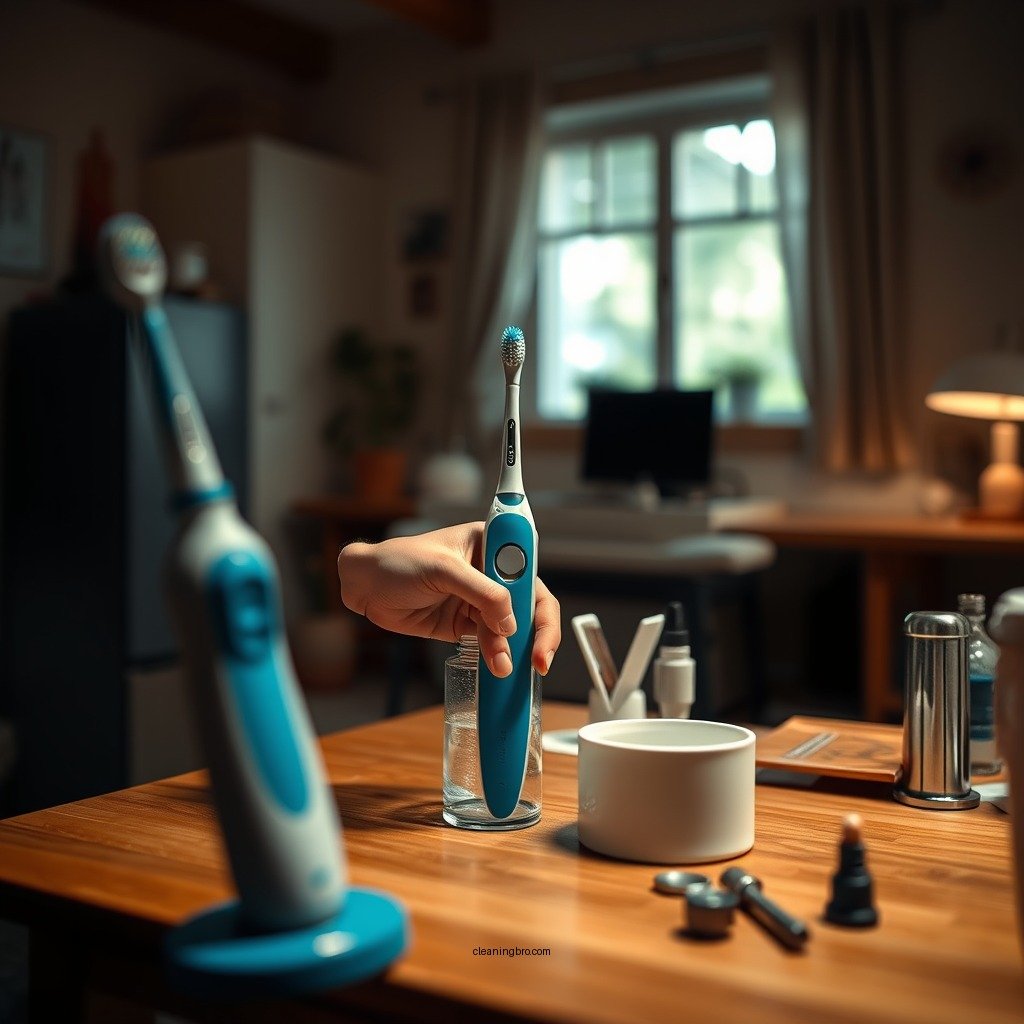
To effectively clean below the gum line, having the right tools is paramount:
– Toothbrush Types: Both manual and electric toothbrushes can be effective, but studies suggest that electric toothbrushes may provide a more thorough cleaning due to their oscillating and rotating capabilities. Look for a soft-bristled brush to avoid damaging sensitive gum tissue.
– Floss: Dental floss is crucial for removing plaque and food particles between teeth and below the gum line. Options include waxed and unwaxed floss, with waxed versions typically being easier to glide between tightly spaced teeth.
– Interdental Brushes: These small, bristled brushes can reach areas between teeth that floss may miss, making them an excellent addition to your cleaning routine, especially for individuals with wider gaps between teeth.
– Water Flossers: Water flossers, or oral irrigators, utilize a stream of pulsating water to remove plaque and food debris from below the gum line. They can be particularly beneficial for those with braces or dental implants.
Proper Brushing Techniques
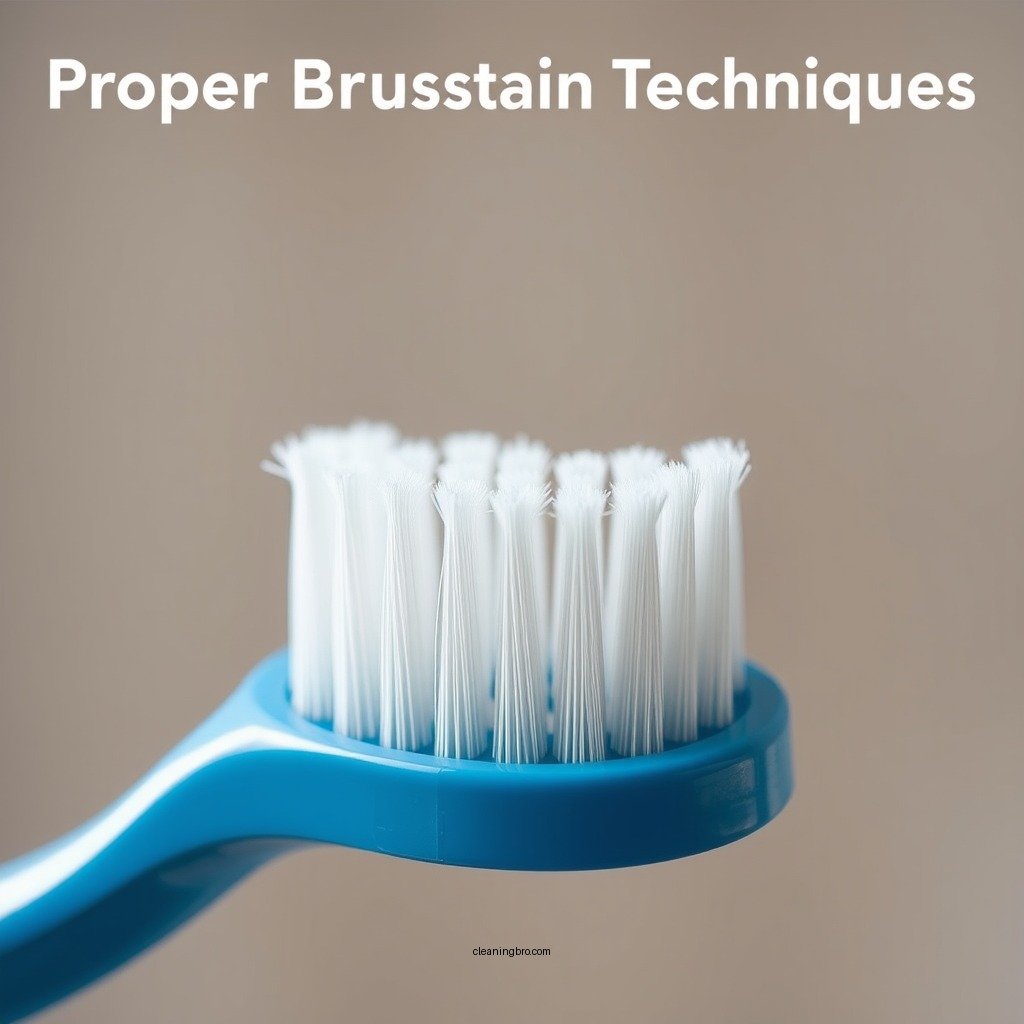
Using the right brushing techniques is essential for effective gum care:
– Soft-Bristled Toothbrush: Always choose a soft-bristled toothbrush to minimize trauma to the gums. Hard bristles can lead to gum recession and sensitivity.
– Angle and Motion: Hold your toothbrush at a 45-degree angle to your gum line. Use gentle circular motions to clean the area where your teeth meet your gums, ensuring you’re effectively removing plaque without damaging the gum tissue.
– Duration: Brush for at least two minutes, spending equal time on each quadrant of your mouth. This ensures that you thoroughly clean all surfaces, including the gum line.
Flossing Correctly
Flossing is a critical step in cleaning below the gum line. Here’s how to do it effectively:
1. Choose the Right Floss: Select a dental floss that suits your needs, whether waxed or unwaxed.
2. Cut a Sufficient Length: Use about 18 inches of floss, wrapping the ends around your middle fingers, leaving about two inches to work with.
3. Insert Gently: Slide the floss between your teeth gently, avoiding snapping it, which can injure your gums.
4. Curved Motion: Curve the floss around the base of each tooth, making sure to go beneath the gum line. Use a gentle sawing motion to remove plaque and food particles.
5. Use Fresh Sections: As you move from tooth to tooth, unwind fresh sections of floss to prevent transferring bacteria.
6. Rinse: After flossing, rinse your mouth with water or mouthwash to help remove any dislodged debris.
Additional Cleaning Methods
In addition to brushing and flossing, consider these methods to enhance your gum care routine:
– Antibacterial Mouthwash: Using a mouthwash with antibacterial properties can help reduce plaque buildup and fight bacteria in hard-to-reach areas below the gum line. Look for options that contain chlorhexidine or cetylpyridinium chloride for maximum effectiveness.
– Oil Pulling: This ancient practice involves swishing oil (such as coconut or sesame oil) in your mouth for 10-20 minutes. It is believed to help reduce bacteria and plaque, promoting overall gum health. While oil pulling should not replace brushing and flossing, it can be a beneficial adjunct to your oral hygiene routine.
Regular Dental Check-Ups
Even with diligent home care, regular dental check-ups are essential for maintaining gum health:
– Professional Cleanings: Dentists and hygienists can perform deep cleanings that remove tartar and plaque buildup below the gum line, which is not achievable through home care alone. These cleanings also help to monitor gum health and catch any early signs of gum disease.
– Frequency: It is generally recommended to visit your dentist every six months, but those with a history of gum disease may require more frequent visits.
Signs You Need to Change Your Routine
Being aware of the signs of gum disease can help you take action before problems worsen:
– Bleeding Gums: If you notice bleeding while brushing or flossing, it may indicate gingivitis. This is often the first sign of gum disease and should be addressed promptly.
– Swollen or Tender Gums: Gums that are red, swollen, or tender may require a reassessment of your cleaning techniques or tools.
– Persistent Bad Breath: Chronic bad breath, or halitosis, can be a sign of plaque accumulation below the gum line or gum disease.
– Loose Teeth: If you notice any looseness in your teeth, it may signal advanced gum disease, warranting immediate dental consultation.
By following these tips and techniques, you can effectively clean below the gum line and maintain a healthy smile. Regular care and attention to your gums will help prevent dental issues down the road. Don’t forget to schedule your next dental appointment and keep your oral health in check!
Top 7 Tools for Cleaning Below the Gum Line
| # | Tool | Effectiveness | Price Range |
|---|---|---|---|
| 1 | Electric Toothbrush | Highly Effective | $30 – $300 |
| 2 | Dental Floss | Moderately Effective | $2 – $10 |
| 3 | Interdental Brushes | Highly Effective | $5 – $20 |
| 4 | Water Flossers | Very Effective | $30 – $100 |
| 5 | Antibacterial Mouthwash | Moderately Effective | $5 – $15 |
| 6 | Oil for Oil Pulling | Moderately Effective | $5 – $10 |
| 7 | Tongue Scraper | Helpful | $3 – $15 |
Electric Toothbrush vs Manual Toothbrush vs Water Flosser
| Feature | ⭐ Electric Toothbrush | Manual Toothbrush | Water Flosser |
|---|---|---|---|
| Cleaning Power | Effective | Moderate | Very Effective |
| Cost | $30 – $300 | $5 – $20 | $30 – $100 |
| Ease of Use | Simple | Requires Technique | Easy |
| Travel-Friendly | Yes | Yes | No |
| Plaque Removal | Excellent | Good | Very Good |
| Gum Health Improvement | High | Moderate | High |
| Takes Time | 2 minutes | 2-3 minutes | 1-2 minutes |
| Battery Requirement | Rechargeable | None | Electric |
| User Feedback | Great | Mixed | Excellent |
| 🏆 Best For | Individuals seeking efficient cleaning | Cost-conscious users | Comprehensive gum care |
By adhering to these practices and utilizing the appropriate tools, you can enhance your ability to clean below the gum line effectively. This proactive approach to your oral health will not only maintain gum integrity but also contribute to overall well-being. Always consult your dentist when in doubt or when symptoms arise, ensuring your teeth and gums remain in optimal condition.
Frequently Asked Questions
How can I effectively clean below the gum line at home?
To effectively clean below the gum line at home, you should use a soft-bristled toothbrush along with fluoride toothpaste. Gently brush at a 45-degree angle to ensure that the bristles reach below the gum line, removing plaque and debris. Additionally, consider using an antibacterial mouthwash to help reduce bacteria and promote gum health.
What tools can I use to clean below the gum line?
To clean below the gum line, you can use several tools including an interdental brush, dental floss, and a water flosser. Interdental brushes can easily fit between teeth and help remove plaque, while dental floss reaches areas that a toothbrush cannot. A water flosser provides a gentle stream of water that can help flush out food particles and bacteria below the gum line.
Why is it important to clean below the gum line?
Cleaning below the gum line is crucial because plaque and bacteria build-up can lead to gum disease and tooth decay. Neglecting this area can cause inflammation, gingivitis, and ultimately tooth loss. Regular cleaning helps maintain gum health, fresh breath, and overall oral hygiene.
Which mouthwash is best for cleaning below the gum line?
The best mouthwash for cleaning below the gum line is one that contains antibacterial properties, such as chlorhexidine or cetylpyridinium chloride. These ingredients help kill bacteria and reduce plaque formation. Look for alcohol-free options to avoid drying out your mouth, as a hydrated oral environment is essential for gum health.
How often should I clean below the gum line at home?
You should clean below the gum line at least twice a day as part of your daily oral hygiene routine. Incorporating flossing and mouthwash use once daily can further enhance your cleaning efforts. Regular visits to the dentist for professional cleanings are also recommended every six months to ensure optimal gum health.
References
- https://www.mayoclinic.org/diseases-conditions/gum-disease/in-depth/home-remedies-for-gum-disease/art-20455746
https://www.mayoclinic.org/diseases-conditions/gum-disease/in-depth/home-remedies-for-gum-disease/art-20455746 - https://www.ncbi.nlm.nih.gov/pmc/articles/PMC3341324/
https://www.ncbi.nlm.nih.gov/pmc/articles/PMC3341324/ - https://www.cdc.gov/oralhealth/publications/faq/cleaning-teeth.html
https://www.cdc.gov/oralhealth/publications/faq/cleaning-teeth.html - https://www.nidcr.nih.gov/health-info/gum-disease/overview
https://www.nidcr.nih.gov/health-info/gum-disease/overview - Oral health
https://www.who.int/news-room/fact-sheets/detail/oral-health - https://www.health.harvard.edu/diseases-and-conditions/how-to-keep-your-gums-healthy
https://www.health.harvard.edu/diseases-and-conditions/how-to-keep-your-gums-healthy - https://www.sciencedirect.com/science/article/pii/S2212670919301813
https://www.sciencedirect.com/science/article/pii/S2212670919301813 - https://www.britannica.com/science/dental-hygiene
https://www.britannica.com/science/dental-hygiene - Google Scholar Google Scholar
https://scholar.google.com/scholar?q=how+to+clean+below+the+gum+line+at+home - Google Scholar Google Scholar
https://scholar.google.com/scholar?q=oral+hygiene+gum+disease+prevention