How to Clean Black Mould from Windows: A Step-by-Step Guide
Cleaning black mould from windows is essential for maintaining a healthy home environment. The most effective method involves using a mixture of cleaning solutions and appropriate tools to remove the mould safely. In this article, you will learn the precise steps and tips on how to tackle this issue effectively.
Understanding Black Mould
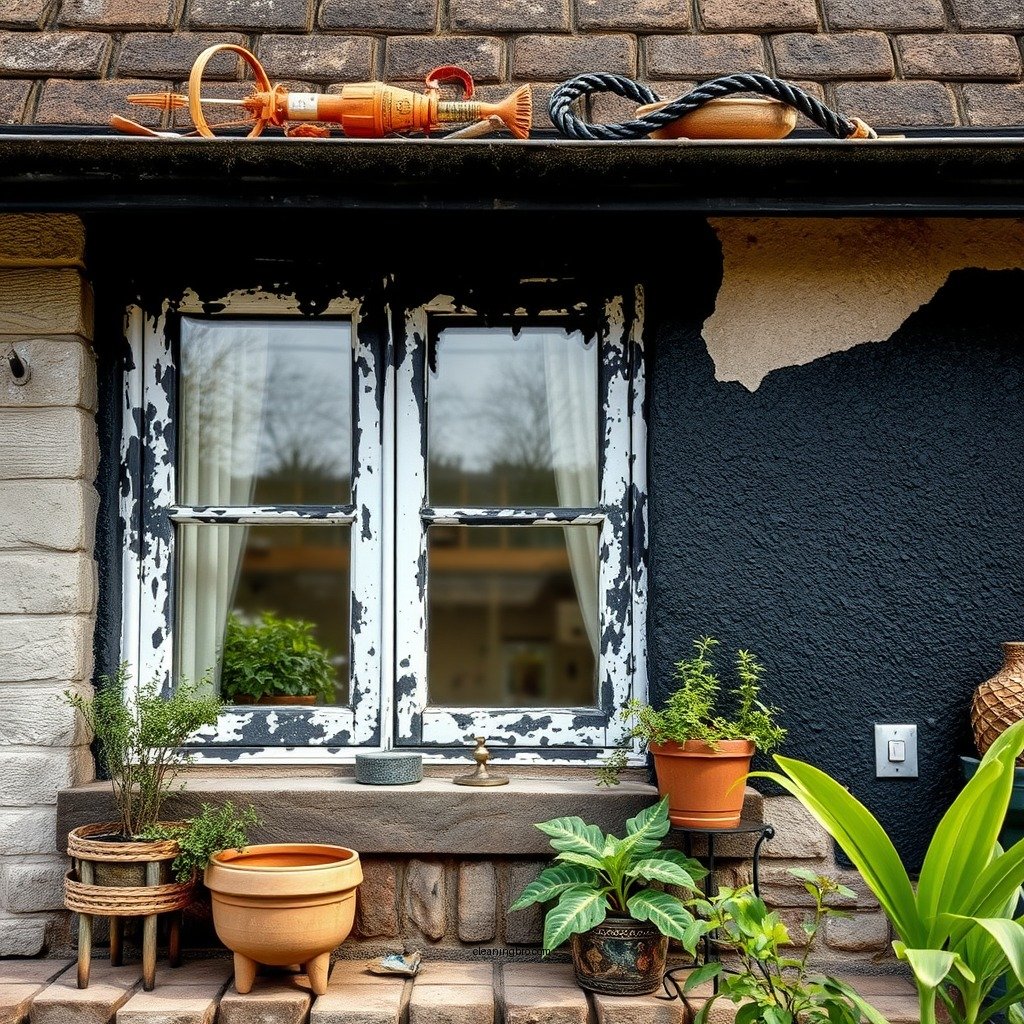
Black mould, or Stachybotrys chartarum, is a type of fungus that appears as dark green or black patches, often producing a musty odor. It thrives in damp and humid conditions, making windows—especially those with condensation or leaks—a prime target for growth. The presence of black mould not only detracts from the aesthetic appeal of your windows but also poses serious health risks. Exposure can lead to respiratory issues, allergic reactions, and other health complications, particularly in sensitive individuals like children and those with pre-existing conditions.
The primary causes of mould growth on windows include excessive moisture, inadequate ventilation, and poor insulation. Activities such as cooking, showering, and even indoor plants can contribute to higher humidity levels, further encouraging mould proliferation. Understanding these factors is crucial for effective prevention and remediation.
Safety Precautions
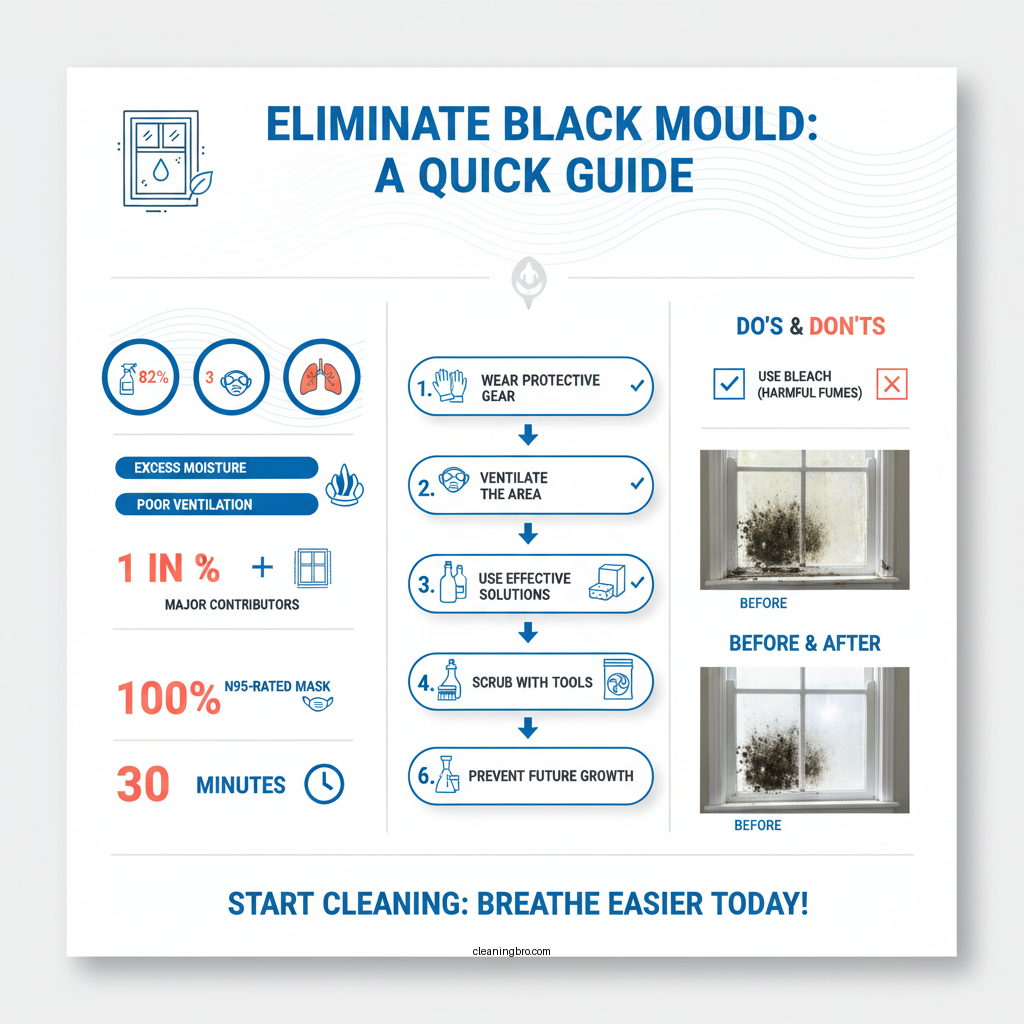
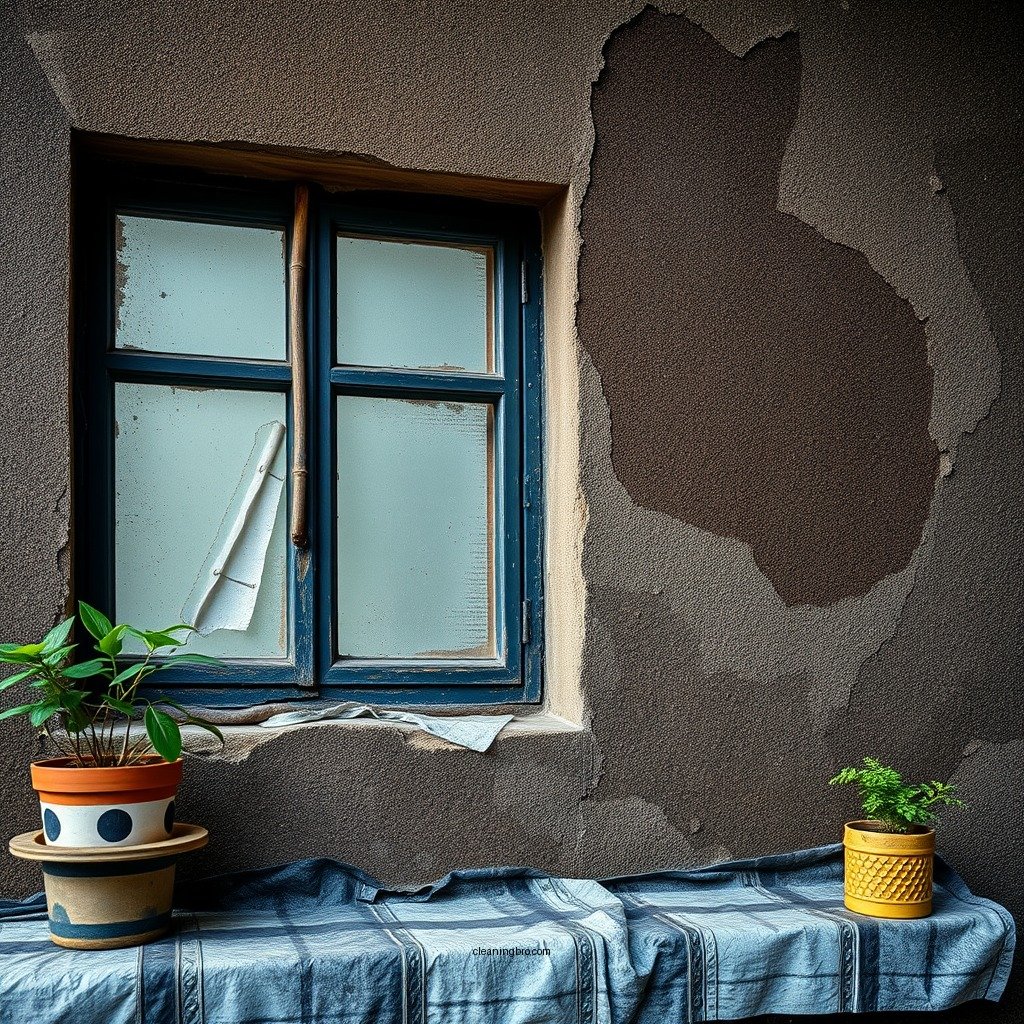
Before starting the cleaning process, it is vital to take appropriate safety precautions. Wearing protective gear is essential to prevent direct contact with mould spores, which can be harmful when inhaled or absorbed through the skin. Recommended protective gear includes:
– Gloves: Wear rubber or latex gloves to protect your hands.
– Mask: A mask with an N95 rating or higher helps filter out airborne mould spores.
– Goggles: Safety goggles will protect your eyes from splashes or irritants.
Additionally, ensuring proper ventilation during the cleaning process is crucial. Open windows and doors to allow fresh air to circulate and help disperse any airborne spores. If the mould problem is extensive, consider using a fan to enhance airflow.
Tools and Materials Needed
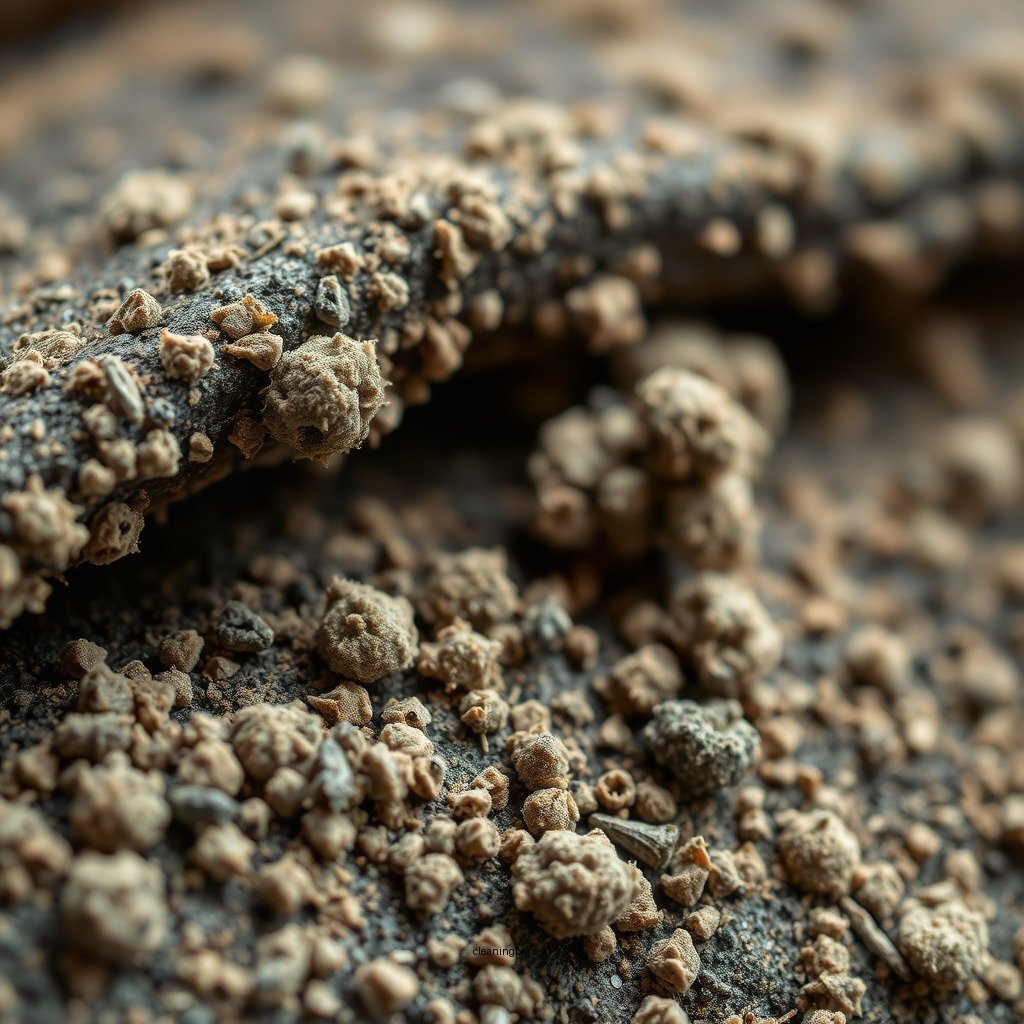
To effectively clean black mould from windows, you’ll require specific tools and cleaning solutions. Below is a comprehensive list:
Cleaning Solutions
– White Vinegar: A natural disinfectant that kills about 82% of mould species.
– Baking Soda: A gentle abrasive that can help scrub away mould without scratching glass surfaces.
– Commercial Mould Removers: Products specially formulated to tackle mould, often available at hardware stores.
Essential Tools
– Scrub Brush: A stiff-bristled brush for scrubbing tough mould stains.
– Sponge: For applying cleaning solutions and wiping down surfaces.
– Spray Bottle: To easily apply liquid cleaning solutions.
– Bucket: For mixing cleaning solutions and rinsing tools.
Step-by-Step Cleaning Process
Cleaning black mould from windows can be broken down into several manageable steps:
1. Initial Assessment: Begin by inspecting the windows to determine the extent of the mould problem. Check not only the visible areas but also the surrounding seals and frames.
2. Prepare the Cleaning Solution: If using vinegar, fill a spray bottle with undiluted white vinegar. For baking soda, mix it with water to form a paste.
3. Apply the Solution: Spray the vinegar directly onto the mouldy areas, ensuring thorough coverage. For paste, apply it with a sponge.
4. Allow to Sit: Let the solution sit for at least 10-15 minutes. This dwell time allows the antifungal properties to penetrate and break down the mould.
5. Scrub the Affected Areas: Using a scrub brush, gently scrub the mouldy areas, working in a circular motion. This will help lift the mould from the surface.
6. Rinse: Once scrubbed, wipe the area with a clean sponge soaked in water to remove any remaining solution and mould residue.
7. Dry Thoroughly: Use a clean, dry cloth to wipe down the windows, ensuring they are completely dry to prevent future mould growth.
Data Visualization
Top 7 Cleaning Solutions for Black Mould Removal
| # | Cleaning Solution | Effectiveness (%) | Eco-Friendly | Cost ($) |
|---|---|---|---|---|
| 1 | White Vinegar | 82 | Yes | 3.00 |
| 2 | Baking Soda | 75 | Yes | 2.00 |
| 3 | Hydrogen Peroxide | 85 | Yes | 5.00 |
| 4 | Tea Tree Oil | 90 | Yes | 10.00 |
| 5 | Commercial Mould Remover | 95 | No | 15.00 |
| 6 | Bleach | 80 | No | 4.00 |
| 7 | Soap and Water | 60 | Yes | 1.00 |
Preventing Future Mould Growth
To prevent future mould growth on your windows, it is essential to control moisture levels and maintain a clean environment. Here are several effective strategies:
– Use Dehumidifiers: In areas prone to humidity, such as bathrooms and kitchens, using a dehumidifier can significantly reduce moisture levels.
– Ensure Proper Ventilation: Open windows regularly to allow fresh air to circulate. Installing exhaust fans in high-moisture areas will also help.
– Regular Cleaning: Incorporate window cleaning into your routine maintenance. Wiping down windows with a vinegar solution periodically can prevent mould spores from settling.
– Seal Windows Properly: Ensure that window seals are intact and that there are no leaks. Proper insulation will help regulate temperature and moisture.
Implementing these preventative measures can create an environment less conducive to mould growth, ensuring your windows remain clean and clear.
When to Seek Professional Help
While many mould issues can be managed independently, there are instances where professional help is necessary. Consider seeking expert assistance if you notice:
– Extensive Mould Growth: If the mould covers a large area (more than 10 square feet) or has spread behind window frames.
– Persistent Odor: A musty smell that persists despite cleaning efforts may indicate deeper mould issues.
– Health Concerns: If any household members experience respiratory issues or allergic reactions that worsen in the presence of mould.
Hiring professionals for severe mould infestations ensures comprehensive cleaning and prevents the risk of mould returning. Experts utilize specialized equipment and certified techniques to ensure the problem is eradicated safely and effectively.
In summary, effectively cleaning black mould from your windows involves understanding the nature of mould, taking appropriate safety precautions, and using the right tools and techniques. By following these steps and implementing preventative measures, you can maintain a healthier living space. If you find the mould problem too extensive, consider seeking professional help to ensure complete removal.
Frequently Asked Questions
What are the best methods to clean black mould from windows?
The best methods to clean black mould from windows include using a mixture of water and vinegar, or a solution of bleach and water. For vinegar, spray it on the affected area, let it sit for about an hour, and then wipe it away with a cloth. If using bleach, mix one cup of bleach with a gallon of water, apply with a sponge, and ensure proper ventilation.
How can I prevent black mould from growing on my windows in the future?
To prevent black mould from growing on your windows, ensure proper ventilation in your home, particularly in areas prone to moisture, such as bathrooms and kitchens. Regularly check and repair any leaks in windows or walls, and consider using a dehumidifier in damp areas to reduce humidity levels.
Why does black mould appear on my windows, and is it harmful?
Black mould appears on windows due to excess moisture, poor ventilation, or condensation buildup. It can be harmful as it may trigger allergic reactions and respiratory issues in sensitive individuals, making it essential to clean and address the underlying moisture problems promptly.
Which cleaning products are effective for removing black mould from window frames?
Effective cleaning products for removing black mould from window frames include commercial mould removers, hydrogen peroxide, and homemade solutions such as baking soda mixed with water. Always test a small area first to ensure the product does not damage the frame before applying it widely.
What safety precautions should I take when cleaning black mould from windows?
When cleaning black mould from windows, wear protective gear such as gloves, goggles, and a mask to prevent inhalation of spores. Ensure the area is well-ventilated by opening windows or using fans, and consider using a respirator for extensive mould issues to minimize health risks.
References
- https://www.cdc.gov/mold/default.htm
https://www.cdc.gov/mold/default.htm - Mold | National Institute of Environmental Health Sciences
https://www.niehs.nih.gov/health/topics/agents/mold/index.cfm - Mold Cleanup in Your Home | US EPA
https://www.epa.gov/mold/mold-cleanup-your-home - https://www.mayoclinic.org/diseases-conditions/mold-allergy/symptoms-causes/syc-20371568
https://www.mayoclinic.org/diseases-conditions/mold-allergy/symptoms-causes/syc-20371568 - https://www.who.int/news-room/fact-sheets/detail/mould
https://www.who.int/news-room/fact-sheets/detail/mould - https://www.healthline.com/health/mold-removal
https://www.healthline.com/health/mold-removal - https://www.bbc.com/future/article/20200130-how-to-get-rid-of-mould-in-your-home
https://www.bbc.com/future/article/20200130-how-to-get-rid-of-mould-in-your-home - Google Scholar Google Scholar
https://scholar.google.com/scholar?q=cleaning+black+mould+from+windows - Google Scholar Google Scholar
https://scholar.google.com/scholar?q=black+mould+removal+methods - Google Scholar Google Scholar
https://scholar.google.com/scholar?q=mould+in+homes+health+effects