How to Clean Calcium Build-Up: Effective Methods
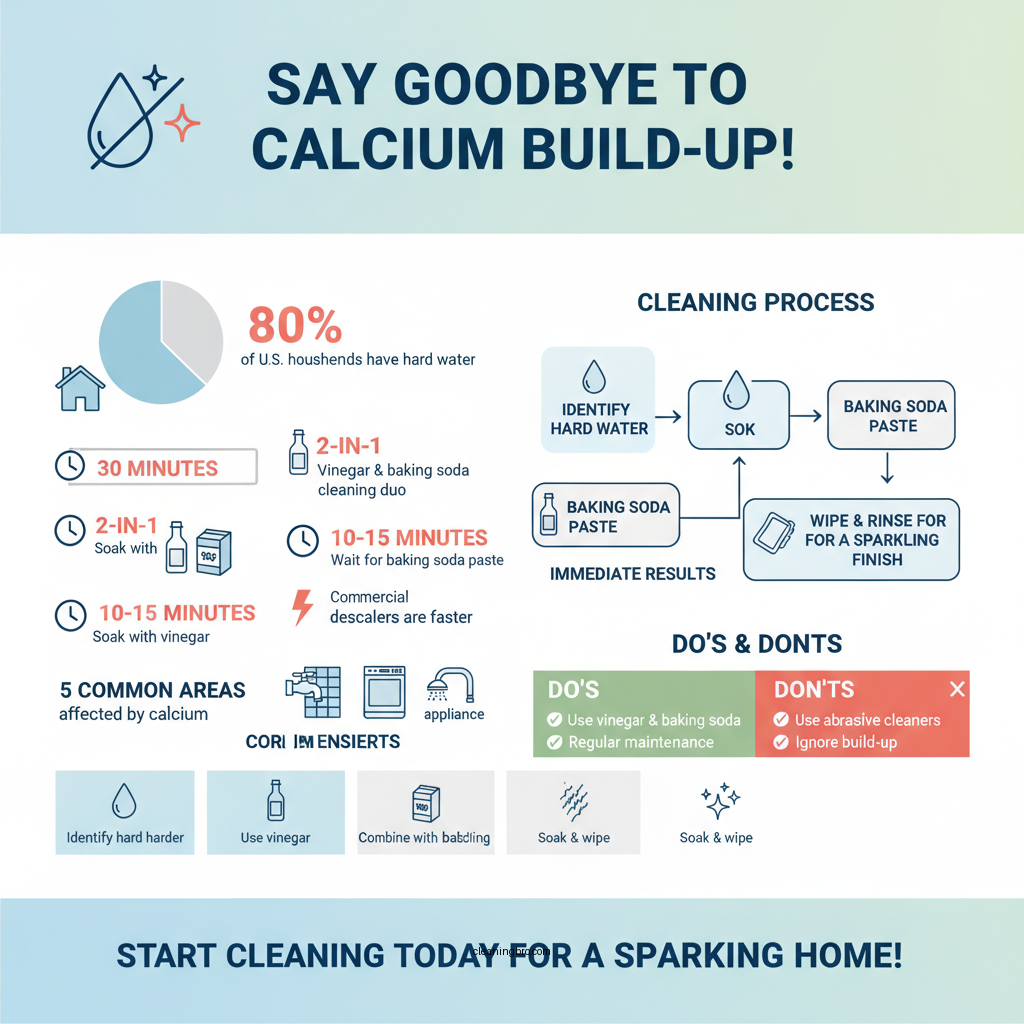
Cleaning calcium build-up is essential for maintaining the appearance and functionality of various surfaces in your home. The right combination of cleaning solutions and techniques can effectively eliminate unsightly mineral deposits. Natural remedies like vinegar and baking soda work well for minor build-up, while commercial descaling products offer a quicker solution for tougher cases. In this article, we will explore various methods to effectively remove calcium deposits from different surfaces in your home.
Understanding Calcium Build-Up
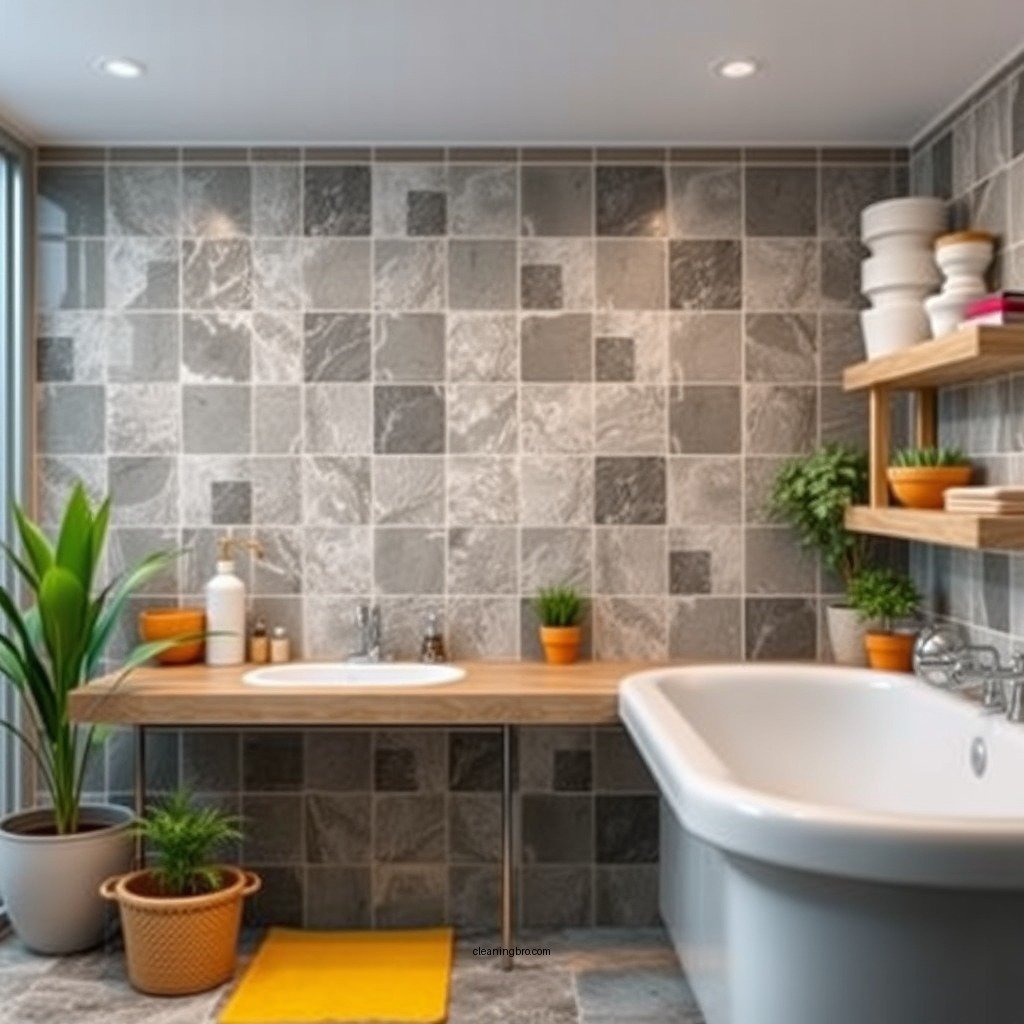
Calcium build-up primarily occurs due to hard water, which is water that contains high levels of dissolved minerals, particularly calcium and magnesium. When hard water evaporates, it leaves behind these minerals, which accumulate over time and manifest as white, chalky deposits on surfaces. Common areas affected by calcium build-up include faucets, showerheads, tiles, and kitchen appliances like dishwashers. It’s not just an aesthetic issue; these deposits can also impede water flow and damage plumbing fixtures if not addressed promptly. Understanding the cause of this build-up is the first step in effectively combating it.
Natural Cleaning Solutions
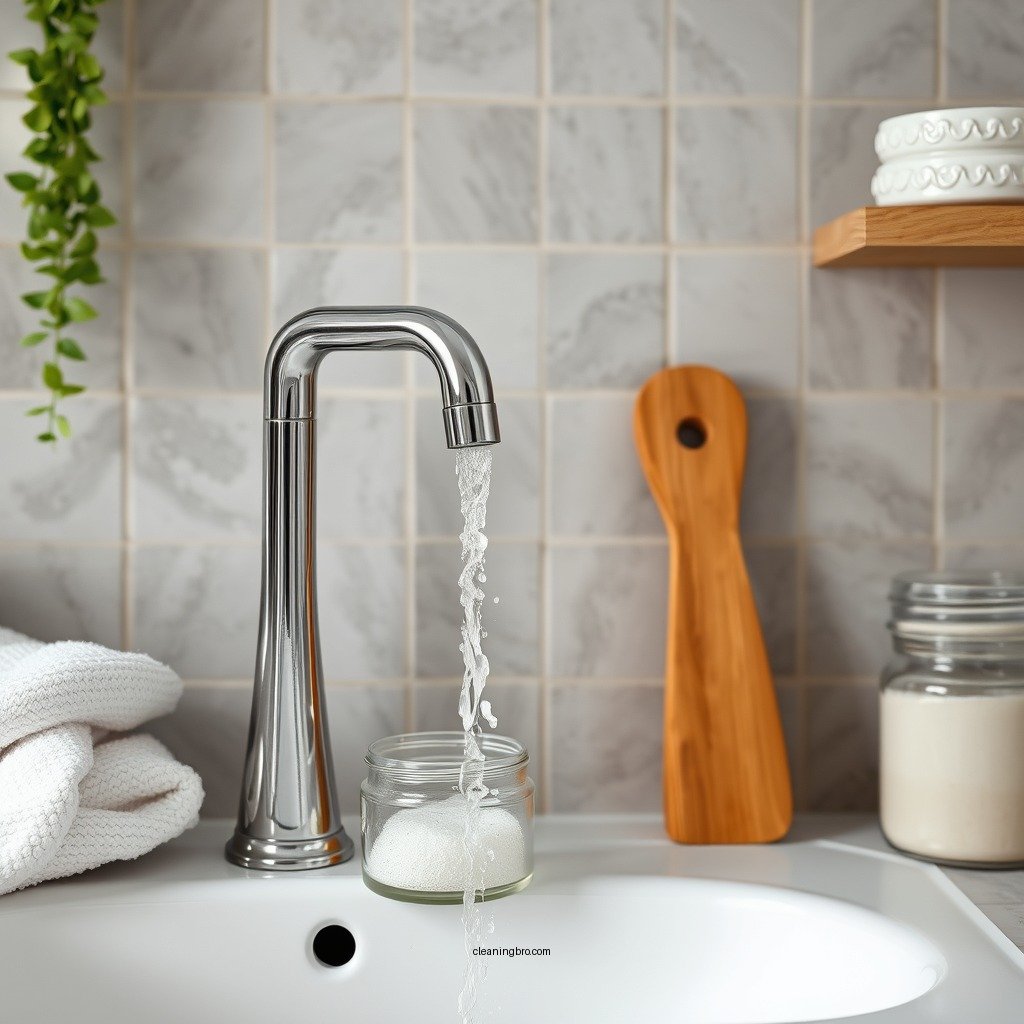
Natural cleaning solutions are not only eco-friendly but also readily available in most households. Here are two of the most effective natural remedies for tackling calcium deposits:
– Vinegar: The acetic acid in vinegar is a powerful agent that dissolves calcium deposits effectively. Its acidic nature breaks down the minerals, making it easier to wipe away the residue. For best results, use white vinegar or apple cider vinegar.
– Baking Soda: When combined with vinegar, baking soda creates a fizzing reaction that further helps lift stubborn deposits. The abrasive nature of baking soda allows for gentle scrubbing without scratching surfaces, making it an ideal partner for vinegar in cleaning tasks.
How to Use Natural Solutions
1. Vinegar Soak: Soak a cloth in vinegar and wrap it around the affected area, such as a faucet or showerhead. Let it sit for about 30 minutes, then wipe away the build-up with a soft cloth.
2. Baking Soda Paste: Create a paste by mixing baking soda with water. Apply this paste directly onto the calcium deposits, let it sit for 10-15 minutes, and scrub gently with a cloth or sponge.
Using Commercial Products
For those who prefer a more immediate solution, commercial descaling products are widely available and specifically formulated to remove calcium build-up. Here’s what to keep in mind when using these products:
– Descaling Agents: Look for products that are specifically designed for the type of surface you’re treating. Ensure that they are safe for use on the materials you have, as some strong chemicals can damage surfaces.
– Follow Instructions: Always read and adhere to the manufacturer’s instructions for optimal results. Many descalers require specific application times and methods for maximum effectiveness.
Recommended Commercial Products
1. CLR Calcium, Lime & Rust Remover: Effective for a variety of surfaces including sinks, tubs, and toilets.
2. Lime-A-Way: Particularly useful in areas with heavy mineral deposits, like showerheads and faucets.
3. Zep Calcium, Lime, and Rust Stain Remover: Ideal for tough build-up in bathrooms and kitchens.
Top 3 Commercial Descaling Products for Calcium Build-Up (2024)
| # | Product | Surface Compatibility | Active Ingredients | User Rating |
|---|---|---|---|---|
| 1 | CLR Calcium, Lime & Rust Remover | Multi-surface | Citric Acid | ★★★★☆ |
| 2 | Lime-A-Way | Toilets, Sinks | Phosphoric Acid | ★★★★★ |
| 3 | Zep Calcium, Lime, and Rust Stain Remover | Showers, Sinks | Hydrochloric Acid | ★★★★☆ |
Cleaning Different Surfaces
Different surfaces require tailored cleaning methods to effectively remove calcium build-up without causing damage. Here are some practical tips for cleaning various surfaces around your home:
– Kitchen Faucets: Soak a cloth in vinegar and wrap it around the faucet for approximately 30 minutes. After soaking, wipe down with a soft cloth. For stubborn deposits, use a mixture of vinegar and baking soda as a paste for scrubbing.
– Showerheads: For showerheads, remove the fixture and soak it in a vinegar solution (one part vinegar to one part water) for about an hour. If it has significant build-up inside, consider using a small brush to scrub the nozzles after soaking.
– Tiles and Grout: Create a paste with baking soda and water, applying it to the grout lines. Let it sit for 10-15 minutes before scrubbing with a brush. Rinse thoroughly to reveal clean grout lines.
Quick Reference for Cleaning Various Surfaces
| Surface | Recommended Method | Soaking Time |
|——————|———————————————–|——————-|
| Kitchen Faucet | Vinegar soak and wipe | 30 minutes |
| Showerhead | Vinegar solution soak | 1 hour |
| Tiles | Baking soda paste scrub | 10-15 minutes |
Prevention Tips
Preventing calcium build-up is often easier than cleaning it after it has formed. Here are some effective strategies:
– Water Softener: Installing a water softener can significantly reduce the hardness of your water, minimizing the calcium and magnesium content. This can prevent build-up in plumbing fixtures and appliances.
– Regular Cleaning: Regularly wiping down surfaces with a damp cloth can help prevent mineral deposits from accumulating. Make it a routine to clean faucets and showerheads at least once a month to keep build-up at bay.
– Use a Squeegee: After using the shower, wipe down the tiles and glass surfaces with a squeegee to minimize water spots and deposits.
Additional Tools and Techniques
For those tackling tougher deposits, additional tools and techniques can be extremely beneficial:
– Scrub Brushes: Use non-abrasive scrub brushes for tougher build-up. Avoid metal brushes that can scratch surfaces. Nylon or bristle brushes work effectively without damaging finishes.
– Steam Cleaners: High-temperature steam can help loosen deposits on various surfaces, making it easier to wipe away stubborn build-up. These devices are eco-friendly and effective for deep cleaning.
– Microfiber Cloths: Using microfiber cloths can enhance your cleaning efforts, as these materials trap dirt and minerals effectively without leaving scratches.
Your home can look pristine and free of calcium build-up with the right techniques and tools. By utilizing both natural remedies and commercial products, you can tackle even the toughest deposits. Remember to implement prevention strategies to keep your surfaces clean longer. Start cleaning today to enjoy a sparkling, calcium-free home!
Frequently Asked Questions
What are the best methods to clean calcium buildup in my bathroom?
The best methods to clean calcium buildup in your bathroom include using a mixture of vinegar and water or a commercial descaling product. Apply the solution to the affected areas, let it sit for at least 15 minutes, then scrub with a brush or cloth. Rinse thoroughly with water to reveal a sparkling clean surface free of calcium deposits.
How do I remove calcium buildup from my showerhead?
To remove calcium buildup from your showerhead, fill a plastic bag with white vinegar and secure it around the showerhead with a rubber band, ensuring it’s submerged. Let it soak for a few hours or overnight, then remove the bag and run the water for a few minutes to flush out loosened deposits. This method effectively restores water flow and enhances performance.
Why does calcium buildup occur in my appliances, and how can I prevent it?
Calcium buildup occurs in appliances due to hard water, which contains high levels of minerals like calcium and magnesium. To prevent this, consider installing a water softener to reduce mineral content or regularly clean your appliances with vinegar or citric acid solutions. Regular maintenance helps to keep your appliances running efficiently and prolongs their lifespan.
Which household items can I use to clean calcium deposits from glass surfaces?
Household items like white vinegar, lemon juice, and baking soda are effective for cleaning calcium deposits from glass surfaces. Create a paste with baking soda and water, apply it to the affected areas, and scrub gently with a soft cloth. Alternatively, spraying vinegar directly onto the glass and wiping it off can effectively remove deposits while leaving a streak-free shine.
What is the most effective commercial product for removing calcium buildup?
The most effective commercial products for removing calcium buildup include descalers like CLR (Calcium, Lime, and Rust Remover) or Lime-A-Way. These products are specifically formulated to tackle tough mineral deposits and are safe for various surfaces. Always follow the manufacturer’s instructions for best results and ensure proper ventilation when using strong chemicals.
References
- Calcium
https://en.wikipedia.org/wiki/Calcium - https://www.ncbi.nlm.nih.gov/pmc/articles/PMC6119323/
https://www.ncbi.nlm.nih.gov/pmc/articles/PMC6119323/ - Page Not Found – Site Help – Mayo Clinic
https://www.mayoclinic.org/diseases-conditions/kidney-stones/symptoms-causes/syc-20316616 - https://www.cdc.gov/healthywater/drinking/cleaning.html
https://www.cdc.gov/healthywater/drinking/cleaning.html - Non-framework cation migration and irreversible pressure-induced hydration in a zeolite | Nature
https://www.nature.com/articles/nature01265 - https://www.sciencedirect.com/topics/earth-and-planetary-sciences/calcium-carbonate
https://www.sciencedirect.com/topics/earth-and-planetary-sciences/calcium-carbonate - https://pubmed.ncbi.nlm.nih.gov/12953360/
https://pubmed.ncbi.nlm.nih.gov/12953360/ - Calcium | Definition, Properties, & Compounds | Britannica
https://www.britannica.com/science/calcium - Detail
https://www.who.int/news-room/fact-sheets/detail/calcium - Google Scholar Google Scholar
https://scholar.google.com/scholar?q=how+to+clean+calcium+build+up