How to Clean Cambridge Pavers: Step-by-Step Guide
Cleaning Cambridge pavers can effectively restore their aesthetic appeal and extend their lifespan. With a systematic approach that includes the right techniques and tools, you can remove dirt, stains, and grime that detract from their beauty. This guide will walk you through the essential steps to achieve sparkling clean Cambridge pavers, ensuring they remain a stunning feature of your outdoor space.
Understanding Your Pavers
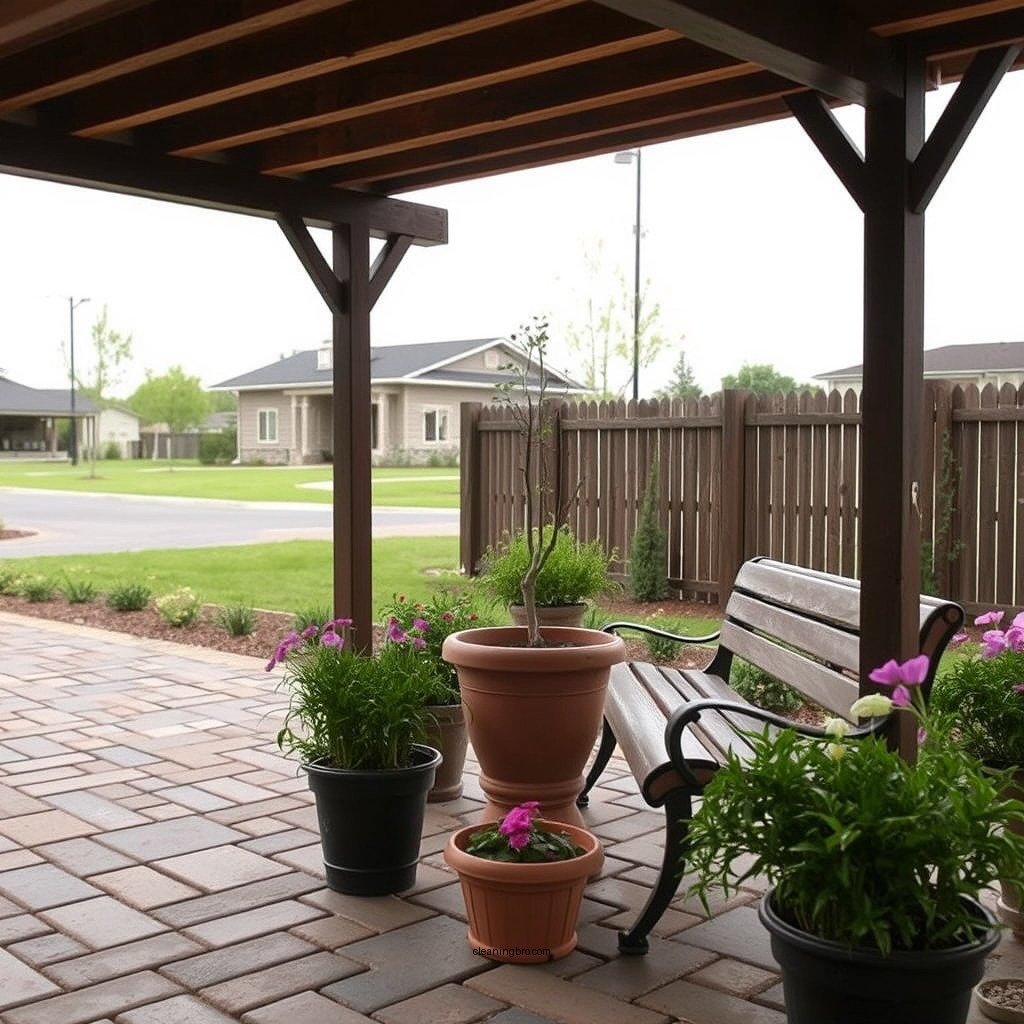
To effectively clean Cambridge pavers, it is crucial to understand their material and recognize common stains that may occur over time. Cambridge pavers are typically made from concrete, clay, or stone, each of which may require different cleaning methods.
1. Know the material: Concrete pavers are durable and can withstand high-pressure cleaning; however, clay pavers may be more susceptible to fading, requiring gentler cleaning solutions. Natural stone pavers, while beautiful, can be porous and more prone to staining, necessitating specialized cleaners.
2. Recognize common stains: The most frequent stains on Cambridge pavers include oil stains from vehicles, organic growth such as moss or algae, and general dirt accumulation. Identifying these stains is the first step in choosing the most effective cleaning method. For instance, oil stains may require a degreaser, while moss may need a combination of scrubbing and a biocide solution.
Gathering the Right Tools and Supplies
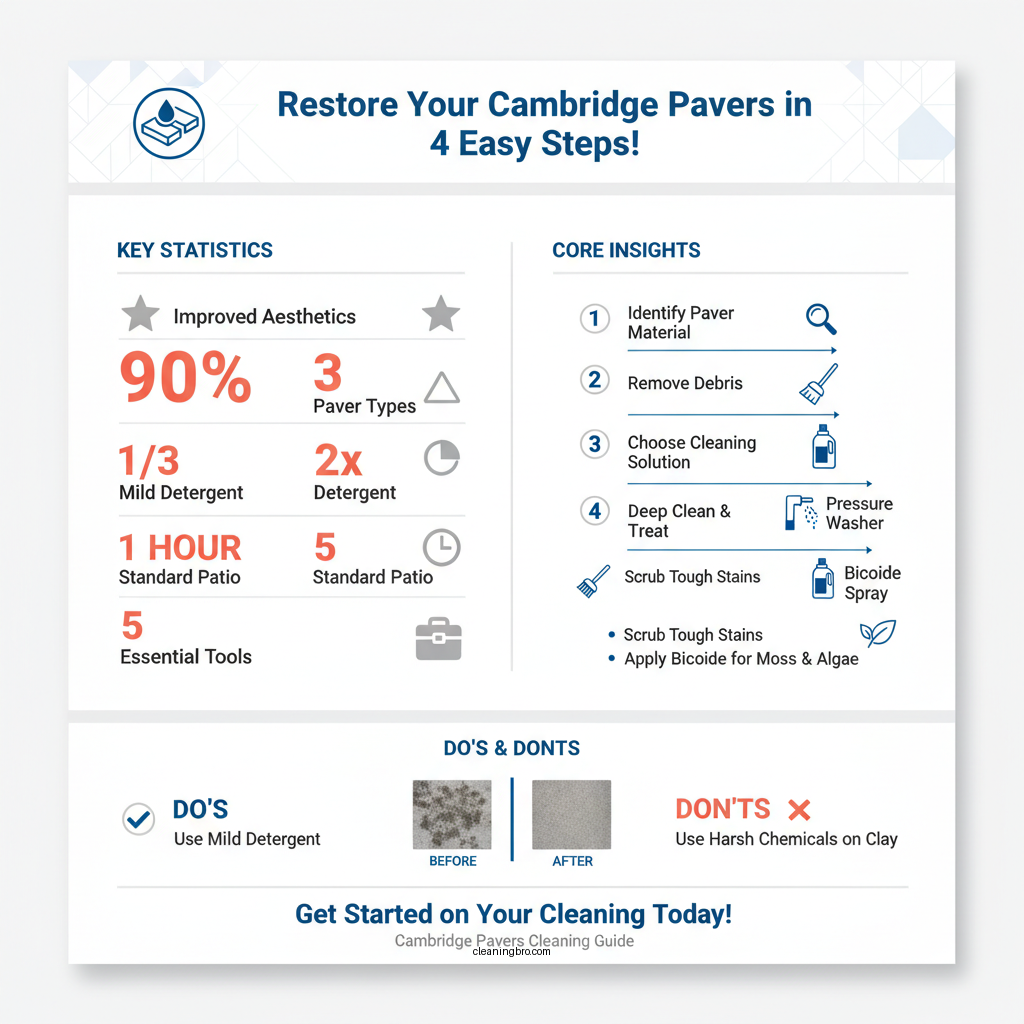
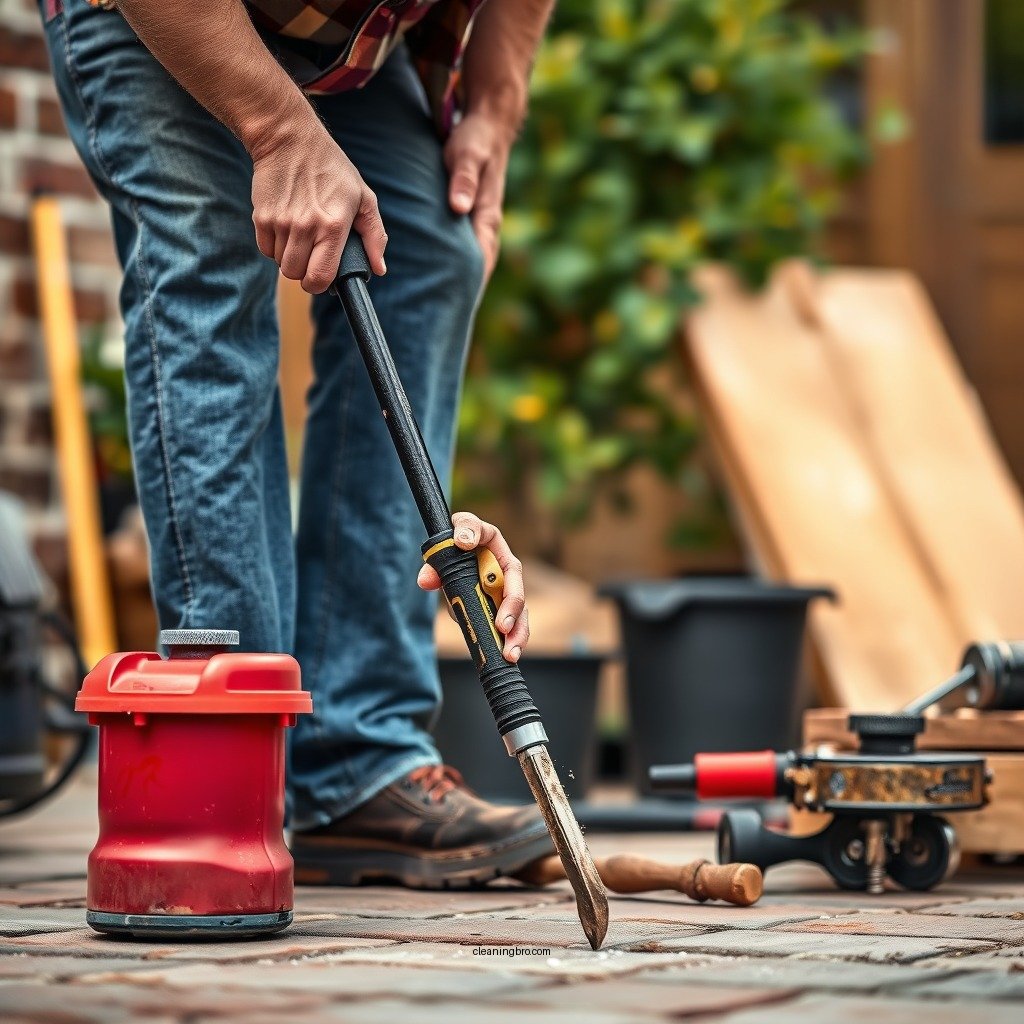
Cleaning can be a straightforward process when equipped with the right tools and supplies. Here’s what you’ll need:
1. Essential tools:
– Broom: A stiff broom is essential for sweeping away loose dirt and debris.
– Pressure washer: Ideal for deep cleaning, a pressure washer can remove stubborn stains and accumulated grime.
– Scrub brushes: Use brushes with stiff bristles for scrubbing tough stains manually.
2. Cleaning solutions:
– Mild detergent: A simple solution of warm water and mild dish detergent is often sufficient for regular cleaning.
– Degreasers: For oil stains, a commercial degreaser that is safe for your paver type will work best.
– Moss and algae treatment: Look for biocide solutions to eliminate organic growth without harming the pavers.
Preparing the Area
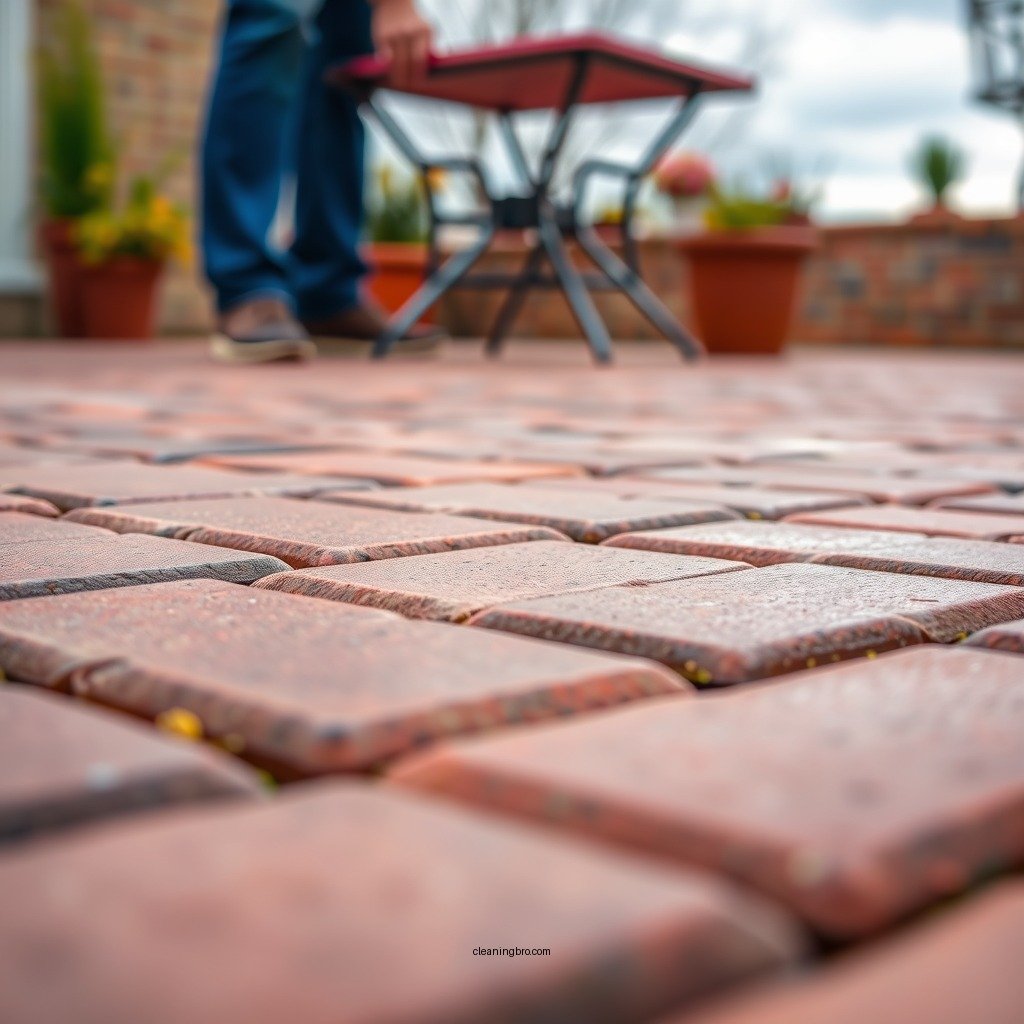
Before starting the cleaning process, preparation is essential to ensure effective results and avoid damage.
1. Clear debris: Remove all furniture, plants, and any other obstacles from the cleaning area. This will allow for unhindered access to the pavers and prevent any accidental damage.
2. Sweep the surface: Use a broom to collect loose dirt and dust. Sweeping will prevent debris from being forced into the pavers during pressure washing and will enhance the overall cleaning effectiveness.
Common Stains Found on Cambridge Pavers
| # | Stain Type | Common Sources | Recommended Solution |
|---|---|---|---|
| 1 | Oil | Vehicles, Grills | Degreaser |
| 2 | Moss | Shaded Areas | Biocide Treatment |
| 3 | Dirt | Foot Traffic | Mild Detergent |
| 4 | Algae | Moist Environments | Biocide Treatment |
| 5 | Rust | Metal Objects | Rust Remover |
| 6 | Food | Outdoor Dining | Mild Detergent |
| 7 | Leaves | Seasonal | Mild Rinsing |
Cleaning Techniques
Once the area is prepared, you are ready to commence the cleaning process. The following techniques are effective for maintaining the cleanliness of your Cambridge pavers:
1. Pressure washing: This method is efficient for deep cleaning, particularly for removing dirt and stains. When using a pressure washer, maintain a safe distance of at least 12 inches from the pavers to prevent damage. Adjust the pressure to a moderate level to avoid dislodging the pavers.
2. Manual scrubbing: For stubborn stains such as oil or moss, manual scrubbing is recommended. Use a scrub brush along with your chosen cleaning solution to work on affected areas. Make sure to scrub in a circular motion to lift the stain effectively. Rinse thoroughly afterward to remove any residue.
Effectiveness of Cleaning Methods
Post-Cleaning Care
After cleaning, it is essential to take steps to protect your Cambridge pavers and enhance their longevity.
1. Rinse thoroughly: Ensure that all cleaning solutions are completely rinsed away. Residual products can lead to discoloration or attract more dirt.
2. Seal your pavers: Applying a sealant can provide an additional layer of protection against stains and weathering. Sealants help to prevent moss and algae growth while enhancing the color of the pavers.
Ongoing Maintenance Tips
Maintaining the cleanliness and appearance of your Cambridge pavers is essential. Here are some ongoing maintenance tips:
1. Regular sweeping: Make a habit of sweeping your pavers regularly to remove debris. This simple action can prevent stains and prolong the life of your pavers.
2. Prompt stain treatment: Address spills or stains immediately to avoid long-term damage. Quick action can minimize the need for deep cleaning and help maintain the aesthetic appeal of your outdoor space.
In conclusion, cleaning Cambridge pavers doesn’t have to be a daunting task. By understanding the materials, using proper tools, preparing adequately, applying effective cleaning techniques, and engaging in ongoing maintenance, you can ensure your pavers remain beautiful for years to come. For more outdoor maintenance tips, consider subscribing to our newsletter or exploring our other articles.
Frequently Asked Questions
What is the best way to clean Cambridge pavers?
The best way to clean Cambridge pavers is to use a mixture of warm water and mild dish soap. Apply the solution using a stiff-bristle broom to scrub the surface. For tougher stains, consider using a paver cleaner specifically designed for stone surfaces, and always rinse thoroughly with water to remove any residue.
How often should I clean my Cambridge pavers?
You should clean your Cambridge pavers at least once or twice a year to maintain their appearance and prevent the buildup of dirt, algae, and moss. In high-traffic areas or if you notice staining, more frequent cleaning may be necessary to keep them looking their best.
Why are my Cambridge pavers turning green, and how can I remove it?
Cambridge pavers may turn green due to the growth of algae or moss, which thrives in damp, shaded areas. To remove this, use a mixture of vinegar and water or a specialized algae remover, applying it to the affected areas and scrubbing gently before rinsing with water.
Which tools are necessary for cleaning Cambridge pavers effectively?
To clean Cambridge pavers effectively, you will need a stiff-bristle broom or a pressure washer for larger areas, a bucket for mixing cleaning solutions, and a garden hose for rinsing. For tough stains, a scrubbing brush and gloves are also recommended to protect your hands.
What should I avoid when cleaning Cambridge pavers?
When cleaning Cambridge pavers, avoid using harsh chemicals, bleach, or acidic cleaners, as they can damage the paver surface and finish. Additionally, refrain from using steel brushes or metal scrapers, which can scratch the pavers, and always test any cleaning product on a small, inconspicuous area first.
References
- https://www.britannica.com/topic/paver
https://www.britannica.com/topic/paver - https://www.scholar.google.com/scholar?q=cleaning+cambridge+pavers Google Scholar
https://www.scholar.google.com/scholar?q=cleaning+cambridge+pavers - https://www.scholar.google.com/scholar?q=maintenance+of+cambridge+pavers Google Scholar
https://www.scholar.google.com/scholar?q=maintenance+of+cambridge+pavers - University of Houston Cullen College of Engineering
https://www.uh.edu/engineering/ - https://www.nature.com/articles/
https://www.nature.com/articles/ - https://www.sciencedirect.com/topics/earth-and-planetary-sciences/paving-stones
https://www.sciencedirect.com/topics/earth-and-planetary-sciences/paving-stones - https://www.extension.purdue.edu/extmedia/HO/HO-224-W.pdf
https://www.extension.purdue.edu/extmedia/HO/HO-224-W.pdf - https://www.extension.umn.edu/garden/landscaping/cleaning-paver-stones/
https://www.extension.umn.edu/garden/landscaping/cleaning-paver-stones/ - https://www.pennstate.edu/
https://www.pennstate.edu/ - Google Scholar Google Scholar
https://scholar.google.com/scholar?q=how+to+clean+cambridge+pavers