How to Clean Car Plastic Trim: Effective Methods and Tips
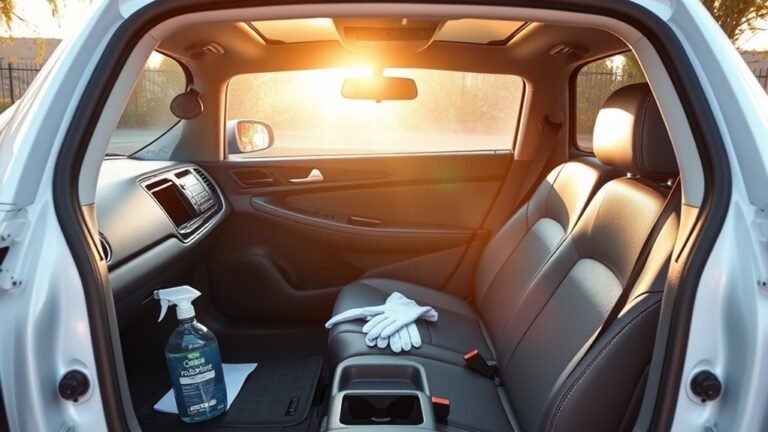
Cleaning car plastic trim is essential for maintaining your vehicle’s appearance and preventing sun damage. To effectively clean and restore your car’s plastic trim, you’ll need to use the right products and techniques that can rejuvenate its look without causing harm. In this article, we’ll explore the best methods to clean your car’s plastic trim, ensuring it stays looking fresh and new.
Choosing the Right Cleaning Products
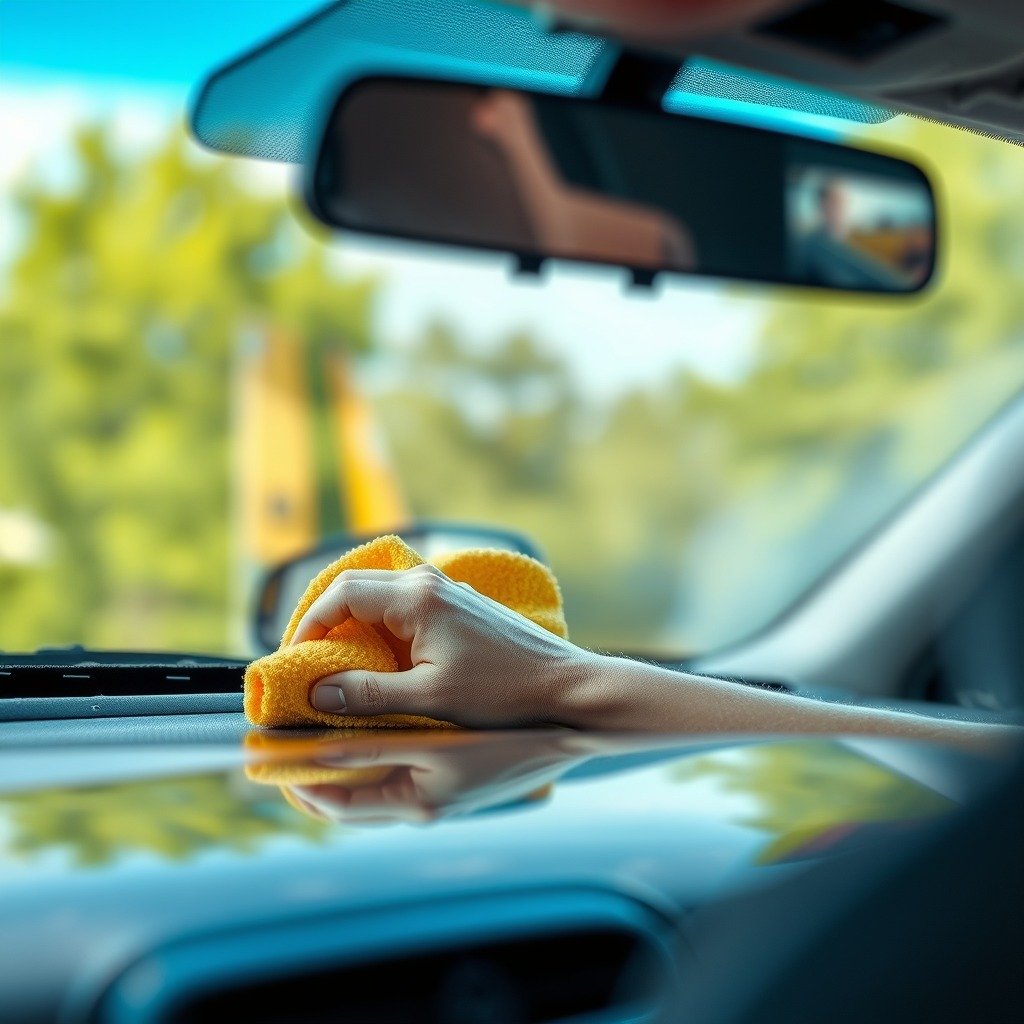
Selecting the right cleaning products is crucial for maintaining the integrity of your car’s plastic trim. A gentle plastic cleaner specifically designed for automotive use is ideal. These cleaners are formulated to be effective while minimizing the risk of damage to the plastic surface. Look for products that are non-abrasive and free from harsh chemicals, such as bleach or ammonia, which can cause discoloration or degradation over time.
Additionally, consider using biodegradable cleaners as they are environmentally friendly and often safer for your vehicle’s surfaces. Brands like Meguiar’s, Mothers, and Chemical Guys offer high-quality options that not only clean but also nourish the trim. Always read product labels to ensure compatibility with your specific trim material, as some plastics may require special care.
Preparing the Trim for Cleaning
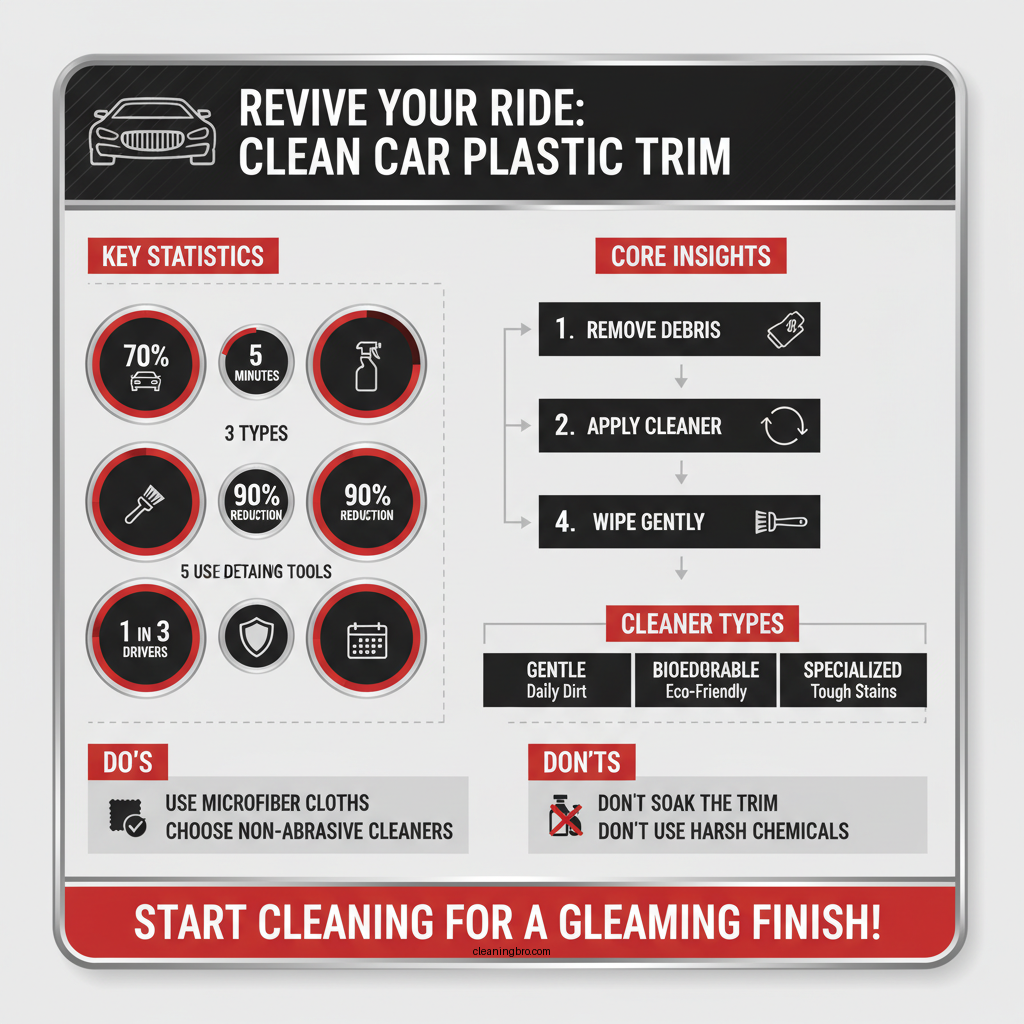

Before you begin the cleaning process, it’s essential to prepare the trim properly. Start by removing loose dirt and debris using a soft brush or a microfiber cloth. This step helps prevent scratches when you apply the cleaner. A vacuum cleaner with a brush attachment can also be beneficial for reaching into crevices where dust may accumulate.
Next, use water to moisten the surface of the trim. This technique softens any stubborn grime and makes it easier to clean. You can simply mist the trim lightly with water or use a damp cloth, which helps to lift dirt away without causing damage. Be sure to avoid soaking the trim, as excessive moisture can lead to other issues, such as mold growth or damage to electrical components.
Step-by-Step Cleaning Process

Once the trim is prepared, it’s time to start the cleaning process. Here’s a detailed step-by-step guide:
1. Apply Cleaner: Instead of spraying the cleaner directly onto the trim, apply it to a clean microfiber cloth. This method allows you to control the amount of product used and prevents over-saturation of the plastic.
2. Wipe in Circular Motion: Gently wipe the trim in a circular motion. This technique is effective for lifting dirt, grime, and any residues without scratching the surface. Take care to focus on areas with more buildup, but avoid using excessive pressure.
3. Detailing Tools: For intricate areas or textured surfaces, consider using detailing brushes or soft-bristled brushes to ensure a thorough clean without damaging the trim.
4. Repeat if Necessary: If the trim still appears dirty after the first pass, repeat the process, allowing the cleaner to sit for a minute before wiping it clean again.
5. Final Wipe: After cleaning, give the trim a final wipe with a dry microfiber cloth to ensure a spotless finish.
Rinsing and Drying
After cleaning, it’s important to remove any cleaner residue from the trim. Use a damp cloth to wipe down the surface. This step ensures that no cleaning product is left behind, which can attract dirt and cause the trim to look dull.
Next, dry the trim with a separate clean microfiber cloth. Using a dedicated drying cloth helps prevent water spots and streaks, giving the trim a polished appearance. It’s essential to ensure that the trim is completely dry before exposing it to moisture again, especially if your vehicle is parked outdoors.
Protecting the Trim After Cleaning
Once your trim is clean, consider applying a plastic protectant to enhance shine and UV protection. Products designed for trim restoration can provide a layer of protection against the sun’s harmful rays, which can cause fading and cracking over time.
Regular maintenance is key to keeping your trim looking its best. Aim to clean and protect the trim every few months, or more frequently if your vehicle is regularly exposed to the elements. Not only will this practice enhance the aesthetic appeal of your car, but it will also prolong the lifespan of its plastic components.
Common Mistakes to Avoid
While cleaning car plastic trim may seem straightforward, there are common mistakes that can hinder your efforts or cause damage:
– Using Abrasive Materials: Avoid sponges or brushes that are too coarse, as they can scratch or dull the surface of the trim.
– Cleaning in Direct Sunlight: Performing this task in direct sunlight can lead to products drying too quickly, making them less effective and resulting in streaks or residue. Always aim to clean in a shaded area or during cooler parts of the day.
– Skipping the Rinse: Not rinsing off cleaning products can lead to a buildup of residue, which attracts dirt and grime faster than a clean surface.
Frequency of Cleaning
Establishing a regular cleaning schedule is essential for maintaining the appearance of your car’s plastic trim. For vehicles frequently parked outdoors or near trees, consider cleaning the trim every month. If your car is mostly garaged, a quarterly schedule may suffice.
Keep an eye on the trim’s condition and adjust your cleaning frequency based on environmental factors like dust, pollen, and exposure to sunlight. Regular cleaning not only preserves aesthetics but also allows you to catch any potential issues before they become significant problems.
Top Plastic Trim Cleaners (2024)
| # | Product Name | Type | UV Protection | User Rating |
|---|---|---|---|---|
| 1 | Meguiar’s Ultimate Black | Spray | Yes | ★★★★☆ |
| 2 | 303 Aerospace Protectant | Liquid | Yes | ★★★★★ |
| 3 | Chemical Guys Trim Clean | Foam | Yes | ★★★★☆ |
| 4 | Mothers Back-to-Black | Cream | Yes | ★★★★☆ |
| 5 | Griot’s Garage Interior Cleaner | Spray | No | ★★★★☆ |
| 6 | Adam’s Polishes Interior Detailer | Spray | Yes | ★★★★★ |
| 7 | Black Magic Trim & Plastic Restorer | Liquid | Yes | ★★★☆☆ |
Popular Car Trim Cleaning Methods (Effectiveness)
Cleaning your car’s plastic trim is a simple yet impactful process that can greatly enhance its overall look. By using the right products and following these steps, you can maintain your vehicle’s aesthetic and protect it from damage. Make cleaning your car’s plastic trim a regular practice to keep it looking its best!
Frequently Asked Questions
What is the best way to clean car plastic trim?
The best way to clean car plastic trim is to use a gentle automotive cleaner specifically formulated for plastic surfaces. Start by spraying the cleaner onto a microfiber cloth and wiping down the trim to remove dirt and grime. For tough stains, you can use a soft-bristled brush to gently scrub the area, then follow up with a damp cloth to remove any residue.
How do I remove scratches from plastic trim in my car?
To remove scratches from plastic trim, you can use a plastic polish or a specialized scratch remover. Apply a small amount of the product on a microfiber cloth, and gently buff the scratched area in a circular motion. For deeper scratches, consider using fine grit sandpaper followed by a polishing compound to restore the surface.
Why is it important to clean car plastic trim regularly?
Regularly cleaning car plastic trim is important to maintain its appearance and prevent fading or cracking caused by UV exposure and environmental pollutants. Dirt and grime can accumulate, leading to discoloration and damage over time. By incorporating trim cleaning into your routine maintenance, you can extend the life of your car’s interior and exterior plastics.
Which products are safe for cleaning car plastic trim without causing damage?
Safe products for cleaning car plastic trim include pH-balanced automotive cleaners, mild soap solutions, and dedicated plastic trim cleaners. Avoid using harsh chemicals like bleach or ammonia, as these can cause discoloration or surface damage. Always test any product on a small, inconspicuous area first to ensure compatibility with your trim.
How can I protect car plastic trim after cleaning?
After cleaning, protect car plastic trim by applying a trim restorer or protectant that contains UV inhibitors. This will help shield the plastic from sun damage and keep it looking new longer. Ensure the surface is completely dry before applying the protectant for the best results, and reapply every few months for optimal protection.
References
- How to Clean Your Car Interior Like a Pro – Car and Driver
https://www.caranddriver.com/research/a35370528/how-to-clean-car-interior/ - https://www.detailingbliss.com/cleaning-plastic-trim/
https://www.detailingbliss.com/cleaning-plastic-trim/ - https://www.sciencedirect.com/topics/engineering/automobile-interior
https://www.sciencedirect.com/topics/engineering/automobile-interior - SAE International | Advancing mobility knowledge and solutions
https://www.sae.org/publications/technical-papers/content/2019-01-2011/ - Google Scholar Google Scholar
https://scholar.google.com/scholar?q=cleaning+car+plastic+trim - Google Scholar Google Scholar
https://scholar.google.com/scholar?q=automotive+interior+cleaning - Google Scholar Google Scholar
https://scholar.google.com/scholar?q=plastic+trim+cleaning+methods - Google Scholar Google Scholar
https://scholar.google.com/scholar?q=how+to+clean+car+plastic+trim - how to clean car plastic trim – Search results
https://en.wikipedia.org/wiki/Special:Search?search=how+to+clean+car+plastic+trim - https://www.ncbi.nlm.nih.gov/search/research-articles/?term=how+to+clean+car+plastic+trim
https://www.ncbi.nlm.nih.gov/search/research-articles/?term=how+to+clean+car+plastic+trim