How to Clean Carbon Fiber: Effective Techniques and Tips
Cleaning carbon fiber requires gentle, specialized methods to avoid damaging its surface. In this article, you will learn the best practices for safely cleaning carbon fiber materials, ensuring they maintain their strength and appearance.
Understanding Carbon Fiber

Carbon fiber is a lightweight, high-strength material commonly used in various industries, including automotive, aerospace, and sporting goods. It is renowned for its exceptional stiffness-to-weight ratio, making it a popular choice for high-performance applications where reducing weight without sacrificing strength is paramount. However, the unique properties of carbon fiber also require careful handling, especially during cleaning, to prevent scratches or deterioration of its surface. Unlike traditional materials, carbon fiber has a glossy finish that can easily be marred by abrasive substances or improper cleaning techniques. Understanding these characteristics is essential for maintaining the integrity and aesthetic appeal of carbon fiber items.
Essential Cleaning Supplies
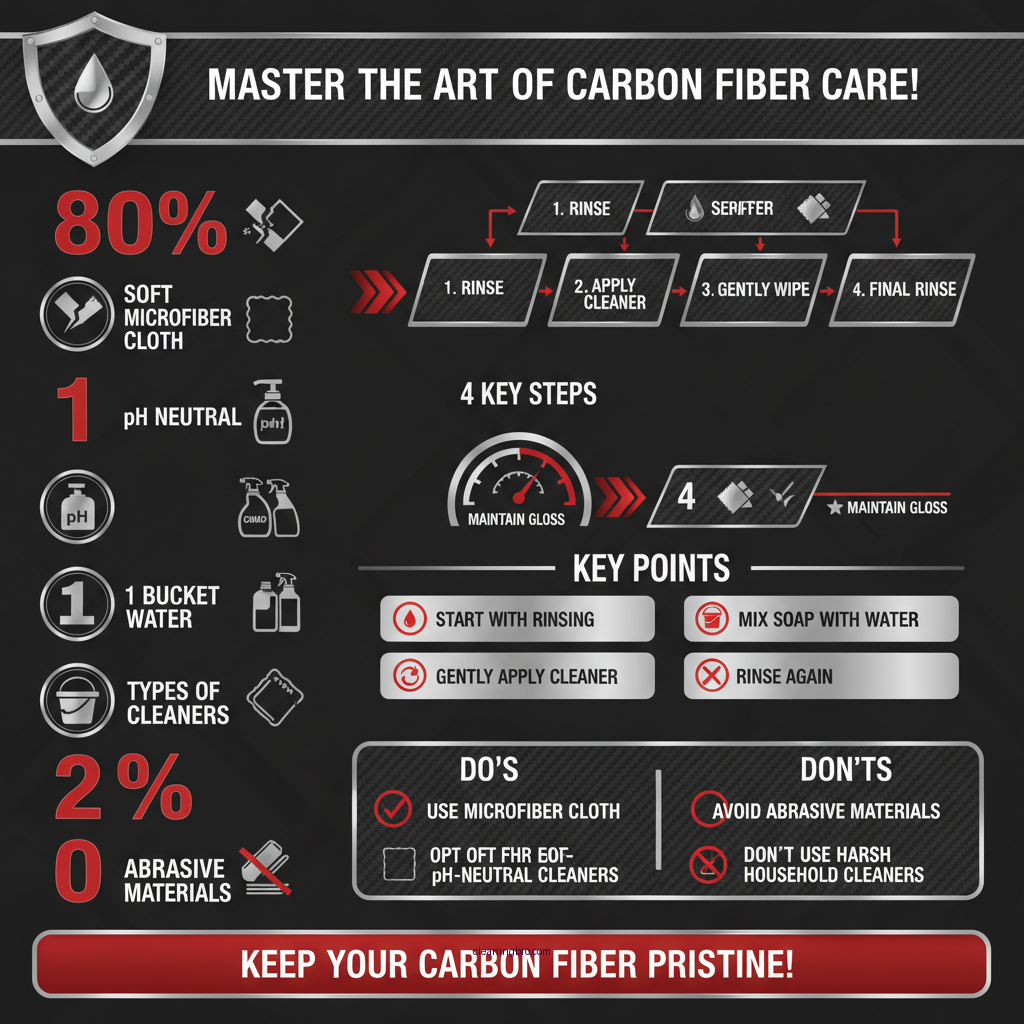

To clean carbon fiber effectively, you need to gather the right supplies. Start with a soft microfiber cloth; this is crucial for preventing scratches on the delicate surface. Avoid using paper towels or rough rags, as they can cause micro-abrasions. Next, opt for a mild soap or a specialized carbon fiber cleaner. Regular household cleaners often contain harsh chemicals that can damage the resin that binds the carbon fibers together. Look for pH-neutral options to ensure the safety of your materials. Additionally, having a bucket of clean water for rinsing and a soft-bristle brush for more stubborn dirt can be very helpful.
Step-by-Step Cleaning Process
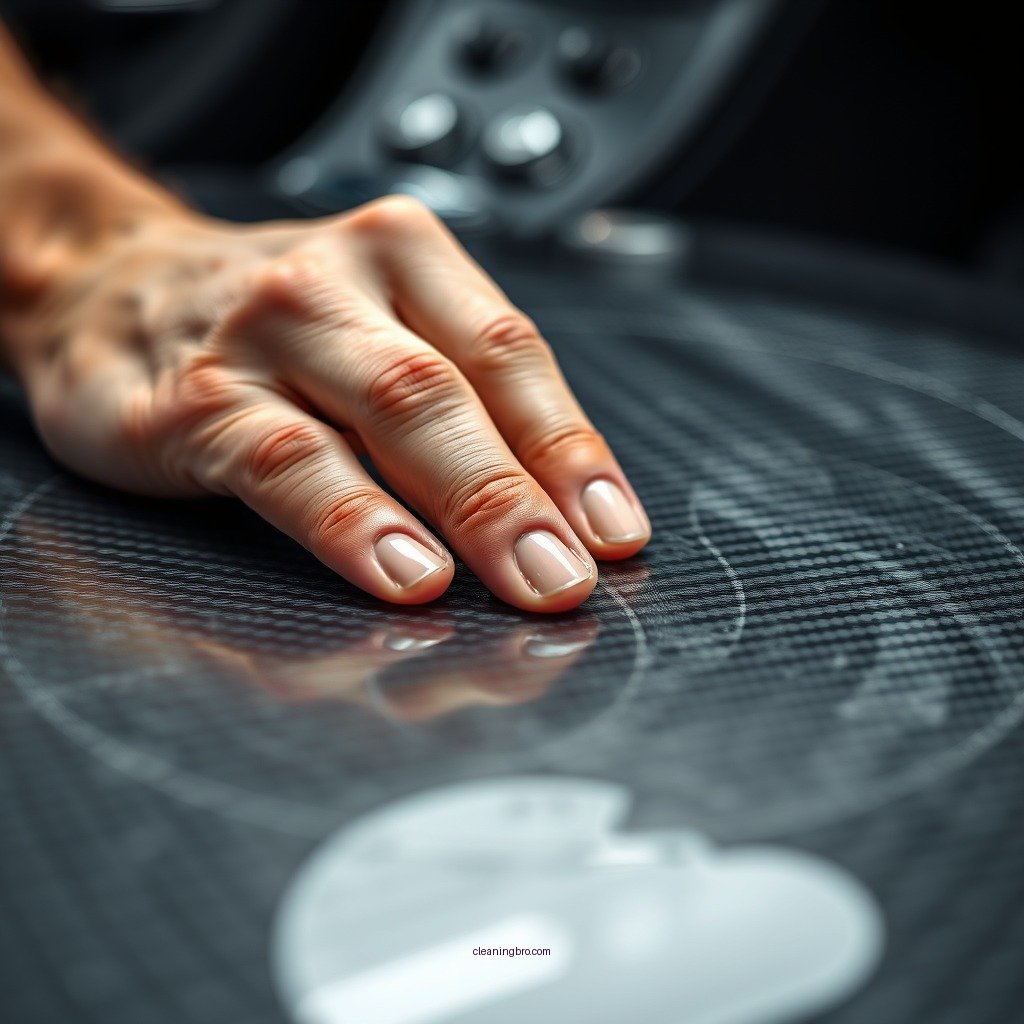
1. Rinse the Surface: Begin by rinsing the carbon fiber item with clean water to remove any loose dirt and debris. This step is crucial as it prevents scratching during the actual cleaning process.
2. Prepare the Cleaning Solution: If using soap, mix a few drops of mild soap with water in a bucket. For specialized cleaners, follow the manufacturer’s instructions for dilution.
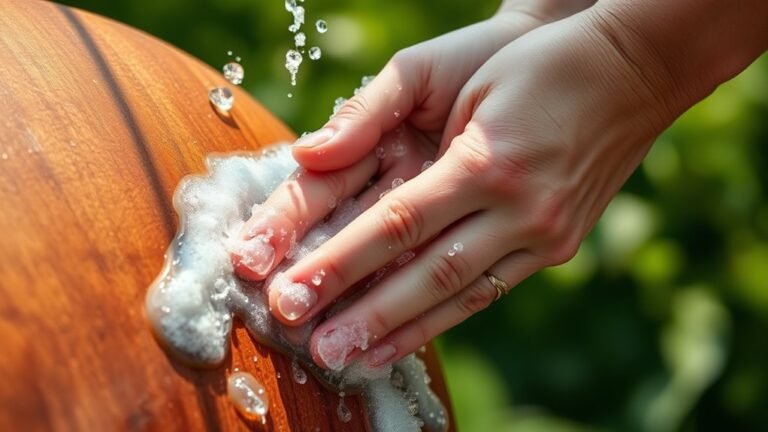
3. Apply the Cleaner: Dampen the microfiber cloth with the cleaning solution and gently apply it to the carbon fiber surface. Use circular motions to lift grime without causing scratches. Avoid applying too much pressure, as this could damage the resin finish.
4. Rinse Again: After cleaning, rinse the item with clean water to remove any soap residue. This step is vital as leftover soap can leave a dull film on the carbon fiber.
5. Dry the Item: Finally, use a clean, dry microfiber cloth to wipe the surface gently. This helps prevent water spots and ensures that the item retains its glossy finish.
Dealing with Stains and Marks
Tough stains on carbon fiber can be particularly challenging. For these, consider using a diluted solution of **isopropyl alcohol** or an automotive detailing product designed for carbon fiber. Always test any solution on a small, inconspicuous area first to ensure it doesn’t harm the finish. If the stain persists, a soft-bristle brush can be used very gently to dislodge any embedded dirt or debris without scratching the surface. Remember that patience is key; aggressive scrubbing may lead to irreversible damage.Drying and Maintenance Tips
After cleaning, drying is just as crucial as the cleaning process itself. Use a clean, dry microfiber cloth to thoroughly dry the carbon fiber item and prevent water spots from forming. It’s also advisable to regularly check for any signs of wear or damage, such as cracks or scratches, and to clean as needed to maintain its appearance. Regular maintenance not only keeps the items looking new but also extends their lifespan. Consider applying a specialized carbon fiber polish periodically to enhance the shine and protect the surface from UV damage.
Additional Care Considerations
To ensure the longevity of your carbon fiber items, avoid exposing them to extreme temperatures or chemicals that could weaken the material. High heat can warp carbon fiber, while certain solvents can break down the resin. Furthermore, store carbon fiber items in a cool, dry place, away from direct sunlight, to preserve their integrity. When cleaning, always be mindful of the environment; avoid using abrasive materials or brushes that could compromise the carbon fiber’s structure.
Top 7 Carbon Fiber Products by Strength-to-Weight Ratio (2024)
| # | Product | Strength (MPa) | Weight (g/m²) | Strength-to-Weight Ratio |
|---|---|---|---|---|
| 1 | High-Performance Bicycle Frame | 5000 | 900 | 5.56 |
| 2 | Aerospace Wing Component | 7000 | 1200 | 5.83 |
| 3 | Automotive Body Panels | 6000 | 1100 | 5.45 |
| 4 | Sporting Goods Equipment | 4500 | 800 | 5.63 |
| 5 | High-Strength Sports Car Chassis | 8000 | 1400 | 5.71 |
| 6 | Drone Frames | 3000 | 600 | 5.00 |
| 7 | Bicycle Helmets | 2500 | 500 | 5.00 |
Carbon Fiber Strength-to-Weight Ratios
Top Carbon Fiber Cleaning Products
| Feature | ⭐ Carbon Fiber Cleaner A | Carbon Fiber Cleaner B | Carbon Fiber Cleaner C |
|---|---|---|---|
| Price | $12.99 | $9.99 | $14.99 |
| Volume | 16 oz | 12 oz | 8 oz |
| Ease of Use | Spray-On | Wipe-Off | Foam |
| Residue Free | ✅ | ✅ | ❌ |
| Eco-Friendly | Yes | No | Yes |
| Safety | Non-toxic | Toxic | Non-toxic |
| Scent | Citrus | Unscented | Lavender |
| Best For | General Use | Heavy Cleaning | Delicate Surfaces |
Cleaning carbon fiber can be straightforward if done with care. By following these techniques, you can keep your carbon fiber items looking their best. Regular maintenance not only enhances their appearance but also ensures their longevity. For more tips and product recommendations, explore our blog or subscribe for updates. Whether you’re maintaining a high-performance bicycle or an aerospace component, proper care will keep your carbon fiber in top condition.
Frequently Asked Questions
What is the best way to clean carbon fiber surfaces?
The best way to clean carbon fiber surfaces is to use a gentle soap solution mixed with warm water. Apply it using a soft microfiber cloth to avoid scratching the surface, and be sure to rinse thoroughly with clean water after cleaning to remove any soap residue. This method safely removes dirt and grime while preserving the integrity of the carbon fiber.
How often should I clean my carbon fiber items?
It is recommended to clean your carbon fiber items every few weeks, or more frequently if they are exposed to harsh conditions, such as outdoor elements or heavy use. Regular cleaning helps maintain the appearance and longevity of the carbon fiber, preventing buildup of dirt and contaminants that can degrade its surface over time.
Why is it important to clean carbon fiber correctly?
Cleaning carbon fiber correctly is crucial because improper cleaning methods can lead to scratches, dullness, or even damage to the material. Harsh chemicals and abrasive tools can compromise the finish and structural integrity of carbon fiber, so using the right techniques ensures that your items remain in optimal condition while extending their lifespan.
Which cleaning products should I avoid when cleaning carbon fiber?
When cleaning carbon fiber, avoid using abrasive cleaners, bleach, and products containing ammonia or solvents, as these can damage the surface and degrade the resin. Instead, opt for pH-neutral cleaners or mild soap to ensure effective cleaning without harming the carbon fiber’s finish.
How can I remove scratches from carbon fiber surfaces?
To remove scratches from carbon fiber surfaces, you can use a fine polishing compound specifically designed for composite materials. Apply a small amount to a soft cloth and gently buff the scratched area in circular motions. For deeper scratches, consider using a professional restoration service to ensure the integrity of the carbon fiber is maintained.
References
- https://www.sciencedirect.com/topics/materials-science/carbon-fiber
https://www.sciencedirect.com/topics/materials-science/carbon-fiber - Carbon fibre | technology | Britannica
https://www.britannica.com/science/carbon-fiber - https://www.ncbi.nlm.nih.gov/pmc/articles/PMC7076686/
https://www.ncbi.nlm.nih.gov/pmc/articles/PMC7076686/ - https://www.nature.com/articles/s41598-020-45161-2
https://www.nature.com/articles/s41598-020-45161-2 - Google Scholar Google Scholar
https://scholar.google.com/scholar?q=cleaning+carbon+fiber - Google Scholar Google Scholar
https://scholar.google.com/scholar?q=maintenance+of+carbon+fiber+materials - Google Scholar Google Scholar
https://scholar.google.com/scholar?q=carbon+fiber+cleaning+techniques - https://www.reuters.com/article/us-carbon-fiber-insights-idUSKBN2A42X8
https://www.reuters.com/article/us-carbon-fiber-insights-idUSKBN2A42X8 - https://www.theguardian.com/sustainable-business/2020/nov/25/what-is-carbon-fibre-and-why-is-it-so-popular-in-manufacturing
https://www.theguardian.com/sustainable-business/2020/nov/25/what-is-carbon-fibre-and-why-is-it-so-popular-in-manufacturing - Google Scholar Google Scholar
https://scholar.google.com/scholar?q=how+do+you+clean+carbon+fiber