How to Clean Cedar Shingles
To clean cedar shingles, start by gathering supplies like a pressure washer, soft-bristle brush, and a mild detergent. Remove debris, inspect for damage, and cover surrounding plants. Mix your cleaning solution according to the instructions, then apply it gently with the brush. Rinse thoroughly to eliminate any soap residue. Remember to wear protective gear throughout the process for safety. If you’re looking for more detailed steps and tips, there’s plenty more to explore!
Preparation For Cleaning
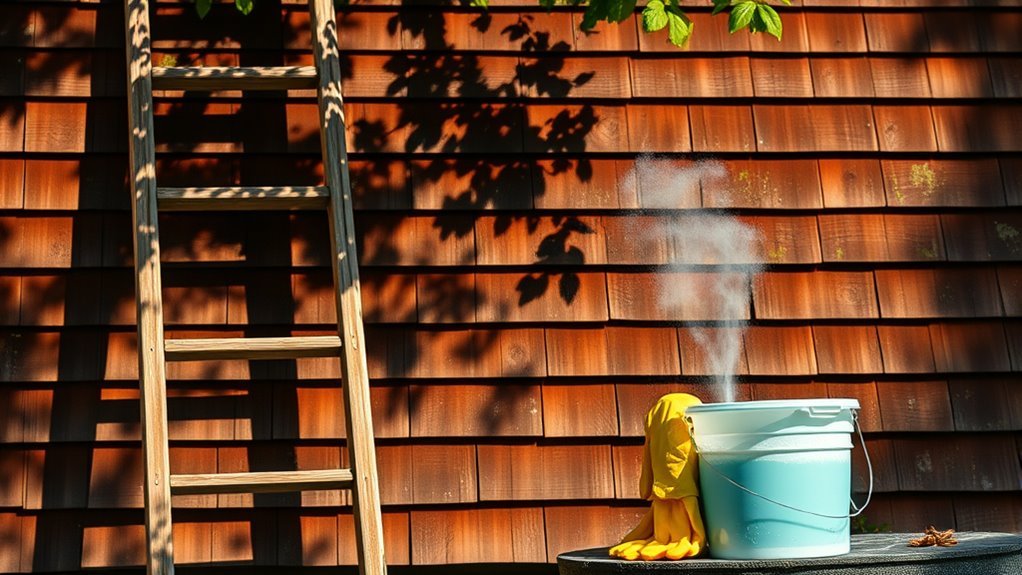
Before you start cleaning your cedar shingles, it’s important to gather the right supplies and prepare the area. First, choose a suitable cleaning method—whether it’s a gentle chemical solution or a pressure wash. Make certain you have protective gear, including gloves and goggles, to keep yourself safe. Next, cover any surrounding plants or surfaces that could be damaged during the cleaning process; surface protection is key to preventing any unwanted harm. Remove debris like leaves and dirt from the shingles to guarantee a thorough clean. Finally, check the weather forecast; you’ll want a dry day to allow the shingles to dry properly after cleaning. With the right prep, you’re ready to plunge into cleaning your cedar shingles effectively! It’s also essential to avoid harsh chemicals to protect both the wood and surrounding environment.
Tools and Chemical Required
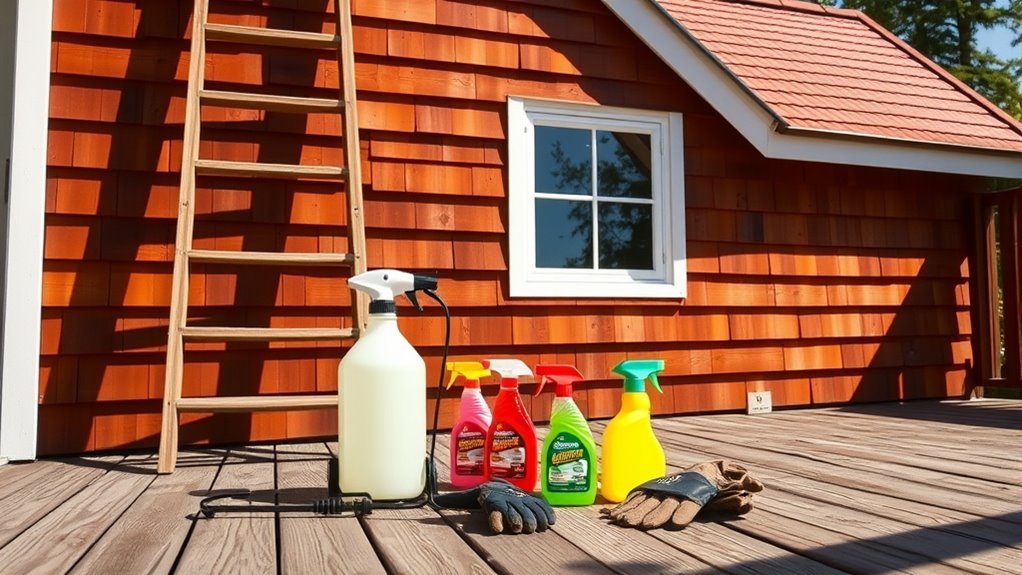
Once you’re prepared for the cleaning process, gathering the right tools and chemicals is the next step. You’ll need effective cleaning solutions and protective gear to guarantee a safe and thorough job.
| Tools | Chemicals |
|---|---|
| Pressure washer | Oxygen bleach |
| Soft-bristle brush | Mild dish soap |
| Garden sprayer | Commercial cleaner |
A pressure washer can save time, while a soft-bristle brush helps tackle stubborn stains. Don’t forget protective gear like gloves, goggles, and a mask to safeguard against chemicals and debris. With the right tools and solutions, you’ll maintain the beauty of your cedar shingles, allowing your home to shine with freedom and character.
How to Clean:
How to Clean Cedar Shingles: A Step-by-Step Guide
Cleaning cedar shingles is essential for maintaining their appearance and prolonging their lifespan. Follow this detailed guide to ensure your shingles are cleaned effectively.
Step 1: Prepare the Area
- Remove Debris: Start by clearing the area around your shingles. Remove any leaves, twigs, or other debris that may have accumulated on or near the shingles.
- Check for Damage: Inspect the shingles for any signs of damage or decay. This will help you identify areas that may need special attention during cleaning.
Step 2: Choose a Cleaning Solution
- Select a Mild Detergent: Opt for a cleaning solution specifically designed for cedar wood. A simple mixture of water and mild detergent works well.
- Mix the Solution: Combine water and detergent in a bucket according to the manufacturer’s instructions, ensuring you have enough solution to cover the entire area you plan to clean.
Step 3: Apply the Cleaning Solution
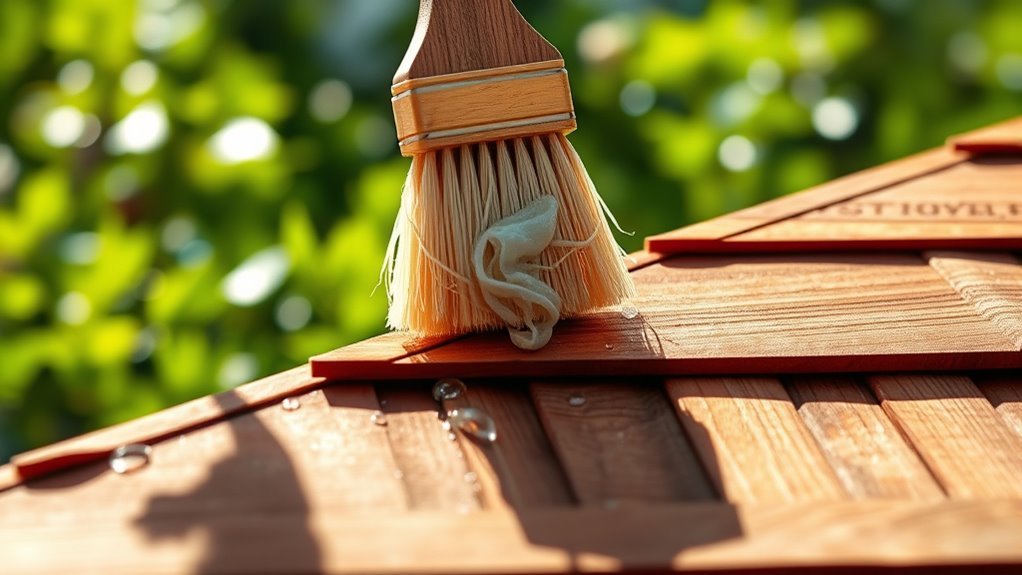
- Use a Soft-Bristle Brush: Dip a soft-bristle brush into the cleaning solution. This will help prevent damage to the wood while effectively removing dirt.
- Scrub Gently: Apply the solution to the shingles, scrubbing gently in the direction of the wood grain. This technique helps avoid scratching or damaging the surface.
Step 4: Rinse Thoroughly
- Use a Garden Hose: After scrubbing, rinse the shingles thoroughly with a garden hose. Make sure to remove all soap residue, as leftover detergent can harm the wood over time.
- Check for Residue: Inspect the shingles to ensure that no cleaning solution remains, as this could lead to discoloration or damage.
Step 5: Address Heavy Soiling or Stains
- Consider Pressure Washing: If your shingles are heavily soiled or stained, you may need to use a pressure washer on a low setting. Be cautious, as high pressure can damage the wood.
- Work from the Top Down: Always start cleaning from the top of the shingles and work your way down to prevent streaking and ensure even cleaning.
Step 6: Maintain Regular Cleaning
- Schedule Regular Maintenance: To keep your cedar shingles looking great, establish a regular cleaning schedule. This can vary depending on your environment but aim for at least once a year.
- Monitor Shingle Condition: Regular cleaning not only enhances the appearance but also allows you to monitor the condition of the shingles, enabling you to address any issues promptly.
Safety Consideration
While cleaning cedar shingles can be a straightforward task, safety shouldn’t be overlooked. Before you begin, make certain you’ve got the right safety gear. Wear gloves, goggles, and a mask to protect yourself from dust and any harmful chemicals you might use. If you’re handling cleaning solutions, always read the labels and follow the manufacturer’s instructions carefully. It’s vital to understand proper chemical handling to avoid any accidents or health issues. Additionally, if you’re working at heights, secure your ladder and consider using a harness. Taking these precautions not only guarantees your safety but also lets you enjoy the freedom of a successful cleaning project without worry. Remember, a safe approach makes for a smoother, more enjoyable experience.
Frequently Asked Questions
How Often Should Cedar Shingles Be Cleaned?
Imagine your cedar shingles as a vibrant garden; if you neglect it, weeds will take over. You should aim for a cleaning frequency of once every one to three years, depending on your local environment. Establishing a maintenance schedule helps keep those shingles looking fresh and prevents decay. Regular inspections can also catch issues early, allowing you to enjoy your beautiful roof without worry and maintain the freedom that comes with a well-kept home.
Can I Use a Pressure Washer on Cedar Shingles?
You shouldn’t use a pressure washer on cedar shingles, as it can damage the wood and lead to water intrusion. Instead, focus on gentle cleaning methods for cedar maintenance. If you want to use a pressure washer, keep it at a low setting and maintain a safe distance. Pressure washer tips include using a wide spray nozzle and avoiding concentrated streams. This way, you’ll preserve the integrity of your shingles while keeping them clean.
What Is the Best Time of Year to Clean Cedar Shingles?
The best time of year to clean cedar shingles is during spring cleaning. This season offers mild temperatures and lower humidity, which helps prevent mold and mildew from getting a foothold. Plus, tackling this task as part of your seasonal maintenance guarantees your shingles stay in great shape, enhancing your home’s appearance and longevity. You’ll find it easier to spot any damage or areas needing repairs when you give your shingles some attention in spring.
Will Cleaning Damage the Cedar Shingles?
Cleaning cedar shingles won’t necessarily damage them if you use the right techniques. Imagine a gentle rain washing away dirt, revealing the rich, warm hues beneath. To maintain shingle durability, opt for soft-bristle brushes and mild cleaners, avoiding harsh chemicals that could strip away natural oils. Rinse thoroughly to prevent residue buildup. By treating your shingles with care, you can preserve their beauty and extend their life, allowing you the freedom to enjoy your home’s charm.
How Can I Prevent Mildew on My Cedar Shingles?
To prevent mildew on your cedar shingles, focus on proper cedar maintenance. Keep the shingles clean by regularly removing debris and ensuring proper drainage. Trim back surrounding trees to increase sunlight exposure, which helps reduce moisture accumulation. Consider applying a mildew-resistant wood preservative to enhance protection. Additionally, inspect your shingles periodically for signs of mildew and address any issues promptly to maintain the beauty and longevity of your cedar shingles.