How to Clean Cement Around Your Pool: Effective Methods
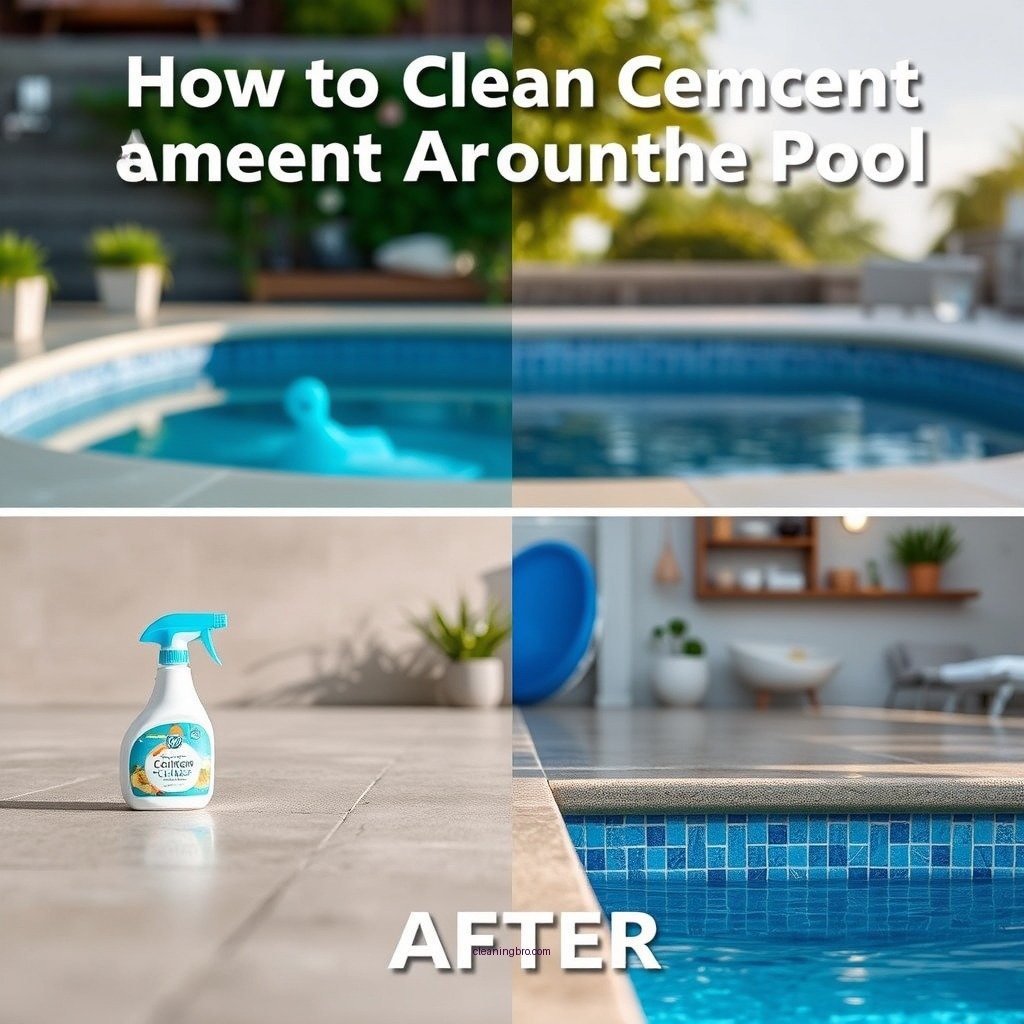
Cleaning the cement around your pool is essential for maintaining its appearance and preventing algae growth. The best way to do this is by using a combination of pressure washing, scrubbing, and appropriate cleaning solutions. In this article, you’ll learn effective techniques to keep your pool area clean and safe, ensuring that your outdoor oasis remains inviting and hygienic.
Maintaining the cleanliness of your pool deck is not just about aesthetics; it plays a vital role in safety, preventing slips and falls caused by algae or mold build-up. Regular cleaning can extend the lifespan of your cement surface, helping you avoid costly repairs. Let’s delve into the methods that will help you achieve a sparkling clean pool area.
Understanding the Types of Stains
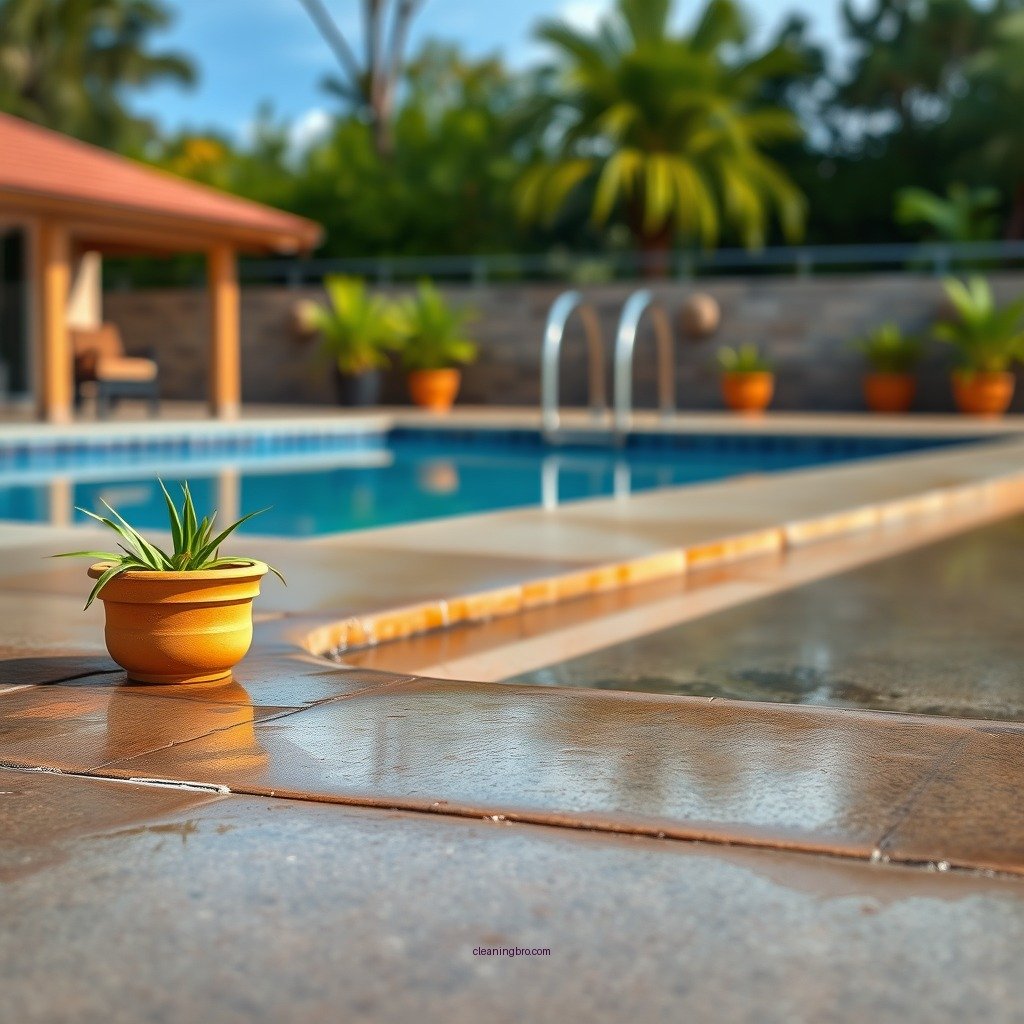
To effectively clean the cement around your pool, it’s crucial to identify the types of stains you might encounter. Common stains include:
– Mold and Mildew: These thrive in damp, shaded areas and can create slippery surfaces.
– Algae: Typically green or black, algae can spread quickly, particularly in warm weather.
– Mineral Deposits: Often caused by hard water, these stains can leave unsightly white marks on the cement.
– Oil and Grease: These can be caused by barbecue spills or sunscreen application.
Depending on the type of stain, the cleaning method will vary. For instance, mold and mildew may require a bleach solution, while mineral deposits may be more effectively treated with a vinegar solution. Understanding these differences will guide you in selecting the right tools and cleaners for your task.
Preparing for Cleaning
Before you start the cleaning process, preparation is key. Follow these steps:
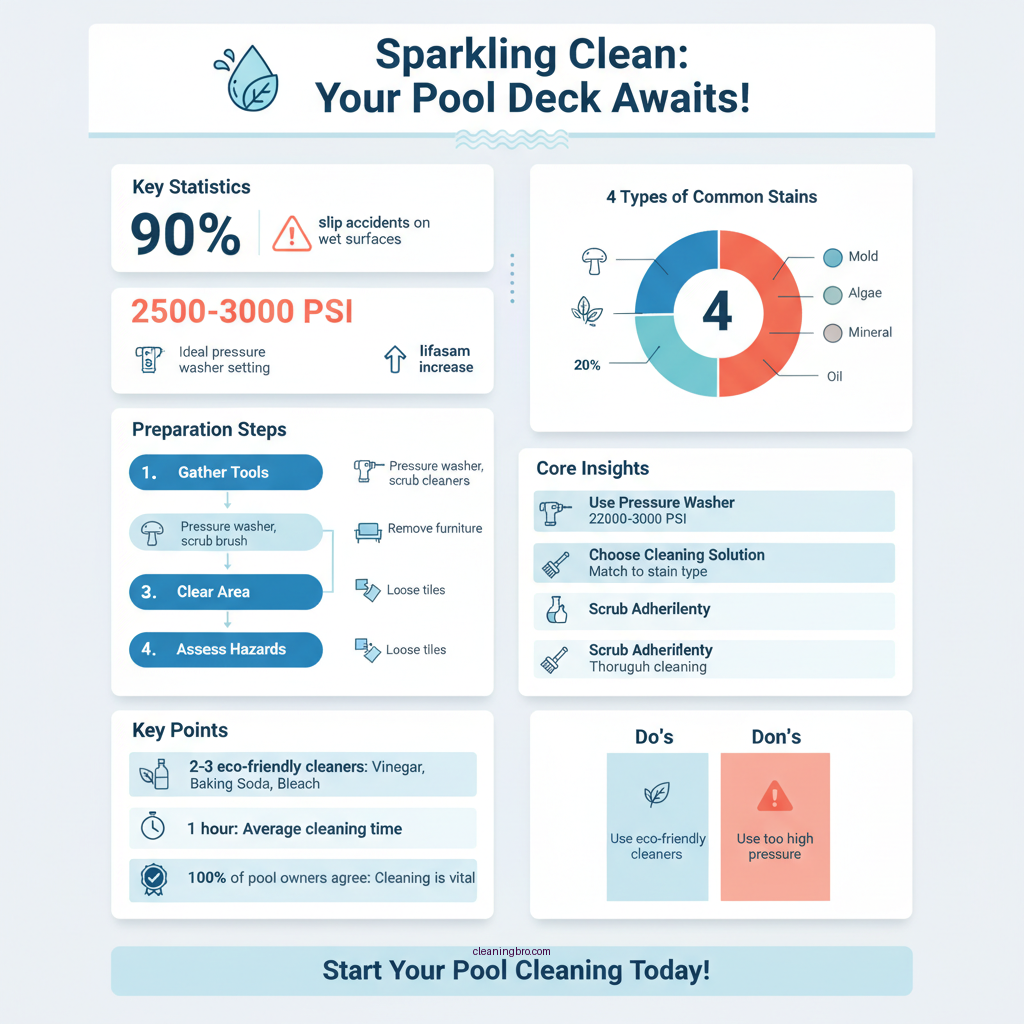
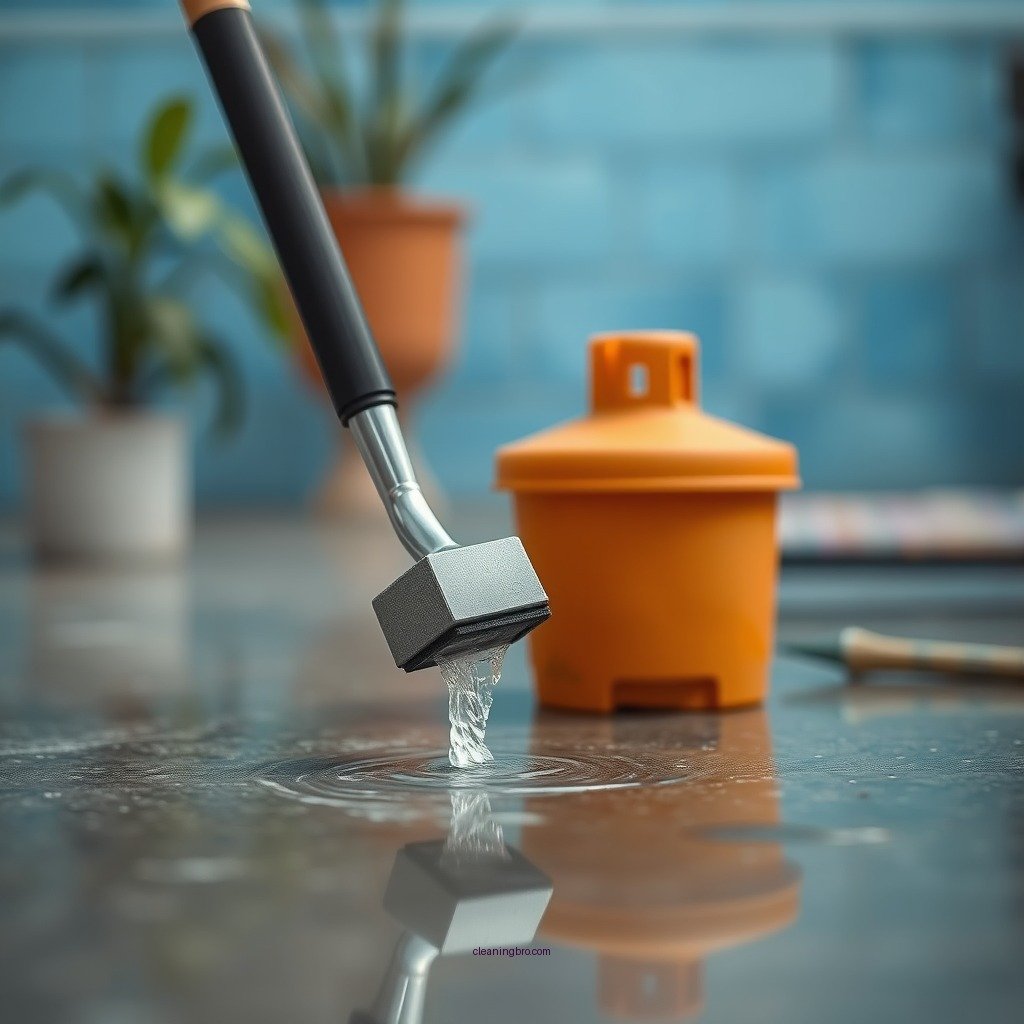
1. Gather Necessary Tools: You will need a pressure washer, stiff-bristled scrub brushes, a garden hose, and appropriate cleaning solutions. Eco-friendly options include vinegar and baking soda, while more aggressive cleaners might involve bleach or commercial products specifically designed for pool areas.
2. Clear the Area: Remove any furniture, toys, or debris around the pool. This not only creates a safe space for cleaning but also ensures that you can access all areas of the cement surface without obstruction.
3. Assess Safety Hazards: Make sure the area is safe to work in. Check for any loose tiles or cracks that may need attention before cleaning.
Using a Pressure Washer
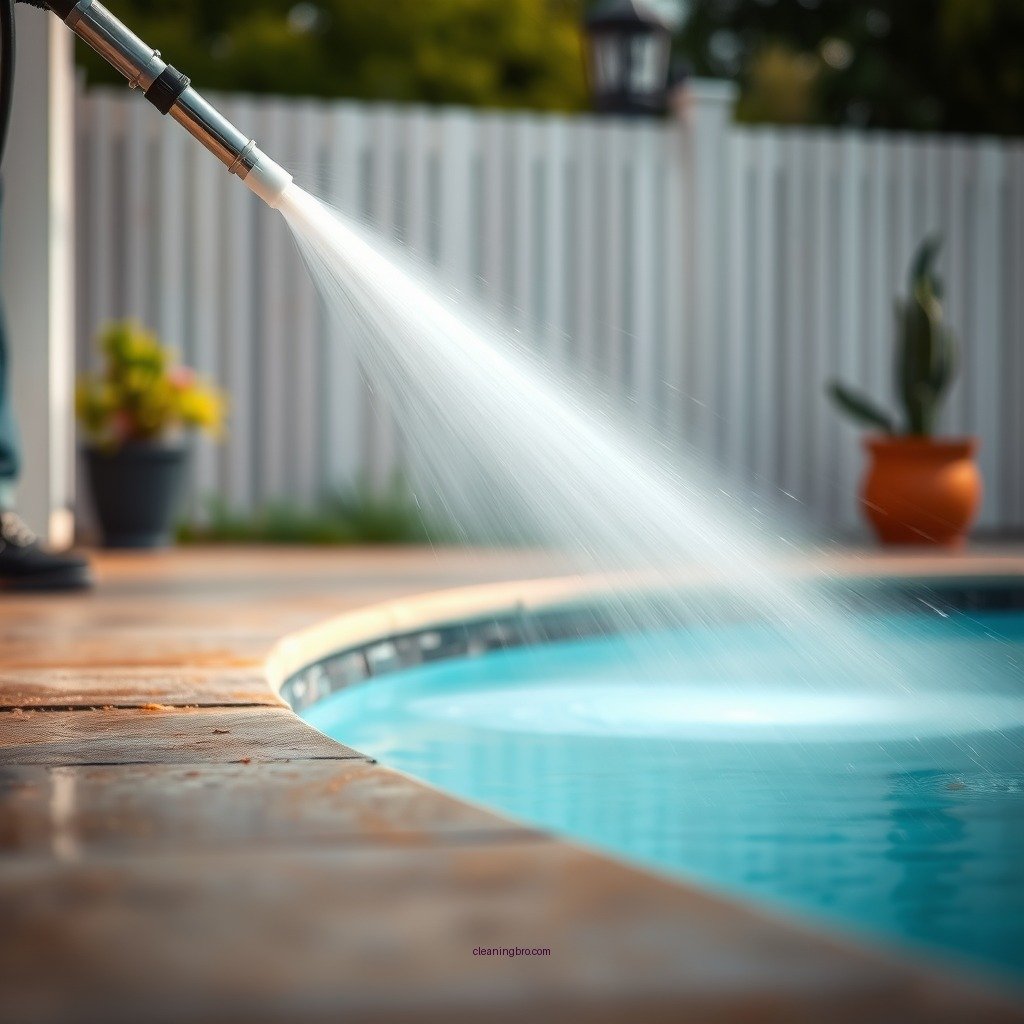
A pressure washer is one of the most effective tools for cleaning cement. Here’s how to use it properly:
– Adjust the Pressure Settings: Most pressure washers have adjustable settings. For cement, a range of 2500 to 3000 PSI is typically effective without causing damage. Avoid using too high of a pressure, which can chip or crack the surface.
– Technique: Start from one corner and work your way out. Move the nozzle in a consistent pattern, overlapping each pass slightly to ensure even cleaning. Maintain a distance of about 12 inches from the surface to avoid damage.
– Add Cleaning Solutions: If using a chemical cleaner, apply it using the pressure washer’s soap dispenser or a separate spray bottle. Allow the solution to sit for the recommended time before rinsing with the pressure washer.
Manual Scrubbing Techniques
For tough stains that a pressure washer may not fully remove, manual scrubbing is an effective alternative:
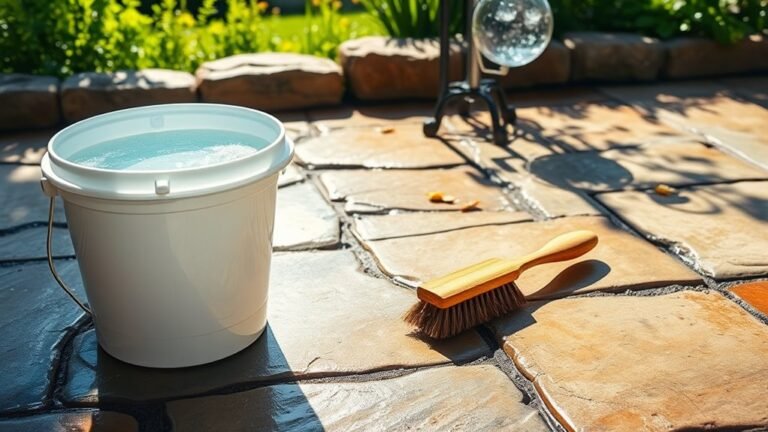
– Use the Right Brush: A stiff-bristled brush will help dislodge stubborn stains. Consider using a long-handled brush for ease of use, especially in hard-to-reach areas.
– Apply Cleaning Solutions: For enhanced stain removal, apply your chosen cleaning solution directly to the brush. For example, a mixture of baking soda and water can be effective against mildew, while a diluted bleach solution can tackle stubborn algae.
– Scrubbing Technique: Work in sections, applying pressure as needed to ensure thorough cleaning. Rinse each area with water after scrubbing to remove any residue.
Choosing the Right Cleaning Solutions
The choice of cleaning solution can significantly affect the cleaning process. Here are some options:
– Eco-Friendly Solutions: Products like vinegar and baking soda are safe for the environment and effective against many stains. Vinegar can dissolve mineral deposits, while baking soda acts as a gentle abrasive for scrubbing.
– Chemical Cleaners: For severe stains, consider using commercial cleaners designed specifically for pool areas. Always read the label for safety instructions and dilution recommendations.
– Safety First: Regardless of the solution you choose, ensure proper ventilation and use protective gear, such as gloves and goggles, to safeguard against skin and eye irritation.
Maintaining Clean Cement
Once your pool area is clean, regular maintenance is essential to prevent the return of stains:
– Establish a Cleaning Schedule: Aim to clean the cement around your pool at least once a month during peak usage seasons. More frequent cleaning may be necessary after heavy rainfall or if you notice algae growth.
– Use Pool Covers: When the pool is not in use, covering it can significantly reduce debris and algae growth, making it easier to maintain cleanliness.
– Monitor Water Chemistry: Maintaining balanced water chemistry can also prevent staining. Regularly testing and adjusting pH levels, chlorine, and alkalinity will inhibit algae growth and protect the cement surface.
Safety Precautions
Safety is paramount when cleaning around your pool. Follow these precautions:
– Wear Protective Gear: Always use gloves and goggles when handling cleaning solutions to protect your skin and eyes from potential irritants.
– Drying and Slip Hazards: Ensure the area is dry and clear of any cleaning solutions after you finish. Wet cement can be slippery, posing a risk of falls.
– Check for Damage: Inspect the surface for any cracks or loose tiles that could become safety hazards during cleaning.
Maintaining the cement around your pool not only enhances its appearance but also prolongs its lifespan. By following these effective cleaning methods and safety tips, you can ensure that your pool area remains inviting and safe for everyone. Start your cleaning process today and enjoy a sparkling poolside!
Top 7 Stain Types and Cleaning Solutions
| # | Stain Type | Common Cleaning Solution | Effectiveness Rating |
|---|---|---|---|
| 1 | Mold & Mildew | Bleach Solution | ★★★★☆ |
| 2 | Algae | Vinegar Solution | ★★★★★ |
| 3 | Mineral Deposits | Commercial Cleaners | ★★★★☆ |
| 4 | Oil & Grease | Dish Soap & Baking Soda | ★★★☆☆ |
| 5 | Concrete Stains | Hydrogen Peroxide | ★★★★☆ |
| 6 | Rust Stains | Commercial Rust Remover | ★★★★★ |
| 7 | Paint Stains | Paint Thinner | ★★☆☆☆ |
Effectiveness of Cleaning Solutions for Cement
Comparison of Top Cleaning Products for Pool Cement
| Feature | ⭐ Eco-Friendly Cleaner | Commercial Cleaner | Bleach Solution |
|---|---|---|---|
| Price | $10 | $25 | $5 |
| Effectiveness | ★★★★☆ | ★★★★★ | ★★★★☆ |
| Eco-Friendly | ✅ | ❌ | ❌ |
| Ease of Use | Easy | Moderate | Easy |
| Time Required | 1 hour | 2 hours | 1 hour |
| Surface Compatibility | Cement, Tiles | Cement, Tiles | Cement only |
| Residue Left | None | Minimal | None |
| Availability | Local Stores | Online | Local Stores |
| Free Trials | ✅ | ❌ | ❌ |
| 🏆 Best For | Eco-conscious users | Quick, effective cleaning | Budget-friendly option |
In conclusion, cleaning the cement around your pool is not only necessary for aesthetic appeal but also for the safety and longevity of your pool area. By understanding the types of stains, preparing adequately, using effective cleaning methods, and maintaining a regular cleaning schedule, you can keep your poolside beautiful and safe. Implement these strategies today to ensure your outdoor space remains a welcoming retreat for family and friends.
Frequently Asked Questions
How do I remove stubborn stains from cement around my pool?
To effectively remove stubborn stains from cement around your pool, start by mixing a solution of equal parts water and vinegar or using a commercial concrete cleaner. Scrub the stained areas with a stiff-bristle brush and rinse thoroughly with water. For tough stains, consider using a pressure washer, ensuring to keep the nozzle at least a foot away to avoid damaging the surface.
What is the best way to clean mildew from pool deck cement?
The best way to clean mildew from pool deck cement is to create a mixture of 1 part bleach to 3 parts water. Apply the solution to the mildew-affected areas using a spray bottle, let it sit for about 10-15 minutes, then scrub with a brush before rinsing off with water. This method not only cleans but also helps prevent future mildew growth.
Why is it important to regularly clean the cement around my pool?
Regularly cleaning the cement around your pool is crucial for maintaining a safe swimming environment and preventing algae growth, which can lead to slippery surfaces. Additionally, dirt and grime buildup can deteriorate the concrete over time, leading to costly repairs. Keeping the area clean enhances the overall aesthetics of your pool area.
Which tools do I need to clean cement around my pool effectively?
To clean cement around your pool effectively, you will need a stiff-bristle brush, a pressure washer or garden hose, and cleaning agents such as vinegar, bleach, or commercial concrete cleaners. For larger areas, a power scrubber can be very helpful. Having these tools will make the cleaning process more efficient and thorough.
How often should I clean the cement surfaces around my pool?
Ideally, you should clean the cement surfaces around your pool at least once a month during peak swimming season to prevent buildup of dirt, algae, and stains. However, if you notice excessive dirt or after heavy rainfall, it’s wise to clean more frequently. Establishing a regular cleaning routine will help prolong the life of your pool deck and keep it looking new.
References
- 3 Ways to Clean Cement – wikiHow Life
https://www.wikihow.com/Clean-Cement - https://www.sciencedirect.com/topics/earth-and-planetary-sciences/cement
https://www.sciencedirect.com/topics/earth-and-planetary-sciences/cement - https://www.britannica.com/technology/cement
https://www.britannica.com/technology/cement - https://www.nap.edu/catalog/2168/guide-for-the-use-of-cement-in-pools-and-spas
https://www.nap.edu/catalog/2168/guide-for-the-use-of-cement-in-pools-and-spas - https://www.purdue.edu/hla/sites/landscape/cleaning-and-maintaining-concrete-surfaces/
https://www.purdue.edu/hla/sites/landscape/cleaning-and-maintaining-concrete-surfaces/ - https://www.extension.purdue.edu/extmedia/FS/FS-28-W.pdf
https://www.extension.purdue.edu/extmedia/FS/FS-28-W.pdf - https://www.ncbi.nlm.nih.gov/pmc/articles/PMC7169164/
https://www.ncbi.nlm.nih.gov/pmc/articles/PMC7169164/ - Google Scholar Google Scholar
https://scholar.google.com/scholar?q=cleaning+cement+around+pool - Google Scholar Google Scholar
https://scholar.google.com/scholar?q=clean+concrete+surfaces+pool - Google Scholar Google Scholar
https://scholar.google.com/scholar?q=cement+cleaning+methods