
How to Clean Cinder Block: Effective Techniques
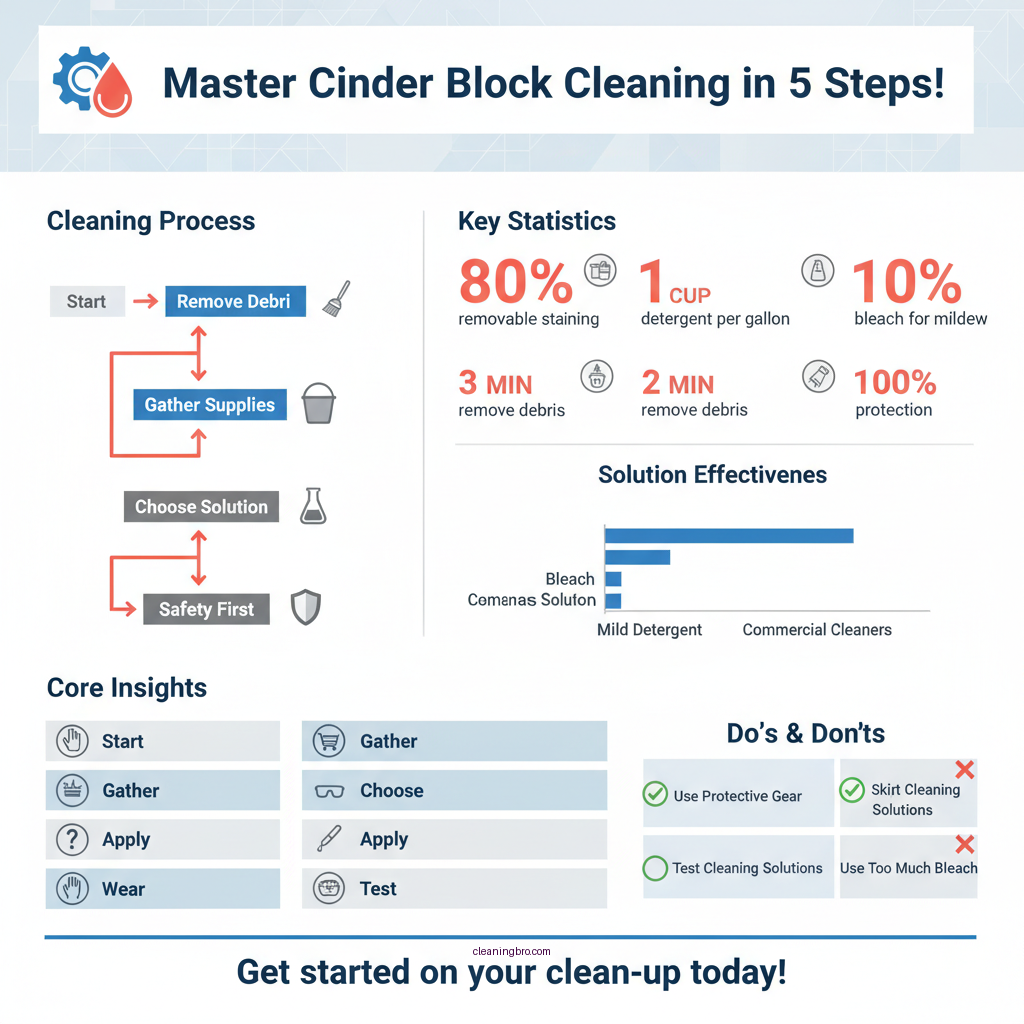
Cleaning cinder block surfaces can be straightforward with the right techniques and materials. To effectively clean cinder block, start by removing loose dirt and debris, then use a mixture of water and detergent or a specialized cleaner to tackle stains and mildew. In this article, you’ll discover a step-by-step approach to achieve clean and well-maintained cinder blocks.
Preparing for Cleaning
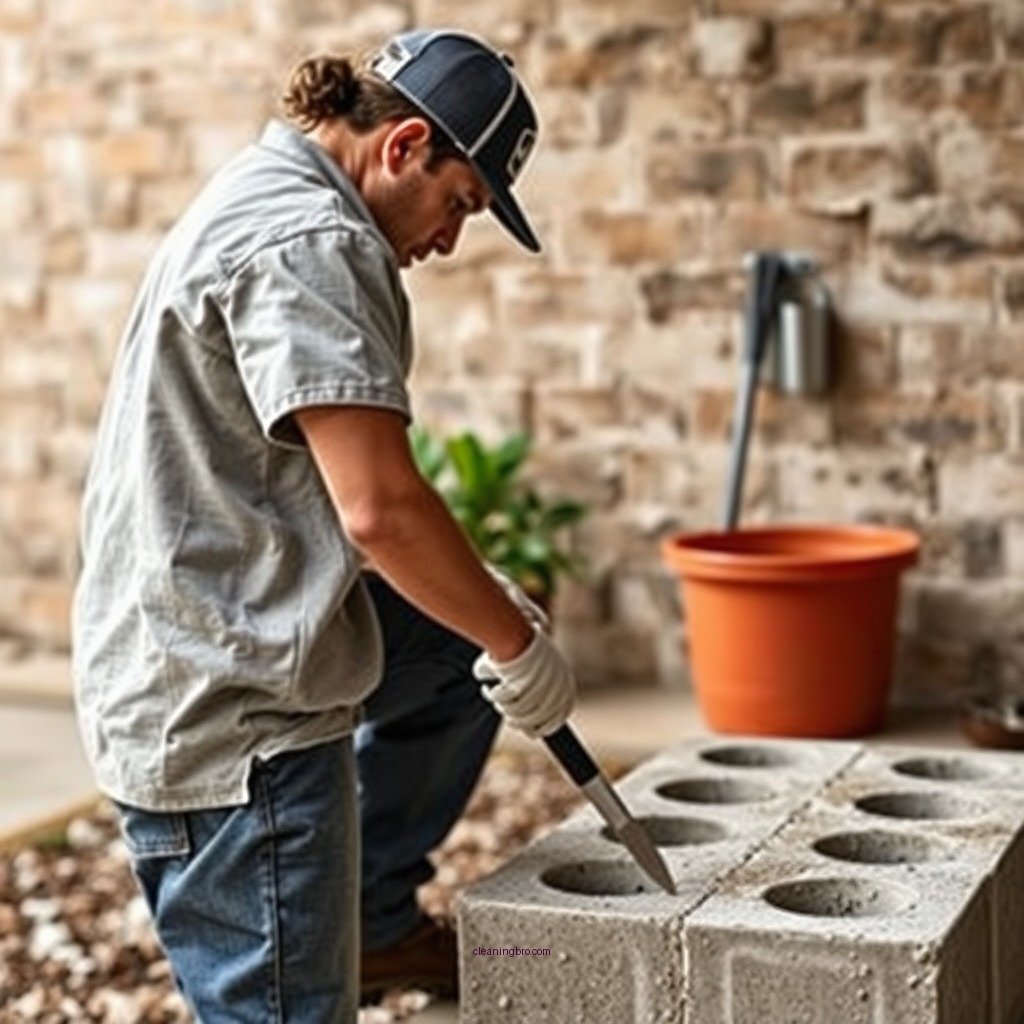
Before you begin the cleaning process, proper preparation is crucial to ensure a successful outcome. Start by gathering all necessary supplies, including brooms, brushes, buckets, and suitable cleaning solutions. Depending on the level of grime or stains present, you may opt for a mild detergent or a specialized masonry cleaner.
Additionally, wearing protective gear is essential. Equip yourself with gloves, goggles, and a mask if needed, especially if you are dealing with heavy dust or chemical cleaners. This precaution will protect your skin and eyes and prevent inhalation of harmful particles, making your cleaning experience both safe and effective.
Removing Loose Debris
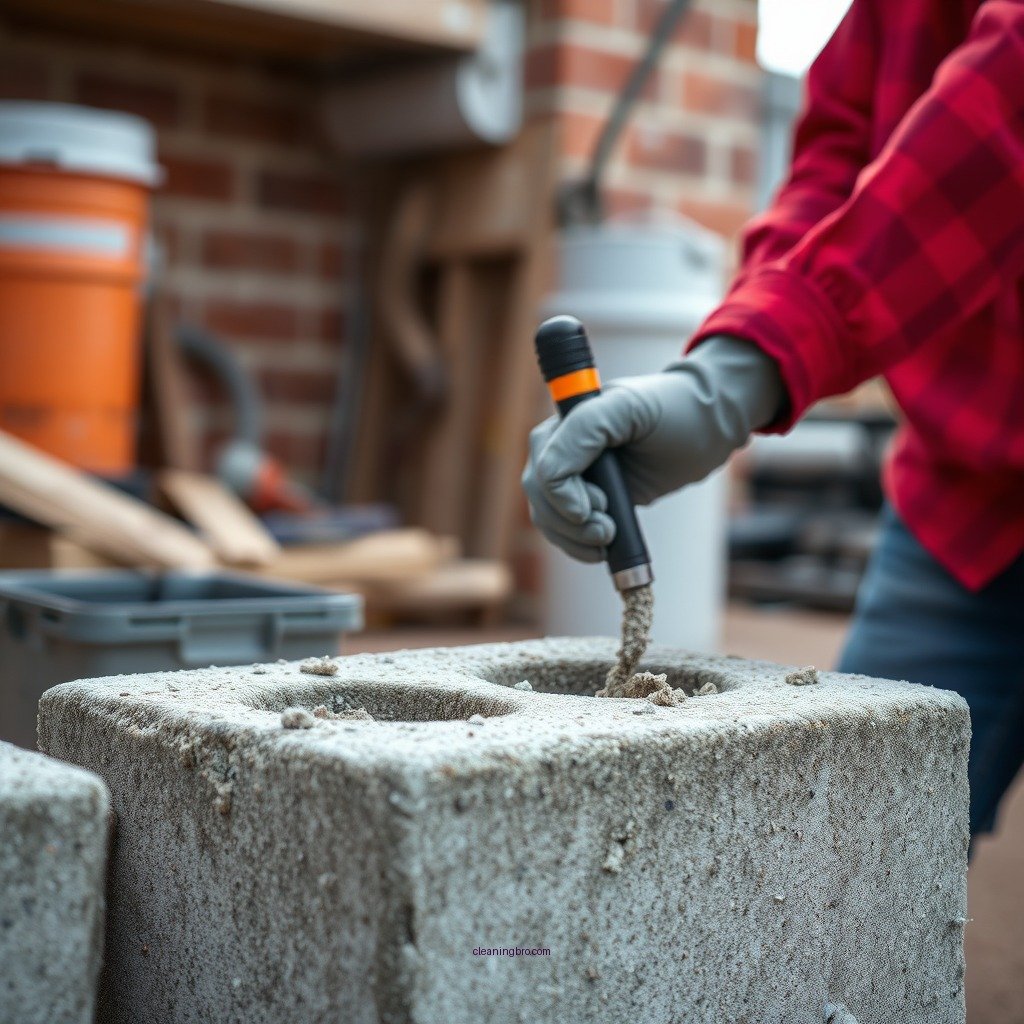
The first step in cleaning cinder block surfaces is to remove loose dirt and debris. Use a broom or a vacuum cleaner to eliminate dust, dirt, and any loose particles from the surface. Be thorough; ensuring that the surface is free from cobwebs or larger debris will significantly simplify the subsequent cleaning steps.
If the cinder block is located outdoors, check for any leaves or organic matter that may have accumulated. For indoor surfaces, focus on corners and crevices where dirt tends to collect. This preliminary step sets the stage for a more effective cleaning process, allowing the cleaning solution to work optimally on the cinder block surface.
Selecting the Right Cleaning Solution
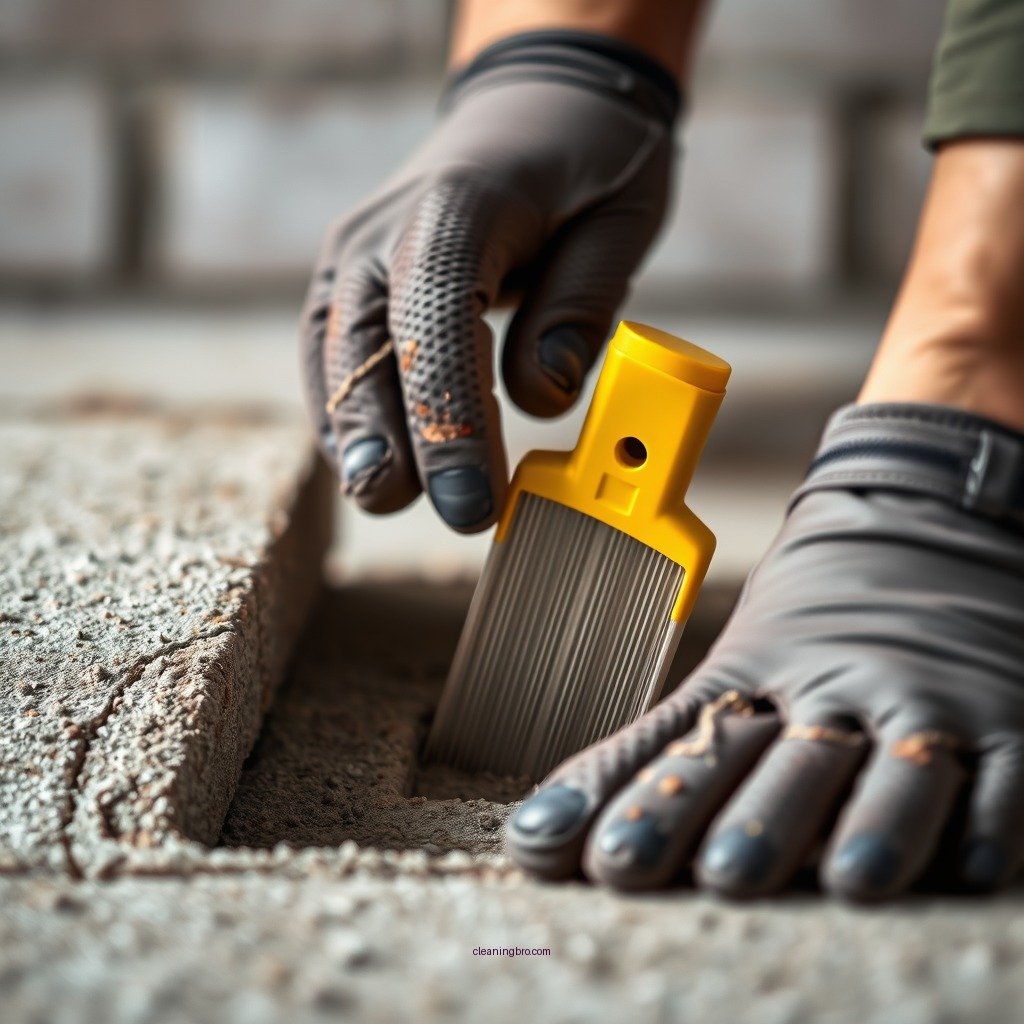
Choosing the appropriate cleaning solution is critical for effectively tackling stains and mildew on cinder blocks. For general cleaning, a mixture of mild detergent and warm water is usually sufficient. An ideal ratio is one cup of detergent per gallon of water. This solution can help lift dirt without damaging the masonry.
However, for tougher stains, including mold, mildew, or grease, you may want to consider using a diluted bleach solution (one part bleach to ten parts water) or a commercial cleaner designed specifically for masonry. Always read the manufacturer’s instructions and safety guidelines for any commercial products. Testing your chosen solution on a small, inconspicuous area before applying it to the entire surface is a wise precaution to avoid any discoloration or damage.
Applying the Cleaning Solution
Once you’ve selected the right cleaning solution, it’s time to apply it to the cinder block surface. Use a stiff-bristled brush or a mop to distribute the cleaning solution evenly across the blocks. Ensure that every area receives adequate coverage, especially in spots that show signs of discoloration or stains.
Allow the solution to sit for a few minutes to penetrate the surface and dissolve stubborn stains. This dwell time is essential; it enhances the effectiveness of the cleaning agents, making the scrubbing process easier. Be mindful not to let the solution dry out on the surface, as this can create additional work during the scrubbing phase.
Scrubbing the Surface
With the cleaning solution applied, the next step is scrubbing the surface. Use a stiff-bristled brush to scrub away dirt, grime, and mildew effectively. Focus on stained areas and utilize circular motions for better results.
For extensive mildew or algae growth, you may need to apply a bit more pressure while scrubbing. It’s important to work methodically, ensuring that you cover all areas without missing spots. For particularly stubborn stains, you may need to repeat the application of the cleaning solution and scrub again until the desired cleanliness is achieved.
Rinsing and Drying
After scrubbing, it’s crucial to rinse the cinder block thoroughly with clean water to remove any remaining cleaning solution residue. Use a hose for outdoor surfaces or a bucket of clean water for indoor areas. Ensure that all soap and cleaner residues are removed, as they can lead to issues such as streaking or residue build-up if left to dry.
Allow the surface to air dry completely after rinsing. If you want to speed up the drying process, you can use a squeegee to remove excess water. Proper drying is essential because it prevents moisture from being trapped, which can lead to mold growth or deterioration of the cinder blocks over time.
Final Touches
Once the cinder block surface is clean and dry, inspect it thoroughly for any remaining stains. If you notice any areas that still require attention, repeat the cleaning process as necessary.
To further protect your newly cleaned cinder blocks, consider applying a sealant suitable for masonry. Sealing the blocks can help prevent future stains, moisture intrusion, and mildew growth, prolonging the life and appearance of the surface.
Maintaining clean cinder blocks can significantly enhance the appearance and longevity of your structures. By following these steps, you can ensure your cinder block surfaces remain in top condition. Don’t hesitate to start your cleaning project today, and enjoy the results of your hard work!
Top 7 Cleaning Solutions for Cinder Block (2024)
| # | Brand | Type | Effectiveness | Price |
|---|---|---|---|---|
| 1 | Simple Green | All-Purpose | High | $8.99 |
| 2 | Zep Concrete Cleaner | Concrete | Very High | $14.99 |
| 3 | Mold Armor | Mold Remover | High | $12.99 |
| 4 | Krud Kutter | Stain Remover | Medium | $10.49 |
| 5 | Clorox Bleach | Bleach | Very High | $3.99 |
| 6 | OxiClean | Stain Remover | High | $9.99 |
| 7 | Rust-Oleum | Concrete Cleaner | Medium | $11.99 |
Effectiveness of Cleaning Solutions for Cinder Block (%)
Comparison of Cleaning Solutions for Cinder Block
| Feature | ⭐ Simple Green | Zep Concrete Cleaner | Mold Armor |
|---|---|---|---|
| Price | $8.99 | $14.99 | $12.99 |
| Effectiveness | High | Very High | High |
| Type | All-Purpose | Concrete | Mold Remover |
| Mildew Removal | ✅ | ✅ | ✅ |
| Stain Removal | ✅ | ✅ | ✅ |
| Surface Safe | ✅ | ✅ | ✅ |
| Eco-Friendly | ✅ | ❌ | ✅ |
| Fragrance | Fresh | No | Fresh |
| Usage | Easy | Moderate | Easy |
| 🏆 Best For | General Cleaning | Concrete Surfaces | Mold and Mildew Removal |
In conclusion, cleaning cinder blocks may seem daunting, but with the right approach, it can be a manageable task. By preparing adequately, using proper cleaning solutions, and following a systematic cleaning process, you can restore the appearance and integrity of cinder block surfaces. Regular maintenance can also help prevent the buildup of dirt and stains, ensuring that your cinder blocks remain in excellent condition for years to come. Start your cleaning project today and enjoy the satisfaction of a job well done!
Frequently Asked Questions
What is the best way to clean cinder block walls?
The best way to clean cinder block walls is to start with a dry brush to remove loose dirt and debris. Then, mix a solution of warm water and mild detergent, using a scrub brush to work the solution into the surface. Rinse thoroughly with a hose or pressure washer to remove any soap residue, ensuring the cinder blocks are clean and free from mold or mildew.
How do I remove mold and mildew from cinder blocks?
To remove mold and mildew from cinder blocks, create a mixture of one part bleach to three parts water. Apply this solution with a spray bottle or sponge and let it sit for about 15 minutes before scrubbing the area with a stiff brush. Rinse thoroughly with water afterward to prevent any bleach residue from remaining on the surface.
Why are cinder blocks difficult to clean?
Cinder blocks can be difficult to clean due to their porous surface, which can absorb stains, dirt, and moisture. This porosity allows mold and mildew to grow, making it challenging to maintain a clean appearance. Regular maintenance and immediate cleaning of spills can help mitigate these issues.
Which tools are essential for cleaning cinder block surfaces effectively?
Essential tools for effectively cleaning cinder block surfaces include a stiff-bristle brush, a pressure washer or garden hose, a bucket, and cleaning solutions like soap or bleach. Additionally, gloves and safety goggles are recommended for protection, especially when using harsh chemicals like bleach.
How often should I clean my cinder block walls to keep them looking new?
To keep cinder block walls looking new, it’s advisable to clean them at least once or twice a year, depending on their exposure to the elements and potential staining from outdoor conditions. Regular inspections after heavy rain or storms can help identify areas needing immediate attention and maintenance, ensuring longevity and aesthetic appeal.
References
- Concrete block
https://en.wikipedia.org/wiki/Cinder_block - https://www.extension.purdue.edu/extmedia/HO/HO-218-W.pdf
https://www.extension.purdue.edu/extmedia/HO/HO-218-W.pdf - https://www.msu.edu/~norriscj/cleaning_cinder_blocks.pdf
https://www.msu.edu/~norriscj/cleaning_cinder_blocks.pdf - Protecting Building Environments from Airborne Chemical, Biological, or Radiological Attacks | NI…
https://www.cdc.gov/niosh/docs/2002-139/default.html - Auditable standards – Fertility – NCBI Bookshelf
https://www.ncbi.nlm.nih.gov/books/NBK45924/ - https://www.sciencedirect.com/topics/agricultural-and-biological-sciences/cinder-block
https://www.sciencedirect.com/topics/agricultural-and-biological-sciences/cinder-block - https://www.britannica.com/science/concrete
https://www.britannica.com/science/concrete - Google Scholar Google Scholar
https://scholar.google.com/scholar?q=how+to+clean+cinder+block - Google Scholar Google Scholar
https://scholar.google.com/scholar?q=cinder+block+cleaning+methods - Google Scholar Google Scholar
https://scholar.google.com/scholar?q=cleaning+concrete+surfaces+guide