How to Clean Citristrip: A Step-by-Step Guide
Cleaning Citristrip effectively involves using the right tools and techniques to ensure a thorough job. This guide will walk you through the essential steps to clean Citristrip from surfaces safely and efficiently, leaving them ready for your next project.
Understanding Citristrip and Its Uses

Citristrip is a biodegradable paint and varnish remover widely used for stripping finishes from various surfaces, including wood, metal, and masonry. Its primary ingredient is d-Limonene, a natural solvent derived from citrus peels, which makes it a popular choice among DIY enthusiasts and professionals alike. One of the key benefits of Citristrip is its ability to break down stubborn coatings without the harshness of traditional chemical strippers. Understanding its chemical composition not only helps in utilizing it effectively but also plays a crucial role in the cleaning process, as specific cleaning agents may interact differently with Citristrip residues.
Safety Precautions
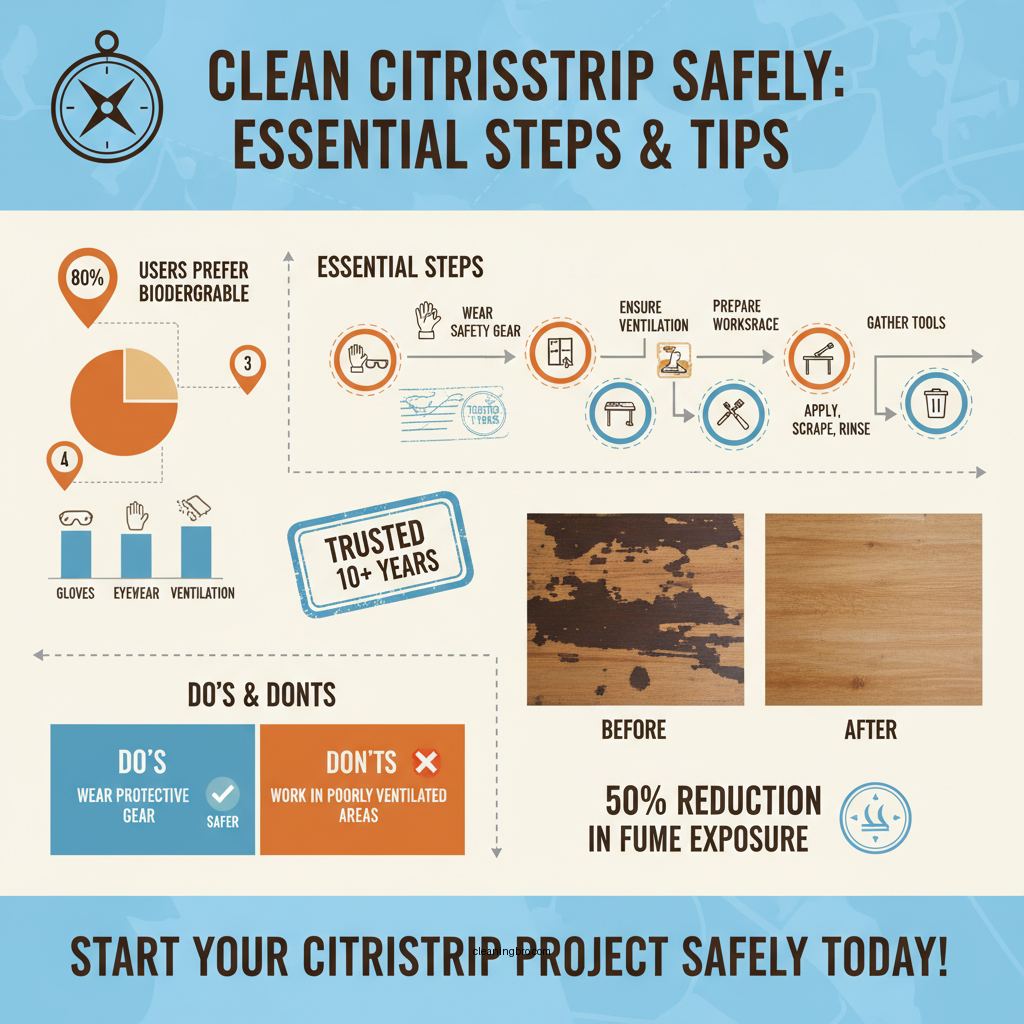

Before embarking on your Citristrip cleaning journey, it is imperative to prioritize safety. Always wear gloves and protective eyewear to prevent skin and eye irritation. Citristrip, while less toxic than many alternatives, can still cause discomfort upon contact. Additionally, ensure good ventilation in the area where you are working to avoid inhaling fumes. Working outdoors or in a well-ventilated space with open windows and fans can significantly reduce the risk of exposure to harmful vapors. Taking these precautions will create a safer working environment, allowing you to focus on your project without undue worry.
Preparing the Area for Cleaning

Preparation is key to a successful cleaning job. Start by clearing your workspace of any items that may get damaged or contaminated with Citristrip. Cover nearby furniture and flooring with drop cloths or newspapers to protect them from drips and spills. Organizing your tools and materials beforehand will streamline the cleaning process. Gather items such as plastic scrapers, rags, soap, and water to ensure you have everything on hand. A well-prepared area not only enhances safety but also improves efficiency, enabling you to complete your task with ease.
Citristrip vs. Other Paint Strippers (2024)
| # | Product | Biodegradable | Active Ingredient | Odor Level |
|---|---|---|---|---|
| 1 | Citristrip | Yes | d-Limonene | Moderate |
| 2 | Klean Strip | No | Methylene Chloride | High |
| 3 | Rust-Oleum | No | N-Methyl-2-pyrrolidone | High |
| 4 | Franmar | Yes | Soybean Oil | Low |
| 5 | Smart Strip | Yes | Vegetable Oil | Low |
| 6 | Citrus Strip | Yes | Citrus Terpenes | Moderate |
| 7 | EcoFast Gel | Yes | Plant-Based Solvents | Low |
Steps to Clean Citristrip Residue
Once you have prepared your workspace and ensured safety, it’s time to tackle the cleaning process. Start by using a plastic scraper to gently remove excess Citristrip from the surface. This step is crucial as it prevents the scraping of the underlying material. Be cautious not to apply excessive force, which may damage the surface beneath the residue. After scraping away the majority of the Citristrip, apply warm, soapy water to a cloth or sponge and wipe the area clean. The soap helps to break down any remaining residues, ensuring a thorough clean. Rinse the cloth frequently to avoid redistributing the residue.
Rinsing and Drying
After wiping down the surface with soapy water, it is essential to rinse the area thoroughly. Use a clean, damp cloth with water to remove any soap residue that may linger. Rinsing ensures that no cleaning agents are left behind, which could interfere with any new finishes you plan to apply. After rinsing, allow the area to air dry completely. This step is particularly important, as moisture can affect the adhesion of paints or finishes applied afterward. Depending on the humidity and airflow, drying times may vary; ensure that the surface is entirely dry before proceeding.
Effectiveness of Cleaning Methods for Citristrip Residue
Tips for Effective Cleaning
To achieve the best results while cleaning Citristrip residues, consider these effective tips. For stubborn residue that may not yield to simple wiping, using a soft-bristled brush can be beneficial. This tool helps to agitate the residue without scratching the surface, allowing for a more thorough clean. Additionally, always test any cleaning solution on a small, inconspicuous area first. This precaution ensures that the cleaning method does not damage the surface or finish you are working on. Lastly, patience is key; sometimes, allowing the Citristrip to sit longer before removal can make the process easier and more effective.
Disposal of Citristrip Waste
Proper disposal of Citristrip waste is critical for both environmental and safety reasons. Always follow local regulations for disposing of chemical waste safely. Many areas have designated hazardous waste disposal facilities that accept products like Citristrip. Never pour it down the drain or throw it in the regular trash. Additionally, store any unused product in a cool, dry place away from direct sunlight. Keeping it sealed and properly stored extends its shelf life and ensures safety in your workspace.
Cleaning Citristrip doesn’t have to be a chore if you follow these steps. By ensuring safety and using the right techniques, you can maintain clean surfaces and prepare them for your next project. Remember to take the necessary precautions and enjoy your refinishing tasks! With proper preparation, effective cleaning methods, and responsible disposal practices, you can achieve excellent results with Citristrip and contribute positively to your project outcomes.
Frequently Asked Questions
How do I properly apply Citristrip for effective results?
To effectively apply Citristrip, first ensure you are in a well-ventilated area and wear protective gloves. Use a brush or a putty knife to apply a generous layer of Citristrip to the surface, making sure to cover it completely. Allow it to sit for the recommended time, usually 30 minutes to several hours, depending on the thickness of the paint or finish being removed.
What safety precautions should I take when using Citristrip?
When using Citristrip, it’s essential to wear gloves, goggles, and a mask to protect yourself from fumes and skin contact. Ensure your workspace is well-ventilated, preferably outdoors or in a garage with open windows. Additionally, keep Citristrip away from flames, as it’s flammable, and follow the manufacturer’s safety instructions.
Why is Citristrip considered a safer alternative to traditional paint strippers?
Citristrip is often considered a safer alternative because it is made from natural citrus terpenes and does not contain harsh chemicals like methylene chloride. This environmentally friendly formula reduces harmful fumes and is less irritating to the skin, making it a preferable choice for DIY projects, especially in enclosed spaces.
What is the best method for removing Citristrip residue after use?
The best method for removing Citristrip residue is to use a clean cloth soaked in mineral spirits or denatured alcohol. Gently wipe the surface to dissolve the residue, then wash it with soap and water to ensure all chemicals are removed. Make sure the surface is completely dry before applying any new finishes or paints.
Which surfaces can I safely use Citristrip on?
Citristrip can be safely used on a variety of surfaces, including wood, metal, and masonry. However, it’s important to test a small, inconspicuous area first to ensure compatibility, especially on delicate finishes or surfaces. Always refer to the product instructions for specific recommendations regarding the materials you plan to treat.
References
- https://en.wikipedia.org/wiki/Stripping_agent
https://en.wikipedia.org/wiki/Stripping_agent - https://pubmed.ncbi.nlm.nih.gov/29030156/
https://pubmed.ncbi.nlm.nih.gov/29030156/ - https://www.sciencedirect.com/topics/engineering/solvent-stripping
https://www.sciencedirect.com/topics/engineering/solvent-stripping - https://www.cdc.gov/niosh/topics/cleaning.html
https://www.cdc.gov/niosh/topics/cleaning.html - https://www.ncbi.nlm.nih.gov/pmc/articles/PMC7713538/
https://www.ncbi.nlm.nih.gov/pmc/articles/PMC7713538/ - Google Scholar Google Scholar
https://scholar.google.com/scholar?q=how+to+clean+citristrip - Google Scholar Google Scholar
https://scholar.google.com/scholar?q=citristrip+cleaning+methods - https://www.epa.gov/saferchoice/cleaning-products
https://www.epa.gov/saferchoice/cleaning-products - https://www.nytimes.com/2020/01/24/style/how-to-clean-furniture.html
https://www.nytimes.com/2020/01/24/style/how-to-clean-furniture.html - https://www.britannica.com/science/solvent
https://www.britannica.com/science/solvent