How to Clean Coolant Off an Engine: A Step-by-Step Guide
Cleaning coolant off an engine is crucial for preventing corrosion and ensuring optimal performance. Coolant spills can lead to significant damage if not properly dealt with, affecting components such as the radiator and hoses. This guide provides a comprehensive step-by-step approach to effectively clean coolant spills from your engine, ensuring safety and thoroughness.
Understanding the Importance of Cleaning Coolant
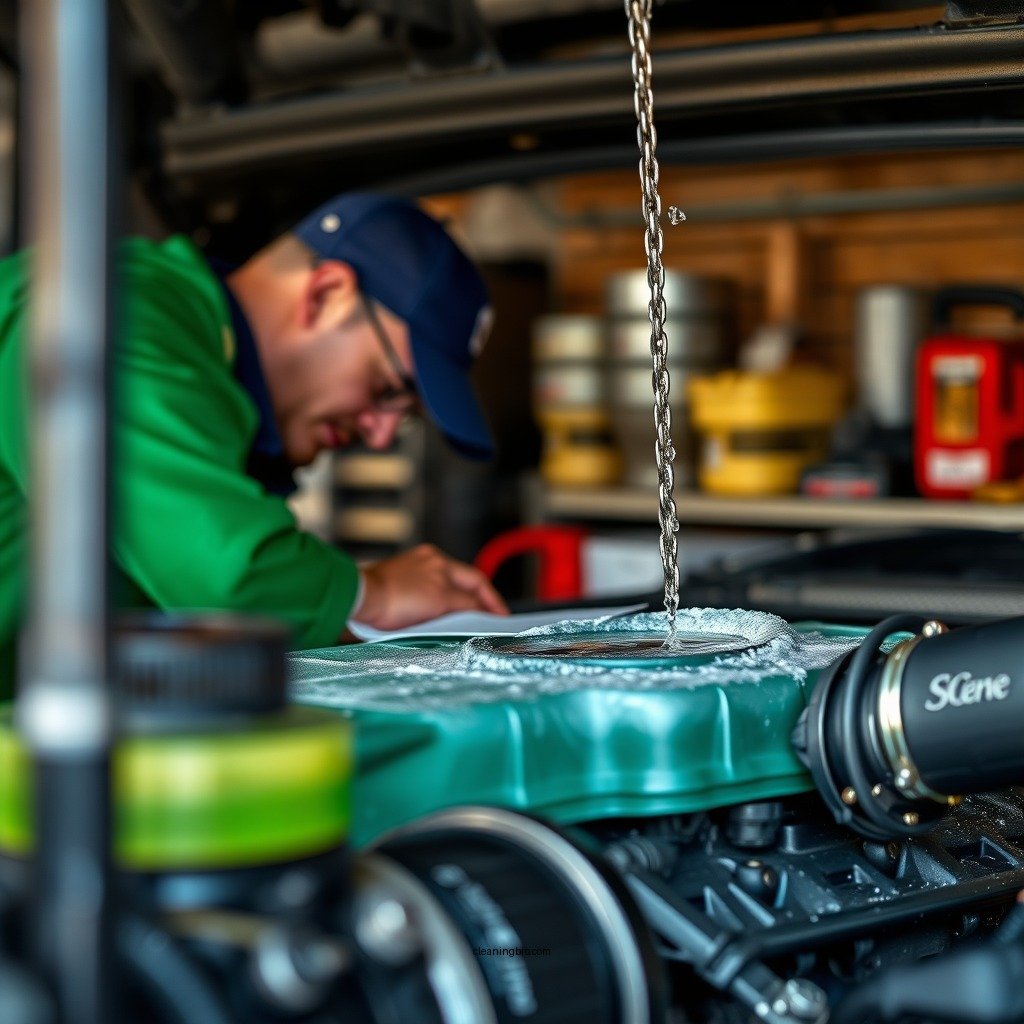
Coolant, also known as antifreeze, plays a vital role in regulating engine temperature and preventing overheating. However, when coolant leaks or spills occur, it can create a hazardous environment both for the vehicle and the surrounding components. The importance of cleaning coolant off an engine encompasses several aspects:
– Corrosion Prevention: Coolant residues, especially those containing ethylene glycol, can lead to corrosion of metal engine components over time. This corrosion can compromise the structural integrity of critical parts, leading to costly repairs.
– Enhanced Engine Performance: A clean engine operates more efficiently. Residue buildup can interfere with the cooling system, leading to overheating and reduced engine performance. By removing coolant spills, you help maintain the engine’s efficiency and longevity.
– Safety Concerns: Coolant spills can also pose safety risks, particularly if they create slippery surfaces in the garage or driveway. Cleaning up spills reduces the risk of accidents and ensures a safer working environment.
Safety Precautions Before Starting
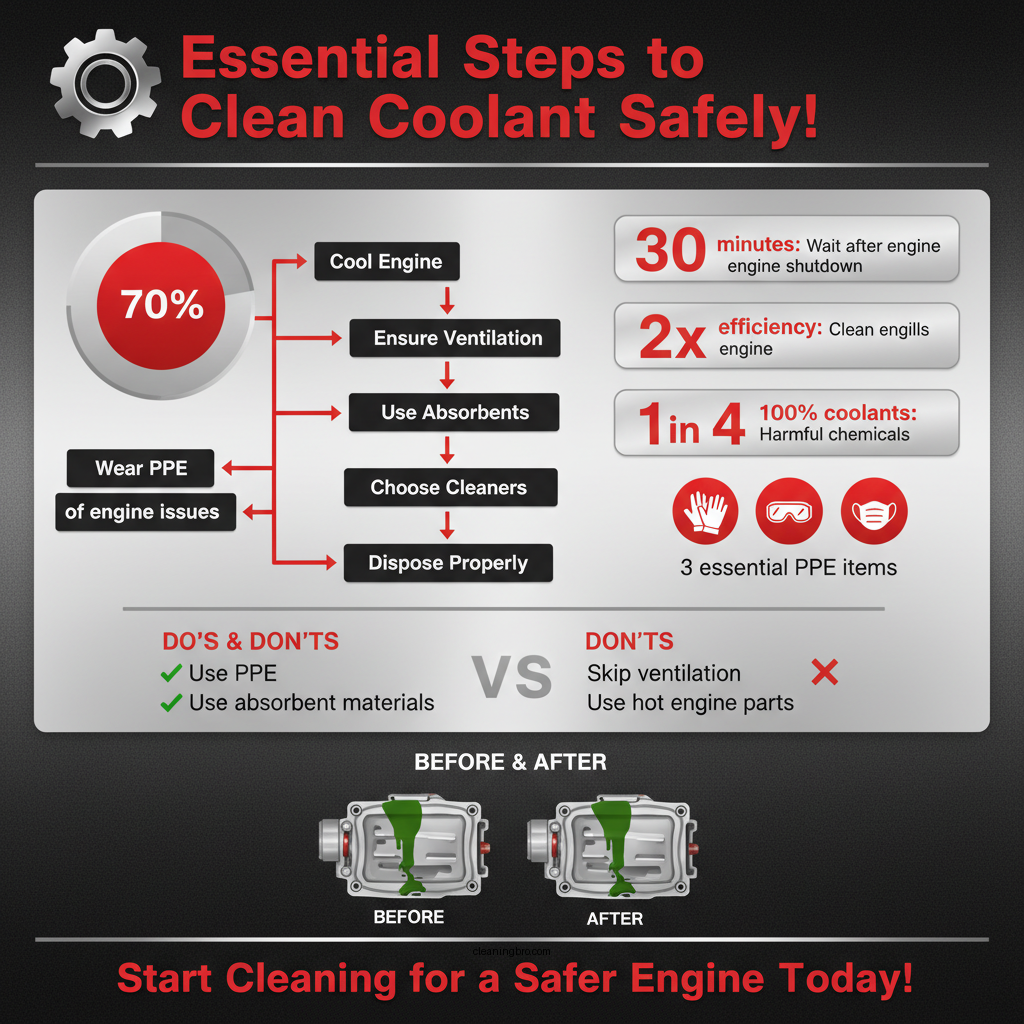
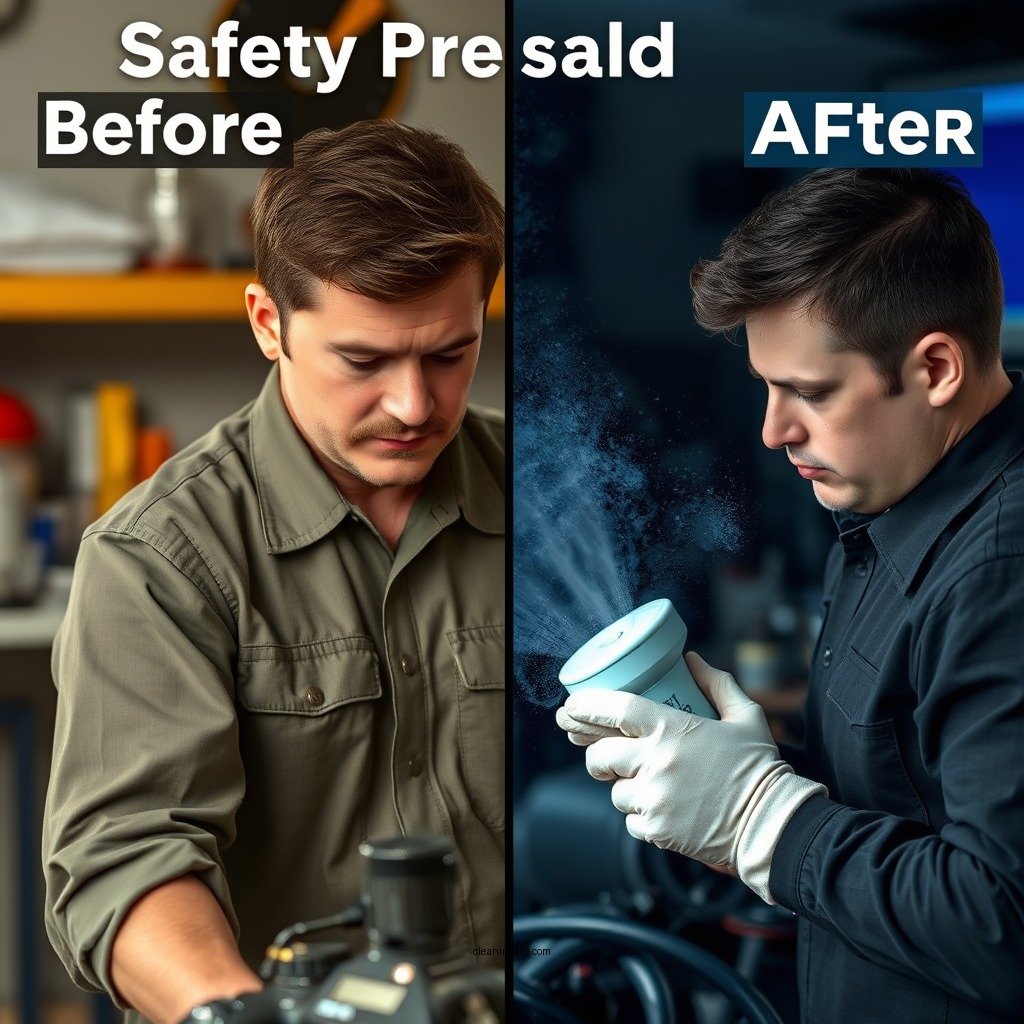
Before beginning the cleaning process, it’s essential to prioritize safety. Here are some critical precautions to take:
– Personal Protective Equipment (PPE): Always wear gloves and safety goggles to protect your skin and eyes from harmful chemicals present in coolant. Some coolants can cause skin irritation or allergic reactions.
– Engine Temperature: Ensure that the engine is cool before touching any components. Hot surfaces can cause burns, and it’s advisable to wait at least 30 minutes after running the engine before starting the cleanup process.
– Ventilation: Work in a well-ventilated area to avoid inhaling any fumes emitted from the coolant or cleaning agents. If working indoors, consider using fans or opening windows to improve airflow.
Materials Needed for Cleaning
To effectively clean coolant spills, gather the following materials:
– Absorbent Materials: Use rags, towels, or even cat litter to absorb excess coolant. These materials are effective in soaking up the liquid and minimizing spills.
– Cleaning Solution: A suitable cleaning solution is crucial for breaking down and removing coolant residues. Options include:
– Degreaser: A powerful degreaser can help dissolve coolant residues. Look for automotive-grade degreasers that are safe for engine use.
– Vinegar and Water Mix: For a natural cleaning solution, mix equal parts vinegar and water. This solution can effectively break down coolant residues.
– Brushes: A soft-bristle brush can help scrub away stubborn residues without damaging engine components.
– Bucket: Use a bucket to hold the cleaning solution and to dispose of the absorbent materials after use.
Step-by-Step Cleaning Process
Follow these systematic steps to clean coolant from your engine effectively:
1. Soak Up Excess Coolant: Use absorbent materials such as rags or cat litter to soak up any excess coolant. Apply gentle pressure to ensure maximum absorption. Dispose of the soaked materials properly, following local regulations for hazardous waste.
2. Prepare the Cleaning Solution: If using a degreaser, follow the manufacturer’s instructions for dilution. For a vinegar solution, mix equal parts vinegar and water in a bucket.
3. Scrub the Affected Areas: Dip a soft-bristle brush into the cleaning solution and scrub the areas where coolant has spilled. Pay special attention to crevices and hard-to-reach spots to ensure thorough cleaning. Use circular motions to effectively lift the residue.
4. Wipe Down Surfaces: After scrubbing, use clean rags to wipe down the surfaces, removing any remaining residue and cleaning solution.
5. Repeat if Necessary: If you notice any remaining coolant residues, repeat the scrubbing and wiping process until the surfaces are clean.
Rinsing and Final Inspection
Once you have scrubbed and wiped down the affected areas, it’s essential to rinse and perform a final inspection:
– Rinse with Water: Use a hose or a bucket of clean water to rinse the cleaned areas. This step helps remove any cleaning agents that may remain on the engine surface.
– Final Inspection: After rinsing, inspect the engine carefully for any remaining coolant residue. Look for signs of staining or discoloration, particularly in hard-to-reach areas. If you notice any residual coolant, repeat the cleaning process as necessary.
Tips for Preventing Future Coolant Spills
Taking proactive measures can significantly reduce the likelihood of future coolant spills:
– Regular Checks: Routinely check coolant levels and inspect for leaks. Look for puddles under the vehicle or signs of coolant on hoses and connections.
– Address Leaks Promptly: If you notice any leaks, address them immediately. This may involve tightening hose connections or replacing faulty components.
– Routine Maintenance: Schedule regular maintenance checks for your vehicle. This can help identify potential issues before they escalate, ensuring that your cooling system operates efficiently.
Top 7 Coolant Brands by Popularity (2024)
| # | Brand | Type | Price per Gallon | User Rating |
|---|---|---|---|---|
| 1 | Prestone | Conventional | $12.99 | ★★★★☆ |
| 2 | Zerex | Organic | $13.50 | ★★★★★ |
| 3 | Peak | Conventional | $10.99 | ★★★★☆ |
| 4 | Valvoline | Organic | $14.50 | ★★★★★ |
| 5 | Glysantin | Conventional | $11.50 | ★★★★☆ |
| 6 | Honda | Organic | $15.99 | ★★★☆☆ |
| 7 | Toyota | Conventional | $12.50 | ★★★★☆ |
Prestone vs Zerex vs Valvoline: Full Comparison
| Feature | ⭐ Prestone | Zerex | Valvoline |
|---|---|---|---|
| Type | Conventional | Organic | Organic |
| Boiling Point | 265°F | 270°F | 270°F |
| Freezing Point | -34°F | -40°F | -34°F |
| Compatibility | Most vehicles | Specific types | Most vehicles |
| Price per Gallon | $12.99 | $13.50 | $14.50 |
| User Rating | ★★★★☆ | ★★★★★ | ★★★★★ |
| Manufacturer Support | Yes | Yes | Yes |
| Warranty | Limited | Limited | Limited |
| 🏆 Best For | General use | High performance | Budget-conscious users |
Cleaning coolant off your engine is crucial for its health. Follow these steps to keep your engine clean and perform regular checks to avoid future spills. If you’re unsure about any part of this process, consider consulting a professional mechanic to assist you. Remember, maintaining a clean engine not only enhances performance but also prolongs its lifespan, making regular cleaning an essential part of vehicle maintenance.
Frequently Asked Questions
How do I safely clean coolant off my engine?
To safely clean coolant off your engine, start by allowing the engine to cool completely. Use a mixture of water and a mild detergent, applying it with a sponge or cloth to avoid damaging sensitive components. Rinse the area gently with water, taking care not to let water enter electrical connections, and dry the surfaces thoroughly to prevent corrosion.
What materials do I need to clean coolant off an engine?
To clean coolant off an engine, you will need a few essential materials including rubber gloves, a soft cloth or sponge, a bucket, mild detergent, and a garden hose or spray bottle for rinsing. You may also consider using a degreaser specifically formulated for automotive applications to effectively break down any grease or grime along with the coolant.
Why is it important to clean coolant spills from my engine?
Cleaning coolant spills from your engine is crucial for several reasons. Coolant can cause corrosion and damage to engine components if left unattended, leading to potential leaks and costly repairs. Additionally, it can create a slippery surface, posing safety hazards while working on or around the engine.
What is the best method for removing dried coolant from engine surfaces?
The best method for removing dried coolant from engine surfaces involves using a commercial engine degreaser or a baking soda paste applied to the affected area. Allow it to sit for a few minutes to loosen the dried coolant, then scrub gently with a soft brush or cloth. Rinse thoroughly with water to remove any residue and prevent further buildup.
Which areas of the engine should I focus on when cleaning coolant?
When cleaning coolant from an engine, focus on areas where coolant is most likely to leak or pool, such as around the radiator, hoses, water pump, and engine block. Pay attention to any crevices or components where coolant may have splashed, as these areas can harbor residue that could lead to corrosion or attract dirt and grime over time.
References
- 3 Ways to Clean a Car Engine – wikiHow
https://www.wikihow.com/Clean-a-Car-Engine - https://www.sciencedirect.com/topics/engineering/coolant
https://www.sciencedirect.com/topics/engineering/coolant - https://www.ncbi.nlm.nih.gov/pmc/articles/PMC6310901/
https://www.ncbi.nlm.nih.gov/pmc/articles/PMC6310901/ - Google Scholar Google Scholar
https://scholar.google.com/scholar?q=clean+coolant+off+engine - Google Scholar Google Scholar
https://scholar.google.com/scholar?q=engine+coolant+cleaning+methods - https://www.enginebuildermag.com/2020/10/radiator-coolant-repair-and-replace/
https://www.enginebuildermag.com/2020/10/radiator-coolant-repair-and-replace/ - https://www.bbc.com/future/article/20210302-how-to-clean-a-car-engine
https://www.bbc.com/future/article/20210302-how-to-clean-a-car-engine - https://www.nytimes.com/wirecutter/blog/how-to-clean-a-car-engine/
https://www.nytimes.com/wirecutter/blog/how-to-clean-a-car-engine/ - Google Scholar Google Scholar
https://scholar.google.com/scholar?q=how+to+clean+coolant+off+engine - how to clean coolant off engine – Search results
https://en.wikipedia.org/wiki/Special:Search?search=how+to+clean+coolant+off+engine