How to Clean Coral: Essential Steps for Care
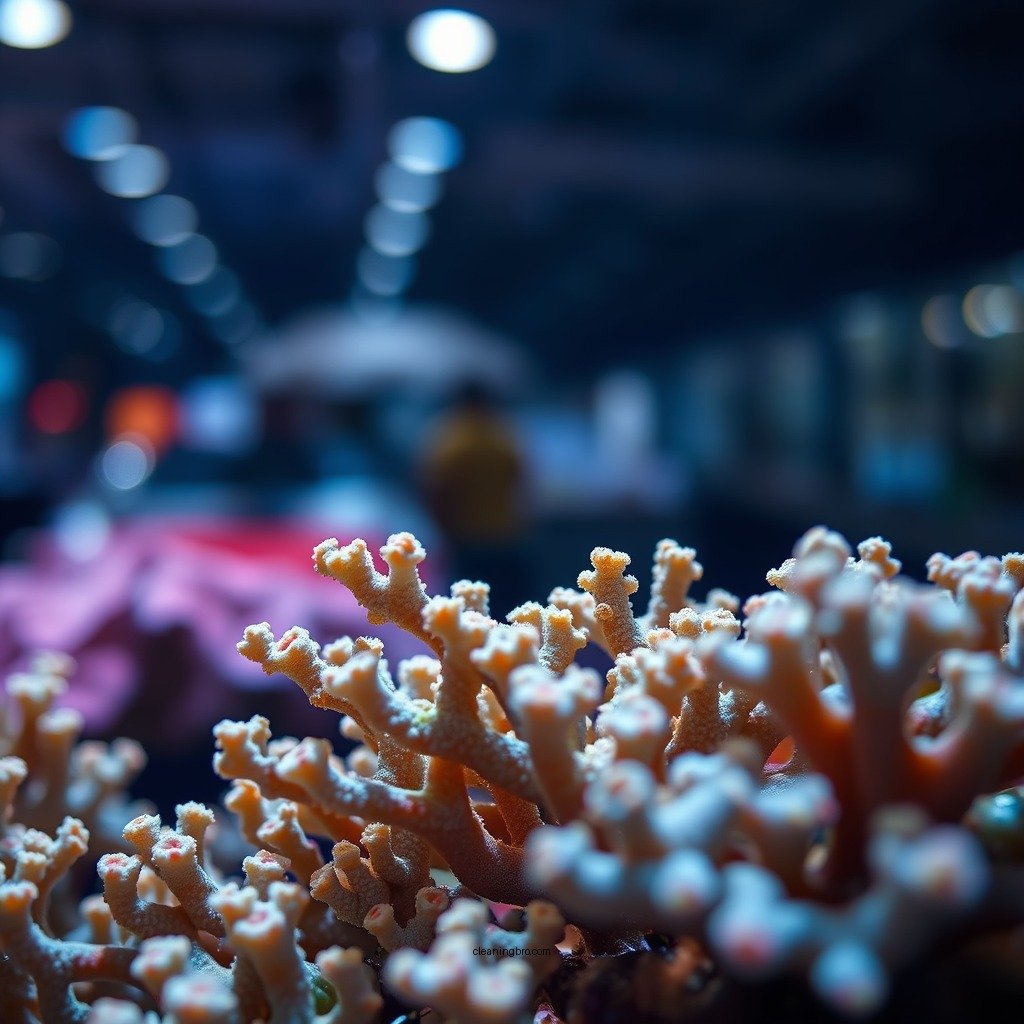
Cleaning coral requires gentle techniques to preserve its delicate structure and vibrant colors. In this article, you’ll learn the best methods to safely clean coral, ensuring it remains beautiful while minimizing any potential damage. By understanding the types of coral, preparing your cleaning space, and using the right techniques, you can effectively maintain the integrity of your coral specimens, whether they are live or fossilized.
Understanding Coral Types
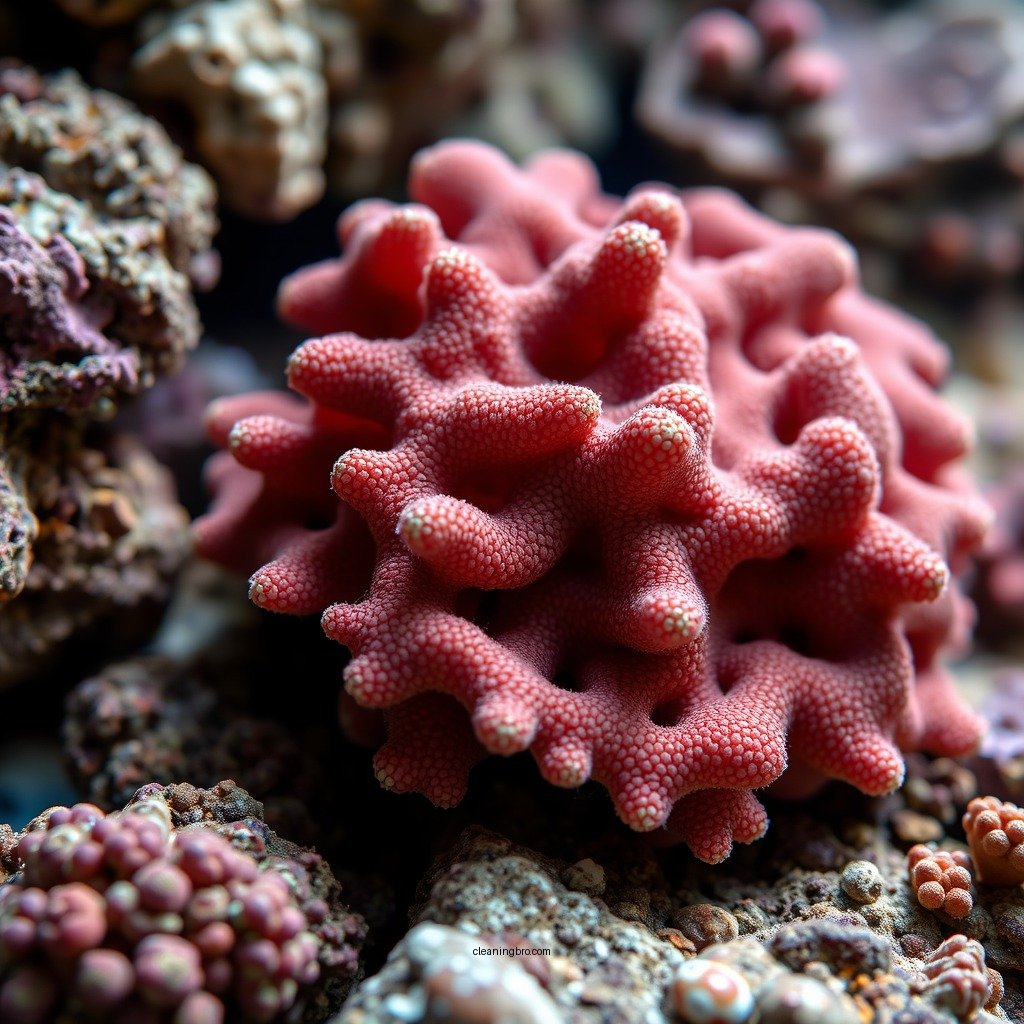
Coral exists in various forms, primarily categorized as live coral and fossilized coral. Live coral is part of marine ecosystems, providing habitats for numerous marine species. It possesses a living tissue layer that should never be harmed during cleaning. In contrast, fossilized coral is a mineralized version that has lost its living tissues but retains the structure and shapes that make it desirable for display. Identifying your coral type is crucial as it dictates the cleaning method you should employ. For instance, cleaning live coral necessitates utmost gentleness to avoid harming the organisms that may still inhabit it, while fossilized coral can withstand slightly more vigorous cleaning methods.
Different Types of Coral
| Coral Type | Description | Cleaning Method |
|——————|——————————————————-|——————————————|
| Live Coral | Living organisms, part of marine ecosystems | Rinse gently with freshwater |
| Fossilized Coral | Mineralized remains of once-living coral | Soak in freshwater and brush gently |
Preparing Your Cleaning Space
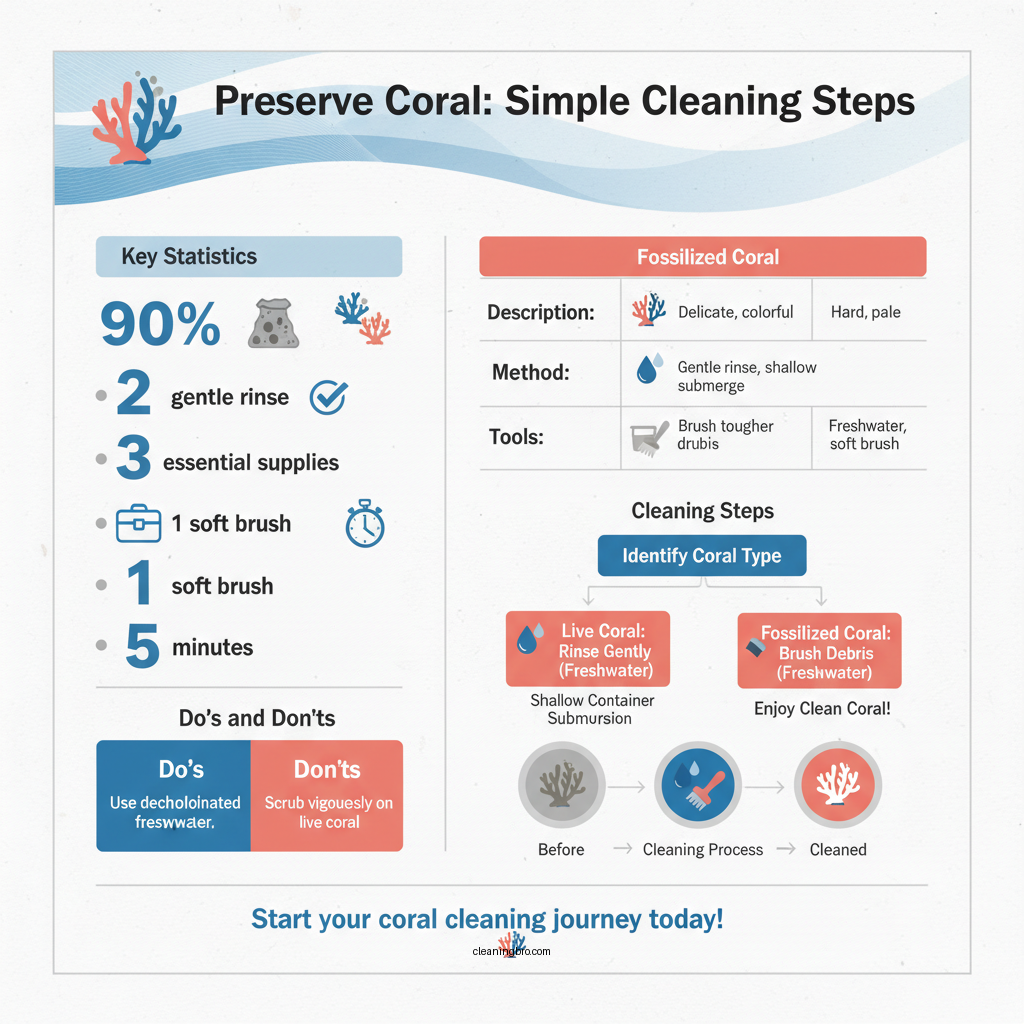
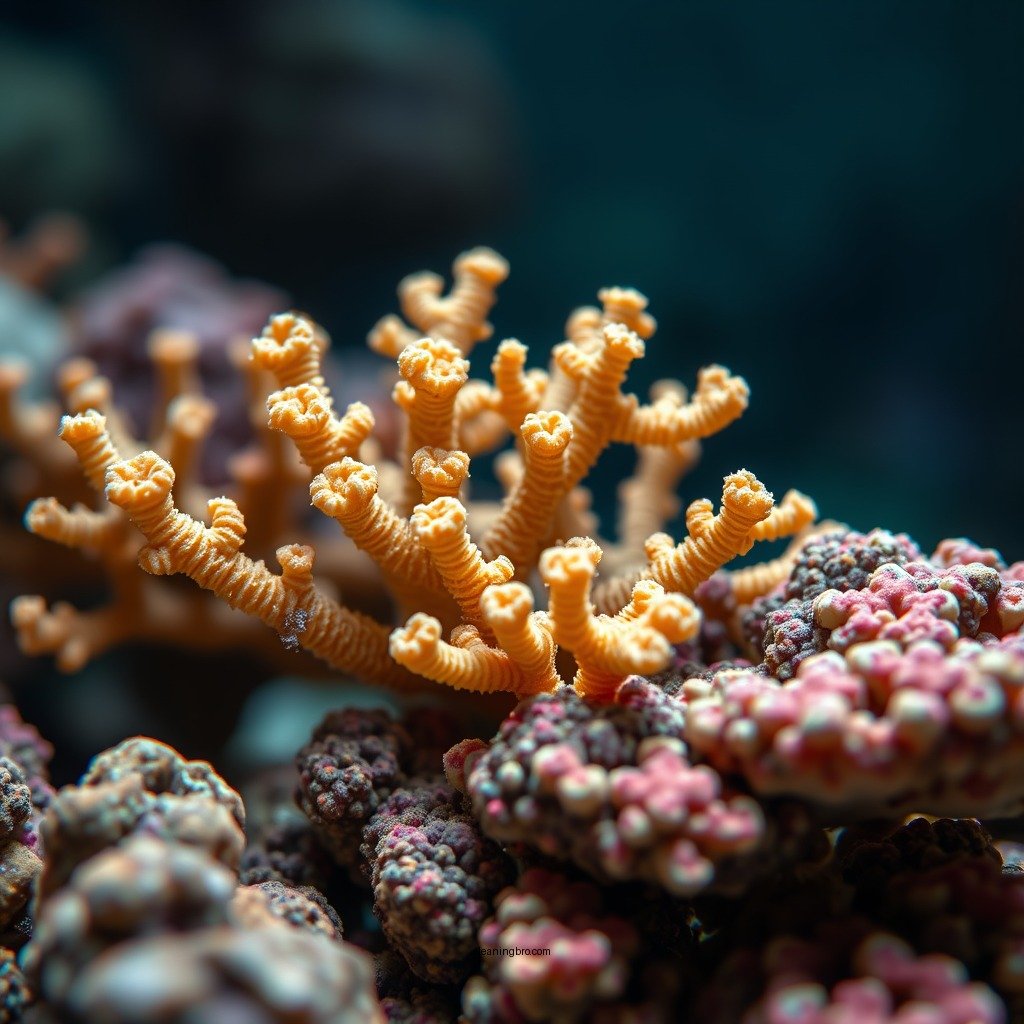
Before embarking on the cleaning process, it’s imperative to prepare a suitable cleaning space. Choose a clean and well-lit area, preferably away from contaminants such as dust or chemicals that could harm the coral. A large, flat surface is ideal for this task. Gather all necessary cleaning supplies to ensure a smooth process. Essential supplies include:
– Soft brushes: A soft-bristled toothbrush or a dedicated coral cleaning brush is ideal to avoid scratching the coral’s surface.
– Freshwater: Use dechlorinated freshwater to prevent any chemical reactions that may damage the coral.
– Containers: Use shallow containers to hold the coral during cleaning, especially for live specimens to keep them submerged.
Cleaning Live Coral
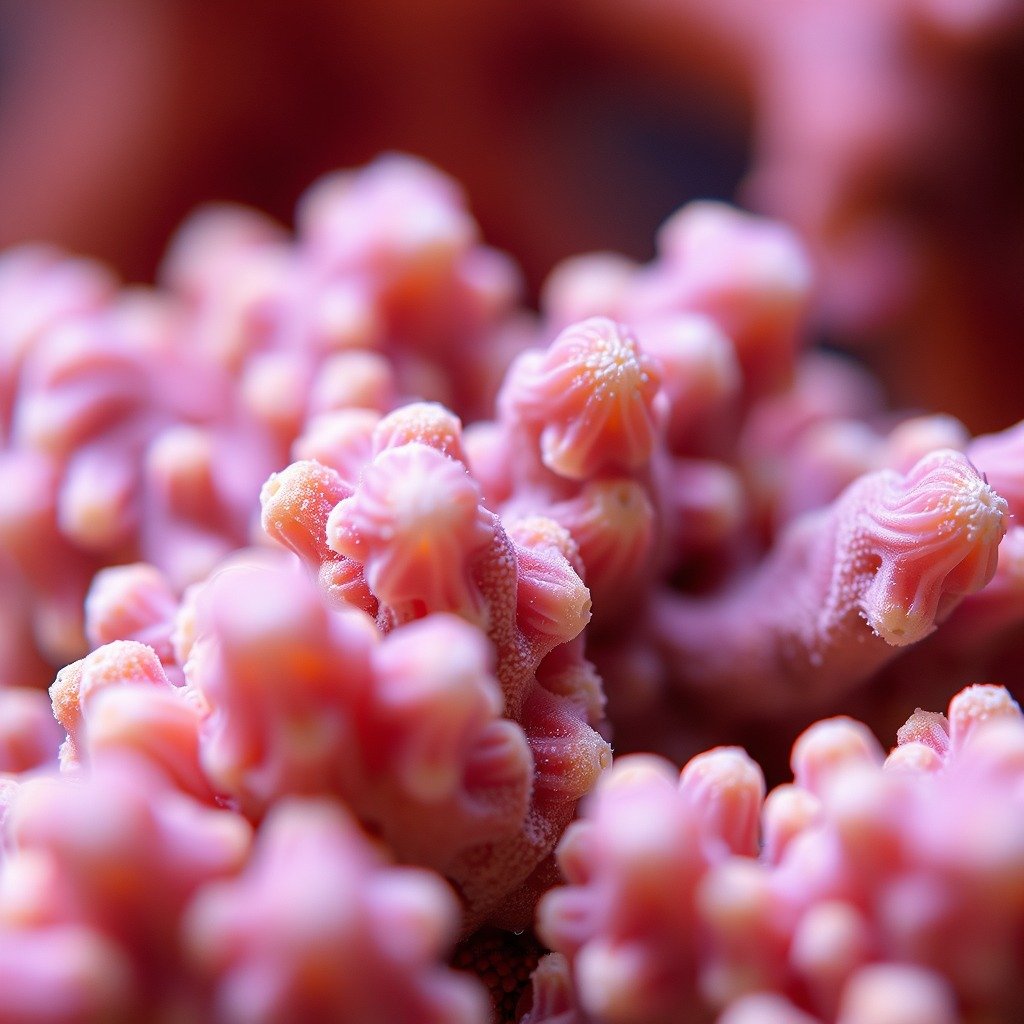
When cleaning live coral, the primary goal is to remove debris and algae without harming its biological structure. Begin by rinsing the coral gently under a stream of dechlorinated freshwater. This initial rinse will help eliminate loose particles without causing stress to the coral.
Next, use a soft brush to gently dislodge any algae or residue. Be careful to brush only the surfaces and avoid applying pressure that could damage delicate coral polyps. If you notice any stubborn algae, consider soaking the coral in freshwater for a few minutes before brushing. After cleaning, it’s essential to return the coral to its aquatic environment as soon as possible, as prolonged exposure to air can stress the organisms.
Cleaning Fossilized Coral
Fossilized coral, while more resilient than live coral, still requires careful handling. Begin by soaking the fossilized coral in freshwater for about 30 minutes. This soaking helps to loosen any dirt or debris that may be attached to the surface.
After soaking, use a soft brush to gently scrub the surface. Avoid using harsh chemicals or abrasive tools, as these can scratch or damage the fossilized surface. If there are any particularly stubborn spots, you can use a soft cloth dampened with freshwater to wipe them away gently. Once cleaned, allow the fossilized coral to air dry completely before storing or displaying it.
Drying and Storing Coral
Proper drying and storage are critical to maintaining the integrity of your coral. After cleaning, place the coral in a well-ventilated area to air dry completely. This step is essential, as any lingering moisture could promote the growth of algae or mold.
Once the coral is dry, store it in a cool, dry place, away from direct sunlight. Prolonged exposure to sunlight can cause fading and degradation of the coral’s colors. If displaying the coral, consider using a glass case or cabinet that protects it from dust and environmental factors.
Maintaining Coral Cleanliness
Regular maintenance is key to preventing the buildup of dust and algae on coral. A simple dusting with a soft cloth can help keep fossilized coral looking pristine. For live coral, regular water changes in the aquarium can help reduce algae growth and improve overall water quality.Additionally, it’s wise to place coral away from high-humidity areas. Excess moisture can encourage algae growth, leading to premature deterioration of your coral specimens. If your coral is part of an aquarium, ensure that the water parameters are stable and conducive to coral health, including maintaining appropriate temperature, salinity, and nutrient levels.
Tips for Long-Term Care
Long-term care of coral involves regular inspections for signs of damage or discoloration. For live coral, observe for any changes in color or polyp retraction that may indicate stress or illness. For fossilized coral, check for cracks or surface deterioration that may require immediate attention.
If displaying coral in an aquarium, ensure to maintain an appropriate environment. Regular testing of water quality, including pH, ammonia, and nitrate levels, is essential for the health of live coral. Additionally, consider the compatibility of other marine organisms in the tank to foster a harmonious ecosystem.
Comparison of Cleaning Techniques for Coral Types
Cleaning Techniques for Live vs. Fossilized Coral
| Feature | Live Coral | Fossilized Coral |
|---|---|---|
| Water Temperature | Room Temperature | Room Temperature |
| Soaking | ❌ | ✅ |
| Cleaning Tools | Soft Brush | Soft Brush |
| Drying Method | Air Dry | Air Dry |
| Chemical Use | ❌ | ❌ |
| Frequency of Cleaning | Monthly | Every 3-6 Months |
| Exposure to Air | Limited | Extended |
| Post-Cleaning Care | Immediate Return to Aquarium | Store in Dry Area |
| Potential Damage Risk | High | Low |
| Best For | Marine Enthusiasts | Collectors and Decorators |
In summarizing, cleaning coral is a delicate process that demands attention to detail and care. Understanding the differences between live and fossilized coral allows for appropriate cleaning methods, helping to preserve these beautiful specimens. A clean environment and regular maintenance can ensure that coral remains vibrant and lasts for years. By following the steps outlined in this guide, you can effectively care for your coral, contributing to its longevity and beauty. If you found this guide helpful, consider sharing it with others interested in coral care!
Frequently Asked Questions
What is the best method to clean coral jewelry?
The best method to clean coral jewelry is to use a soft, damp cloth to gently wipe the surface. Avoid using harsh chemicals or ultrasonic cleaners, as these can damage the delicate structure of coral. If needed, a mild soap solution can be used, but ensure to rinse thoroughly and dry completely to prevent moisture damage.
How do you remove stains from coral?
To remove stains from coral, mix a small amount of baking soda with water to create a paste. Apply the paste to the stained area using a soft cloth, and gently rub in a circular motion. Rinse with clean water and dry off immediately to maintain the integrity of the coral.
Why is it important to clean coral properly?
Properly cleaning coral is crucial because it helps preserve its natural beauty and prevents deterioration. Coral can absorb oils and dirt from skin contact, which can lead to discoloration over time. Regular cleaning can also prevent the buildup of harmful bacteria that may cause further damage.
Which cleaning products should be avoided when cleaning coral?
When cleaning coral, avoid using ammonia, bleach, or any abrasive cleaners, as these can cause permanent damage to the coral’s surface. Additionally, avoid using vinegar or acidic solutions, which can erode the coral’s structure. Stick to gentle, non-toxic cleaners for safe and effective cleaning.
How often should coral items be cleaned?
Coral items should be cleaned regularly, ideally every few months, depending on usage. If worn frequently, consider cleaning them monthly to maintain their luster and prevent buildup of dirt and oils. Regular maintenance not only keeps coral looking vibrant but also extends its lifespan.
References
- Coral
https://en.wikipedia.org/wiki/Coral - https://www.researchgate.net/publication/332891141_Coral_Health_and_Cleaning_Protocols
https://www.researchgate.net/publication/332891141_Coral_Health_and_Cleaning_Protocols - https://www.sciencedirect.com/topics/agricultural-and-biological-sciences/coral
https://www.sciencedirect.com/topics/agricultural-and-biological-sciences/coral - https://pubmed.ncbi.nlm.nih.gov/28821520/
https://pubmed.ncbi.nlm.nih.gov/28821520/ - https://www.ncbi.nlm.nih.gov/pmc/articles/PMC7150375/
https://www.ncbi.nlm.nih.gov/pmc/articles/PMC7150375/ - https://www.nature.com/articles/s41598-020-67826-6
https://www.nature.com/articles/s41598-020-67826-6 - https://www.bbc.com/future/article/20210621-how-to-save-coral-reefs
https://www.bbc.com/future/article/20210621-how-to-save-coral-reefs - https://www.cdc.gov/healthywater/drinking/campylobacter-what.html
https://www.cdc.gov/healthywater/drinking/campylobacter-what.html - Google Scholar Google Scholar
https://scholar.google.com/scholar?q=how+to+clean+coral - Google Scholar Google Scholar
https://scholar.google.com/scholar?q=coral+cleaning+protocols