How to Clean Cork: Step-by-Step Guide
Cleaning cork is simple and effective, ensuring that your cork items remain in great condition. To clean cork, you typically need mild soap, a soft brush or cloth, and some water. In this guide, you will learn the best methods and tips for keeping your cork clean and well-maintained, allowing your cork items to retain their aesthetic appeal and functionality.
Understanding Cork Material
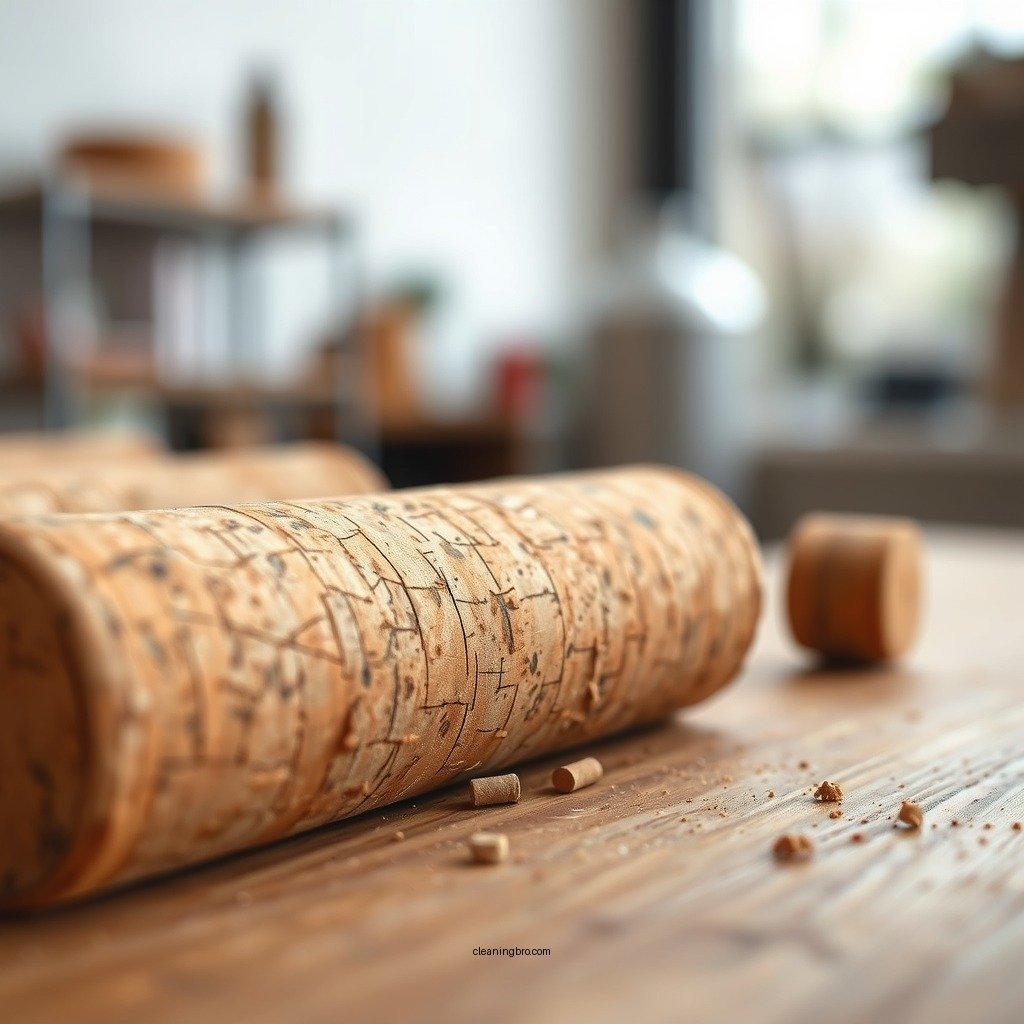
Cork is a natural material derived from the bark of the cork oak tree and is widely used in a variety of applications, including flooring, coasters, and crafts. Its unique properties make cork an appealing choice for many consumers; it is lightweight, durable, and has a distinctive aesthetic that adds warmth to any environment. However, being a porous material, cork can absorb liquids and odors, making it essential to adopt proper cleaning techniques to avoid damage and maintain its integrity over time.
The porous nature of cork also means that it can harbor bacteria and mold if not cleaned regularly. Therefore, understanding the specific characteristics of cork is crucial for ensuring that your cork items remain hygienic and visually appealing. In this section, we will explore some key attributes of cork that you should be aware of when cleaning.
Preparing for Cleaning
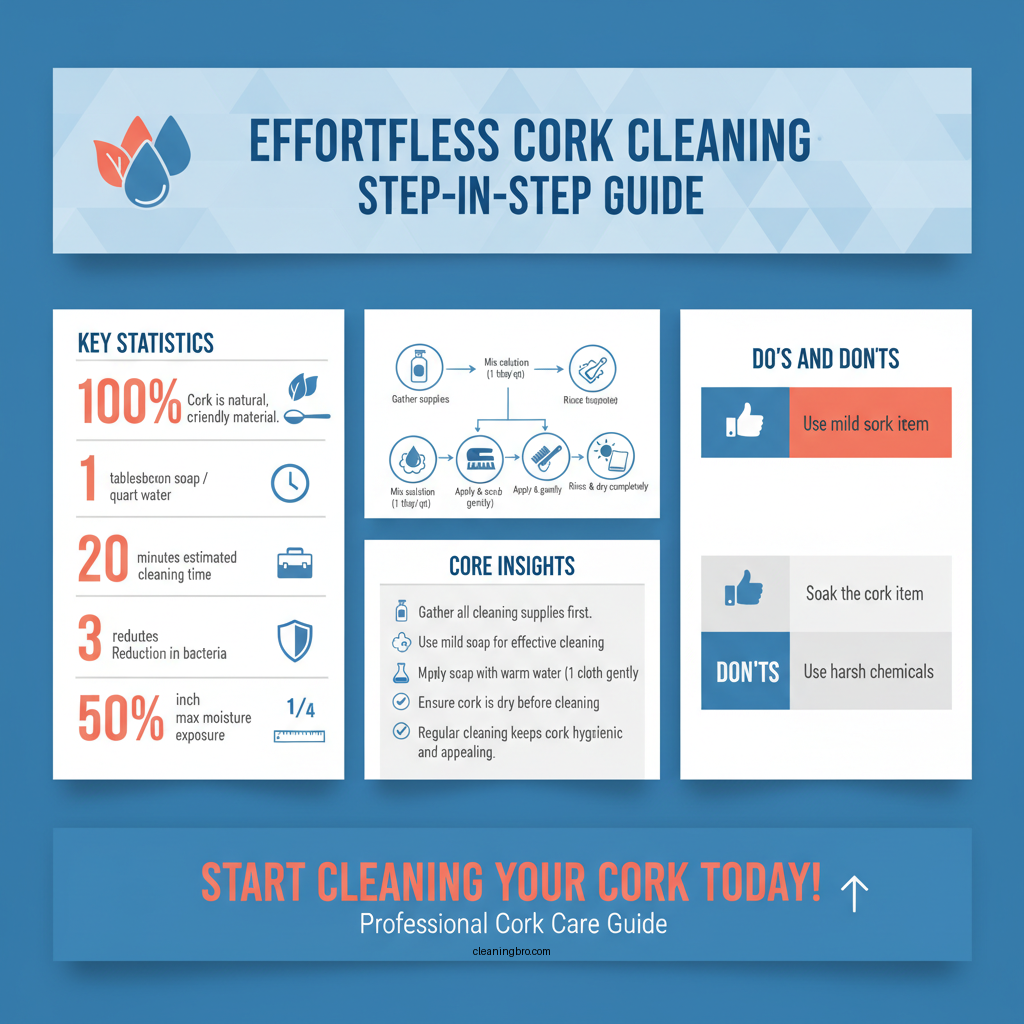
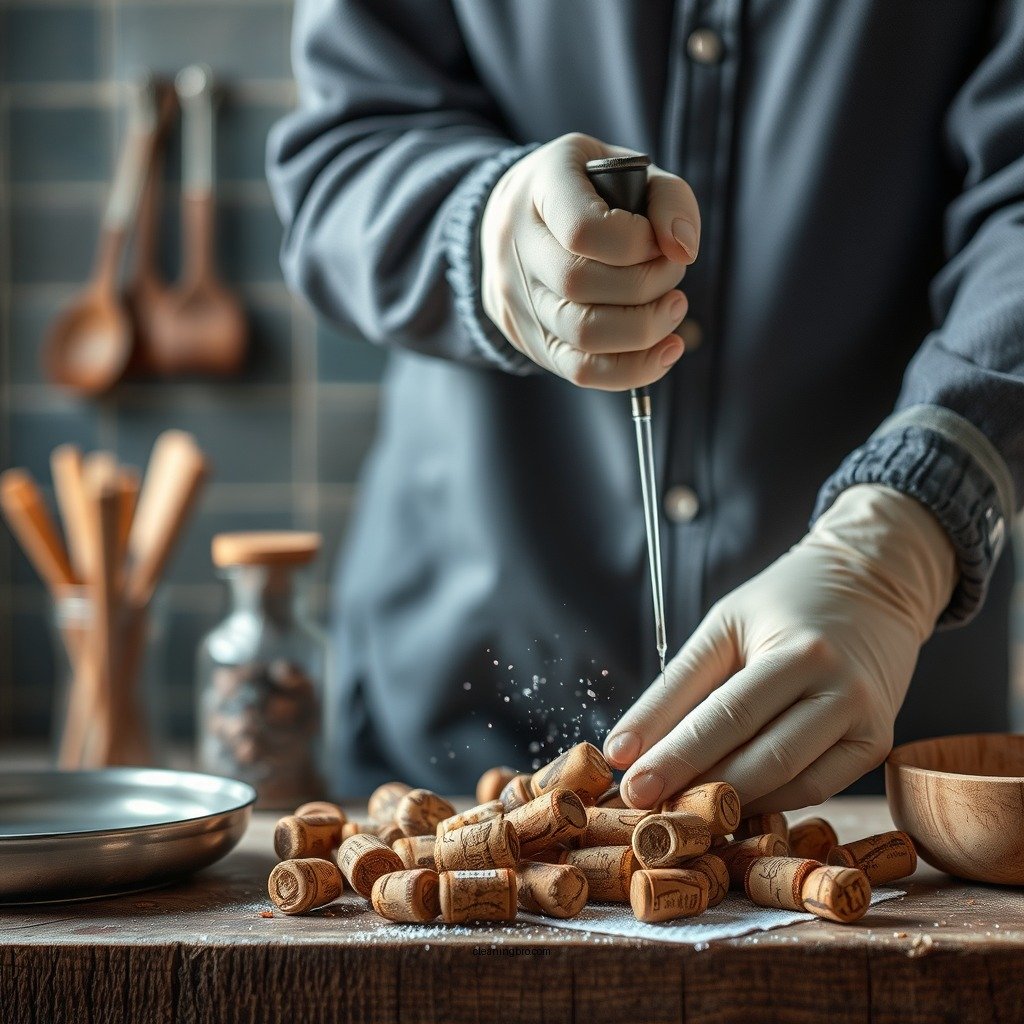
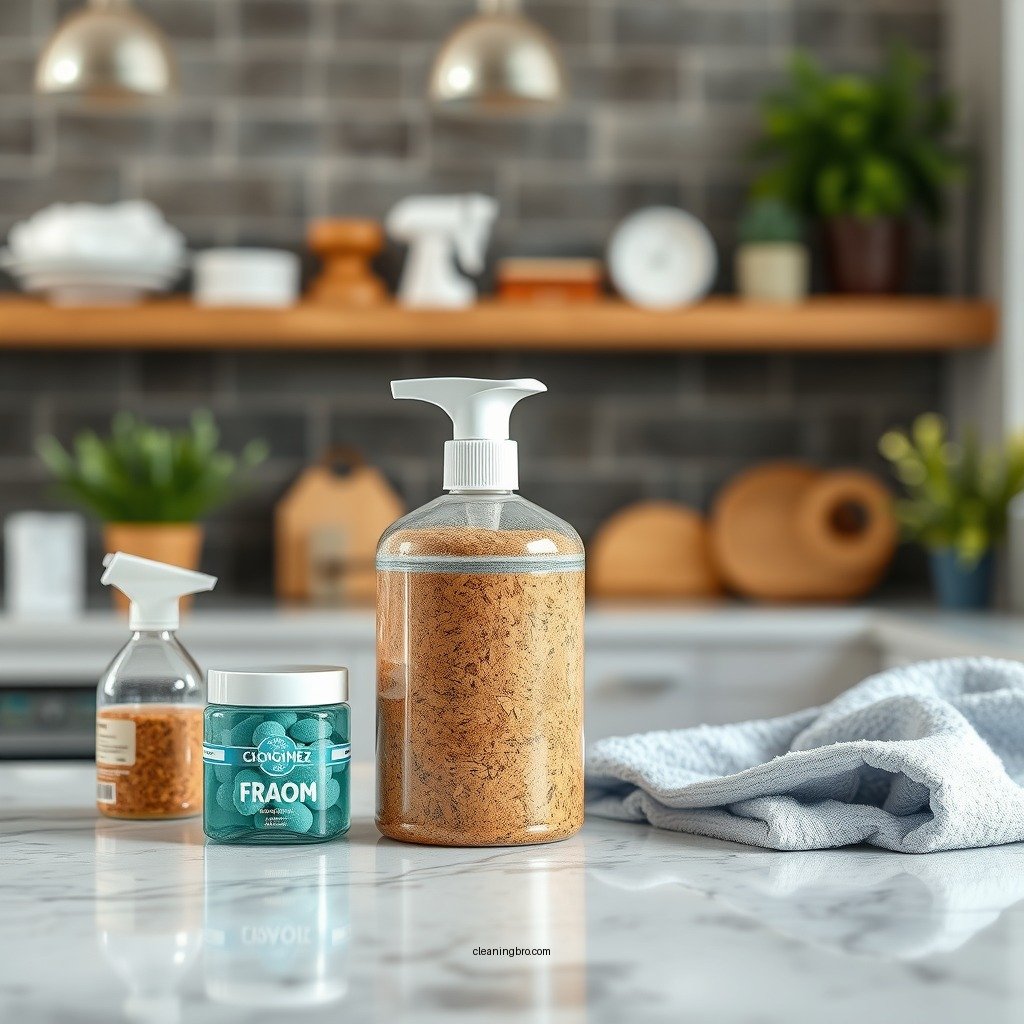
Before you begin the cleaning process, it is important to gather all necessary supplies to ensure an efficient and thorough cleaning experience. The items you will need include:
– Mild Soap: A gentle dish soap or a specialized cork cleaner will suffice.
– Warm Water: Warm water helps to dissolve dirt and grime effectively.
– Soft Brush or Cloth: Use a soft-bristle brush or a microfiber cloth to avoid scratching the surface.
– Sponge: This will aid in applying the cleaning solution and wiping down surfaces.
Additionally, make sure that the cork item you plan to clean is dry and free of loose dirt or debris. This pre-cleaning step will help facilitate a more effective cleaning process, allowing the soap solution to work optimally on the surface of the cork.
Cleaning Cork Surfaces
Once you have gathered your supplies and prepared the cork item, you can proceed with the cleaning process. Start by mixing a solution of mild soap and warm water in a bowl or bucket. The ratio should be about one tablespoon of soap to a quart of water.
Next, dip your soft brush or cloth into the solution, ensuring it is damp but not overly wet. Excess moisture can lead to mold growth within the cork. Gently scrub the cork surfaces in a circular motion, focusing on any areas with visible dirt or stains. Take care to avoid soaking the cork, as prolonged exposure to water can deteriorate its structural integrity.
After scrubbing, it is advisable to use a clean damp sponge to remove any soap residue from the surface. This ensures that no cleaning agents remain that could potentially damage the cork over time.
Dealing with Stains and Odors
Cork items can sometimes develop stubborn stains and unpleasant odors that require special treatment. For tough stains, a baking soda paste can be very effective. To create this paste, mix baking soda with a small amount of water until it reaches a thick consistency. Apply the paste to the stained area and let it sit for about 15-20 minutes before gently scrubbing with your soft brush or cloth. Rinse with a damp cloth afterward to remove any remaining baking soda.
To combat odors, sprinkle a generous amount of baking soda on the cork surface. Allow it to sit for several hours, or overnight if possible, to absorb any lingering smells. Once sufficient time has passed, brush off the baking soda with a soft brush or cloth. This method not only eliminates odors but also leaves the cork smelling fresh.
Rinsing and Drying
After cleaning, it is crucial to rinse the cork thoroughly to eliminate any soap, baking soda, or cleaning solution residues. Use a clean, damp cloth to wipe down the cork surfaces, ensuring that all cleaning agents are removed.
Once rinsed, allow the cork to air dry completely. It is important to keep the cork away from direct sunlight or heat sources during this process, as excessive heat can warp or damage the material. Ideally, you should let it dry in a well-ventilated area to promote thorough drying and prevent mold growth.
Maintaining Clean Cork
Regular maintenance is essential to keep your cork items looking fresh and new. Start by dusting cork surfaces with a dry cloth to prevent dust and debris from accumulating. This simple step can significantly extend the life of your cork items and maintain their appearance.
Additionally, consider applying a cork sealer periodically to enhance durability and resistance to stains and moisture. A quality cork sealer will provide a protective layer that can help keep your cork items looking their best while simplifying future cleaning efforts. Depending on the use and exposure of the cork items, reapplication of the sealer may be needed every few months.
Common Cork Cleaning Methods and Their Efficacy
| # | Cleaning Method | Efficacy Rating | Recommended Frequency |
|---|---|---|---|
| 1 | Mild Soap & Water | ★★★★☆ | Monthly |
| 2 | Baking Soda Paste | ★★★★★ | As Needed |
| 3 | Vinegar Solution | ★★★☆☆ | Quarterly |
| 4 | Cork Sealer Application | ★★★★☆ | Every 6 Months |
| 5 | Odor Elimination with Baking Soda | ★★★★★ | As Needed |
| 6 | Steam Cleaning | ★★☆☆☆ | Yearly |
| 7 | Commercial Cork Cleaner | ★★★★☆ | As Needed |
Cork Cleaning Tools Comparison
| Feature | ⭐ Soft Brush | Microfiber Cloth | Sponge |
|---|---|---|---|
| Material | Natural Bristles | Microfiber | Synthetic |
| Effectiveness | ✅ Excellent | ✅ Good | ✅ Fair |
| Durability | Long-lasting | Washable | Single-use |
| Cost | $10 | $5 | $3 |
| Eco-Friendly | ✅ Yes | ✅ Yes | ❌ No |
| User-Friendly | ✅ Yes | ✅ Yes | ✅ Yes |
| Ideal for Stains | ✅ Yes | ❌ No | ❌ No |
| Ideal for Dust | ❌ No | ✅ Yes | ✅ Yes |
| Best For | Thorough Cleaning | General Dusting | Spot Cleaning |
Regular maintenance and the right cleaning techniques are crucial in preserving the beauty and functionality of cork items. By implementing the methods outlined in this guide, you can ensure that your cork surfaces stay clean, odor-free, and visually appealing for many years to come. Whether you are dealing with a cork floor, coasters, or cork crafts, adhering to these practices will help maintain their integrity and charm. Don’t overlook the importance of routine care, as it ultimately contributes to the longevity and durability of your cork items.
Frequently Asked Questions
What is the best way to clean cork flooring?
The best way to clean cork flooring is to use a damp mop with a mixture of warm water and a few drops of mild dish soap. Avoid excessive water and harsh chemicals, as they can damage the cork. After mopping, ensure the floor dries quickly to prevent moisture damage.
How do you remove stains from cork surfaces?
To remove stains from cork surfaces, create a paste using baking soda and water. Apply the paste to the stained area and let it sit for about 10 minutes before gently scrubbing with a soft cloth. Rinse the area with a damp cloth and dry thoroughly to prevent further staining.
Why should you avoid using vinegar on cork?
You should avoid using vinegar on cork because its acidic nature can break down the protective sealant on cork surfaces, leading to damage and deterioration. Instead, opt for a pH-balanced cleaner specifically designed for cork to maintain its integrity and appearance.
Which cleaning products are safe for cork?
Safe cleaning products for cork include pH-balanced cleaners, mild dish soap mixed with water, and specialized cork floor cleaners. Always check the product label to ensure it’s suitable for use on cork surfaces and avoid abrasive cleaners that can scratch or wear down the material.
How often should you clean cork surfaces to maintain their appearance?
You should clean cork surfaces at least once a week to maintain their appearance and prevent dirt buildup. Additionally, deep cleaning every few months using a specialized cork cleaner will help preserve the cork’s natural beauty and extend its lifespan. Regular maintenance ensures that your cork surfaces stay looking fresh and vibrant.
References
- Cork
https://en.wikipedia.org/wiki/Cork - https://www.ncbi.nlm.nih.gov/pmc/articles/PMC6333983/
https://www.ncbi.nlm.nih.gov/pmc/articles/PMC6333983/ - https://www.sciencedirect.com/topics/engineering/cork
https://www.sciencedirect.com/topics/engineering/cork - https://pubmed.ncbi.nlm.nih.gov/31349056/
https://pubmed.ncbi.nlm.nih.gov/31349056/ - https://www.britannica.com/science/cork
https://www.britannica.com/science/cork - https://www.nature.com/articles/s41598-020-77986-5
https://www.nature.com/articles/s41598-020-77986-5 - https://www.cdc.gov/healthywater/drinking/home-water-treatment.html
https://www.cdc.gov/healthywater/drinking/home-water-treatment.html - https://www.mayoclinic.org/healthy-lifestyle/consumer-health/in-depth/cleaning-tips/art-20046081
https://www.mayoclinic.org/healthy-lifestyle/consumer-health/in-depth/cleaning-tips/art-20046081 - Google Scholar Google Scholar
https://scholar.google.com/scholar?q=how+do+you+clean+cork - Google Scholar Google Scholar
https://scholar.google.com/scholar?q=cleaning+cork+material