How to Clean Corrosion on Aluminum: Effective Methods
Cleaning corrosion from aluminum is essential for maintaining its appearance and longevity. Effective methods often involve using common household items or specialized cleaning products that ensure the surface remains undamaged. In this guide, you’ll learn various techniques to tackle aluminum corrosion, empowering you to restore your items to their original glory.
Understanding Aluminum Corrosion
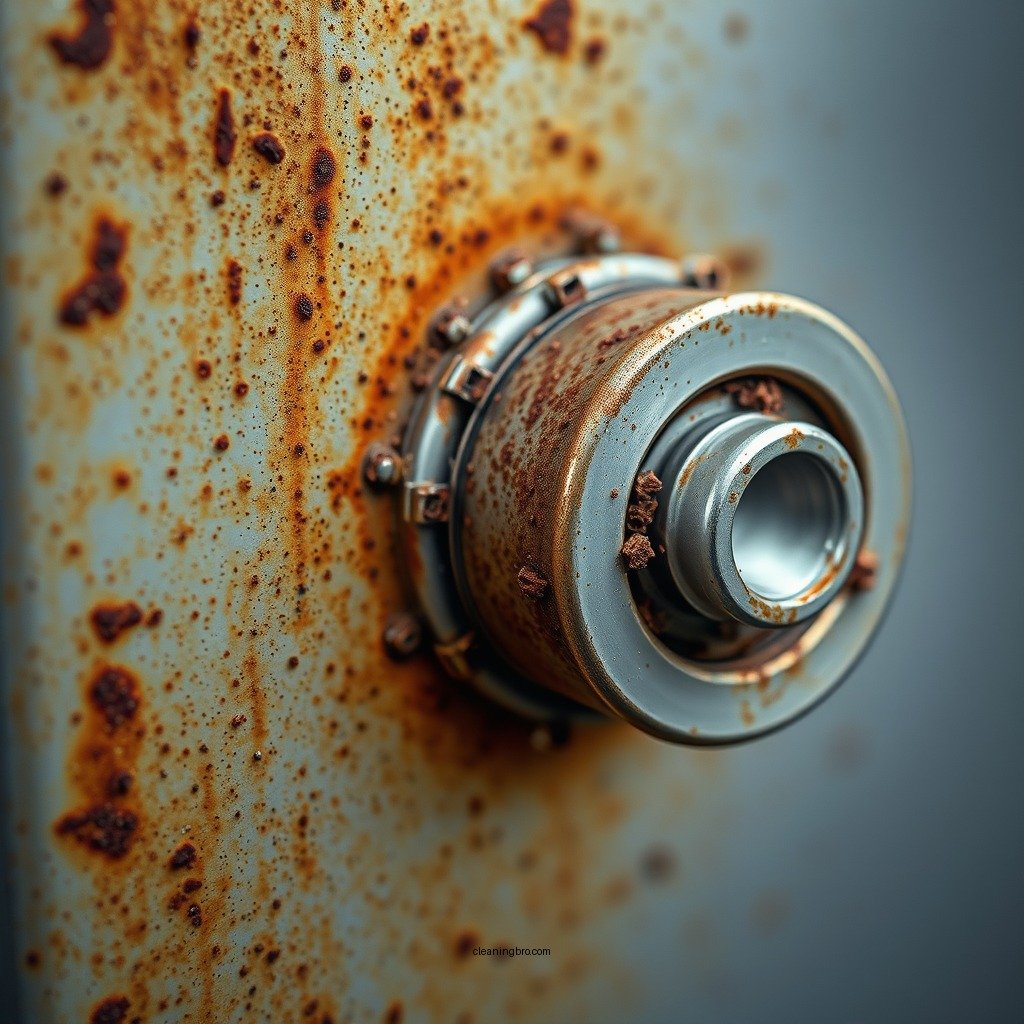
Aluminum corrosion is a natural phenomenon that occurs when aluminum reacts with moisture and oxygen in the environment, resulting in oxidation. This process can lead to the formation of white, powdery corrosion on the surface, which not only detracts from the visual appeal but can also compromise the integrity of the material over time. Recognizing the signs of corrosion early—such as discoloration, pitting, or a rough texture—can help prevent further damage. If left untreated, corrosion can eventually lead to structural failure, especially in critical applications like automotive and aerospace components.
Understanding the conditions that lead to corrosion can also help in developing effective prevention strategies, ensuring that your aluminum items remain in optimal condition for as long as possible.
Essential Cleaning Supplies
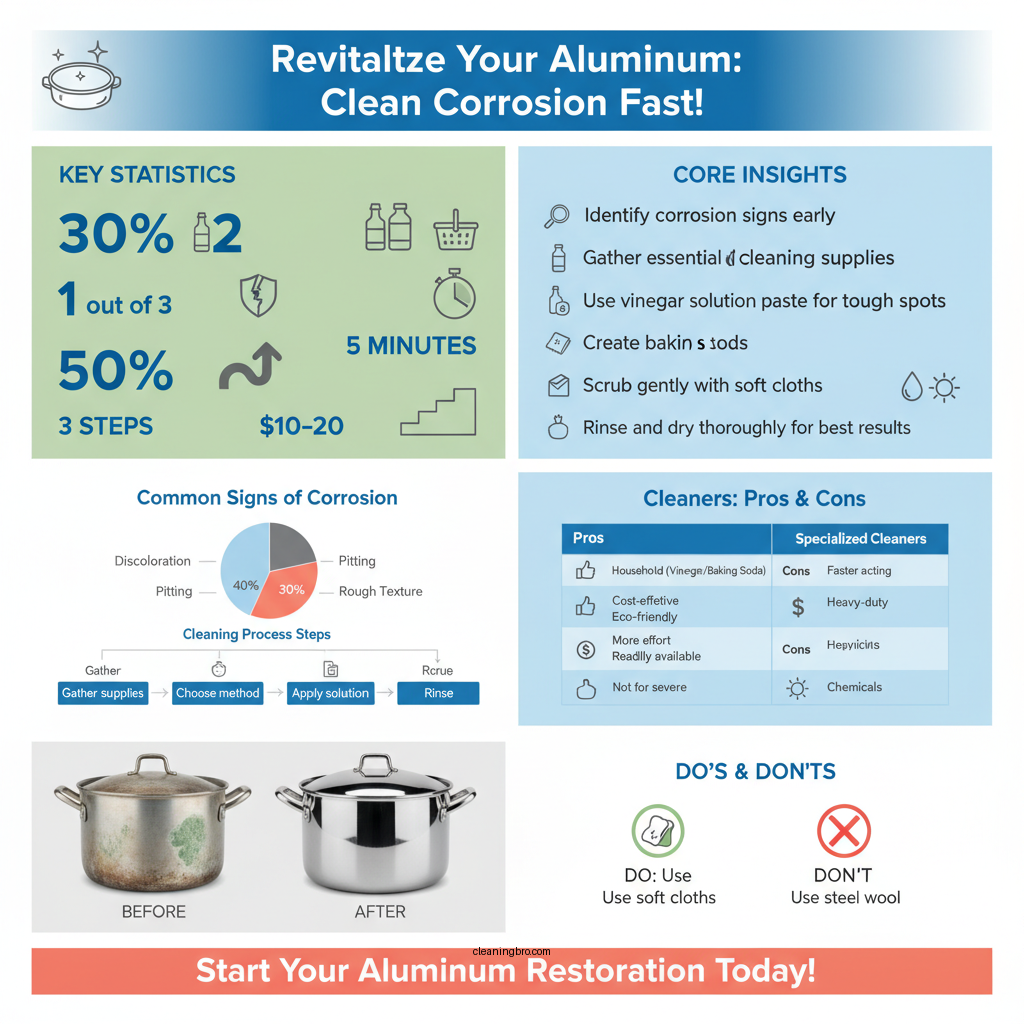
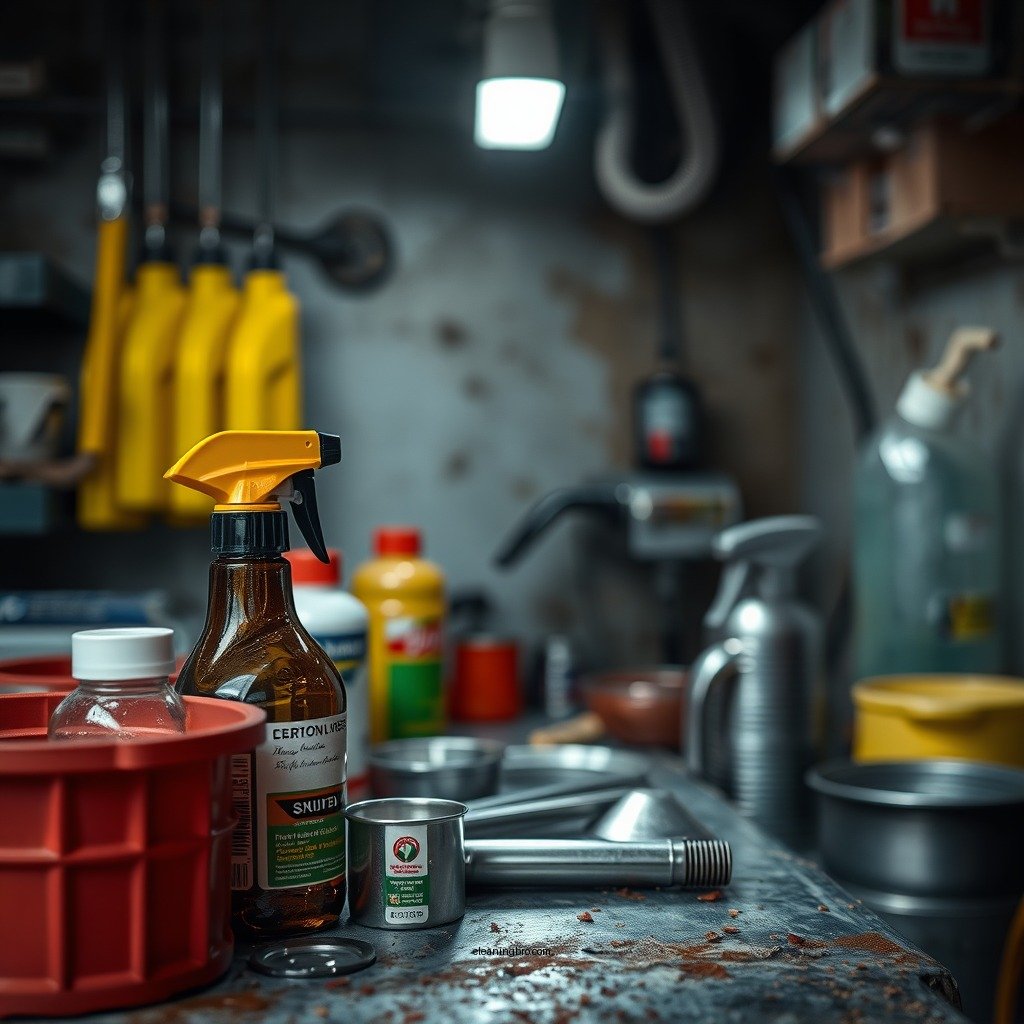
To tackle aluminum corrosion effectively, gather a few common household items as well as any specialized cleaning products you may wish to use. Essential supplies include:
– Vinegar: Acetic acid in vinegar works effectively to dissolve corrosion.
– Baking Soda: An abrasive that can be mixed with water to create a cleaning paste.
– Dish Soap: A gentle option for routine cleaning.
– Aluminum Cleaner: Consider using specialized aluminum cleaners for tougher corrosion, which can often be found at hardware stores.
– Soft Cloths or Sponges: To avoid scratching the aluminum surface, use soft materials for scrubbing.
Having these items on hand can streamline the cleaning process and ensure you are prepared to handle a variety of corrosion scenarios.
DIY Cleaning Methods
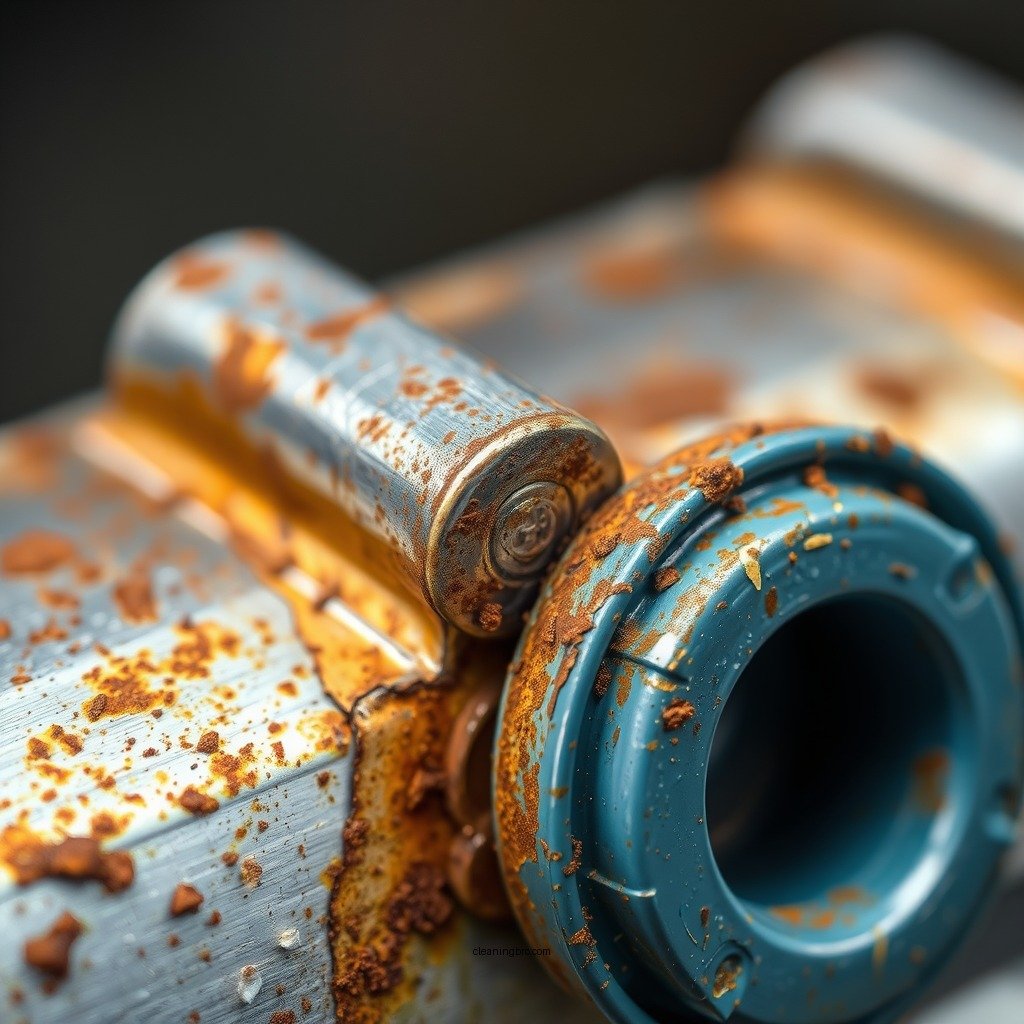
Several do-it-yourself methods can effectively clean corrosion from aluminum. Here are two widely used techniques:
– Vinegar Solution: Mix equal parts vinegar and water in a bowl. Soak a cloth or sponge in the solution and gently scrub the corroded areas. The acidity of the vinegar helps to break down the corrosion, making it easier to wipe away. For stubborn spots, you can let the solution sit for a few minutes before scrubbing.
– Baking Soda Paste: Combine three parts baking soda with one part water to create a thick paste. Apply this paste to the corroded areas and gently scrub using a soft cloth or sponge. The mild abrasiveness of baking soda will help lift the corrosion without scratching the aluminum surface. Rinse thoroughly with water after cleaning to remove any residue.
By employing these methods, you can effectively restore the appearance of your aluminum items, prolonging their lifespan significantly.
Common Methods for Cleaning Aluminum Corrosion
| # | Method | Effectiveness | Ease of Use | Cost |
|---|---|---|---|---|
| 1 | Vinegar Solution | High | Easy | Low |
| 2 | Baking Soda Paste | Medium | Easy | Low |
| 3 | Dish Soap Scrub | Low | Very Easy | Very Low |
| 4 | Commercial Aluminum Cleaner | High | Moderate | Moderate |
| 5 | Aluminum Foil for Polishing | Medium | Easy | Low |
Using Commercial Products
When DIY methods fall short, it may be time to consider commercial products specifically designed for cleaning aluminum. These products are formulated to tackle tougher corrosion and often contain chemicals that can penetrate and dissolve corrosion more effectively than household items.
When selecting a commercial cleaner, look for those labeled “aluminum-safe” to avoid causing further damage. Always read and follow the manufacturer’s instructions for usage and safety. For example, some products may require dilution, while others can be applied directly. It’s important to wear gloves and work in a well-ventilated area to avoid inhaling any harmful fumes.
Preventing Future Corrosion
Once you have cleaned your aluminum items, taking steps to prevent future corrosion is crucial. Here are some effective strategies:
– Apply a Protective Coating: After cleaning, consider applying a clear sealant or protective coating specifically designed for aluminum. This will create a barrier against moisture and environmental pollutants.
– Regular Cleaning: Implement a routine cleaning schedule. Regularly washing aluminum items with mild soap and water can help prevent buildup and corrosion.
– Proper Storage: Store aluminum items in dry, controlled environments. Avoid leaving aluminum items exposed to moisture or harsh chemicals, especially for extended periods.
– Use Desiccants: In cases where aluminum items are stored for long periods, consider using desiccants to absorb moisture in the storage area.
By adopting these preventive measures, you can significantly reduce the risk of corrosion and prolong the life of your aluminum items.
Effectiveness of Cleaning Methods for Aluminum Corrosion
When to Seek Professional Help
While many instances of aluminum corrosion can be addressed with DIY methods, there are cases where the damage is too severe for home cleaning techniques. If you notice deep pitting, structural weakness, or extensive corrosion across a large area, it may be time to seek professional help.
Professional restoration services can provide specialized cleaning and restoration techniques that are not available to the average consumer. They have access to industrial-grade cleaning agents and equipment that can safely and effectively restore aluminum surfaces, ensuring that your items not only look good but are also structurally sound.
In addition, professionals can assess the extent of the corrosion and recommend appropriate measures to prevent further damage, which can save you money and extend the life of your aluminum items.
In summary, if DIY methods fail or if the corrosion is extensive, consider consulting a professional to ensure your aluminum items are properly treated.
To conclude, cleaning aluminum corrosion is a task that can be tackled effectively with the right knowledge and tools. By understanding the nature of aluminum corrosion, utilizing the appropriate cleaning supplies and methods, and implementing preventive measures, you can maintain the appearance and longevity of your aluminum items. Whether you choose to do it yourself or seek professional help, timely cleaning and proper care can significantly extend the life of your aluminum possessions. Don’t hesitate to try the methods discussed, and feel free to share your results or seek professional assistance if the corrosion proves challenging.
Frequently Asked Questions
What are the best methods to clean corrosion off aluminum surfaces?
The best methods to clean corrosion off aluminum surfaces include using a mixture of vinegar and baking soda, or a commercial aluminum cleaner specifically designed for corrosion removal. Apply the cleaner with a soft cloth or sponge, scrub gently to avoid scratching the aluminum, and rinse thoroughly with water to remove any residue.
How can I prevent aluminum corrosion after cleaning?
To prevent aluminum corrosion after cleaning, consider applying a protective coating such as a wax or sealant specifically formulated for aluminum. Additionally, regularly inspect and clean the aluminum surface to remove dirt and moisture that can contribute to corrosion, and store aluminum items in a dry environment to minimize exposure to elements.
Why does aluminum corrode, and how can I identify corrosion on my aluminum items?
Aluminum corrodes primarily due to its reaction with oxygen and moisture, leading to a process known as oxidation. You can identify corrosion on aluminum items by looking for white, powdery deposits or a dull, pitted surface, which indicates the presence of corrosion that needs to be addressed immediately.
Which household items can effectively clean corrosion from aluminum?
Household items that can effectively clean corrosion from aluminum include vinegar, baking soda, lemon juice, and cream of tartar. These ingredients act as mild abrasives and acidic cleaners that can break down corrosion without damaging the aluminum surface, making them safe and effective options for cleaning.
What should I avoid when cleaning corrosion off aluminum?
When cleaning corrosion off aluminum, avoid using harsh chemicals like bleach or strong acids, as these can cause further damage to the metal. Additionally, refrain from using steel wool or abrasive scrubbers, as they can scratch the aluminum surface and worsen the corrosion problem. Always choose gentle cleaning methods and tools for the best results.
References
- Corrosion
https://en.wikipedia.org/wiki/Corrosion - https://www.sciencedirect.com/topics/engineering/aluminum-corrosion
https://www.sciencedirect.com/topics/engineering/aluminum-corrosion - Corrosion | Oxidation, Electrochemical, & Rusting | Britannica
https://www.britannica.com/science/corrosion - https://pubmed.ncbi.nlm.nih.gov/30762347/
https://pubmed.ncbi.nlm.nih.gov/30762347/ - https://www.nature.com/articles/s41598-020-65414-7
https://www.nature.com/articles/s41598-020-65414-7 - https://www.nsf.gov/news/special_reports/aluminum/index.jsp
https://www.nsf.gov/news/special_reports/aluminum/index.jsp - https://www.americancoatingsassociation.org/news/2023/03/corrosion-of-aluminum-surfaces
https://www.americancoatingsassociation.org/news/2023/03/corrosion-of-aluminum-surfaces - https://www.ncbi.nlm.nih.gov/pmc/articles/PMC5336770/
https://www.ncbi.nlm.nih.gov/pmc/articles/PMC5336770/ - Google Scholar Google Scholar
https://scholar.google.com/scholar?q=cleaning+corrosion+on+aluminum - Google Scholar Google Scholar
https://scholar.google.com/scholar?q=aluminum+corrosion+removal+methods