How to Clean Cowhide: A Step-by-Step Guide
Cleaning cowhide is straightforward and can be done effectively at home. To maintain its beauty and durability, you need to use the right techniques and products. In this guide, you will learn how to properly clean and care for your cowhide to ensure it lasts for years.
Understanding Cowhide and Its Care
Cowhide is a natural material that requires specific cleaning methods to prevent damage. Unlike synthetic materials, cowhide can be sensitive to moisture and harsh chemicals, which can lead to discoloration or deterioration of the fibers. The unique texture and pattern of cowhide make it a popular choice for carpets, rugs, and upholstery, but these qualities also mean that regular maintenance is crucial. Regular maintenance, such as vacuuming, helps keep the hide free from dust and debris, preserving its appearance and extending its lifespan.
Essential Tools for Cleaning Cowhide
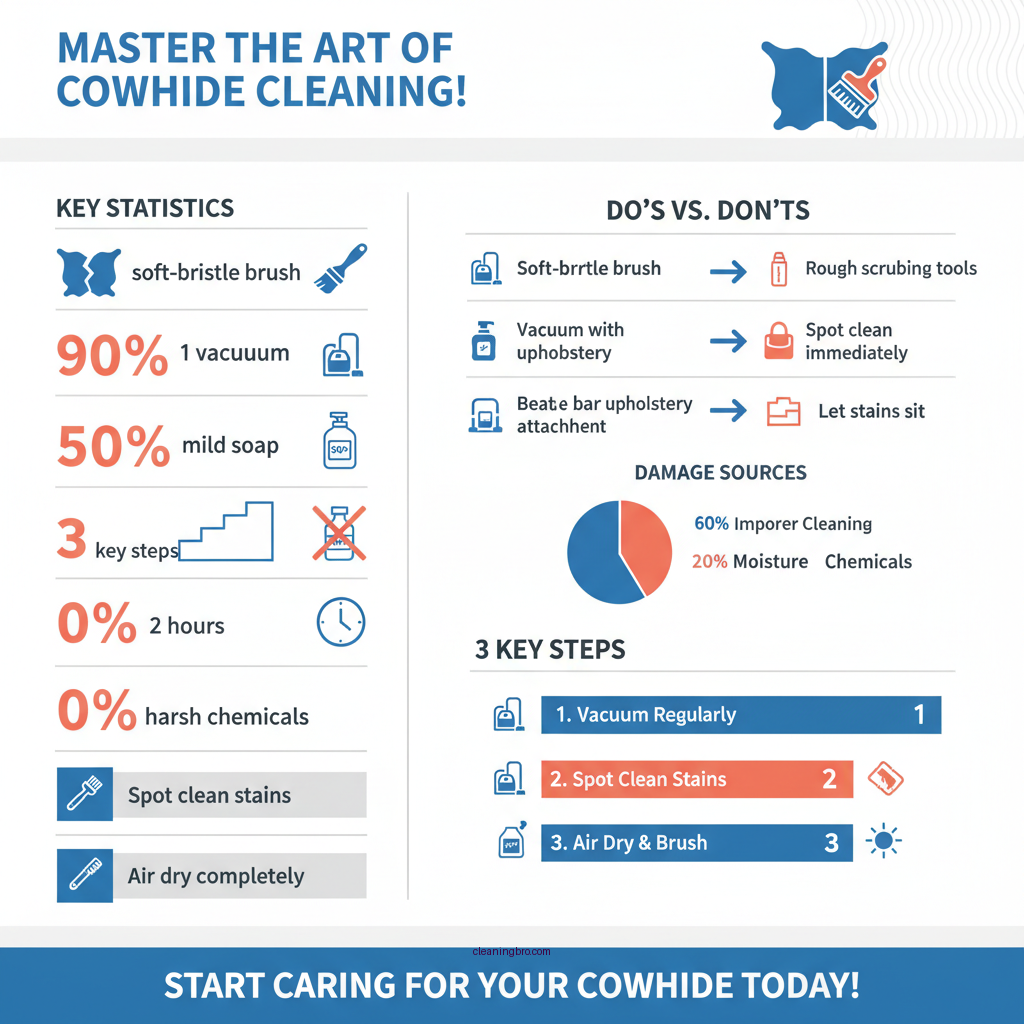
To clean cowhide effectively, you will need a few essential tools:
– Soft-bristle brush: This is essential for removing dirt and debris without scratching the surface of the cowhide. A brush with natural bristles is preferable as it is gentler on the fibers.
– Vacuum cleaner with an upholstery attachment: This is ideal for regular upkeep, allowing you to easily remove loose dirt, pet hair, and dust. Ensure that the vacuum does not have a beater bar, as this can damage the hide.
– Mild soap or specialized leather cleaner: For spot cleaning and stain removal, using a pH-balanced soap or a cleaner specifically designed for leather is crucial to avoid damaging the material.
– Damp cloth: A clean, soft cloth is important for applying water or cleaning solutions during the cleaning process.
Step-by-Step Cleaning Process
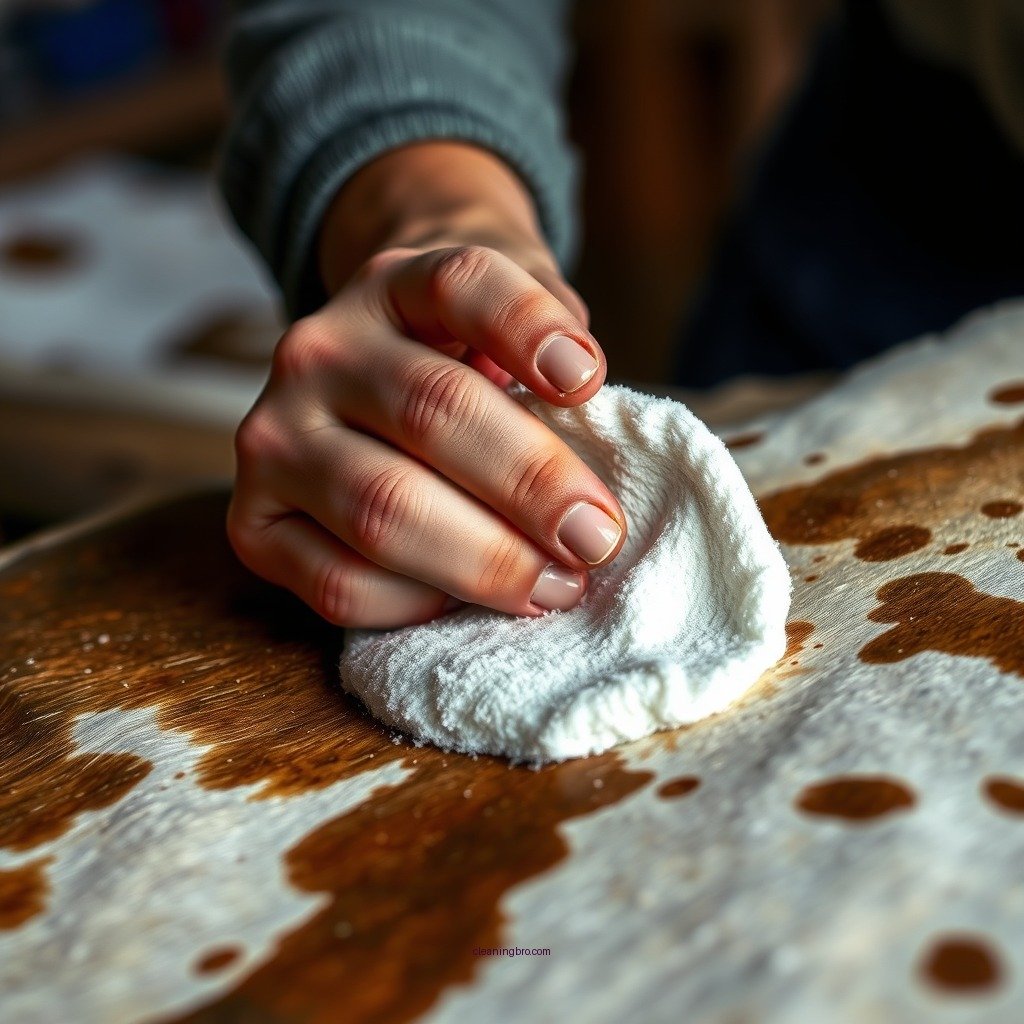
Cleaning cowhide can be broken down into a simple, effective process:
1. Vacuum the cowhide: Begin by vacuuming the surface of the cowhide to eliminate loose dirt, hair, and dust. Use the upholstery attachment to gently go over the cowhide, ensuring to follow the direction of the fibers to avoid any potential damage.
2. Spot clean stains: If you notice any stains, act immediately. Use a damp cloth with a small amount of mild soap to gently blot the stain. Avoid rubbing as this can push the stain deeper into the fibers. Instead, work from the outside of the stain inward to prevent spreading.
3. Dry the area: After spot cleaning, use a dry cloth to absorb any excess moisture. Allow the cowhide to air dry completely, avoiding direct sunlight and heat sources, which can warp the material.
4. Brush the hide: Once dry, use the soft-bristle brush to fluff the fibers back into place, enhancing the appearance of the cowhide.
Dealing with Stains and Spills
Accidents happen, and knowing how to respond to spills and stains is vital for maintaining the integrity of your cowhide.
– For liquid spills, immediately blot the area with a clean paper towel or cloth, taking care not to rub. The goal is to absorb as much liquid as possible without pushing it into the fibers.
– For stubborn stains, consider using a specialized leather cleaner. Always follow the manufacturer’s instructions and test the cleaner on a small, inconspicuous area of the cowhide first to ensure it won’t cause discoloration.
– For oil-based stains, sprinkle a small amount of cornstarch or talcum powder on the area to absorb the oil. Leave it for a few hours before brushing it off with a soft-bristle brush.
Drying and Maintenance Tips
Proper drying and maintenance are crucial for the longevity of your cowhide.
– Air drying: Always allow cowhide to air dry naturally after cleaning. Do not place it in direct sunlight or near heat sources, as this can lead to fading and cracking.
– Conditioning: To maintain its softness and sheen, apply a leather conditioner every six months. This not only keeps the hide supple but also helps prevent drying and cracking over time.
– Regular vacuuming: Incorporate a regular vacuuming schedule into your maintenance routine to keep the cowhide looking fresh. Aim for at least once a week, or more frequently if you have pets or high foot traffic.
When to Seek Professional Help
While regular cleaning can be done at home, certain situations may require professional intervention.
– Deep stains or heavy soiling: If you encounter deep stains that you cannot remove or if the cowhide appears heavily soiled, it is best to consult a professional cleaner who specializes in leather and cowhide.
– Damage repair: If the cowhide is damaged, such as tears or significant wear, consult a leather specialist for repairs. Attempting to fix these issues yourself can lead to further damage.
Maintaining your cowhide requires regular care but is manageable with the right approach. By following the steps outlined above, you can keep your cowhide looking its best for years to come. Don’t hesitate to reach out for professional assistance if needed, and enjoy the unique beauty of your cowhide piece!
Top 5 Cowhide Cleaning Products (2024)
| # | Product | Type | Best For | Rating |
|---|---|---|---|---|
| 1 | Leather Honey | Conditioner | Dry Cowhide | ★★★★★ |
| 2 | Bick 4 Leather Conditioner | Conditioner | General Use | ★★★★☆ |
| 3 | Fiebing’s Saddle Soap | Cleaner | Stains | ★★★★☆ |
| 4 | Weiman Leather Cleaner | Cleaner | General Use | ★★★★★ |
| 5 | Lexol Leather Cleaner | Cleaner | Deep Cleaning | ★★★★☆ |
Cowhide Cleaning Frequency Recommendations
Leather Conditioner vs Cleaner vs Protector: Full Comparison
| Feature | ⭐ Conditioner | Cleaner | Protector |
|---|---|---|---|
| Purpose | Moisturizing | Cleaning | Protecting |
| Application Frequency | Every 6 months | As needed | Every year |
| Water Resistance | ✅ | ❌ | ✅ |
| Stain Removal | No | ✅ | No |
| Prevention of Cracking | ✅ | ❌ | ✅ |
| Ease of Use | ✅ | ✅ | ❌ |
| Odor Removal | No | ✅ | No |
| Best for | Conditioning | Cleaning | Protection |
| 🏆 Best For | Maintaining softness | Stain removal | Long-lasting protection |
By following the guidelines detailed in this article, you can effectively clean and maintain your cowhide items, ensuring they continue to beautify your space for years to come. Remember, consistent care and prompt attention to spills or stains will make all the difference in preserving the unique qualities of your cowhide.
Frequently Asked Questions
How do I properly clean a cowhide rug at home?
To clean a cowhide rug at home, start by shaking it outdoors to remove loose dirt and debris. Use a soft brush or a vacuum with a brush attachment to gently clean the surface. For stains, spot clean with a damp cloth and mild soap, avoiding soaking the hide. Allow the rug to air dry completely away from direct sunlight.
What products are best for cleaning cowhide?
The best products for cleaning cowhide include a mild dish soap mixed with water for spot cleaning and a specialized leather cleaner for deeper cleans. Avoid harsh chemicals and solvents, as they can damage the natural fibers. Additionally, a soft brush or microfiber cloth is recommended for regular maintenance.
Why is it important to avoid water when cleaning cowhide?
It is important to avoid excessive water when cleaning cowhide because too much moisture can lead to stiffness, warping, or damage to the hide. Cowhide is naturally resistant to water, but excessive exposure can compromise its integrity. Always use a damp cloth rather than soaking the hide to preserve its quality.
What should I do if my cowhide rug has a strong odor?
If your cowhide rug has a strong odor, sprinkle baking soda evenly across the surface and let it sit for several hours or overnight to absorb the smell. Afterward, vacuum the baking soda thoroughly. If the odor persists, consider placing the rug outdoors in a shaded area for fresh air or using a specialized leather deodorizer.
Which cleaning method is best for removing stains from cowhide?
The best cleaning method for removing stains from cowhide is to act quickly by blotting the stain with a clean, dry cloth to absorb excess liquid. For oil or grease stains, sprinkle cornstarch or talcum powder on the area and let it sit for several hours before brushing it off. For other stains, use a damp cloth with a mixture of mild soap and water, ensuring to spot test first.
References
- https://www.britannica.com/animal/cattle
https://www.britannica.com/animal/cattle - https://www.sciencedirect.com/topics/agricultural-and-biological-sciences/cowhide
https://www.sciencedirect.com/topics/agricultural-and-biological-sciences/cowhide - https://www.ncbi.nlm.nih.gov/pmc/articles/PMC5983797/
https://www.ncbi.nlm.nih.gov/pmc/articles/PMC5983797/ - https://www.ncbi.nlm.nih.gov/pmc/articles/PMC6106264/
https://www.ncbi.nlm.nih.gov/pmc/articles/PMC6106264/ - Google Scholar Google Scholar
https://scholar.google.com/scholar?q=how+to+clean+cowhide - Google Scholar Google Scholar
https://scholar.google.com/scholar?q=cowhide+cleaning+methods - https://www.cdc.gov/healthywater/drinking/homewater.html
https://www.cdc.gov/healthywater/drinking/homewater.html - https://www.theguardian.com/lifeandstyle/2022/jul/19/how-to-clean-cowhide-rug-care-guide
https://www.theguardian.com/lifeandstyle/2022/jul/19/how-to-clean-cowhide-rug-care-guide - https://www.nytimes.com/wirecutter/blog/how-to-clean-cowhide-rug/
https://www.nytimes.com/wirecutter/blog/how-to-clean-cowhide-rug/ - how to clean cowhide – Search results
https://en.wikipedia.org/wiki/Special:Search?search=how+to+clean+cowhide