How to Clean Cylinder Head Without Removing Valves
Cleaning a cylinder head without removing the valves is not only possible but can also be effective if done correctly. This process typically involves using specific cleaning agents and techniques that target carbon buildup and grime while ensuring the valves remain untouched. In this article, you will learn the best methods and tips to achieve a clean cylinder head efficiently.
Regular cleaning of the cylinder head is crucial for maintaining engine performance and efficiency. The cylinder head is a vital component of the engine that houses valves, spark plugs, and fuel injectors, making it essential for proper combustion. Carbon buildup in this area can lead to reduced performance, increased emissions, and even engine damage if not addressed. By employing the right cleaning techniques, you can ensure optimal engine function without the need for extensive disassembly.
Understanding the Importance of Cleaning
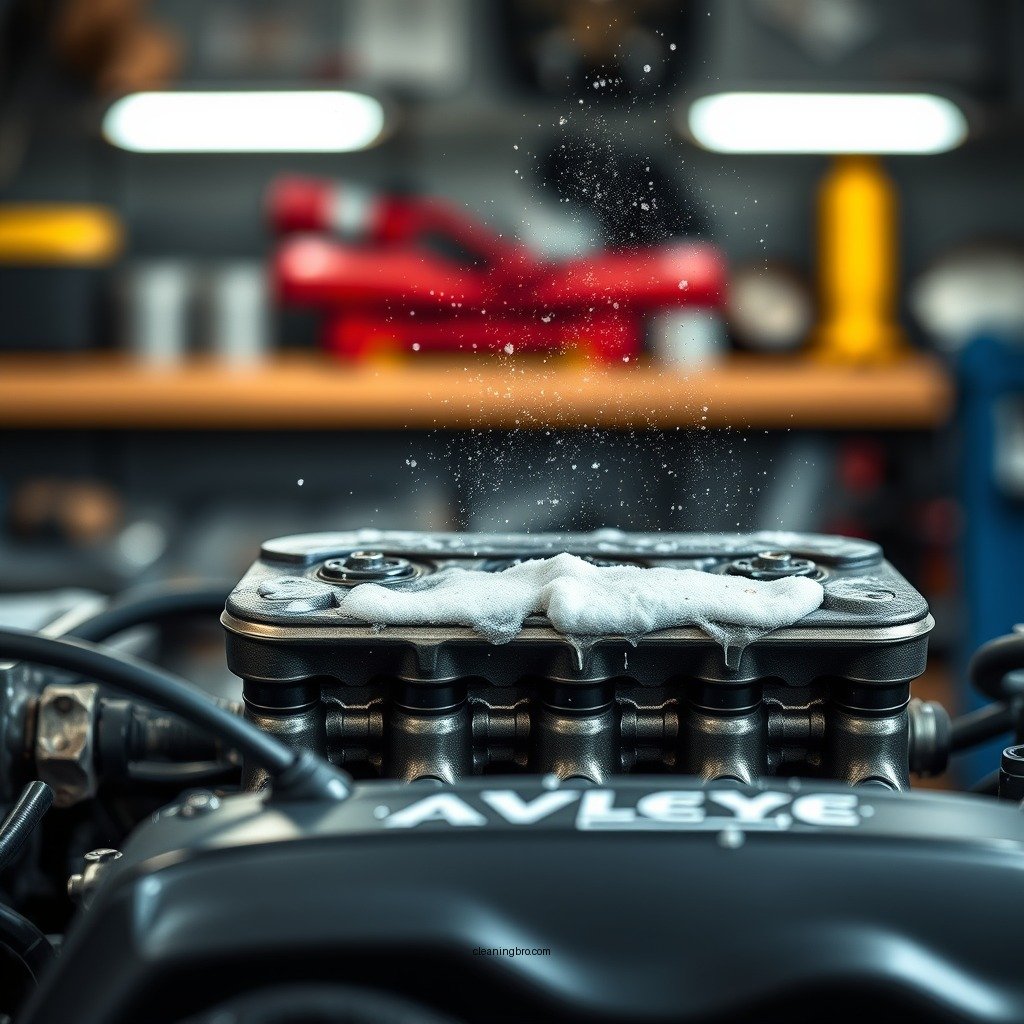
Regular cleaning of the cylinder head can improve engine performance significantly. Over time, carbon deposits accumulate due to the combustion process, which can restrict airflow and decrease overall efficiency. This accumulation can lead to pre-ignition, misfires, and ultimately a decline in engine power and fuel economy.
Moreover, a clean cylinder head helps prevent potential issues caused by carbon buildup. These issues may include valve sticking, which can lead to engine knocking, and increased wear on engine components. A well-maintained cylinder head can enhance the engine’s longevity and ensure smoother operation. Therefore, implementing a regular cleaning routine is not just beneficial—it’s essential for the health of your engine.
Tools and Supplies Needed
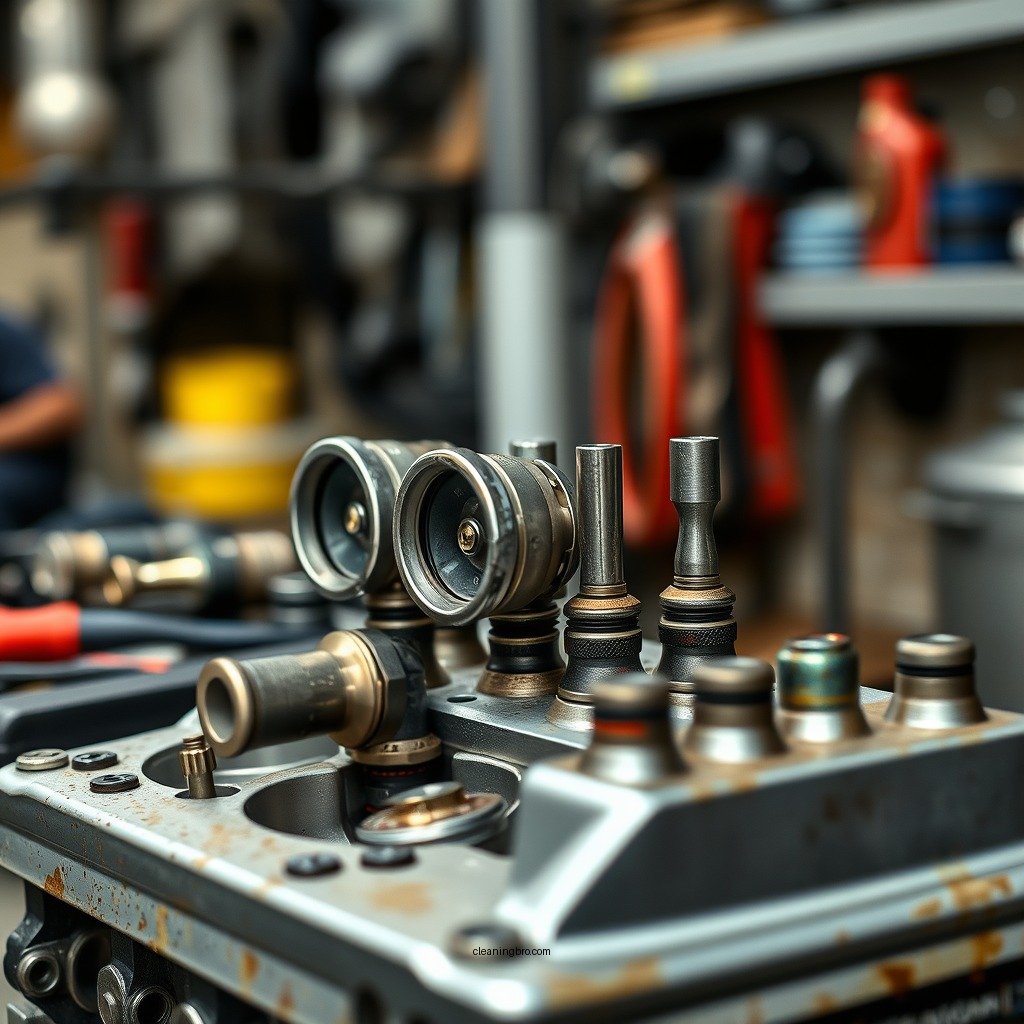
Before starting the cleaning process, gather the necessary tools and supplies. Having the right equipment at your disposal will make the task much easier and more effective:
– Cleaning Agents: Choose appropriate degreasers and solvents that can break down carbon deposits without harming metal surfaces. Products specifically designed for automotive applications are recommended.
– Soft Brushes and Rags: Use soft-bristled brushes to scrub the cylinder head gently, avoiding damage to the valve seats. Rags will help wipe away grime and excess cleaning agents.
– Protective Gear: Always wear gloves and goggles to protect your skin and eyes from harsh chemicals.
Step-by-Step Cleaning Process
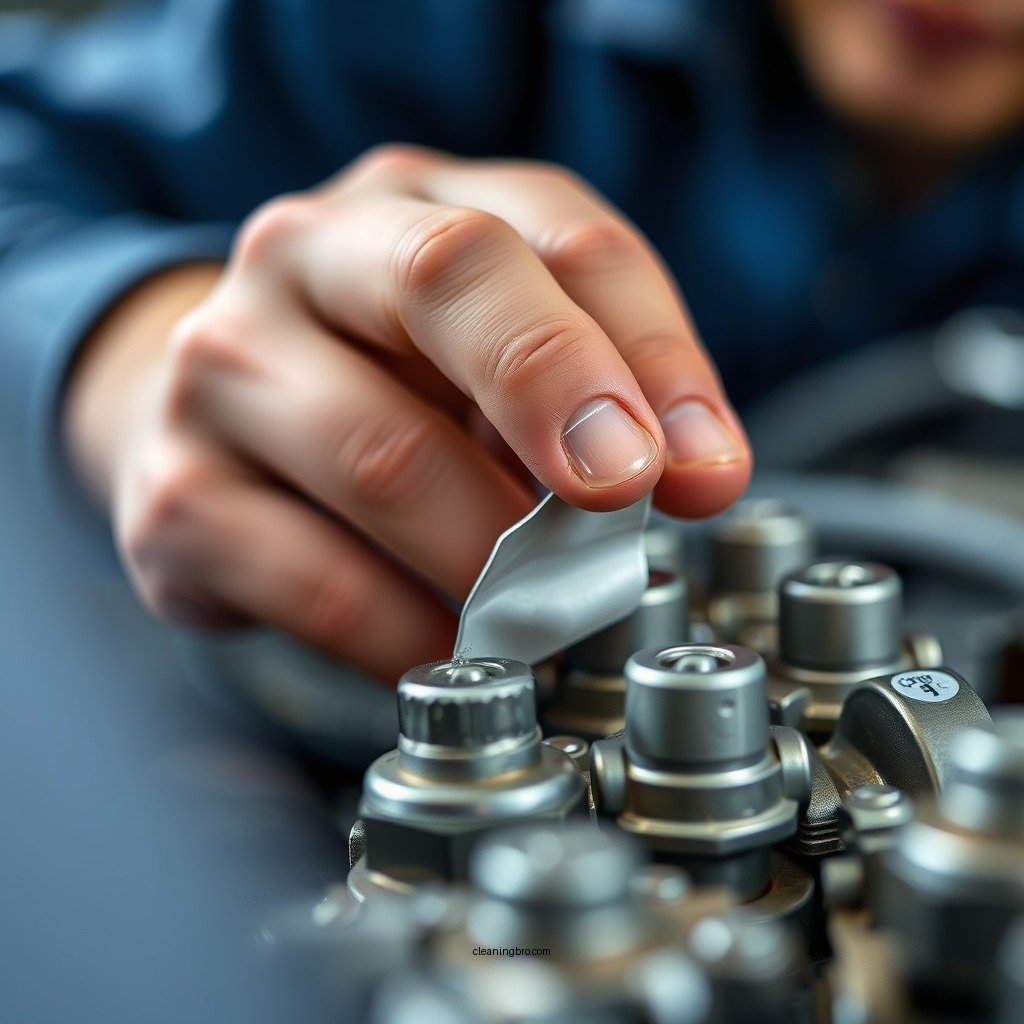
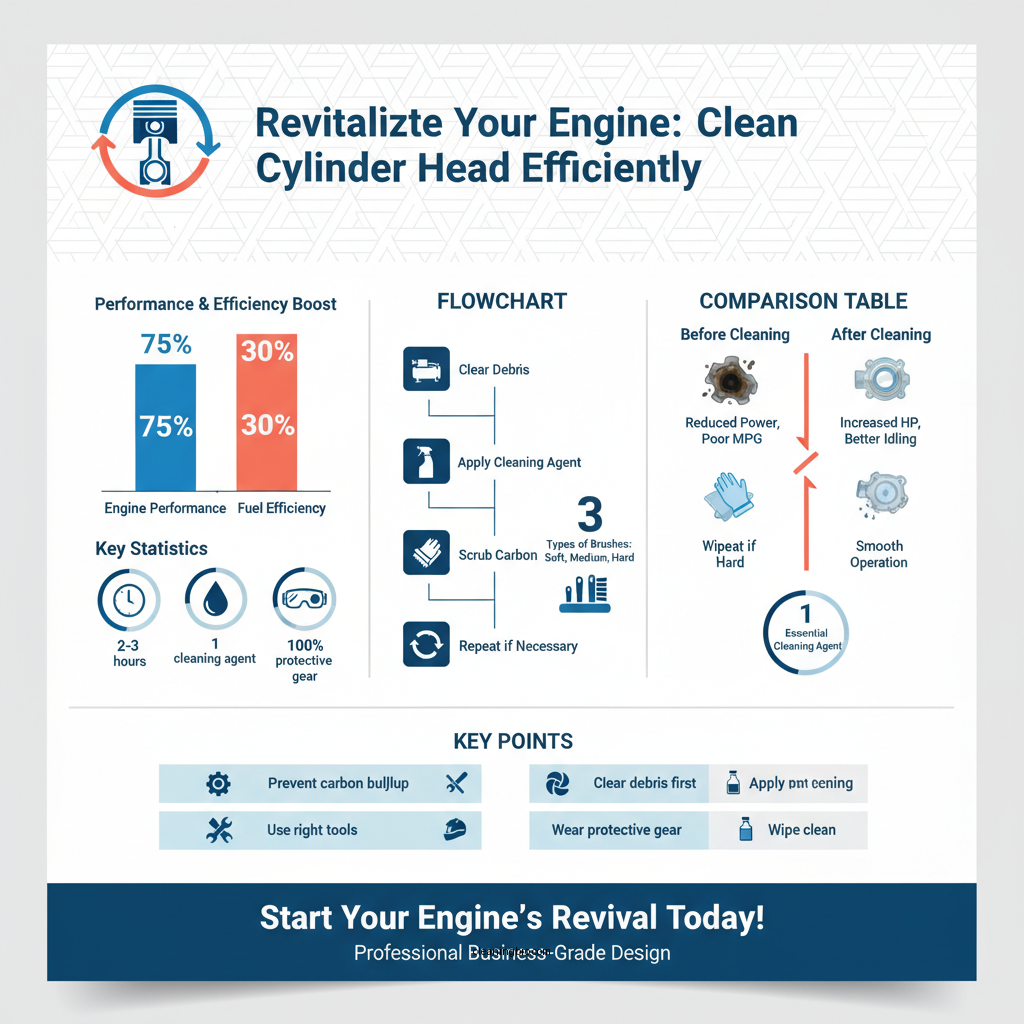
1. Remove Loose Debris: Begin by carefully removing any loose debris around the cylinder head. Use an air compressor or a soft brush to clear away dirt, dust, or any foreign particles that could interfere with the cleaning process.
2. Apply the Cleaning Agent: Once the area is clear, apply your chosen cleaning agent generously around the cylinder head. Allow it to penetrate for a few minutes. This step is crucial as it enables the agent to break down stubborn carbon deposits effectively.
3. Scrub the Area: After allowing the cleaning agent to work, take a soft brush and gently scrub the areas around the valves. Make sure to avoid applying too much pressure, which could damage the valves or their seats.
4. Wipe Clean: Use a clean rag to wipe away the loosened grime and cleaning agent. It may be necessary to repeat the application and scrubbing process for heavily soiled areas.
5. Rinse Thoroughly: Finally, ensure that no cleaning residue is left behind by rinsing the area thoroughly with clean water or a suitable solvent. Allow the cylinder head to dry completely before reassembling any components.
Common Cleaning Agents for Cylinder Heads
| # | Cleaning Agent | Effectiveness | Safety | Application Method |
|---|---|---|---|---|
| 1 | Gunk Engine Degreaser | High | Moderate | Spray |
| 2 | Sea Foam Motor Treatment | Very High | Low | Pour |
| 3 | CRC GDI IVD Intake System Cleaner | High | Moderate | Spray |
| 4 | Berryman B-12 Chemtool | High | Low | Pour |
| 5 | Simple Green All-Purpose Cleaner | Medium | High | Spray |
| 6 | WD-40 Specialist Cleaner | Medium | Moderate | Spray |
| 7 | Purple Power Cleaner | High | Moderate | Pour |
Techniques for Effective Cleaning
To achieve the best results when cleaning a cylinder head, it is essential to use appropriate techniques. Here are some recommended methods:
– Gentle Scrubbing: Use a soft brush with a gentle touch to scrub the areas around the valves. This technique helps dislodge carbon deposits without risking damage to the valves or seats. Avoid using metal brushes or abrasive materials that can scratch the surface.
– Soaking with Cleaning Solution: If carbon buildup is particularly stubborn, consider soaking the area with the cleaning solution for a longer duration. This will allow the chemicals to penetrate deeper and break down deposits more effectively.
– Using Compressed Air: After cleaning, use compressed air to blow away any remaining debris or moisture. This step ensures that no residue is left behind, which could potentially affect engine performance.
– Thorough Rinsing: Rinse the cleaned area thoroughly to eliminate any leftover cleaning agents. Residual chemicals can lead to corrosion or other damage if not properly removed.
Carbon Buildup Levels After Cleaning
Common Mistakes to Avoid
While cleaning a cylinder head, it’s crucial to be aware of common mistakes that can lead to undesirable results:
– Applying Too Much Pressure: One of the most significant errors is using excessive force when scrubbing. This can damage valves or their seats, leading to costly repairs. Always use a gentle hand during cleaning.
– Using Harsh Chemicals: Avoid using abrasive cleaners or those not intended for automotive use, as they can corrode engine components. Stick to products designed for cleaning engine parts to maintain the integrity of your cylinder head.
– Neglecting Rinsing: Failing to rinse off cleaning agents can leave harmful residues that may cause corrosion or other issues. Always ensure that the area is thoroughly rinsed and dried.
– Overlooking Safety Precautions: Not wearing appropriate protective gear can expose you to harmful chemicals. Always prioritize safety by utilizing gloves and goggles throughout the cleaning process.
Maintenance Tips Post-Cleaning
After successfully cleaning the cylinder head, it’s vital to implement maintenance practices to keep it clean and functioning optimally:
– Regular Inspections: Frequently check for signs of buildup or leaks. Catching issues early can help prevent more significant problems down the line.
– Use Fuel Additives: Consider using fuel additives designed to reduce carbon deposits. These can help maintain cleanliness and improve engine performance over time.
– Follow Manufacturer Guidelines: Always adhere to your vehicle manufacturer’s recommendations regarding maintenance and cleaning schedules. This practice ensures that you are keeping your engine in the best possible condition.
Regularly cleaning your cylinder head without removing the valves can significantly contribute to your engine’s longevity and performance. By following the steps outlined in this article and avoiding common pitfalls, you can maintain a clean cylinder head effectively. Start your cleaning process today and enjoy improved engine efficiency!
Frequently Asked Questions
How can I effectively clean a cylinder head without removing the valves?
To clean a cylinder head without removing the valves, start by using a soft wire brush to remove loose debris and carbon buildup. Follow this by applying a degreaser or engine cleaner, allowing it to soak for a few minutes, and then use an air compressor to blow away the residue. For stubborn deposits, a plastic scraper can be used carefully to avoid damaging the valves.
What tools do I need to clean my cylinder head without removing valves?
Essential tools for cleaning a cylinder head without removing the valves include a soft wire brush, a plastic scraper, a degreaser or engine cleaner, a microfiber cloth, and an air compressor. Additionally, rubber gloves and safety goggles are recommended for protection while working with cleaning chemicals.
Why is it important to clean a cylinder head without removing valves?
Cleaning a cylinder head without removing the valves is important because it saves time and avoids the risk of damaging delicate components during disassembly. Regular cleaning helps maintain engine efficiency by removing carbon deposits, which can lead to better combustion and improved performance. It also extends the lifespan of the cylinder head by preventing corrosion and buildup.
What are the best cleaning products for cylinder heads that don’t require valve removal?
The best cleaning products for cylinder heads include specialized engine degreasers, carburetor cleaners, and solvent-based products designed for automotive use. Look for biodegradable options that are effective on carbon deposits but gentle enough to not damage metal surfaces. Brands like CRC and Gunk offer reliable products that can help achieve optimal results without valve removal.
Which methods should I avoid when cleaning a cylinder head with valves in place?
When cleaning a cylinder head with valves in place, avoid using harsh abrasives or metal brushes that can scratch or damage the sealing surfaces. Additionally, refrain from using excessive water or soaking the head, as this can lead to moisture entering the engine. Finally, do not apply excessive force when scraping, as it can dislodge or damage the valves and seals.
References
- https://en.wikipedia.org/wiki/Engine_rebuilding
https://en.wikipedia.org/wiki/Engine_rebuilding - https://pubmed.ncbi.nlm.nih.gov/25058854/
https://pubmed.ncbi.nlm.nih.gov/25058854/ - https://www.sciencedirect.com/topics/engineering/cylinder-head
https://www.sciencedirect.com/topics/engineering/cylinder-head - https://www.britannica.com/technology/cylinder-head
https://www.britannica.com/technology/cylinder-head - https://www.nature.com/articles/s41598-019-45559-0
https://www.nature.com/articles/s41598-019-45559-0 - Google Scholar Google Scholar
https://scholar.google.com/scholar?q=how+to+clean+cylinder+head+without+removing+valves - Google Scholar Google Scholar
https://scholar.google.com/scholar?q=cylinder+head+cleaning+methods - Google Scholar Google Scholar
https://scholar.google.com/scholar?q=engine+maintenance+cleaning+cylinder+head - https://www.enginebuildermag.com/2020/03/cleaning-cylinders-without-removing-valves/
https://www.enginebuildermag.com/2020/03/cleaning-cylinders-without-removing-valves/ - how to clean cylinder head without removing valves – Search results
https://en.wikipedia.org/wiki/Special:Search?search=how+to+clean+cylinder+head+without+removing+valves