How to Clean Deer Meat: A Step-by-Step Guide
Cleaning deer meat requires specific techniques to ensure the meat is safe, clean, and ready for cooking or storage. This guide provides you with effective methods for field dressing and processing deer meat, along with essential tips to maintain its quality and flavor.
When you harvest a deer, the way you handle the meat after the kill is crucial for preserving its quality and ensuring food safety. Following the correct methods for cleaning and butchering deer can make a significant difference in taste and texture when it comes time to prepare your meal. This comprehensive guide walks you through the entire cleaning process, from preparation to storage, ensuring you’re well-equipped to handle your harvest.
Preparing for the Process
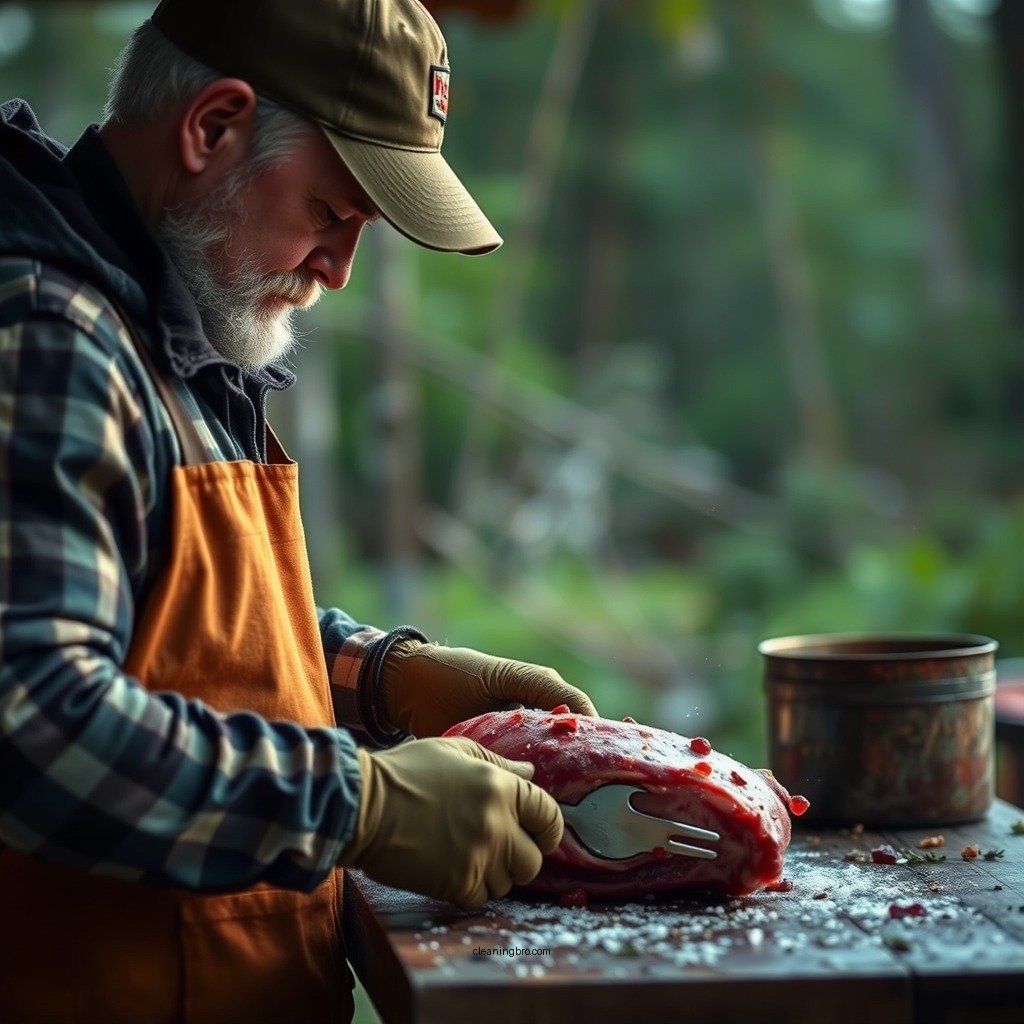
Before you begin the cleaning process, it is essential to gather all necessary tools, which will facilitate a smooth and efficient operation. You should have:
– Sharp Knife: A quality, sharp knife is crucial for making clean cuts.
– Gloves: Wearing gloves will help maintain hygiene and prevent contamination.
– Game Bag: This is used to transport your meat without exposing it to dirt or pests.
– Clean Workspace: Choose a flat, clean surface outdoors or in a designated area within your garage or kitchen where you can work on the deer without interruptions.
Additionally, ensure that you possess the proper permits for hunting and understand your local regulations regarding the handling of game meat. This knowledge not only protects you legally but also promotes ethical hunting practices.
Field Dressing the Deer
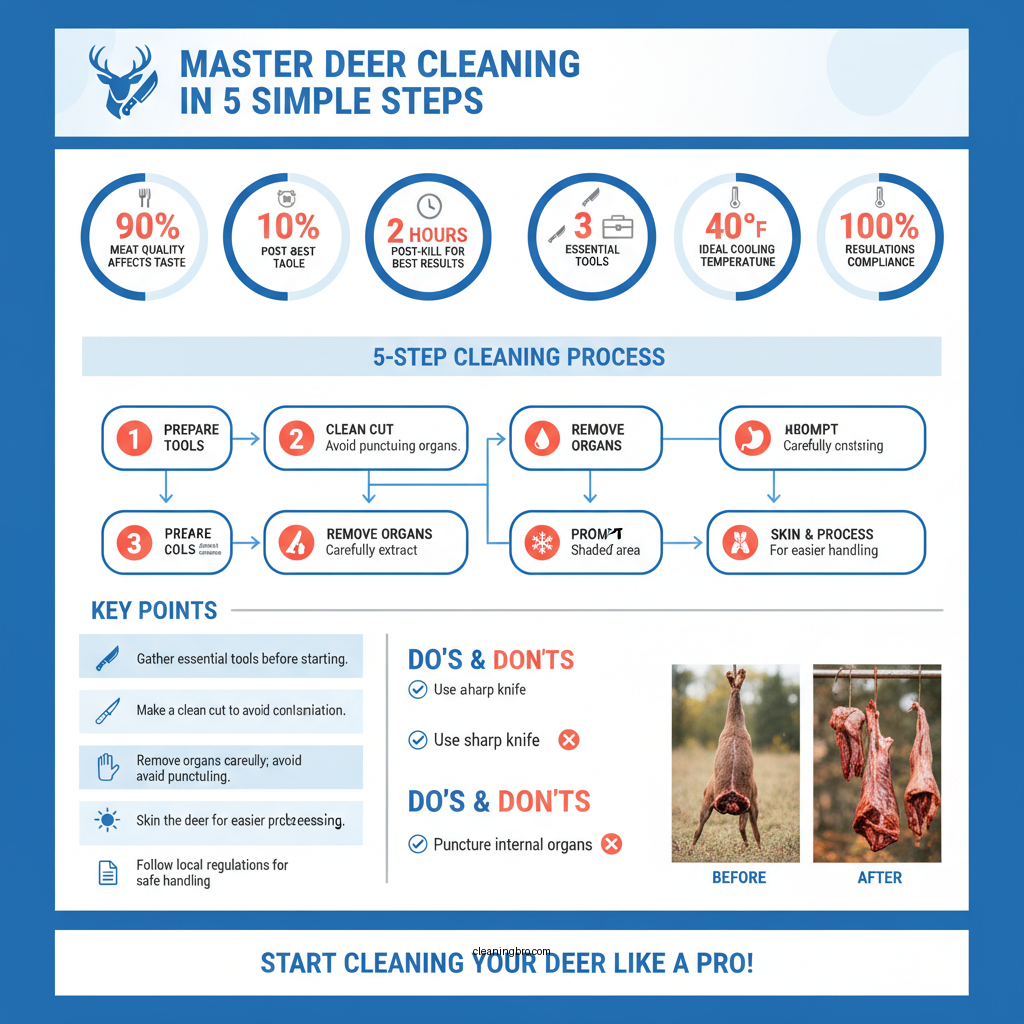
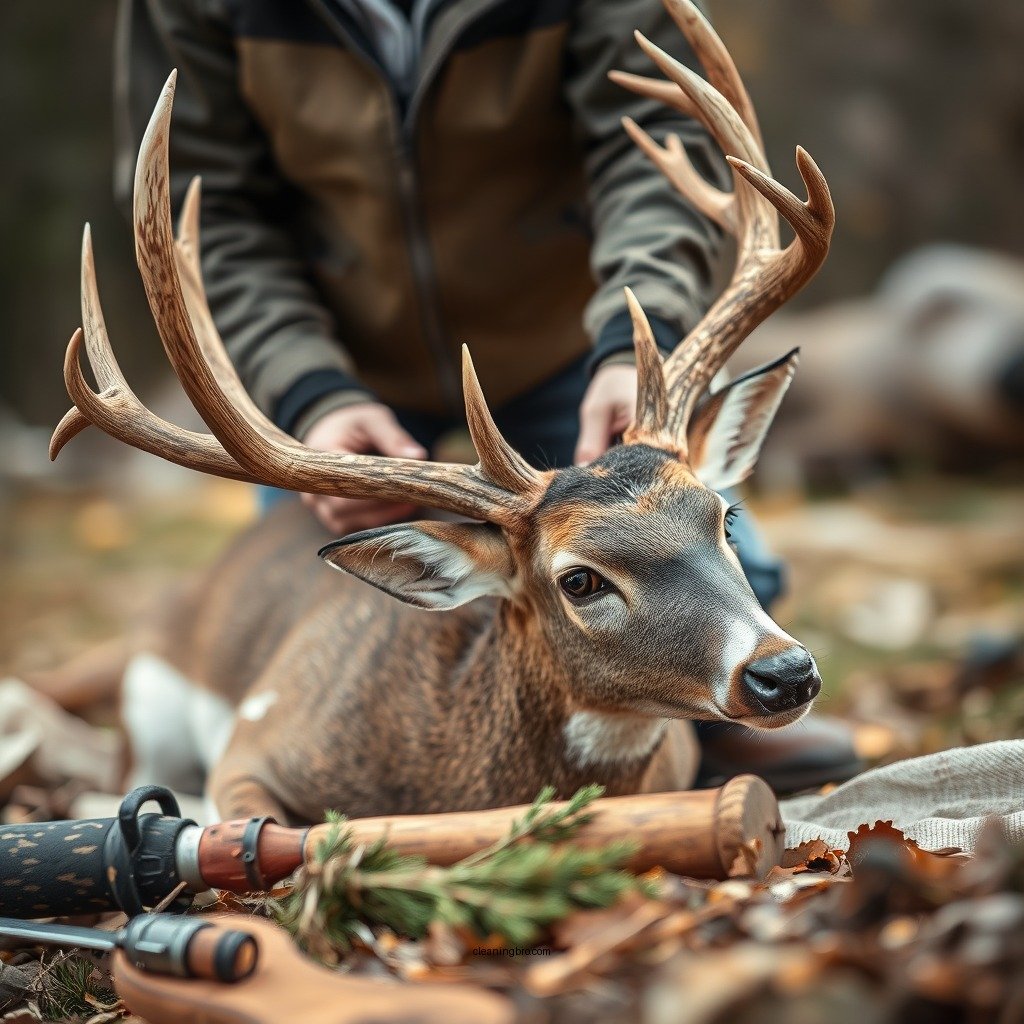
Field dressing is the initial step in cleaning deer meat, and it should be performed as soon as possible after the kill to prevent spoilage.
1. Make a Clean Cut: Begin by making a shallow incision around the abdomen. Be cautious to avoid puncturing the intestines or bladder, as this can contaminate the meat with gut contents. A clean cut will help you avoid this issue.
2. Remove Internal Organs: Carefully remove the internal organs, starting with the stomach and intestines, and then moving on to the liver and heart. Use your knife to separate the organs from the body cavity without cutting into them. Pay special attention to the bladder; if punctured, it can ruin the quality of the meat.
3. Cool the Body: Once field dressed, hang the deer in a cool, shaded area to allow it to cool down. This step is crucial for preserving the meat quality.
Skinning the Deer
After field dressing, the next step is skinning the deer. This requires precision and patience to ensure you do not damage the meat underneath.
1. Start at the Hind Legs: Make your initial cuts around the hind legs, freeing the skin from the body.
2. Cut Along the Back: Use your knife to make a cut from the hind legs up along the spine.
3. Separate the Skin: Carefully work your knife between the skin and the meat, pulling the skin away as you cut. Go slowly to avoid cutting into the meat itself.
4. Finish the Process: Continue to peel the skin down to the front legs and around the head until the entire hide is removed.
This method ensures that the meat remains intact and free from hair and contaminants.
Butchering Techniques
Once the deer is skinned, it’s time to butcher the meat into various cuts. Understanding the anatomy of the deer will help you maximize your yield.
1. Identify Cuts of Meat: Common cuts include steaks (from the back), roasts (from the shoulders and hindquarters), and ground meat (trimmings and smaller cuts).
2. Follow the Natural Seams: Use a sharp knife to cut along the natural seams in the muscle. This will make it easier to separate the different cuts without damaging the fibers.
3. Uniform Cuts: Aim for uniformity in your cuts; this helps ensure even cooking and presents well when served.
4. Labeling: As you finish each cut, label them, especially if you are freezing them. This will help you keep track of what you have and how long it has been stored.
Top 7 Cuts of Deer Meat and Their Uses
| # | Cut of Meat | Best Cooking Method | Flavor Profile |
|---|---|---|---|
| 1 | Backstrap | Grilling | Tender, mild |
| 2 | Tenderloin | Sautéing | Very tender |
| 3 | Shoulder | Roasting | Rich, hearty |
| 4 | Legs | Stewing | Savory |
| 5 | Ribs | Braised | Flavorful |
| 6 | Brisket | Slow Cooking | Rich |
| 7 | Neck | Making Stock | Savory |
Cleaning and Storing the Meat
After butchering, cleaning the meat is essential for ensuring its safety and longevity in storage.
1. Rinse the Meat: Rinse the cuts of meat under cold running water to remove any blood and debris. This helps to maintain freshness.
2. Pat Dry: Use paper towels to pat the meat dry. This will help prevent freezer burn if you choose to freeze it.
3. Wrap for Storage: Wrap the meat tightly in butcher paper or vacuum-seal it. Vacuum sealing is especially effective for preventing air exposure and extending shelf life.
4. Label Packages: Clearly label each package with the date and type of meat, making it easier to identify later.
5. Optimal Storage Temperature: Store the meat in a refrigerator if you plan to use it within a few days, or in the freezer for longer storage. Make sure your freezer is set to 0°F (-18°C) or lower.
Cooking Tips for Deer Meat
Cooking deer meat requires a few specific techniques to enhance its flavor and tenderness.
1. Marinate: Marinating the meat can significantly improve its flavor and tenderness. Use ingredients like vinegar, citrus juice, or yogurt, which can help break down tougher fibers.
2. Proper Cooking Temperature: Deer meat should be cooked to an internal temperature of 160°F (71°C) for ground meat and 145°F (63°C) for steaks and roasts. Using a meat thermometer ensures safety without overcooking.
3. Resting Period: Let the meat rest for a few minutes after cooking. This allows the juices to redistribute, resulting in a juicier final product.
4. Cooking Methods: Popular cooking methods for deer meat include grilling, roasting, and slow-cooking. Each method can bring out different flavors and textures.
Safety and Hygiene Practices
Maintaining safety and hygiene practices when handling deer meat is paramount for preventing foodborne illnesses.
1. Hand Washing: Always wash your hands thoroughly with soap and water before and after handling meat. This is a crucial step in preventing cross-contamination.
2. Clean Tools: Ensure all knives and cutting boards are sanitized before and after use. This prevents bacteria from contaminating the meat.
3. Prompt Storage: Store meat in a refrigerator or freezer promptly after cleaning and butchering. Leaving meat out at room temperature can promote bacterial growth.
4. Monitor Storage Conditions: Regularly check the temperature of your refrigerator and freezer to ensure they are operating within safe limits.
Best Methods for Cooking Deer Meat
| Feature | ⭐ Grilling | Roasting | Slow Cooking |
|---|---|---|---|
| Time Required | Quick | Moderate | Long |
| Flavor | Smoky, Charred | Savory, Juicy | Tender, Rich |
| Best Cuts | Backstrap, Steaks | Roasts | Shank, Neck |
| Health Benefits | High Protein | Low Fat | Rich in Nutrients |
| Ease of Preparation | Easy | Moderate | Requires Planning |
| Cooking Equipment | Grill | Oven | Slow Cooker |
| Cooking Time | 15-20 min | 2-3 hours | 6-8 hours |
| Ideal Seasoning | Simple Spices | Herbs and Marinades | Savory Sauces |
| 🏆 Best For | Quick Meals | Juicy Roasts | Comfort Food |
Summarizing the process of cleaning deer meat ensures that you maintain the quality and safety of your harvest. Following these steps will help you enjoy your deer meat in no time. Remember, the proper techniques for cleaning, butchering, and cooking not only ensure safety but also enhance the flavor of your meals. For more tips on cooking or preparing game meat, be sure to explore additional resources or recipes!
Frequently Asked Questions
How do you properly field dress a deer after hunting?
Properly field dressing a deer involves several key steps to ensure the meat is clean and safe to consume. Start by laying the deer on its back and making a shallow incision at the base of the abdomen, avoiding puncturing the internal organs. Carefully cut up to the rib cage and then around the anus to remove the internal organs, ensuring to keep any waste away from the meat. This process helps maintain the quality of the deer meat for processing.
What tools do you need to clean deer meat effectively?
To clean deer meat effectively, you will need a sharp gut hook knife for field dressing, a boning knife for butchering, and a pair of game shears for cutting through bones. Additionally, having gloves, a cutting board, and a cooler with ice can help maintain hygiene and preserve the quality of the meat during the cleaning process.
Why is it important to clean deer meat right after hunting?
Cleaning deer meat right after hunting is crucial to prevent spoilage and contamination. The longer the meat remains uncleaned, the higher the risk of bacterial growth, which can compromise the safety and taste of the meat. By field dressing and cooling the deer promptly, you help ensure that the meat retains its flavor and is safe for consumption.
What is the best method for aging deer meat after cleaning?
The best method for aging deer meat after cleaning is to hang it in a cool, dry place with good air circulation for about 5 to 14 days. This process, known as dry aging, enhances the flavor and tenderness of the meat. Ensure that the temperature remains between 34°F and 40°F to prevent spoilage while allowing the natural enzymes to break down the muscle fibers.
Which parts of the deer are best for different cooking methods after cleaning?
After cleaning, the best parts of the deer for various cooking methods include the tenderloin and backstrap for grilling or roasting due to their tenderness. The shoulder and leg cuts are ideal for slow cooking or braising, as they become flavorful and tender over time. Understanding these cuts will help you choose the right cooking method to maximize the flavor and texture of your deer meat.
References
- Game (hunting)
https://en.wikipedia.org/wiki/Game_meat - https://wildlife.utah.gov/hunting/deer-hunting.html
https://wildlife.utah.gov/hunting/deer-hunting.html - https://www.fs.usda.gov/working-with-us/volunteers/faq/how-clean-deer-meat
https://www.fs.usda.gov/working-with-us/volunteers/faq/how-clean-deer-meat - https://www.nwhikers.net/forums/viewtopic.php?t=7960811
https://www.nwhikers.net/forums/viewtopic.php?t=7960811 - https://www.nature.com/articles/s41598-020-68569-0
https://www.nature.com/articles/s41598-020-68569-0 - https://pubmed.ncbi.nlm.nih.gov/30525740/
https://pubmed.ncbi.nlm.nih.gov/30525740/ - https://www.healthline.com/nutrition/deer-meat
https://www.healthline.com/nutrition/deer-meat - Google Scholar Google Scholar
https://scholar.google.com/scholar?q=cleaning+deer+meat - Google Scholar Google Scholar
https://scholar.google.com/scholar?q=butchering+deer+meat - Google Scholar Google Scholar
https://scholar.google.com/scholar?q=how+do+you+clean+deer+meat