
How to Clean Dental Implants: Essential Steps for Care
Keeping your dental implants clean is crucial for maintaining oral health and ensuring their longevity. The process involves regular brushing, specialized cleaning tools, and routine dental check-ups. In this article, you’ll learn effective methods for cleaning dental implants and the best practices to follow for optimal care.
Understanding Dental Implants
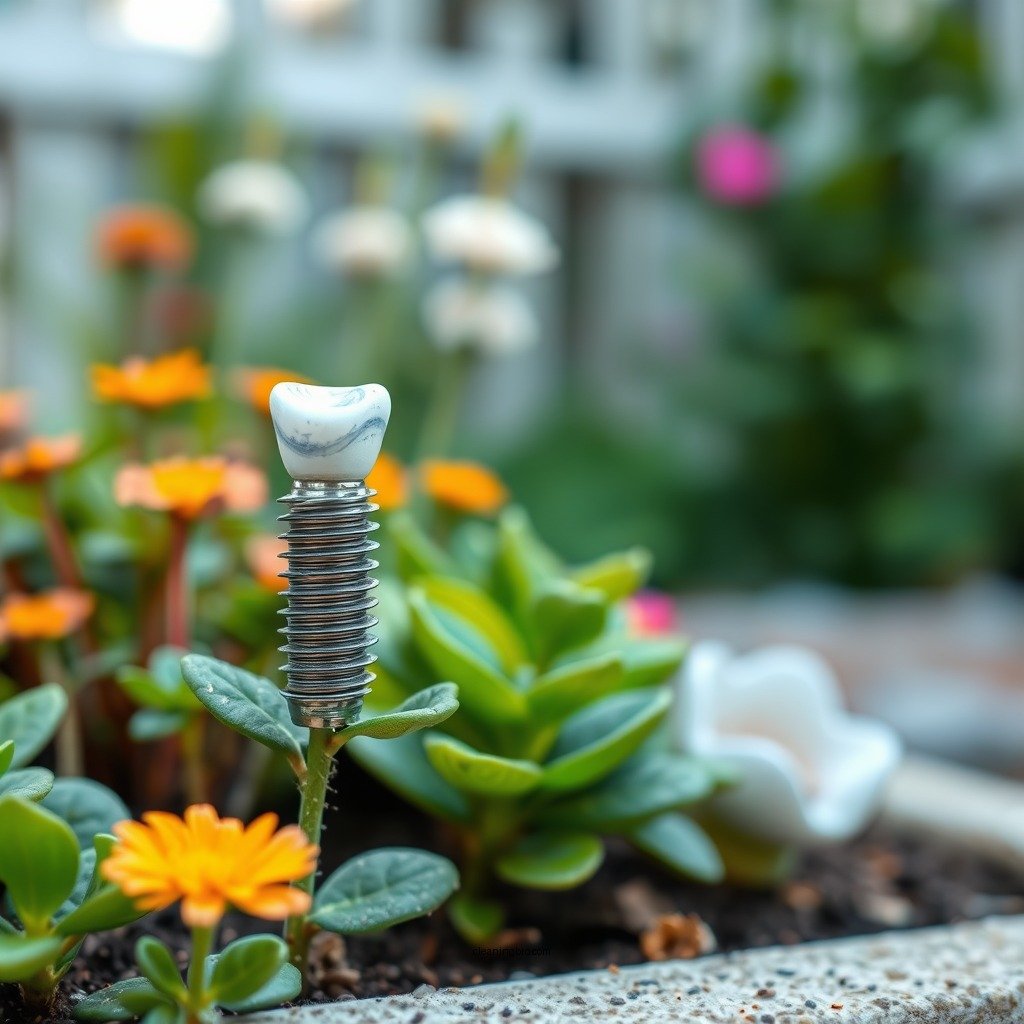
Dental implants are artificial tooth roots made of biocompatible materials that are surgically placed into the jawbone to support replacement teeth or bridges. Their primary purpose is to restore function and aesthetics for individuals who have lost teeth due to injury, decay, or other reasons. Implants provide a stable foundation for prosthetic teeth, allowing patients to chew, speak, and smile with confidence.
Maintaining excellent oral hygiene is vital for the longevity of dental implants. Neglecting proper care can lead to complications such as peri-implantitis, an inflammatory condition that can jeopardize the stability of the implant. Regular cleaning and care are essential to prevent plaque accumulation and ensure that the surrounding gum tissue remains healthy.
Daily Cleaning Routine
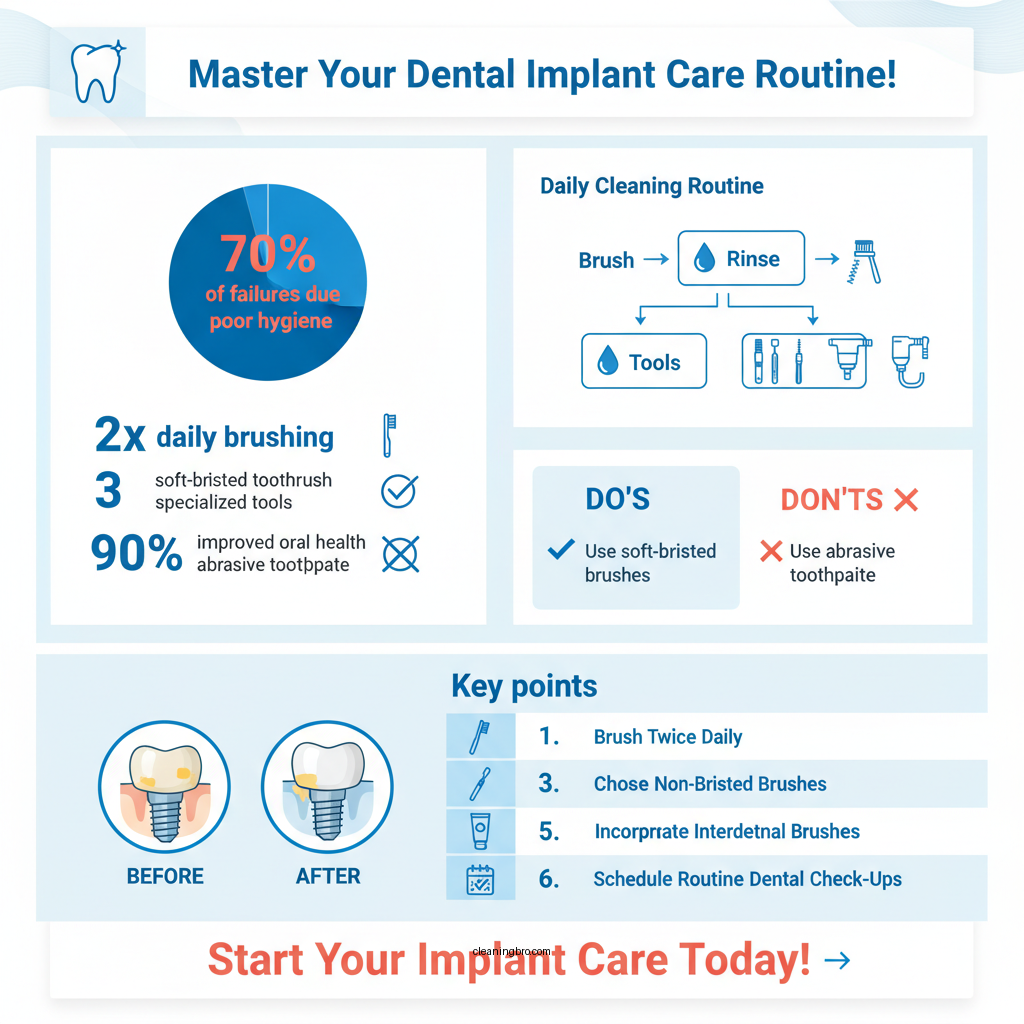

To ensure the longevity of your dental implants, a daily cleaning routine is essential. Start by brushing your implants gently with a soft-bristled toothbrush at least twice a day. This helps remove plaque and food particles without damaging the implant surface. It is important to use a toothbrush designed specifically for dental implants, as these are designed to clean effectively while minimizing the risk of scratching or damaging the surface.
Equally important is the choice of toothpaste. Non-abrasive toothpaste is recommended for individuals with dental implants. Abrasive pastes can scratch the surface of the implants, potentially leading to plaque buildup and other issues. Look for toothpaste that is specifically formulated for implant care or recommended by your dentist.
Additional Cleaning Tools

In addition to brushing, several specialized tools can enhance your cleaning routine. Interdental brushes can be particularly effective for cleaning hard-to-reach areas around implants. These small brushes can help dislodge food particles and plaque from between the teeth and implants, contributing to a more thorough cleaning.
Another valuable tool is the water flosser or oral irrigator. These devices use a stream of pulsating water to remove debris and plaque from around implants and between teeth. They are especially beneficial for those with braces or dental work, as they can reach areas traditional floss may miss. Regular use of these tools can significantly improve oral hygiene and help maintain the health of your dental implants.
Best Cleaning Tools for Dental Implants (2024)
| # | Tool | Type | Effectiveness |
|---|---|---|---|
| 1 | Interdental Brushes | Manual | High |
| 2 | Water Flosser | Electric | Very High |
| 3 | Soft-Bristled Toothbrush | Manual | High |
| 4 | Antimicrobial Mouthwash | Liquid | Moderate |
| 5 | Dental Picks | Manual | Moderate |
| 6 | Fluoride Rinse | Liquid | Low |
| 7 | Traditional Floss | Manual | Low |
Importance of Antimicrobial Rinses
Incorporating antimicrobial mouthwashes into your oral hygiene routine can significantly enhance the effectiveness of your cleaning regimen. These mouthwashes are designed to help reduce plaque buildup and maintain good gum health, which is particularly crucial for individuals with dental implants. Regular use can minimize the risk of infection and inflammation around the implant site.
When selecting an antimicrobial rinse, look for products specifically formulated for dental implant care. Some recommended options include those containing chlorhexidine, which has been shown to be effective in reducing bacteria in the mouth. However, it’s important to consult your dentist about the best options, as excessive use of certain mouthwashes can lead to staining or other side effects.
Regular Dental Visits
Routine dental check-ups are essential for monitoring the health of your dental implants. Most dentists recommend visiting every six months, but depending on individual circumstances, more frequent visits may be necessary. During these check-ups, your dentist will evaluate the condition of your implants, check for signs of infection or gum disease, and perform professional cleanings.
A typical dental implant maintenance visit will include an examination of the implant area, digital X-rays if necessary, and a thorough cleaning to remove any tartar or plaque buildup that may not be eliminated through at-home care. This proactive approach helps catch potential issues early, ensuring that your implants remain in optimal condition.
Common Mistakes to Avoid
While maintaining a cleaning routine is vital for the health of dental implants, some common mistakes can undermine these efforts. One of the most significant errors is using harsh toothbrushes or abrasive toothpaste, which can damage the implant surface. Always opt for soft-bristled brushes and non-abrasive toothpaste to safeguard your implants.
Another frequent mistake is neglecting routine cleaning or skipping dental appointments. Consistency is key when it comes to oral hygiene. Failing to adhere to a regular cleaning schedule can lead to plaque accumulation and increased risk of implant failure.
Lifestyle Tips for Implant Care
In addition to proper cleaning techniques, certain lifestyle choices can significantly impact the health of your dental implants. Diet plays a crucial role; consuming a balanced diet rich in vitamins and minerals can support your oral health. Foods high in calcium, vitamin D, and phosphorus are particularly beneficial for maintaining strong bones and gums.
Moreover, quitting smoking can have a profound effect on implant success. Smoking impairs blood flow to the gums and can hinder healing, increasing the likelihood of complications. Maintaining good overall health through regular exercise, hydration, and stress management can also contribute positively to the longevity of your dental implants.
In summary, keeping your dental implants clean through a diligent cleaning routine, the use of specialized tools, and regular dental visits is crucial for their longevity. By incorporating these practices into your daily routine and consulting your dentist regularly for personalized advice and check-ups, you can ensure the success and health of your dental implants for years to come.
Frequently Asked Questions
How do you properly clean dental implants at home?
To properly clean dental implants at home, use a soft-bristle toothbrush and non-abrasive toothpaste to gently brush around the implant area twice a day. Additionally, incorporating an antibacterial mouthwash can help reduce plaque buildup. Flossing with a special dental implant floss or a water flosser is also recommended to maintain optimal oral hygiene.
What products are best for cleaning dental implants?
The best products for cleaning dental implants include non-abrasive toothpaste, soft-bristle toothbrushes, and antibacterial mouth rinses. Additionally, using a specialized dental implant cleaning kit that includes tools like interdental brushes can effectively remove plaque and food particles from hard-to-reach areas.
Why is it important to clean dental implants regularly?
Regular cleaning of dental implants is crucial to prevent plaque accumulation, which can lead to peri-implantitis—a condition that can compromise the health of the implant and surrounding tissues. Maintaining good oral hygiene helps ensure the longevity of your dental implants and minimizes the risk of infection or other complications.
Which techniques should I avoid when cleaning my dental implants?
It is advisable to avoid using hard-bristle toothbrushes or abrasive toothpaste when cleaning dental implants, as these can scratch the implant surface and cause irritation to the gums. Additionally, avoid using dental tools not recommended by your dentist, as improper techniques can damage the implant or surrounding tissues.
How often should I visit the dentist for dental implant cleaning?
It is recommended to visit your dentist for a professional cleaning of your dental implants at least every six months. During these visits, your dentist can assess the health of the implants, provide deep cleaning, and offer personalized advice to help you maintain optimal oral hygiene at home.
References
- Page Not Found – Site Help – Mayo Clinic
https://www.mayoclinic.org/diseases-conditions/periodontitis/expert-answers/dental-implants/faq-20057755 - https://www.ncbi.nlm.nih.gov/pmc/articles/PMC6771245/
https://www.ncbi.nlm.nih.gov/pmc/articles/PMC6771245/ - https://www.ncbi.nlm.nih.gov/pmc/articles/PMC4310138/
https://www.ncbi.nlm.nih.gov/pmc/articles/PMC4310138/ - https://www.sciencedirect.com/science/article/pii/S2212676912000478
https://www.sciencedirect.com/science/article/pii/S2212676912000478 - Oral health
https://www.who.int/news-room/fact-sheets/detail/oral-health - https://www.healthline.com/health/dental-implants-care
https://www.healthline.com/health/dental-implants-care - Dental implant | Britannica
https://www.britannica.com/science/dental-implant - Google Scholar Google Scholar
https://scholar.google.com/scholar?q=cleaning+dental+implants - Google Scholar Google Scholar
https://scholar.google.com/scholar?q=dental+implant+maintenance+care - Google Scholar Google Scholar
https://scholar.google.com/scholar?q=how+do+you+clean+dental+implants