How to Clean Electrical Sockets: A Step-by-Step Guide
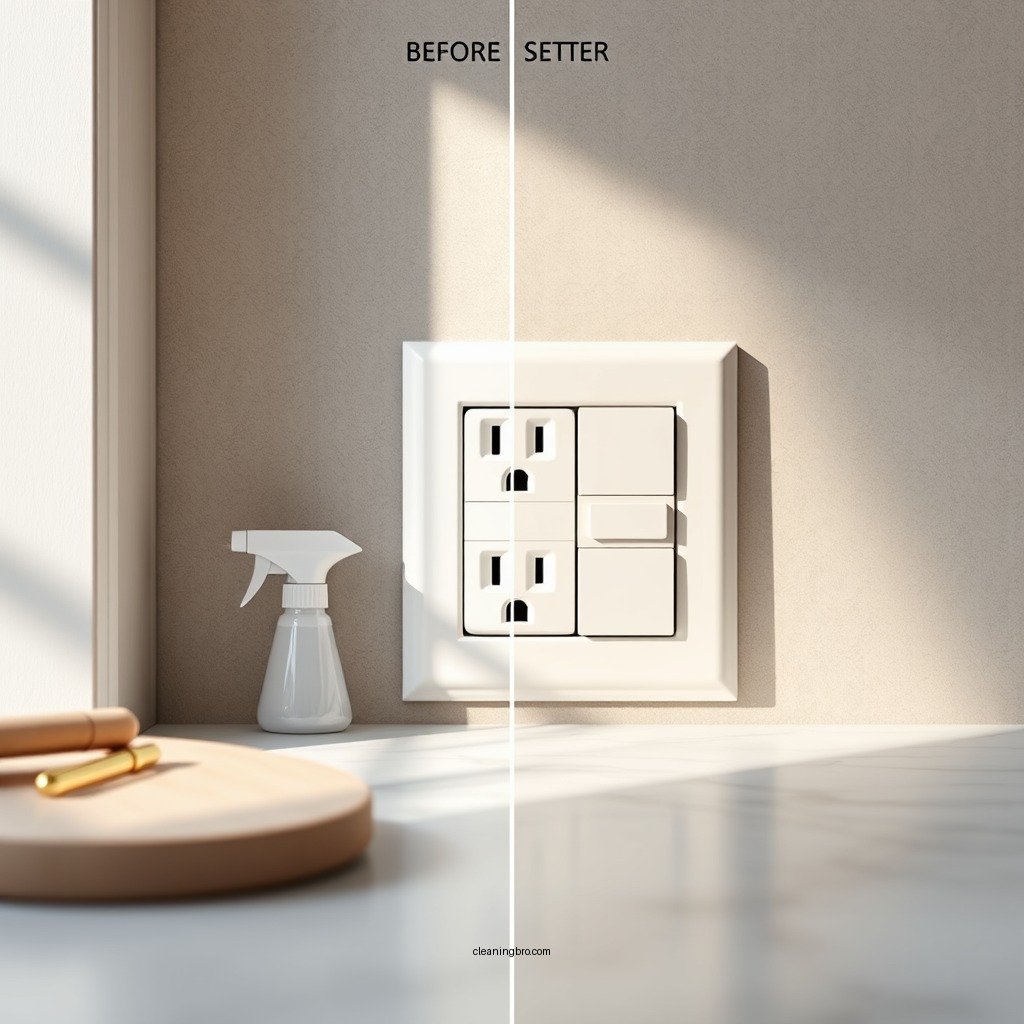
Cleaning electrical sockets is a straightforward process that enhances safety and appearance in your home. To clean sockets effectively, you will need to ensure the power is turned off and use appropriate cleaning tools. This article will guide you through the essential steps and important precautions for cleaning your sockets safely and efficiently.
Prepare for Cleaning
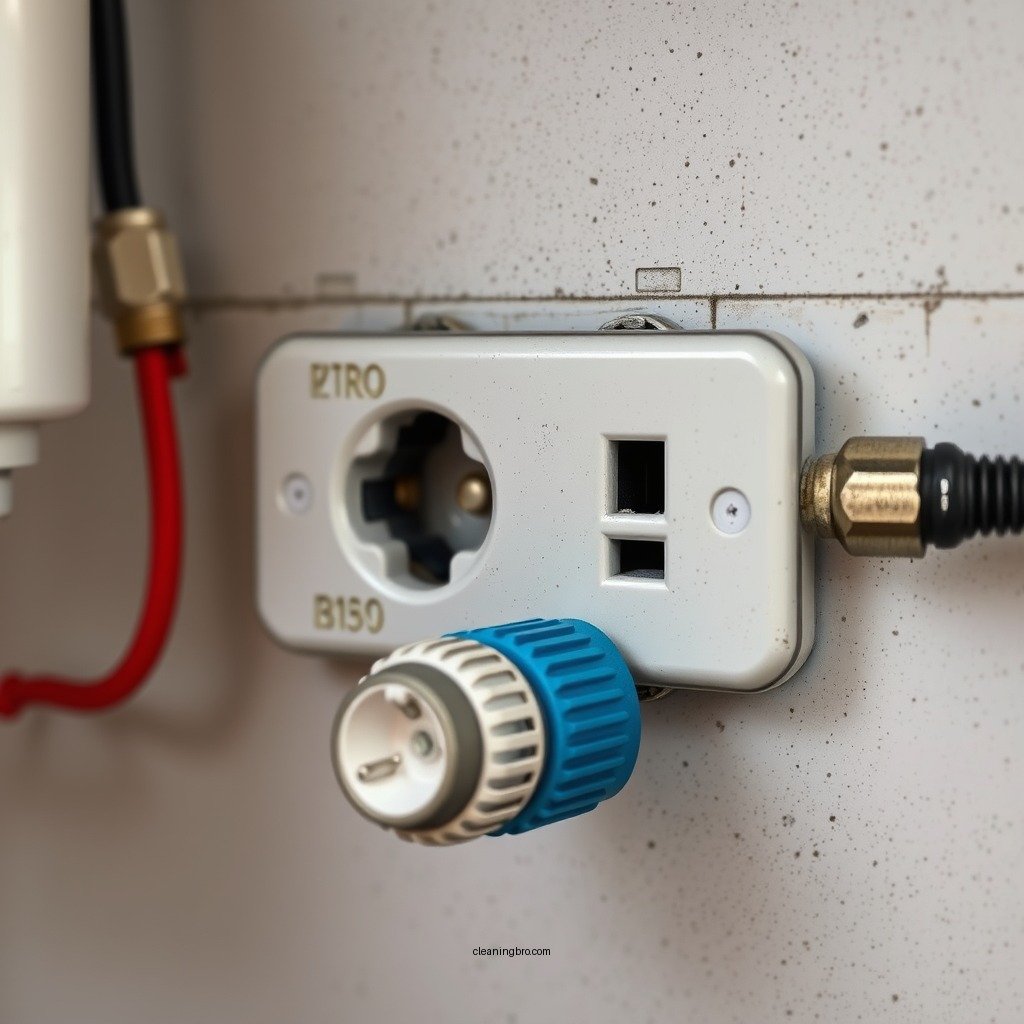
The first step in cleaning electrical sockets is to ensure that safety is your top priority. Begin by turning off the power at the circuit breaker. This is crucial to prevent electrical shock while cleaning. Once the power is off, gather the necessary supplies. You’ll need a soft cloth, a toothbrush, and a suitable cleaner. Ideally, select a cleaner that is non-abrasive and safe for electronic surfaces. A mixture of water and vinegar can serve as an effective, natural cleaner if you prefer to avoid chemical solutions.
Inspect the Sockets
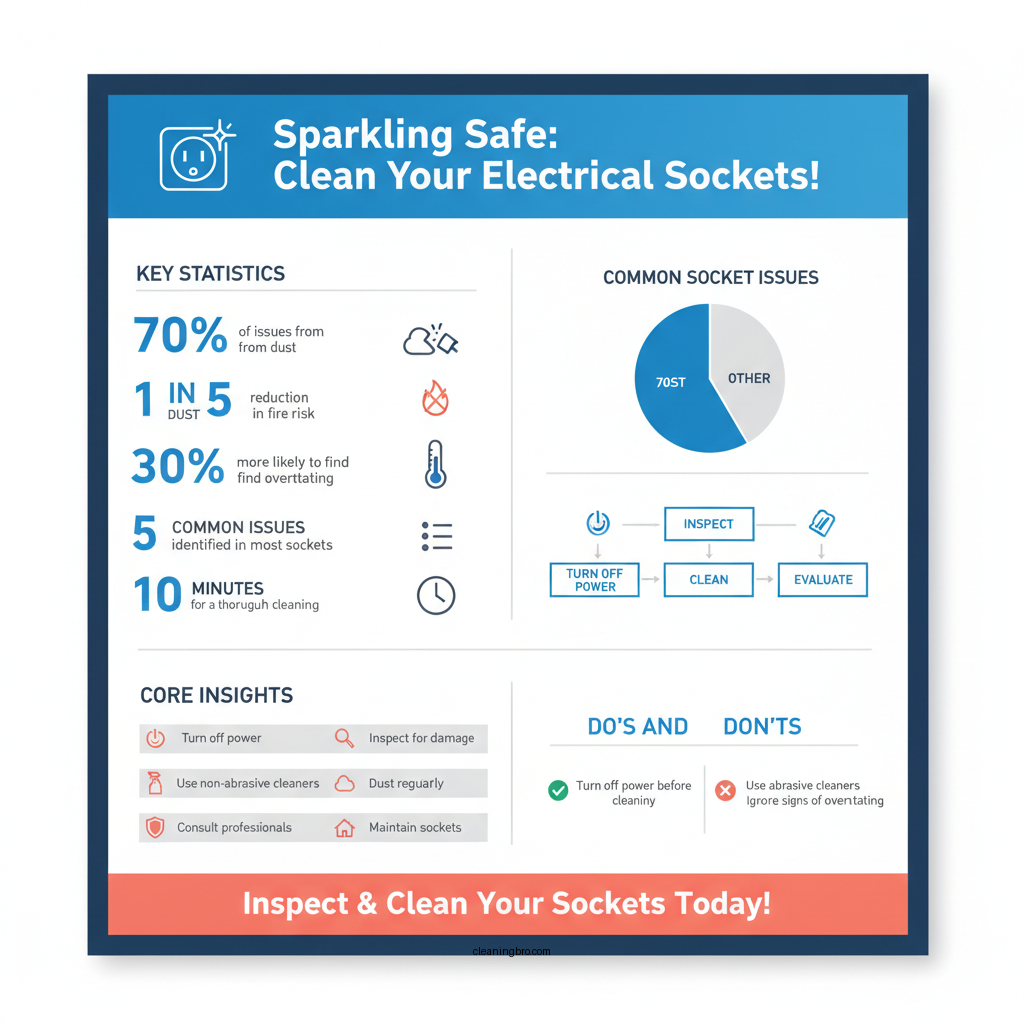
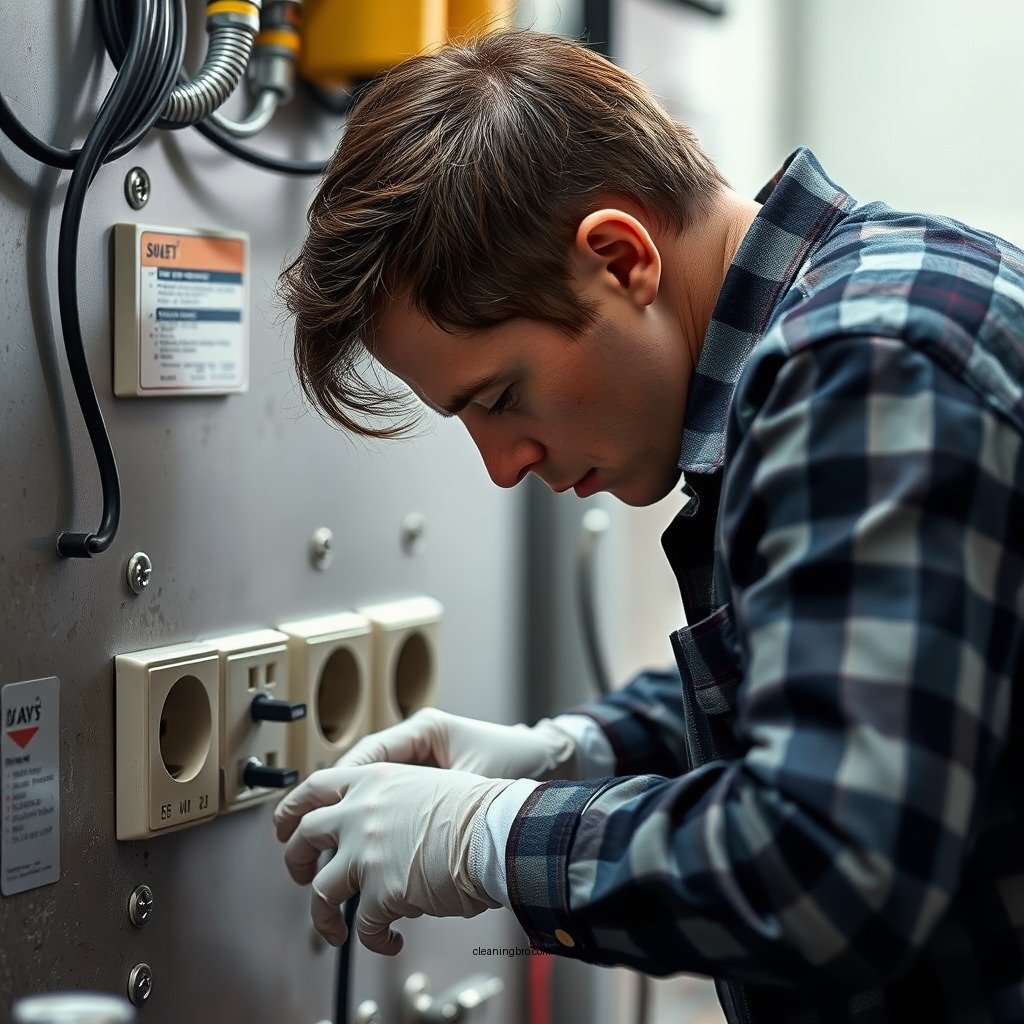
Before diving into the cleaning process, take a moment to inspect the sockets for any visible damage or wear. Look for cracks, discoloration, or any signs of overheating, which could indicate a serious electrical issue. Also, check for loose connections or signs of corrosion around the terminals. If you notice any significant damage or electrical concerns, it is advisable to consult a professional electrician to address these issues before proceeding with cleaning.
Dusting the Sockets
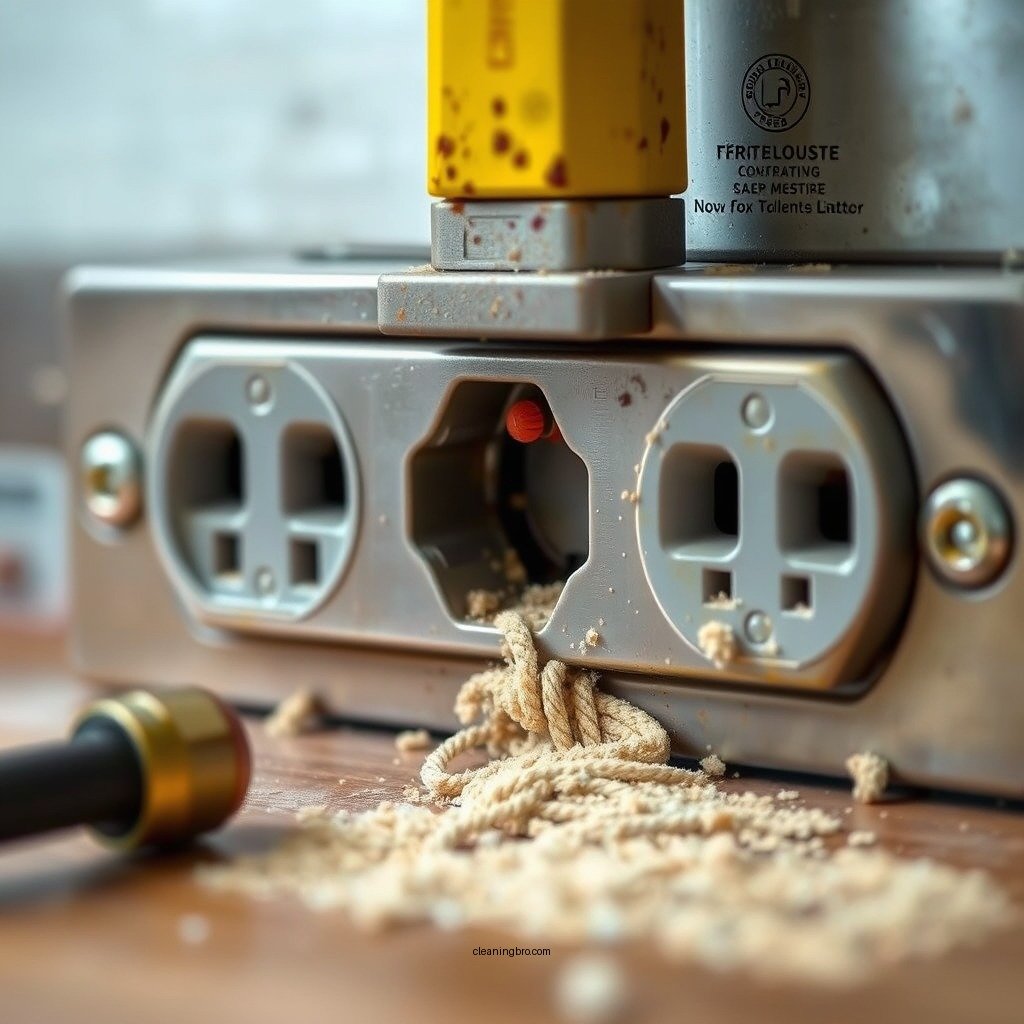
Once you have confirmed the sockets are safe to clean, use a dry toothbrush or a soft cloth to gently remove dust and debris from the socket surface. Pay special attention to crevices where dust tends to accumulate, as this can be a breeding ground for dust mites and dirt. Regular dusting can help maintain the appearance of your sockets and prevent buildup that could affect their functionality.
Top 7 Common Causes of Electrical Socket Issues
| # | Issue | Description | Recommended Action |
|---|---|---|---|
| 1 | Overheating | Excessive heat due to overloading | Reduce load; consult an electrician |
| 2 | Loose Connections | Connections that are not secure | Tighten connections; check wiring |
| 3 | Corrosion | Rusting and deterioration of metal parts | Clean or replace damaged parts |
| 4 | Physical Damage | Visible cracks or breaks | Replace the socket immediately |
| 5 | Moisture | Water exposure leading to shorts | Dry thoroughly; consult an electrician |
| 6 | Burnt Out Sockets | Sockets that no longer work | Replace burnt out sockets |
| 7 | Insect Damage | Insects nesting inside the socket | Remove insects; seal openings |
Deep Cleaning the Sockets
After dusting, it’s time for a deeper clean. Dampen your soft cloth with a mild cleaner or a mixture of water and vinegar. Gently wipe the exterior of the socket, being cautious to avoid excess moisture from entering the socket. Excess moisture can lead to short circuits and other electrical hazards. Ensure that you clean the faceplate as well, as dirt and grime can accumulate there over time.
Dealing with Stains and Grime
In cases where you encounter stubborn stains or grime, utilize a non-abrasive cleaner along with your soft cloth. Avoid harsh chemicals or abrasive materials, as these can damage the surface of the socket and even compromise its functionality. For particularly troublesome areas, applying a small amount of cleaner and letting it sit for a few minutes may help lift the stain before wiping it away.
Best Socket Cleaning Tools: A Comparative Overview
| Feature | ⭐ Microfiber Cloth | Soft Toothbrush | Vinegar Solution |
|---|---|---|---|
| Material | Microfiber | Nylon bristles | Water & vinegar |
| Effectiveness | Excellent | Good | Excellent |
| Safety | ✅ Safe | ✅ Safe | ✅ Safe |
| Ease of Use | Very Easy | Easy | Moderate |
| Cost | Low | Very Low | Low |
| Time Required | 5 mins | 10 mins | 15 mins |
| Portability | Very High | High | Medium |
| Environmental Impact | Low | Very Low | Low |
| 🏆 Best For | Quick cleaning | Detail cleaning | Natural cleaning |
Final Checks
After completing your cleaning routine, ensure that the socket is completely dry before turning the power back on. This is crucial for preventing electrical mishaps. Once dry, re-inspect the socket for any issues that may have arisen during cleaning. Look for any signs of damage or loose connections again. If everything appears in order, you can safely restore power to the socket and test its functionality.
Safety Considerations
Always prioritize safety when dealing with electrical components. If you are unsure about any aspect of cleaning your sockets, do not hesitate to consult a professional electrician. Regular checks and maintenance of your sockets are essential in preventing buildup of dirt and potential hazards. Schedule routine inspections to maintain safety and ensure optimal functionality.
Maintaining clean electrical sockets not only improves the appearance of your home but also ensures safety and functionality. By following these steps, you can keep your sockets in optimal condition. If you haven’t cleaned your sockets in a while, it’s time to gather your supplies and tackle this important task. Remember, a clean socket is a safe socket.
Frequently Asked Questions
What are the best methods for cleaning electrical sockets safely?
The best methods for cleaning electrical sockets safely include using a dry microfiber cloth to remove dust and debris. For deeper cleaning, you can lightly dampen the cloth with isopropyl alcohol, ensuring it’s not dripping wet, to disinfect the surface. Always make sure to turn off the power to the socket at the breaker before cleaning to avoid any electrical hazards.
How do I remove grime or stains from my wall sockets?
To remove grime or stains from wall sockets, first, ensure the power is turned off. Use a mixture of water and mild dish soap applied to a soft cloth, then gently scrub the affected areas. For stubborn stains, you can use a cotton swab dipped in isopropyl alcohol to target specific spots without over-saturating the socket.
Why is it important to clean electrical sockets regularly?
Regular cleaning of electrical sockets is important to prevent the buildup of dust, dirt, and grime, which can lead to overheating and potentially create fire hazards. Additionally, clean sockets can improve electrical connectivity and enhance the overall safety of your home. Maintaining clean outlets also contributes to a tidy appearance in your living space.
Which cleaning products should I avoid when cleaning electrical sockets?
When cleaning electrical sockets, avoid using abrasive cleaners, harsh chemicals, or anything that contains bleach, as these can damage the plastic or finish of the socket. Additionally, avoid using excessive moisture or submerging the socket in water, as this poses a risk of electrical shock. Stick to gentle, non-conductive cleaning agents for the best results.
What tools do I need to clean electrical sockets effectively?
To clean electrical sockets effectively, you will need a few basic tools: a microfiber cloth, a soft-bristled brush, cotton swabs, and isopropyl alcohol. These tools allow you to gently remove dust and grime without damaging the socket. Having a flashlight can also help you see inside the socket better during the cleaning process.
References
- https://www.cdc.gov/infectioncontrol/guidelines/disinfection/index.html
https://www.cdc.gov/infectioncontrol/guidelines/disinfection/index.html - Detail
https://www.who.int/news-room/fact-sheets/detail/infection-prevention-and-control - https://www.mayoclinic.org/healthy-lifestyle/adult-health/in-depth/cleaning-your-home/ART-20456969
https://www.mayoclinic.org/healthy-lifestyle/adult-health/in-depth/cleaning-your-home/ART-20456969 - https://www.nytimes.com/2020/03/24/style/cleaning-tips-coronavirus.html
https://www.nytimes.com/2020/03/24/style/cleaning-tips-coronavirus.html - https://www.bbc.com/future/article/20200330-how-to-clean-your-home-to-keep-it-safe
https://www.bbc.com/future/article/20200330-how-to-clean-your-home-to-keep-it-safe - https://www.health.harvard.edu/staying-healthy/how-to-disinfect-your-home
https://www.health.harvard.edu/staying-healthy/how-to-disinfect-your-home - https://pubmed.ncbi.nlm.nih.gov/32280193/
https://pubmed.ncbi.nlm.nih.gov/32280193/ - https://www.sciencedirect.com/science/article/pii/S2213138818300451
https://www.sciencedirect.com/science/article/pii/S2213138818300451 - Google Scholar Google Scholar
https://scholar.google.com/scholar?q=how+to+clean+medical+sockets - Google Scholar Google Scholar
https://scholar.google.com/scholar?q=cleaning+infection+control+guidelines