How to Clean Fishing Lures: A Step-by-Step Guide
Cleaning fishing lures is vital for preserving their effectiveness and extending their lifespan. By regularly cleaning your lures, you ensure they remain visually appealing and functional, which ultimately leads to better fishing results. In this comprehensive guide, you will discover the best techniques, tools, and tips for keeping your fishing lures in optimal condition.
Importance of Cleaning Fishing Lures
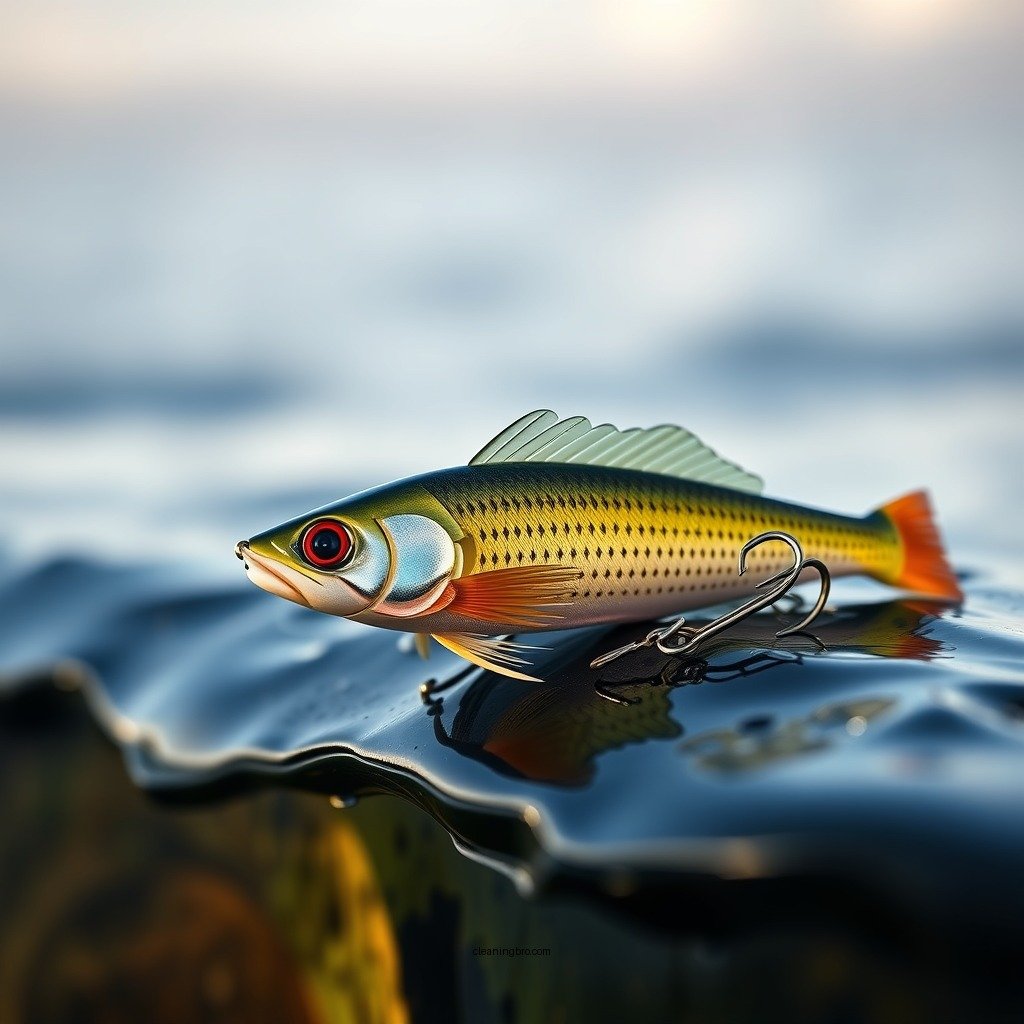
Cleaning fishing lures is not just a matter of aesthetics; it has a significant impact on your fishing success. Over time, lures can accumulate dirt, grime, and salt, which can inhibit their ability to attract fish. A clean lure reflects light better, maintains its vibrant colors, and mimics the natural prey of fish more effectively. Additionally, maintaining the lure’s finish helps to prevent corrosion and damage, ensuring that these valuable tools last longer. In essence, a clean lure is a more effective lure, leading to increased catches and a more enjoyable fishing experience.
Tools Needed for Cleaning
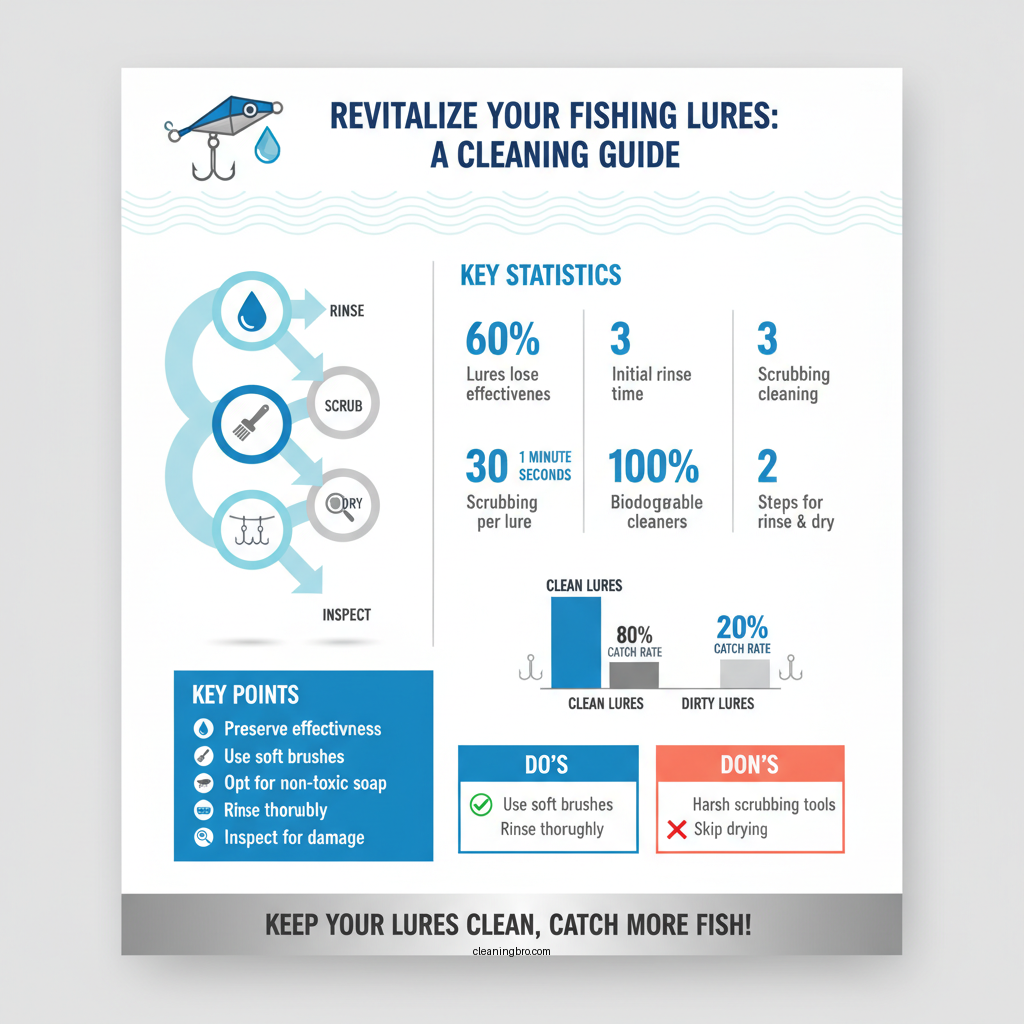
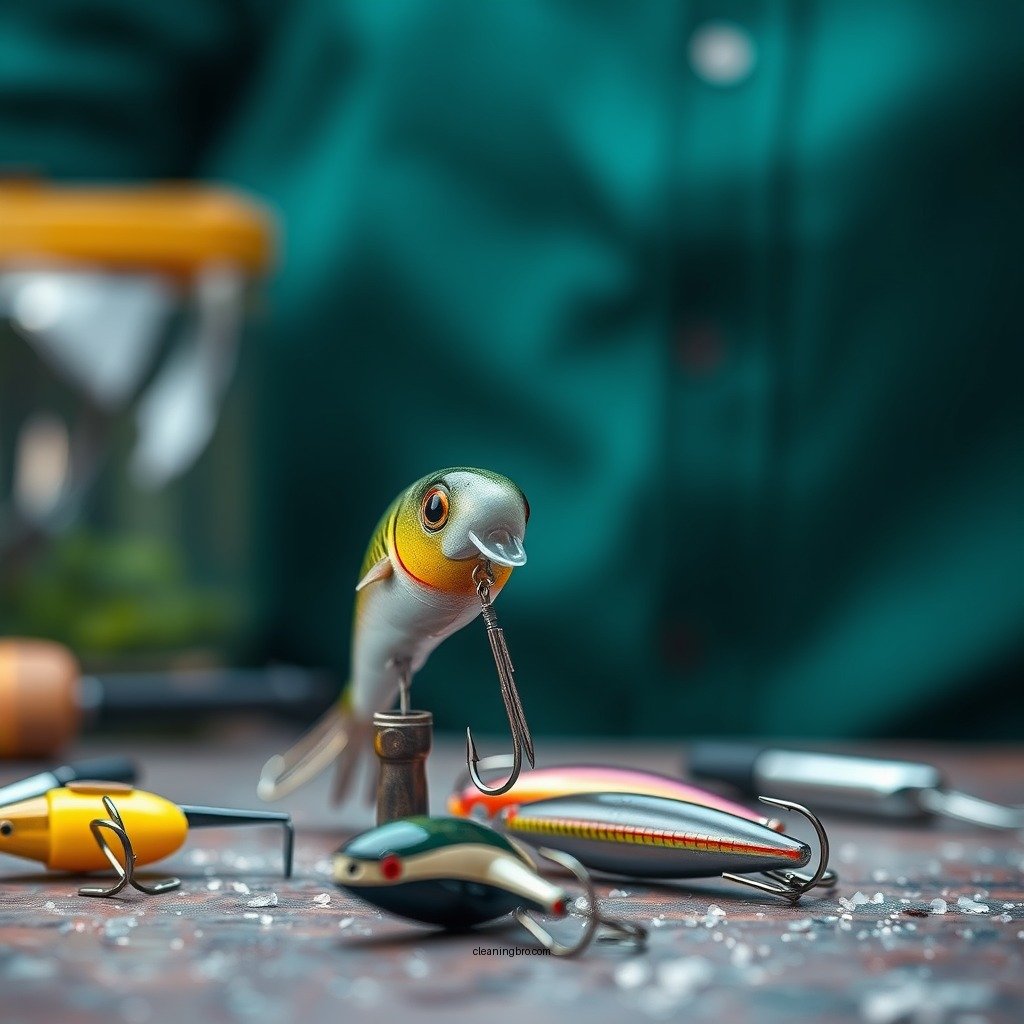
To effectively clean your fishing lures, you need a few essential tools. Having the right equipment can make the process smoother and more efficient. Here’s a list of tools you’ll require:
– Soft-bristle brush or old toothbrush: Perfect for scrubbing off dirt without damaging the lure’s surface.
– Mild soap or lure-specific cleaner: Opt for non-toxic and biodegradable options to avoid harming your lures.
– Soft cloth or paper towels: These are necessary for drying your lures without scratching them.
With these tools at your disposal, you can ensure a thorough and safe cleaning process for your fishing lures.
Step-by-Step Cleaning Process
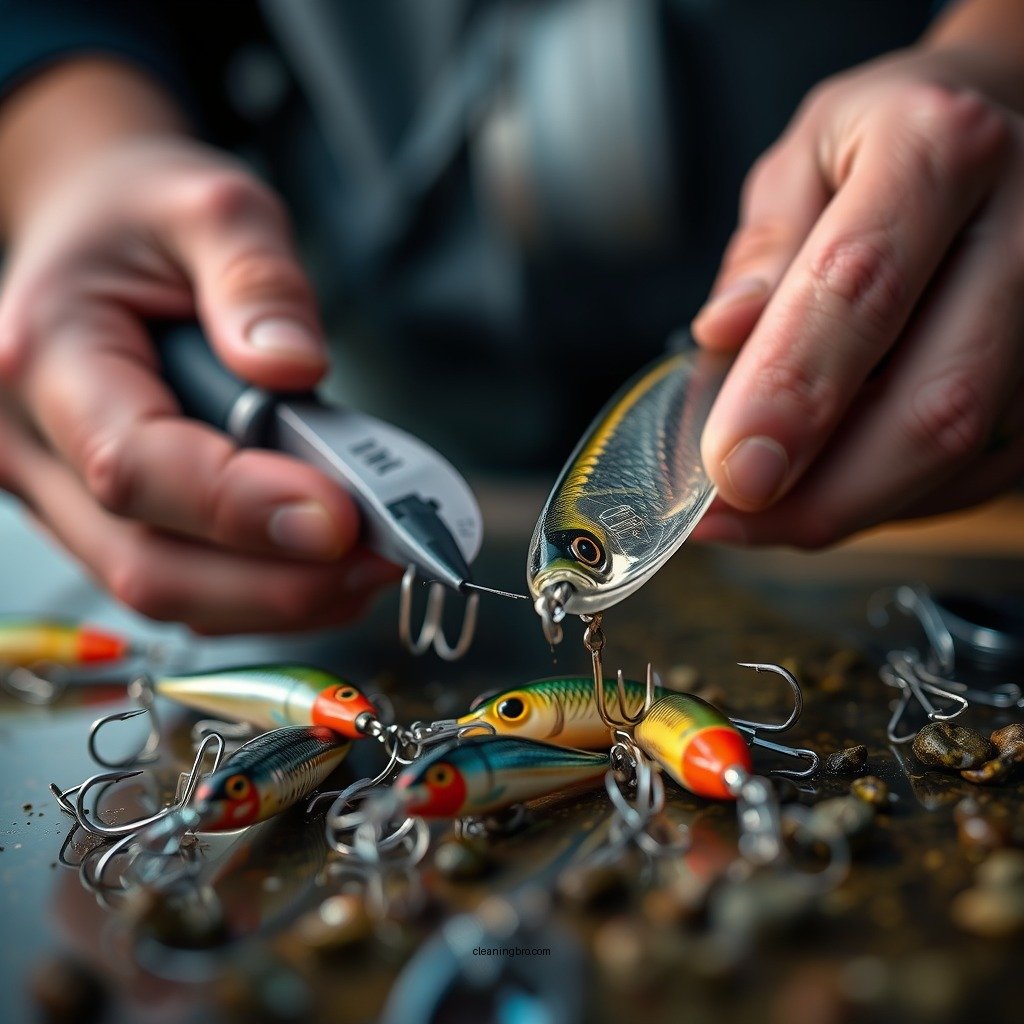
Cleaning your fishing lures doesn’t have to be a labor-intensive task. Follow these straightforward steps for optimal results:
1. Rinse the lure in freshwater: Start by rinsing the lure under running freshwater to remove any loose debris, salt, or mud. This initial rinse helps prevent scratching during the scrubbing phase.
2. Apply soap to the brush: Use a soft-bristle brush or an old toothbrush to apply a small amount of mild soap or lure-specific cleaner. Gently scrub all surfaces of the lure, paying special attention to crevices and areas where dirt tends to accumulate.
3. Rinse thoroughly: After scrubbing, rinse the lure again under running freshwater to ensure that no soap residue remains. Soap residue can deter fish, so this step is crucial.
4. Dry the lure: Use a soft cloth or paper towels to pat the lure dry gently. Avoid vigorous rubbing, as this can damage the finish.
5. Inspect for damage: After cleaning, check your lures for any signs of wear, such as frayed lines or chipped paint. This will help you identify lures that may need repair or replacement.
Top 7 Fishing Lure Brands by Popularity (2024)
| # | Brand | Type | Popularity Rating |
|---|---|---|---|
| 1 | Rapala | Hard Baits | ★★★★☆ |
| 2 | Storm | Soft Baits | ★★★★★ |
| 3 | Mepps | Spinners | ★★★★☆ |
| 4 | Berkley | Soft Baits | ★★★★☆ |
| 5 | Yo-Zuri | Hard Baits | ★★★★☆ |
| 6 | Z-Man | Soft Baits | ★★★★★ |
| 7 | Strike King | Crankbaits | ★★★★☆ |
Special Care for Different Types of Lures
Different types of fishing lures require specific care to maintain their functionality and appearance. Here are some general guidelines:
– Plastic Lures: These lures are more susceptible to damage from harsh chemicals. It’s best to stick to mild soap and avoid abrasive scrubbing tools. If the lures are heavily stained, soaking them in a solution of mild soap and water can help loosen stubborn grime.
– Metal Lures: Metal lures, while durable, are prone to rust if not dried properly. After cleaning, it’s essential to dry them immediately with a soft cloth. You can also apply a light coat of oil to protect against corrosion.
– Wooden Lures: Wooden lures can absorb water, which may cause them to swell and lose their original shape. Ensure they are completely dry before storing them.
By tailoring your cleaning approach to the specific material of your lures, you can significantly enhance their longevity and effectiveness.
Drying and Storage Tips
Proper drying and storage of your fishing lures are just as critical as the cleaning process. Here are some effective tips:
– Drying: After rinsing and cleaning your lures, use a soft cloth to gently pat them dry. Avoid rubbing, which can scratch the surface. Ensure that all lures are thoroughly dry before placing them in storage.
– Storage: Store lures in a dry place to prevent moisture buildup. Tackle boxes with dividers are ideal as they prevent lures from scratching against each other. Additionally, consider using lure wraps or bags for extra protection, especially for delicate or painted lures.
– Temperature Control: Avoid storing lures in extreme temperatures, as this can affect the materials and finishes. A stable, moderate temperature is best for maintaining the integrity of your lures.
Maintenance Routine for Longevity
To ensure that your fishing lures remain effective over time, it’s important to establish a regular maintenance routine. Here are some best practices:
– Clean After Each Trip: Make it a habit to clean your lures after every fishing trip. This not only preserves their appearance but also removes any salt, dirt, or debris that can cause deterioration over time.
– Regular Inspections: Periodically inspect your lures for any signs of damage, such as chipped paint, bent hooks, or frayed lines. Address any issues promptly by either repairing or replacing the lures.
– Organized Storage: Keep your tackle box organized. This makes it easier to find lures and reduces the risk of damage from tangled lines or overcrowding.
By integrating these maintenance tips into your fishing routine, you can significantly extend the life of your lures and enhance your fishing experience.
Fishing Lure Cleaning Products Comparison
| Feature | ⭐ Lure Cleaner Pro | Eco Lure Wash | Tackle Box Cleanser |
|---|---|---|---|
| Biodegradable | ✅ | ✅ | ❌ |
| Non-toxic | ✅ | ✅ | ✅ |
| Effective on Salt | ✅ | ✅ | ✅ |
| Price | $12.99 | $10.99 | $8.99 |
| Size | 8 oz | 12 oz | 16 oz |
| Ease of Use | ✅ Spray & Wipe | ✅ Spray | ✅ Dip |
| Multi-Surface | ✅ | ✅ | ✅ |
| Customer Rating | ★★★★☆ | ★★★★★ | ★★★★☆ |
| Availability | Amazon | Walmart, Amazon | Local Retailers |
| 🏆 Best For | General Use | Eco-conscious Users | Budget Users |
Keeping your fishing lures clean is crucial for an enjoyable fishing experience. By following the steps outlined in this guide, you can ensure your lures remain effective for years to come. Start cleaning your lures today and see the difference in your fishing success!
Frequently Asked Questions
What is the best way to clean fishing lures after a trip?
The best way to clean fishing lures after a trip is to rinse them in fresh water to remove any salt, dirt, or debris. For tougher stains or odors, soak the lures in a solution of warm water and mild soap for about 10-15 minutes, then gently scrub them with a soft brush. Rinse thoroughly and allow them to air dry completely to prevent rust or corrosion.
How do I remove rust from metal fishing lures?
To remove rust from metal fishing lures, soak the affected areas in a mixture of vinegar and water for several hours. After soaking, use a soft cloth or a toothbrush to scrub away the rust gently. Rinse the lures in fresh water and dry them immediately to prevent further rusting.
Why is it important to clean fishing lures regularly?
Cleaning fishing lures regularly is important to maintain their performance and longevity. Dirt, debris, and salt can affect the action and visibility of the lure, reducing its effectiveness in attracting fish. Additionally, regular cleaning helps prevent rust and corrosion, ensuring that your lures remain in good condition for future fishing trips.
Which cleaning products are safe to use on fishing lures?
Safe cleaning products for fishing lures include mild soap, dishwashing liquid, and vinegar. Avoid using harsh chemicals or abrasive cleaners, as they can damage the lure’s finish or materials. Always test any cleaning solution on a small, inconspicuous area first to ensure it won’t harm the lure.
How can I effectively dry my fishing lures after cleaning them?
To effectively dry your fishing lures after cleaning, place them on a clean, dry towel in a well-ventilated area. Ensure that all parts of the lure, including hooks and crevices, are exposed to air for thorough drying. Avoid using heat sources like hair dryers, as excessive heat can warp or damage certain materials.
References
- How to Clean Fishing Lures: 9 Steps (with Pictures) – wikiHow Fitness
https://www.wikihow.com/Clean-Fishing-Lures - https://www.britannica.com/animal/fishing-lure
https://www.britannica.com/animal/fishing-lure - https://www.ncbi.nlm.nih.gov/pmc/articles/PMC3012466/
https://www.ncbi.nlm.nih.gov/pmc/articles/PMC3012466/ - Google Scholar Google Scholar
https://scholar.google.com/scholar?q=how+to+clean+fishing+lures - Welcome to NOAA | NOAA Fisheries
https://www.fisheries.noaa.gov/ - https://www.tn.gov/twra/fishing/fishing-resources/fishing-tips.html
https://www.tn.gov/twra/fishing/fishing-resources/fishing-tips.html - https://www.sciencedirect.com/topics/agricultural-and-biological-sciences/fishing-lures
https://www.sciencedirect.com/topics/agricultural-and-biological-sciences/fishing-lures - https://www.oregon.gov/odfw/Fish/Pages/default.aspx
https://www.oregon.gov/odfw/Fish/Pages/default.aspx - Google Scholar Google Scholar
https://scholar.google.com/scholar?q=fishing+lure+maintenance - https://www.fws.gov/program/fisheries
https://www.fws.gov/program/fisheries