How to Clean Flux off a Circuit Board: Step-by-Step Guide
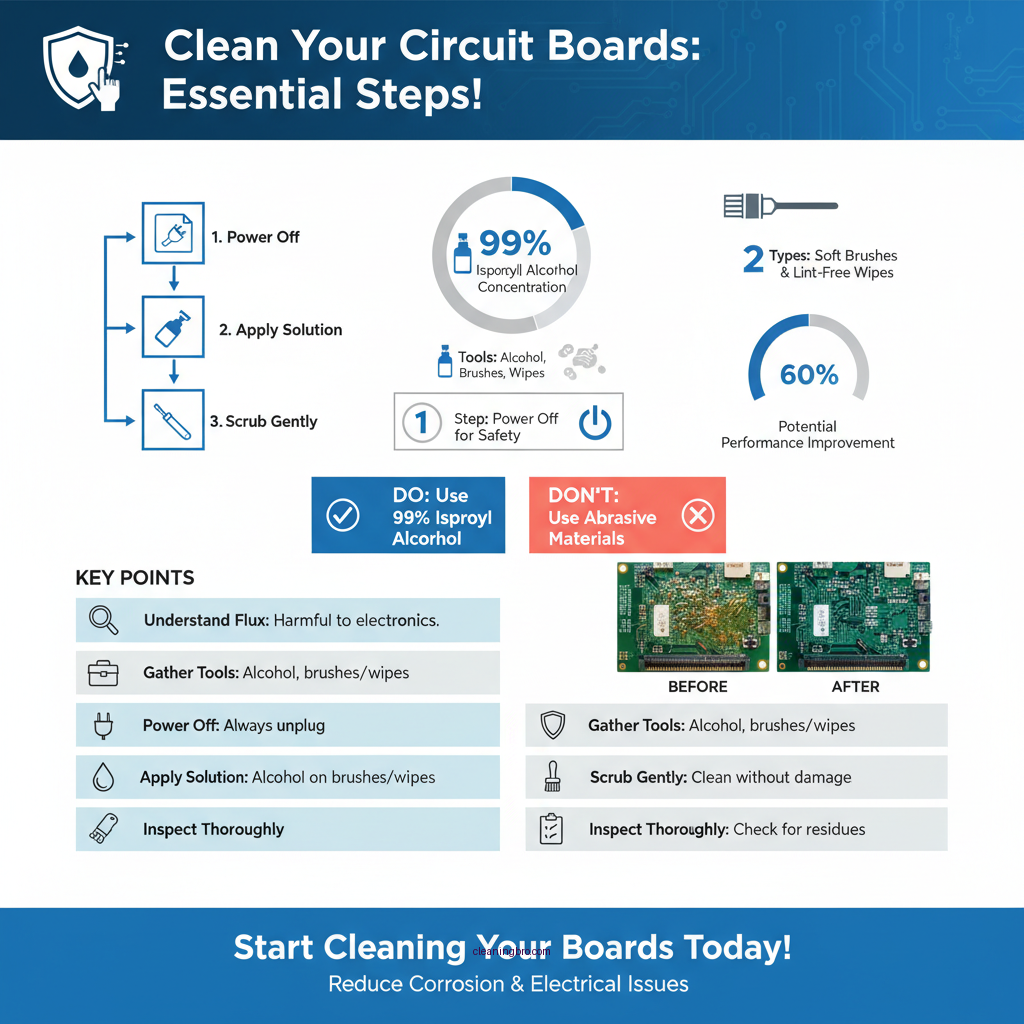
Cleaning flux off a circuit board is crucial for ensuring optimal performance and longevity of your electronics. Flux, a residue left over from soldering processes, can lead to corrosion and impaired electrical connections if not removed properly. This guide provides you with effective methods and tips for cleaning flux, equipping you with the knowledge to maintain your circuit boards in excellent condition.
Understanding Flux and Its Impact
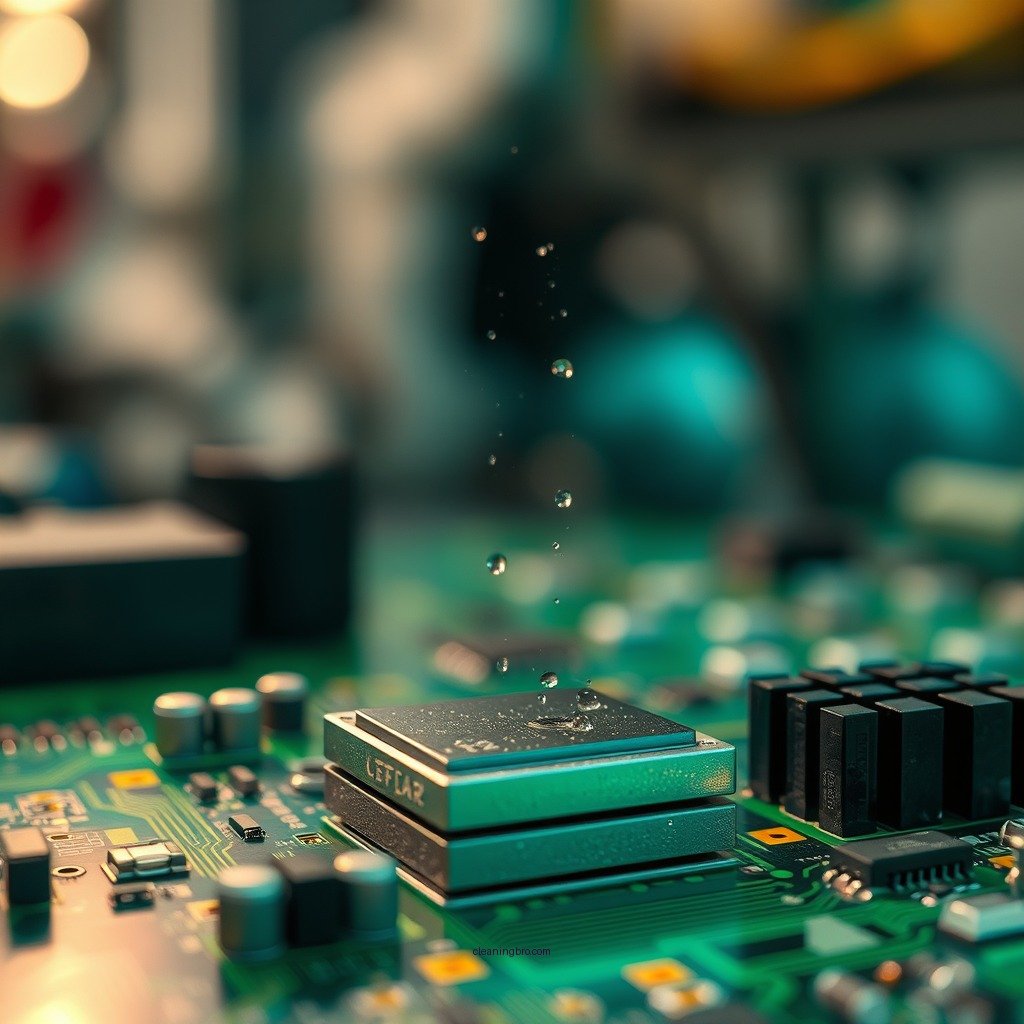
Flux is a chemical agent used during soldering to facilitate the joining of metal parts. It serves to prevent oxidation, allowing solder to flow smoothly and adhere properly to the components. However, once the soldering process is complete, flux can leave behind a residue that, if left uncleaned, may lead to various issues. The most significant impact of residual flux includes:
– Corrosion: Flux residues can attract moisture, leading to corrosion over time, which can damage the circuit board and its components.
– Electrical Interference: Contaminants from flux can create pathways for electrical shorts, leading to malfunctions in the circuit.
– Signal Degradation: In high-frequency applications, leftover flux can affect signal integrity, leading to performance issues.
Understanding these impacts underscores the importance of cleaning flux from your circuit boards regularly.
Tools and Materials Needed
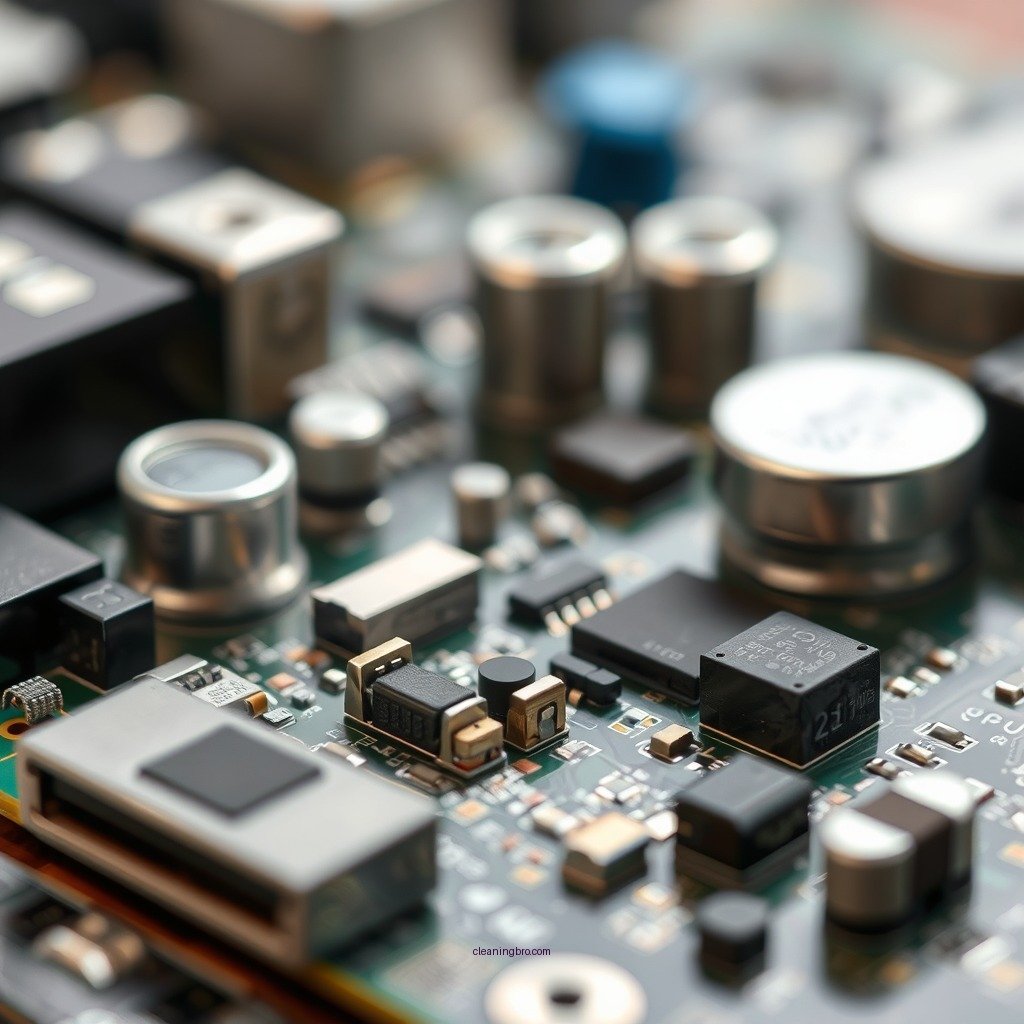
To effectively clean flux off a circuit board, you will need the following tools and materials:
– Isopropyl Alcohol: Preferably 99% concentration, as it evaporates quickly and effectively dissolves flux residues without leaving moisture behind.
– Soft Brushes: Use a soft-bristled brush to reach small nooks and crannies on the circuit board without scratching sensitive components.
– Lint-Free Wipes or Cotton Swabs: These are essential for applying the cleaning solution and wiping away residues without leaving fibers behind.
These tools ensure that you can effectively and safely clean your circuit board.
Step-by-Step Cleaning Process
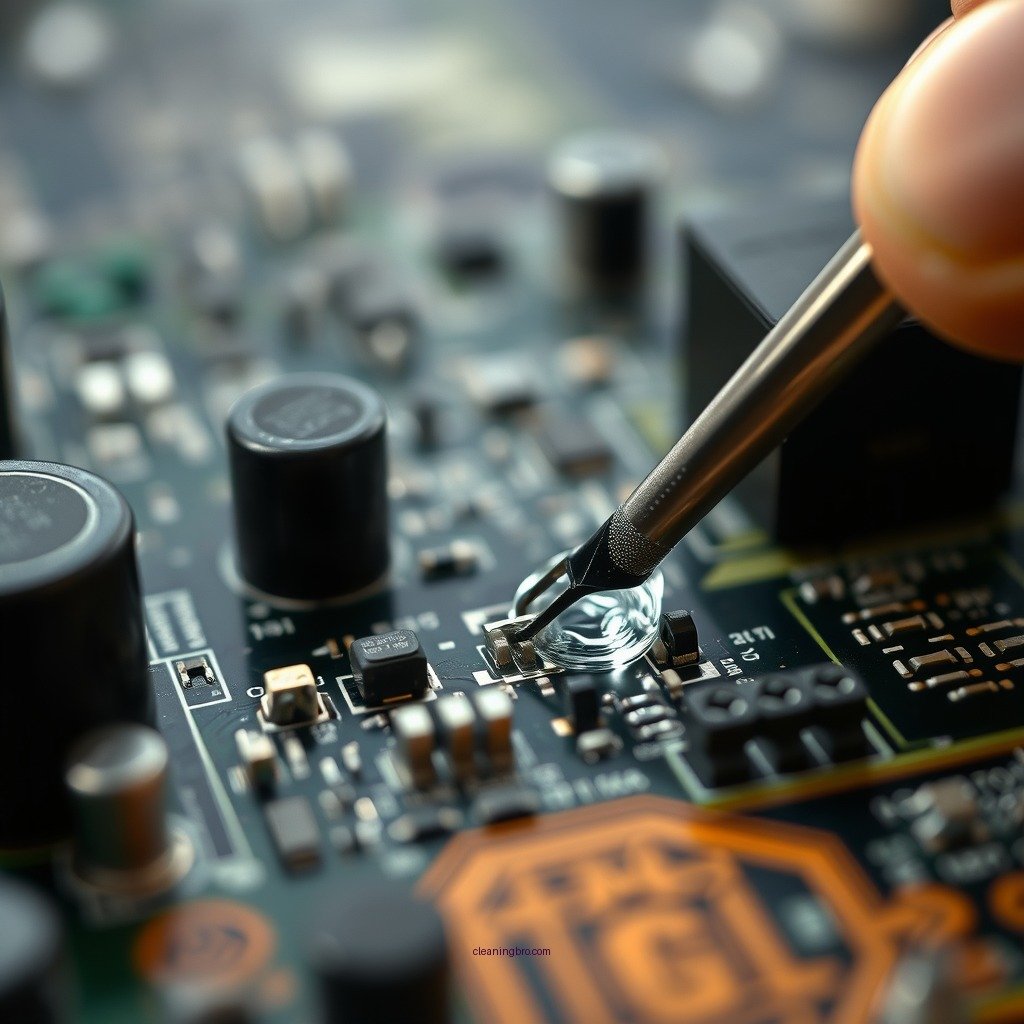
1. Power Off and Unplug: Before starting the cleaning process, ensure that the circuit board is powered off and unplugged from any power source. This step is crucial for your safety and to prevent damage to the board.
2. Apply Isopropyl Alcohol: Dampen your soft brush or a lint-free wipe with isopropyl alcohol. Gently scrub the areas where flux is visible. Be careful not to apply too much pressure, as this could damage delicate components.
3. Scrub Thoroughly: Focus on the areas around solder joints, as this is where flux residues are most likely to accumulate. Use a brush for intricate areas and wipes for flat surfaces.
4. Wipe Clean: After scrubbing, use a fresh lint-free wipe or cotton swab to remove any remaining alcohol and flux residues. Ensure that no fibers are left behind.
5. Repeat if Necessary: If you notice stubborn flux residues, reapply isopropyl alcohol and scrub again until the area is clean.
6. Dry the Board: Allow the circuit board to air dry completely before reapplying power. This step ensures that no moisture remains on the board, which could lead to further issues.
This step-by-step process is straightforward and can be done with minimal equipment.
Alternative Cleaning Methods
While the above method is effective for most cases, there are alternative cleaning methods to consider, especially for intricate or heavily contaminated circuit boards:
– Ultrasonic Cleaning: This method employs high-frequency sound waves to create tiny bubbles in a cleaning solution (often water mixed with a cleaning agent). The bubbles implode, creating a scrubbing action that can clean even the most complex circuit boards without causing damage. This is particularly useful for boards with multiple layers and tightly packed components.
– Commercial Flux Removers: There are specialized flux removers available on the market designed to break down and remove flux residues effectively. These products often come with specific instructions for use and can be particularly effective for heavy-duty cleaning tasks.
Exploring these alternatives can provide more thorough cleaning options, depending on your needs.
Safety Precautions
When cleaning circuit boards, it is essential to follow safety precautions to protect yourself and the board:
– Work in a Well-Ventilated Area: Ensure good airflow to avoid inhaling fumes from isopropyl alcohol or cleaning agents.
– Wear Gloves and Safety Goggles: Protect your skin and eyes from any potential irritants in cleaning solutions. Gloves also prevent oil from your fingers from contaminating the board.
Maintaining safety during the cleaning process is paramount to avoid accidents and damage.
Testing After Cleaning
After completing the cleaning process, it is crucial to ensure that the board is functioning correctly:
1. Allow to Dry: Make sure the board is completely dry before reapplying power. This step is critical to prevent short circuits caused by residual moisture.
2. Visual Inspection: Conduct a thorough visual inspection of the board to ensure there are no remaining residues or damage from the cleaning process.
3. Functionality Tests: Once dry, power up the circuit board and perform functionality tests to verify that all components are working as intended.
These steps help confirm that the cleaning process was effective and that the circuit board is ready for use.
Cleaning flux off a circuit board is a straightforward process that can greatly enhance the longevity and reliability of your electronics. By following the steps outlined above and using the right tools, you can effectively remove flux residue and keep your circuit boards in excellent condition. If you found this guide helpful, consider sharing it with others who may benefit from it!
Top 7 Cleaning Agents for Circuit Boards (2024)
| # | Cleaning Agent | Effectiveness | Evaporation Time | Residue |
|---|---|---|---|---|
| 1 | Isopropyl Alcohol (99%) | High | Fast | None |
| 2 | Commercial Flux Remover | Very High | Moderate | Minimal |
| 3 | Acetone | Moderate | Fast | Some |
| 4 | Ultrasonic Cleaner Solution | High | Slow | None |
| 5 | Vinegar (Diluted) | Low | Moderate | High |
| 6 | Rubbing Alcohol (70%) | Moderate | Moderate | Some |
| 7 | Dish Soap with Water | Low | Slow | High |
Effectiveness of Different Cleaning Agents
Isopropyl Alcohol vs Commercial Flux Remover vs Acetone: Full Comparison
| Feature | ⭐ Isopropyl Alcohol | Commercial Flux Remover | Acetone |
|---|---|---|---|
| Effectiveness | High | Very High | Moderate |
| Evaporation Time | Fast | Moderate | Fast |
| Residue Left | None | Minimal | Some |
| Compatibility | All components | All components | Most components |
| Odor | Mild | Mild | Strong |
| Cost | Low | Moderate | Low |
| Ease of Use | Easy | Moderate | Easy |
| Safety | Safe | Safe | Caution |
| 🏆 Best For | General cleaning | Heavy-duty flux removal | Quick fixes |
In summary, cleaning flux off a circuit board is not only necessary for maintaining device performance but also extends the lifespan of your electronics. By understanding the impact of flux, utilizing the right tools, and following a systematic cleaning process, you can ensure your circuit boards remain in top condition. Remember to test and inspect the board post-cleaning to confirm its functionality. With the right approach, you can effectively tackle flux residues and keep your electronic devices running smoothly.
Frequently Asked Questions
What is the best method to clean flux off a circuit board?
The best method to clean flux off a circuit board is to use isopropyl alcohol (IPA) with a concentration of at least 90%. Apply the alcohol to a lint-free cloth or a soft brush and gently scrub the affected areas. This method effectively removes both rosin and water-soluble flux without damaging the board or components.
How can I safely remove flux residue without damaging my circuit board?
To safely remove flux residue, use a solvent like isopropyl alcohol or dedicated flux removers that are specifically formulated for electronic components. Always ensure that the board is powered off and disconnected from any power source. Additionally, using a soft brush can help reach tight spots without scratching the board.
Why is it important to clean flux off a circuit board?
Cleaning flux off a circuit board is crucial because residual flux can lead to corrosion, short circuits, and unreliable performance over time. Not only does cleaning enhance the longevity of the board, but it also improves the reliability of electrical connections, ensuring optimal functionality.
Which tools are recommended for cleaning flux off a circuit board?
Recommended tools for cleaning flux off a circuit board include a soft-bristle brush, lint-free wipes, and isopropyl alcohol. You may also consider using ultrasonic cleaners for more thorough cleaning, especially in complex circuitry where residue can be hard to reach. These tools help ensure effective cleaning without causing damage.
What precautions should I take when cleaning flux from a circuit board?
When cleaning flux from a circuit board, take precautions such as working in a well-ventilated area to avoid inhaling fumes from solvents. Always disconnect power and ensure the board is dry before reassembling or powering on. Additionally, avoid using abrasive materials that could scratch or damage components.
References
- https://en.wikipedia.org/wiki/Flux_(electronics
https://en.wikipedia.org/wiki/Flux_(electronics - https://www.sciencedirect.com/topics/engineering/flux-removal
https://www.sciencedirect.com/topics/engineering/flux-removal - https://www.pubmed.ncbi.nlm.nih.gov/32053133/
https://www.pubmed.ncbi.nlm.nih.gov/32053133/ - Google Scholar Google Scholar
https://scholar.google.com/scholar?q=how+to+clean+flux+off+circuit+board - https://www.researchgate.net/publication/324233497_The_effect_of_flux_on_electronic_assemblies
https://www.researchgate.net/publication/324233497_The_effect_of_flux_on_electronic_assemblies - Google Scholar Google Scholar
https://scholar.google.com/scholar?q=flux+cleaning+techniques+for+circuit+boards - https://www.rit.edu/engineering/cleaning-methods-flux-removal
https://www.rit.edu/engineering/cleaning-methods-flux-removal - https://www.nasa.gov/sites/default/files/atoms/files/soldering_and_flux_removal.pdf
https://www.nasa.gov/sites/default/files/atoms/files/soldering_and_flux_removal.pdf - Light Sensor including Photocell and LDR Sensor
https://www.electronics-tutorials.ws/io/io_4.html - how to clean flux off circuit board – Search results
https://en.wikipedia.org/wiki/Special:Search?search=how+to+clean+flux+off+circuit+board