How to Clean Fur Coats: A Comprehensive Guide
Cleaning a fur coat requires careful attention to preserve its quality and texture. The best way to clean fur coats is by using a professional fur cleaner, but there are also home methods you can employ for minor maintenance. In this guide, you will learn various cleaning techniques, tips for keeping your fur looking pristine, and when to seek professional help.
Understanding Fur Types
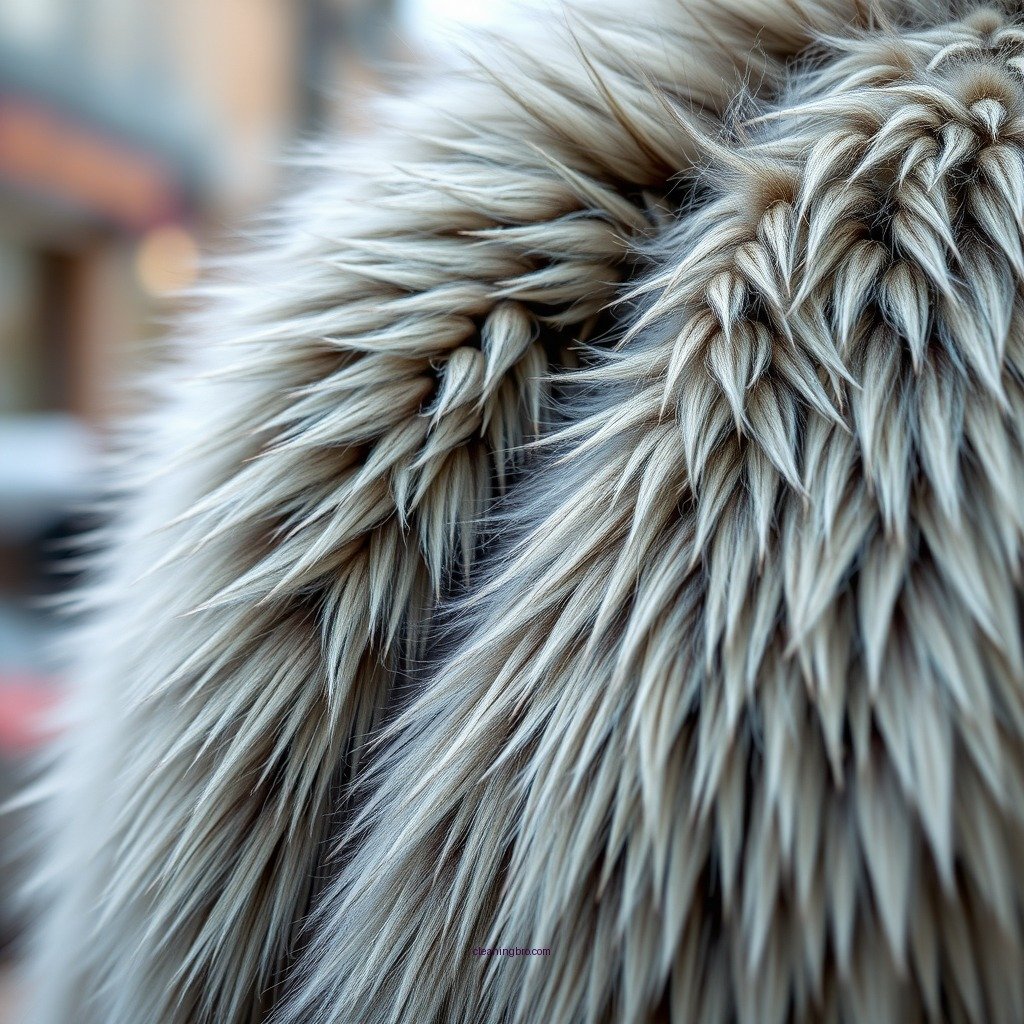
Different types of fur require different cleaning methods. Whether your coat is made from mink, fox, rabbit, or another type, understanding the material is crucial for proper care. Each type of fur has unique properties, which can affect how it reacts to cleaning agents and methods. For instance, mink fur is known for its softness and durability, while fox fur is more delicate and may require gentler handling.
Always refer to the care label instructions on your coat to determine any specific cleaning guidelines. These labels often provide valuable information on the recommended cleaning process and can help you avoid mistakes that might damage the fur.
Regular Maintenance Tips
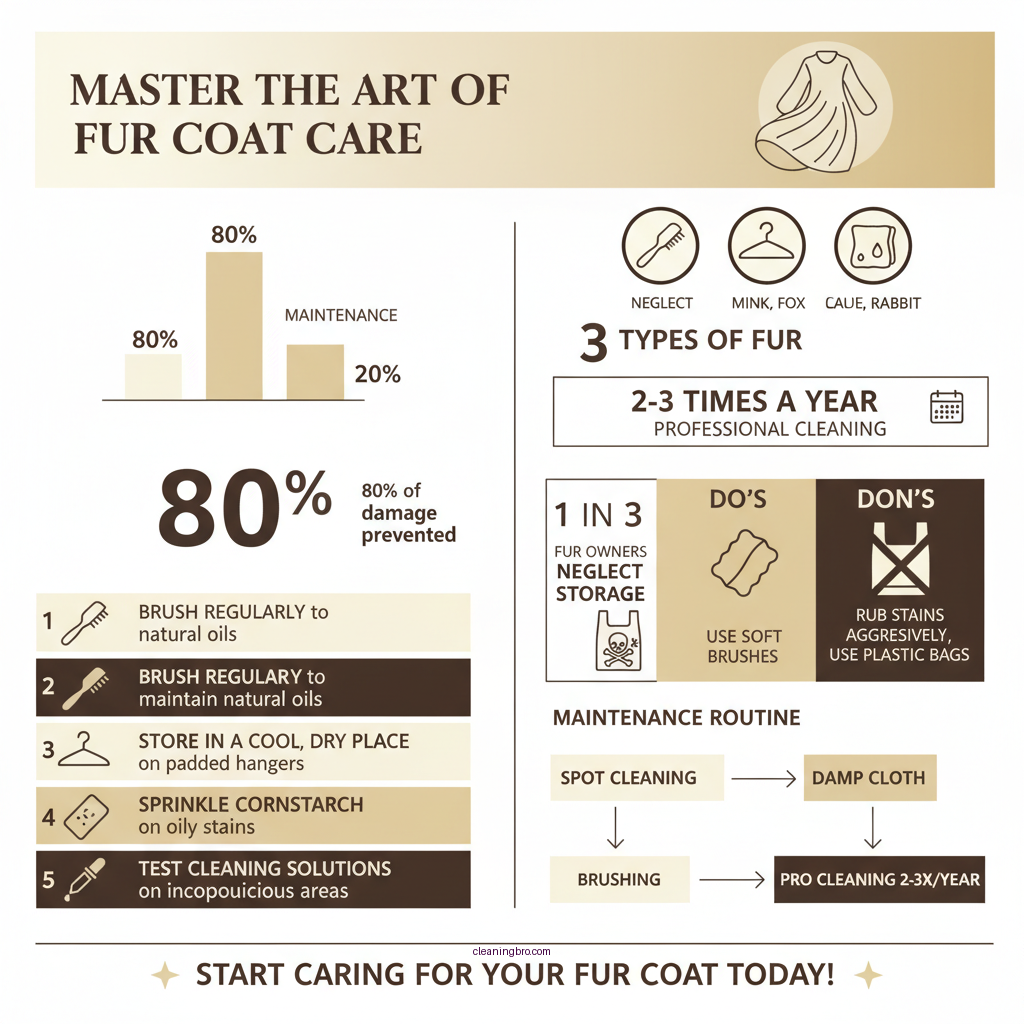
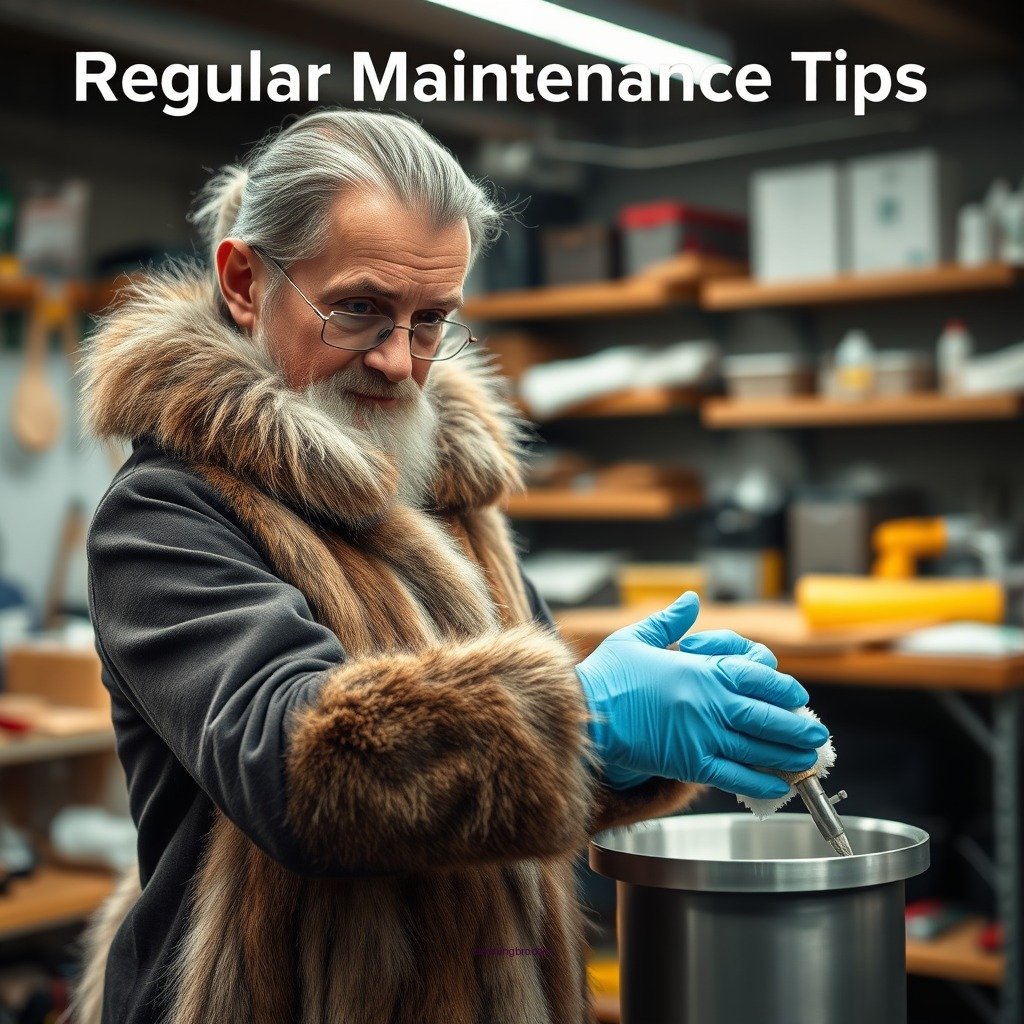
Regular maintenance is key to prolonging the life of your fur coat. Start by brushing your fur coat regularly with a soft-bristle brush. This helps to remove dust, dirt, and any debris that may have settled into the fur fibers. Brushing not only keeps the coat looking fresh but also helps maintain its natural oils, which are essential for keeping the fur soft and supple.
When it comes to storing your coat, choose a cool, dry place and hang it on a padded hanger. This prevents the coat from losing its shape and helps to avoid creases and folds that can lead to permanent damage. Additionally, never store your fur coat in plastic bags, as these can trap moisture and lead to mold growth.
Spot Cleaning Techniques
Accidents happen, and when they do, knowing how to perform spot cleaning can save your fur coat from permanent stains. Start by using a damp cloth to gently wipe away stains. Be careful to avoid rubbing the fur, as this can cause matting and damage to the fibers.
For oily stains, sprinkle cornstarch on the affected area. Cornstarch is effective at absorbing oil and can help lift the stain without damaging the fur. After letting it sit for a few hours, gently brush off the cornstarch with a soft-bristle brush.
For more stubborn stains, consider using a specialized fur cleaning solution, but always test it on a small, inconspicuous area first to ensure it doesn’t cause discoloration.
When to Use a Professional Cleaner
While minor cleaning can often be handled at home, some situations require professional attention. If your coat has extensive stains, odors, or if it has been exposed to moisture, it’s best to consult a professional fur cleaner. They have the expertise and specialized tools to clean and restore fur coats without causing damage.
When searching for a reputable fur cleaner, look for one who specializes in fur coats and has good reviews. A professional cleaner will not only clean your coat but can also provide necessary repairs and conditioning to keep your fur looking its best.
Seasonal Care Tips
Proper seasonal care is vital for maintaining your fur coat’s longevity. Before storing your coat at the end of the season, ensure it is cleaned to remove any dirt or oils that could cause damage over time. This helps prevent the growth of mold and mildew during storage.
For winter wear, consider applying a water-repellent spray specifically designed for fur. This can provide an extra layer of protection against moisture and help maintain the fur’s texture and appearance. Always follow the manufacturer’s instructions and test the spray on a small area first.
Storing Your Fur Coat Properly
Proper storage of your fur coat is essential for its longevity. Use a breathable garment bag instead of plastic to avoid moisture buildup, which can lead to mold and mildew. Ensure your coat is hung on a padded hanger to maintain its shape and avoid creases.
Avoid placing your coat in direct sunlight or near heat sources, as these can cause fading and drying. A cool, dark closet is ideal for storing fur coats, ensuring they remain in prime condition when the next season arrives.
Caring for Your Fur During Wear
When wearing your fur coat, it’s crucial to protect it from harsh chemicals, perfumes, or hairsprays that can damage the fibers. These substances can strip the fur of its natural oils, leading to a dry and brittle texture.
Additionally, protect your coat from rain and snow by using a fur-safe weather protector if you anticipate inclement weather. If your coat does get wet, gently dry it with a soft cloth and allow it to air dry naturally, away from direct heat sources.
Maintaining the beauty of your fur coat requires regular care and attention. By following these cleaning methods and tips, you can keep your fur looking luxurious for years to come. If you encounter any stubborn stains or issues, don’t hesitate to reach out to a professional cleaner to ensure your investment is well-preserved.
Top 7 Fur Types and Their Cleaning Methods
| # | Fur Type | Recommended Cleaning Method | Frequency |
|---|---|---|---|
| 1 | Mink | Professional Cleaning | Annually |
| 2 | Fox | Dry Cleaning | Bi-annually |
| 3 | Rabbit | Home Cleaning | As Needed |
| 4 | Sable | Professional Cleaning | Annually |
| 5 | Chinchilla | Dry Cleaning | Annually |
| 6 | Beaver | Professional Cleaning | Annually |
| 7 | Lynx | Home Cleaning | As Needed |
Common Fur Care Techniques Effectiveness
Best Fur Cleaning Methods: Home vs Professional
| Feature | ⭐ Home Cleaning | Professional Cleaning | Dry Cleaning |
|---|---|---|---|
| Cost | Low | High | Medium |
| Effectiveness | Good | Excellent | Good |
| Convenience | High | Medium | Medium |
| Time Required | Variable | Scheduled | Scheduled |
| Skill Level Needed | Low | High | Medium |
| Risks | Medium | Low | Medium |
| Longevity of Clean | Medium | Long | Medium |
| Special Treatments | ❌ | ✅ | ✅ |
| 🏆 Best For | Quick Touch-ups | Deep Cleaning | Maintenance |
By following these guidelines and tips, you can effectively clean and maintain your fur coat, ensuring it remains a timeless and luxurious piece in your wardrobe. Remember, the key to longevity lies in regular care, understanding your fur type, and knowing when to seek professional assistance. A well-cared-for fur coat not only enhances your style but also serves as a lasting investment.
Frequently Asked Questions
How do I properly clean a fur coat at home?
To clean a fur coat at home, first, use a soft brush to remove any dirt or dust. Next, hang the coat in a well-ventilated area to air it out. If there are stains, lightly dab them with a damp cloth and a gentle fur cleaner, avoiding any soaking or scrubbing that could damage the fur.
What is the best way to store a fur coat?
The best way to store a fur coat is to keep it in a cool, dry place away from direct sunlight. Use a breathable garment bag to protect it from dust and moisture, and avoid plastic bags, as they can trap humidity. Additionally, hang the coat on a sturdy hanger to maintain its shape.
Why should I avoid washing my fur coat in water?
You should avoid washing your fur coat in water because it can cause the fur to mat and lose its natural oils, leading to irreversible damage. Water can also affect the hide underneath the fur, compromising the coat’s structure and durability. Instead, opt for professional cleaning services that specialize in fur care.
Which products are safe for cleaning fur coats?
Safe products for cleaning fur coats include specialized fur cleaners and mild detergents designed for delicate fabrics. Always test any cleaning product on a small, inconspicuous area first to ensure it won’t harm the fur. It’s best to avoid harsh chemicals or products not specifically formulated for fur.
How often should I have my fur coat professionally cleaned?
You should have your fur coat professionally cleaned at least once a year, ideally at the end of the season before storing it. If you wear your coat frequently or notice any stains or odors, more frequent cleaning may be necessary. Professional cleaning helps maintain the coat’s luster and extends its lifespan.
References
- https://www.britannica.com/animal/fur
https://www.britannica.com/animal/fur - https://www.nytimes.com/2019/11/25/style/how-to-store-fur-coats.html
https://www.nytimes.com/2019/11/25/style/how-to-store-fur-coats.html - https://www.sciencedirect.com/topics/agricultural-and-biological-sciences/fur-coats
https://www.sciencedirect.com/topics/agricultural-and-biological-sciences/fur-coats - https://www.mayoclinic.org/diseases-conditions/healthy-lifestyle/adult-health/in-depth/fur-coats/art-20371144
https://www.mayoclinic.org/diseases-conditions/healthy-lifestyle/adult-health/in-depth/fur-coats/art-20371144 - https://scholar.google.com/scholar?q=cleaning+fur+coats Google Scholar
https://scholar.google.com/scholar?q=cleaning+fur+coats - https://scholar.google.com/scholar?q=fur+care+maintenance Google Scholar
https://scholar.google.com/scholar?q=fur+care+maintenance - https://scholar.google.com/scholar?q=how+to+clean+fur+garments Google Scholar
https://scholar.google.com/scholar?q=how+to+clean+fur+garments - https://scholar.google.com/scholar?q=how+to+clean+fur+coats Google Scholar
https://scholar.google.com/scholar?q=how+to+clean+fur+coats - https://en.wikipedia.org/wiki/Special:Search?search=how+to+clean+fur+coats
https://en.wikipedia.org/wiki/Special:Search?search=how+to+clean+fur+coats - https://www.ncbi.nlm.nih.gov/search/research-articles/?term=how+to+clean+fur+coats
https://www.ncbi.nlm.nih.gov/search/research-articles/?term=how+to+clean+fur+coats