How to Clean Gym Rubber Floors: A Step-by-Step Guide
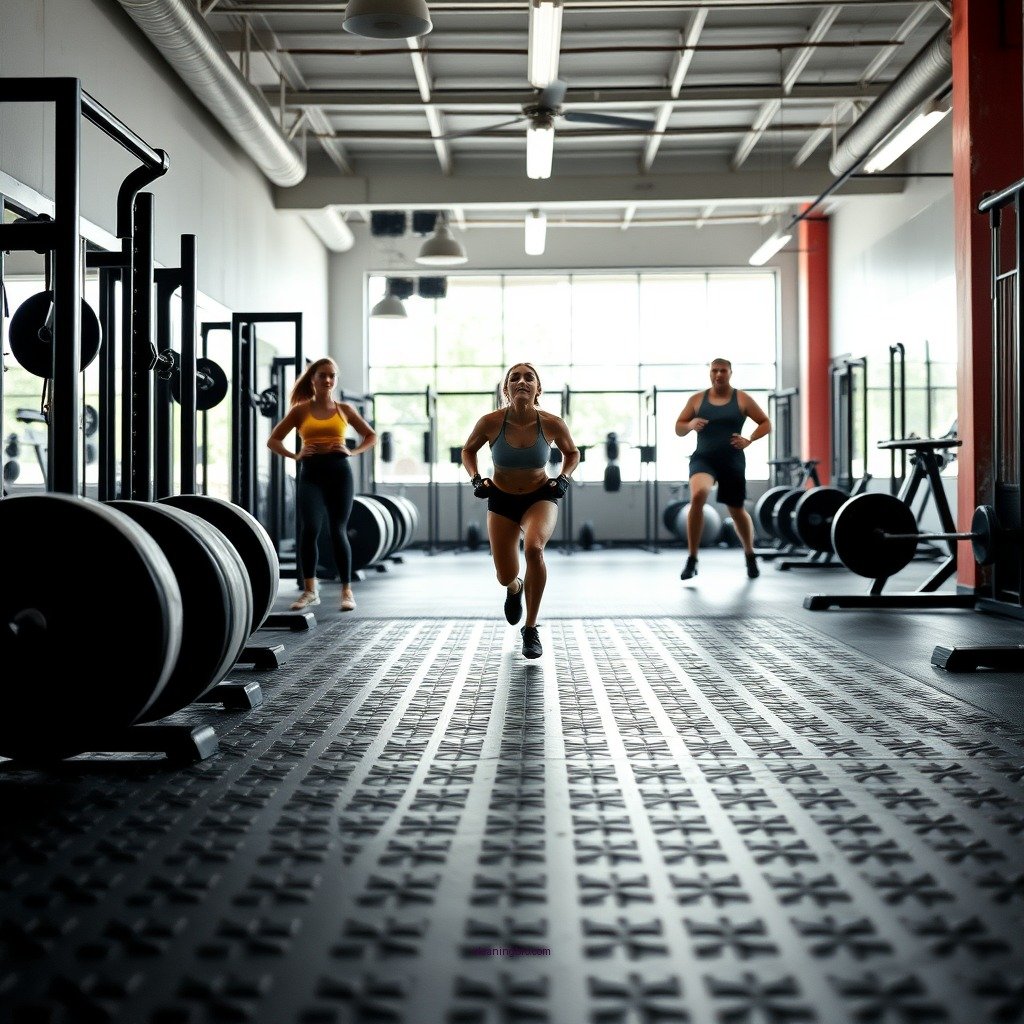
To effectively clean gym rubber floors, start by removing loose dirt and debris, then use a suitable cleaning solution to deep clean the surface. This guide will walk you through the best practices and techniques to keep your gym floors looking fresh and hygienic. Regular maintenance of gym rubber floors is essential not only for aesthetics but also for safety and longevity, ensuring that your facility remains welcoming and functional for all users.
Gather Necessary Supplies
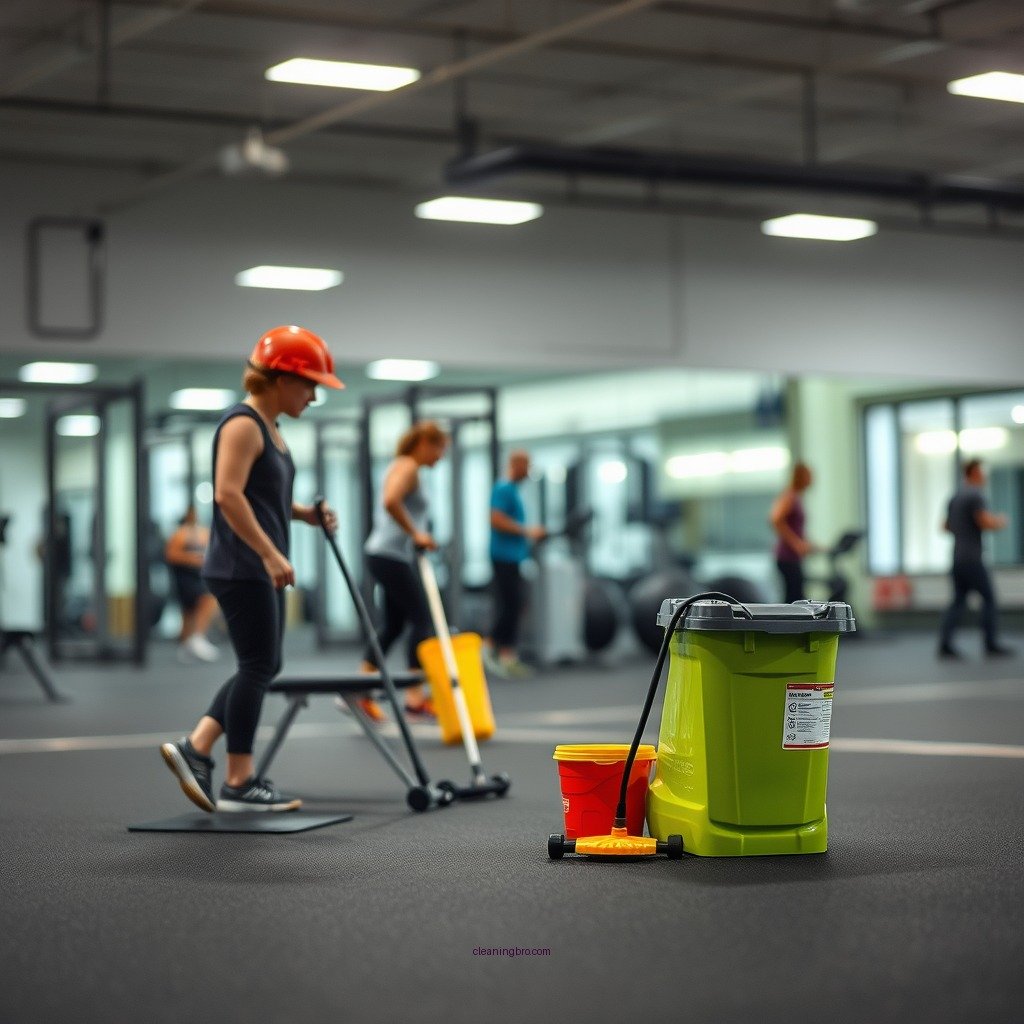
Before diving into the cleaning process, it’s crucial to gather all necessary supplies. This preparation will streamline your cleaning routine and ensure you have everything at your fingertips.
– Broom or Vacuum Cleaner: A broom is essential for sweeping away dust and debris, while a vacuum cleaner can effectively remove dirt from crevices and corners, ensuring a thorough clean.
– Mop and Bucket: A high-quality mop, preferably microfiber, will help in applying the cleaning solution evenly across the floor. A bucket is necessary for mixing your cleaning solution.
– Cleaning Solution: Choose a pH-neutral cleaner specifically designed for rubber flooring to avoid any damage to the surface.
– Soft Cloths or Rags: For any touch-ups or to wipe down areas post-cleaning.
– Protective Gear: Gloves and masks may be advisable to protect yourself from fumes and chemicals.
Choose the Right Cleaning Solution
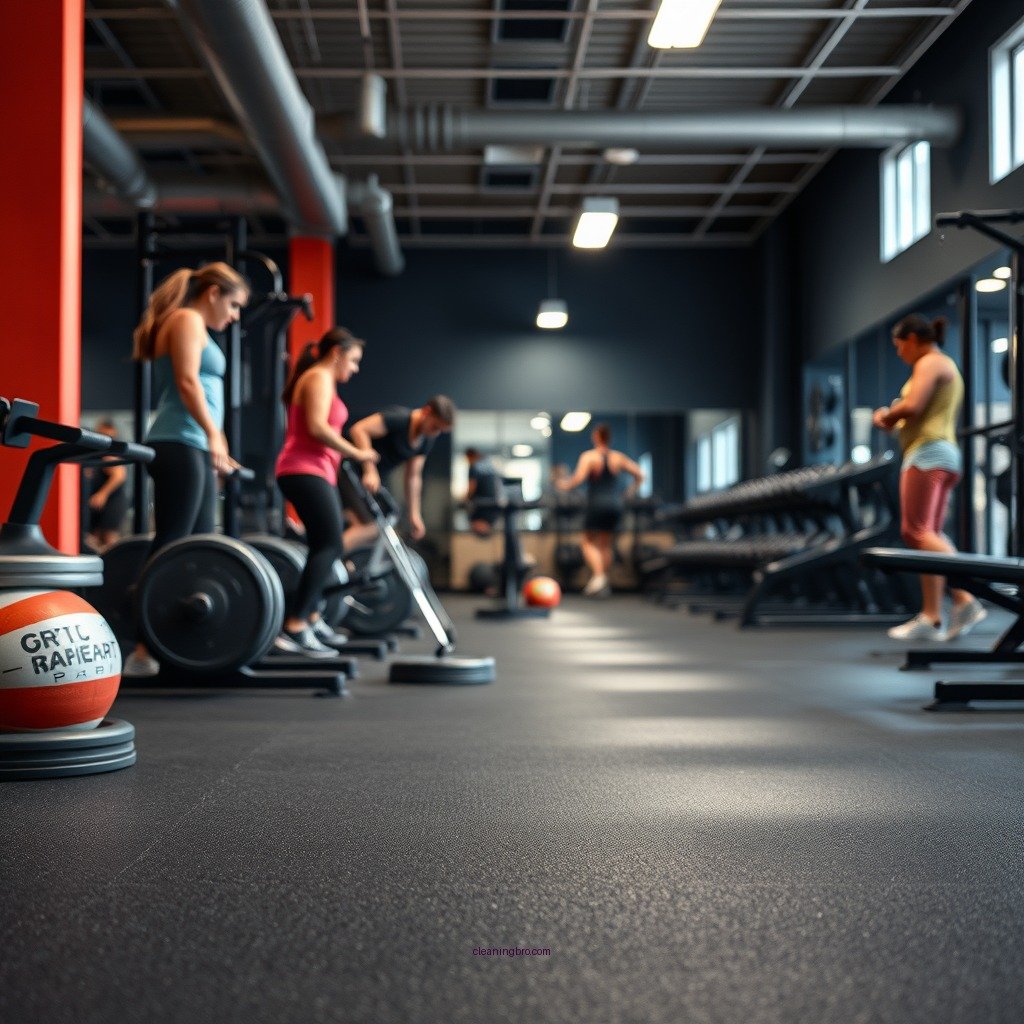
Selecting the right cleaning solution is critical when it comes to maintaining gym rubber floors.
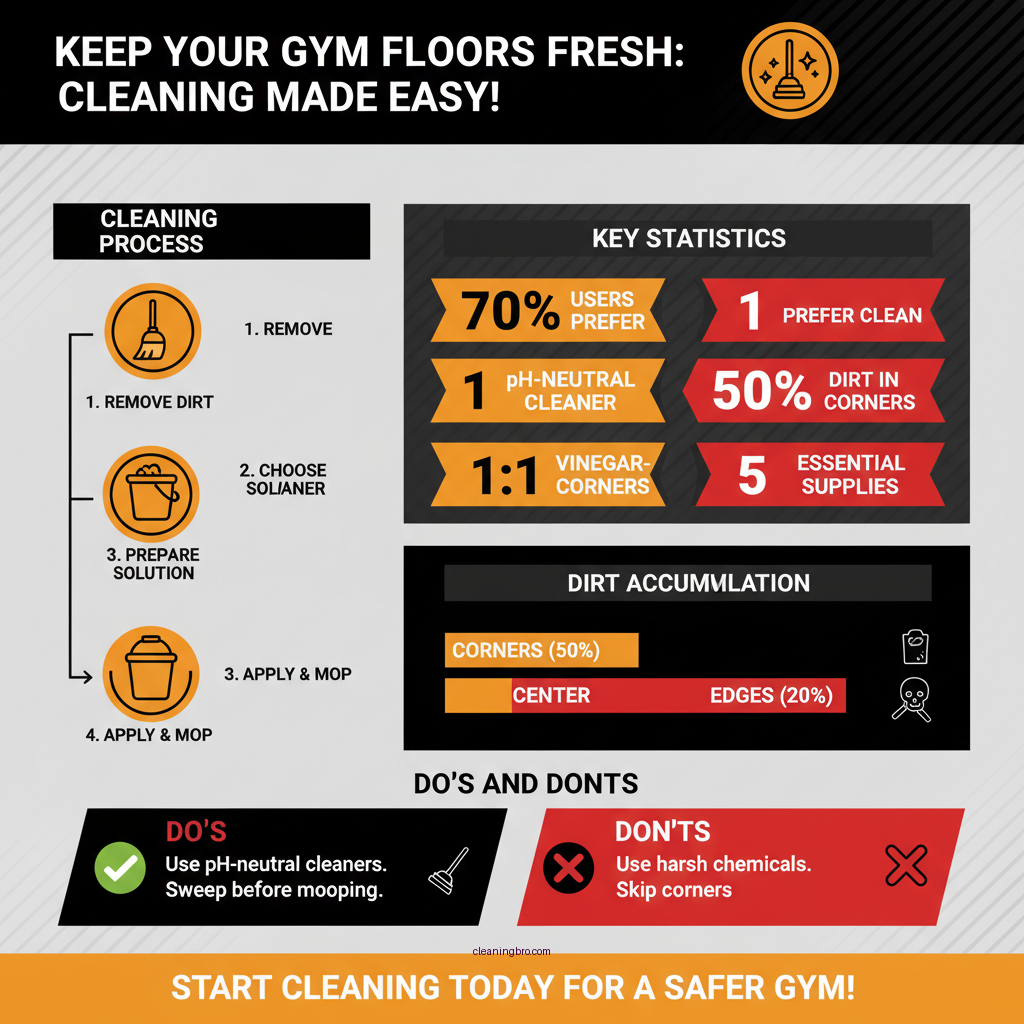
– pH-Neutral Cleaners: These cleaners are specifically formulated to be gentle on rubber, preventing any degradation or discoloration. Look for products labeled as safe for rubber flooring.
– Homemade Solutions: If you prefer a natural option, a mixture of vinegar and water (1:1 ratio) can effectively clean rubber floors without harsh chemicals. However, ensure that the vinegar is diluted properly to avoid any potential damage over time.
Sweep or Vacuum the Floors
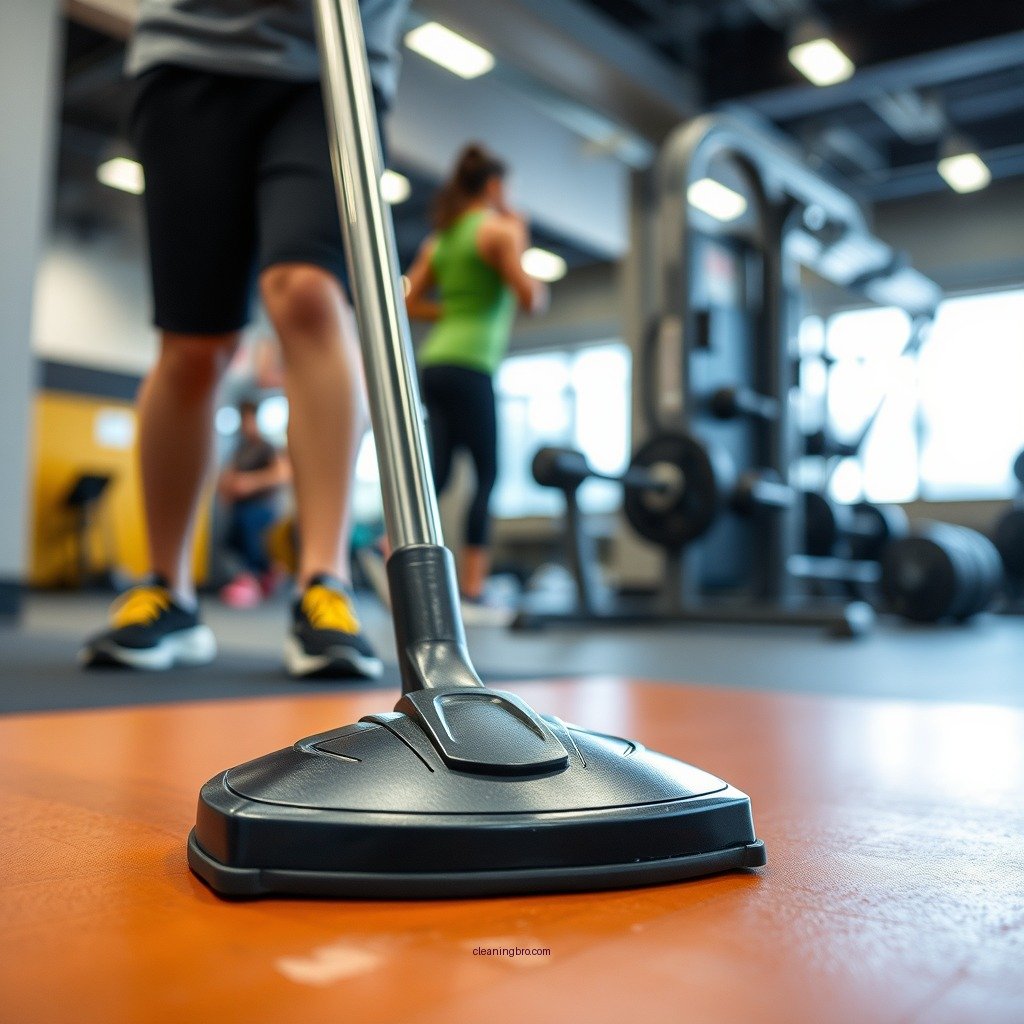
Before applying any cleaning solution, it’s essential to remove loose dirt and debris from the surface.
– Dirt Removal: Use a broom or vacuum cleaner to clear the gym floor of any dust, dirt, or debris. This step is crucial as it prevents scratching the surface when mopping.
– Focus on Corners and Edges: Ensure that you pay special attention to corners and edges, as these areas often accumulate dirt that can be overlooked. A vacuum attachment can be particularly useful for these tight spots.
Prepare the Cleaning Solution
Correctly preparing your cleaning solution is vital for effective cleaning.
– Mixing the Cleaner: Follow the instructions on the cleaning product label to ensure the right dilution. Generally, this involves mixing the cleaner with water in a bucket.
– Testing the Solution: Before proceeding with the entire gym floor, test the solution on a small, inconspicuous area. This precaution will help you confirm that the solution does not cause discoloration or damage to the rubber.
Mop the Floors
Now that you have prepared the cleaning solution, you can start mopping the floors.
– Damp Mop Application: Use a damp mop to apply the cleaning solution evenly across the floor. Avoid saturating the rubber, as excessive moisture can seep into seams and potentially cause mold or damage.
– Work in Sections: Divide the gym floor into sections, mopping one section at a time. This technique ensures thorough cleaning while preventing the pooling of the cleaning solution, which can lead to slippery surfaces.
Rinse and Dry the Floors
Rinsing the floor is a crucial step to remove any residual cleaning solution.
– Rinse with Clean Water: After mopping, use a separate mop or cloth dampened with clean water to rinse any remaining cleaning solution off the floor. This step will help prevent any slippery residue.
– Drying: Allow the floors to air dry naturally. Alternatively, for faster drying, use a dry mop to absorb excess moisture. Ensure the gym remains well-ventilated during this process to speed up drying time.
Maintain Regular Cleaning Schedule
Establishing a routine cleaning schedule is essential for maintaining the quality of gym rubber floors.
– Routine Cleaning: A weekly cleaning schedule is advisable, but high-traffic gyms may benefit from more frequent cleanings. Regular maintenance will prevent dirt build-up and prolong the life of the flooring.
– Spot Cleaning: Implement immediate spot cleaning procedures for spills or heavy usage areas. Quick action minimizes stains and ensures a hygienic environment.
Top 7 Cleaning Solutions for Rubber Floors (2024)
| # | Brand | Type | pH Level | Eco-Friendly |
|---|---|---|---|---|
| 1 | Simple Green | Liquid | 7.0 | ✅ |
| 2 | Zep Floor Stripper | Concentrate | 6.5 | ❌ |
| 3 | Diversey Taski | Liquid | 7.0 | ✅ |
| 4 | Rubber Floor Cleaner | Spray | 7.0 | ✅ |
| 5 | Eco-Organic | Liquid | 7.0 | ✅ |
| 6 | Armstrong Floor Cleaner | Liquid | 6.0 | ❌ |
| 7 | Nature’s Miracle | Liquid | 7.5 | ✅ |
Cleaning Effectiveness of Top Solutions for Rubber Floors
Top 3 Rubber Floor Cleaners: Feature Comparison
| Feature | ⭐ Simple Green | Diversey Taski | Eco-Organic |
|---|---|---|---|
| Price | $12.99 | $15.49 | $11.99 |
| Cleaning Type | Liquid | Liquid | Liquid |
| Eco-Friendly | ✅ | ✅ | ✅ |
| pH Level | 7.0 | 7.0 | 7.0 |
| Fragrance | Citrus | Fresh | None |
| Concentration | Ready-to-use | Concentrate | Ready-to-use |
| Streak-Free | ✅ | ✅ | ✅ |
| Recommended for | Rubber floors | General cleaning | Eco-friendly users |
| 🏆 Best For | General cleaning | Heavy-duty cleaning | Eco-conscious users |
Regular maintenance not only enhances the appearance of your gym rubber floors but also prolongs their lifespan, making your cleaning efforts worthwhile. By following this step-by-step guide, you can keep your gym space clean, safe, and inviting for all patrons. Start implementing these practices today to ensure a healthier gym environment for everyone!
Frequently Asked Questions
What is the best way to clean gym rubber flooring?
The best way to clean gym rubber flooring is to use a mixture of warm water and a mild detergent. Use a soft-bristle broom or a microfiber mop to apply the solution, ensuring you don’t saturate the floor. For tough stains, consider using a specialized rubber floor cleaner that is safe for your flooring type.
How often should I clean my gym rubber floor?
You should clean your gym rubber floor at least once a week to maintain its appearance and hygiene. High-traffic areas may require more frequent cleaning, especially if sweat and dirt accumulate. Regular maintenance not only enhances the floor’s longevity but also provides a safer workout environment.
Why is it important to use a specific cleaner for rubber gym floors?
It is important to use a specific cleaner for rubber gym floors because harsh chemicals can damage the rubber material, leading to deterioration and discoloration. Specialized cleaners are formulated to effectively remove dirt and grime while preserving the integrity and appearance of the flooring, ensuring it remains safe and functional.
Which tools are best for cleaning gym rubber flooring?
The best tools for cleaning gym rubber flooring include a soft-bristle broom, a microfiber mop, and a bucket for mixing your cleaning solution. For deeper cleaning, a floor scrubber with soft pads can be effective. Avoid using abrasive tools, as they can scratch the surface and cause lasting damage.
How can I remove stubborn stains from my gym rubber floor?
To remove stubborn stains from your gym rubber floor, first try using a mixture of vinegar and water or a dedicated rubber floor cleaner. Apply the solution directly to the stain and let it sit for a few minutes before scrubbing gently with a soft brush. For persistent stains, you may need to repeat the process or consult the manufacturer’s cleaning guidelines.
References
- https://www.nytimes.com/2020/05/25/health/cleaning-gyms-coronavirus.html
https://www.nytimes.com/2020/05/25/health/cleaning-gyms-coronavirus.html - https://www.cdc.gov/coronavirus/2019-ncov/community/disinfecting-building-facility.html
https://www.cdc.gov/coronavirus/2019-ncov/community/disinfecting-building-facility.html - https://www.health.harvard.edu/staying-healthy/how-to-clean-and-disinfect-your-home
https://www.health.harvard.edu/staying-healthy/how-to-clean-and-disinfect-your-home - https://www.researchgate.net/publication/335225843_Cleaning_and_disinfecting_in_the_time_of_COVID-19
https://www.researchgate.net/publication/335225843_Cleaning_and_disinfecting_in_the_time_of_COVID-19 - https://www.sciencedirect.com/science/article/abs/pii/S0273122319303490
https://www.sciencedirect.com/science/article/abs/pii/S0273122319303490 - https://www.pubmed.ncbi.nlm.nih.gov/33878942/
https://www.pubmed.ncbi.nlm.nih.gov/33878942/ - https://scholar.google.com/scholar?q=clean+gym+rubber+floor Google Scholar
https://scholar.google.com/scholar?q=clean+gym+rubber+floor - Google Scholar Google Scholar
https://scholar.google.com/scholar?q=cleaning+gym+floors+disinfection - https://scholar.google.com/scholar?q=maintenance+of+rubber+flooring+in+gyms Google Scholar
https://scholar.google.com/scholar?q=maintenance+of+rubber+flooring+in+gyms - Google Scholar Google Scholar
https://scholar.google.com/scholar?q=how+to+clean+gym+rubber+floor