
How to Clean Ivory Piano Keys: A Simple Guide
Cleaning ivory piano keys is straightforward and requires only a few gentle techniques. To maintain their beauty and integrity, you should avoid harsh chemicals and instead use a soft cloth, mild soap, and water. In this article, you’ll learn the best methods to safely clean your ivory piano keys without damaging them.
Understanding Ivory Piano Keys
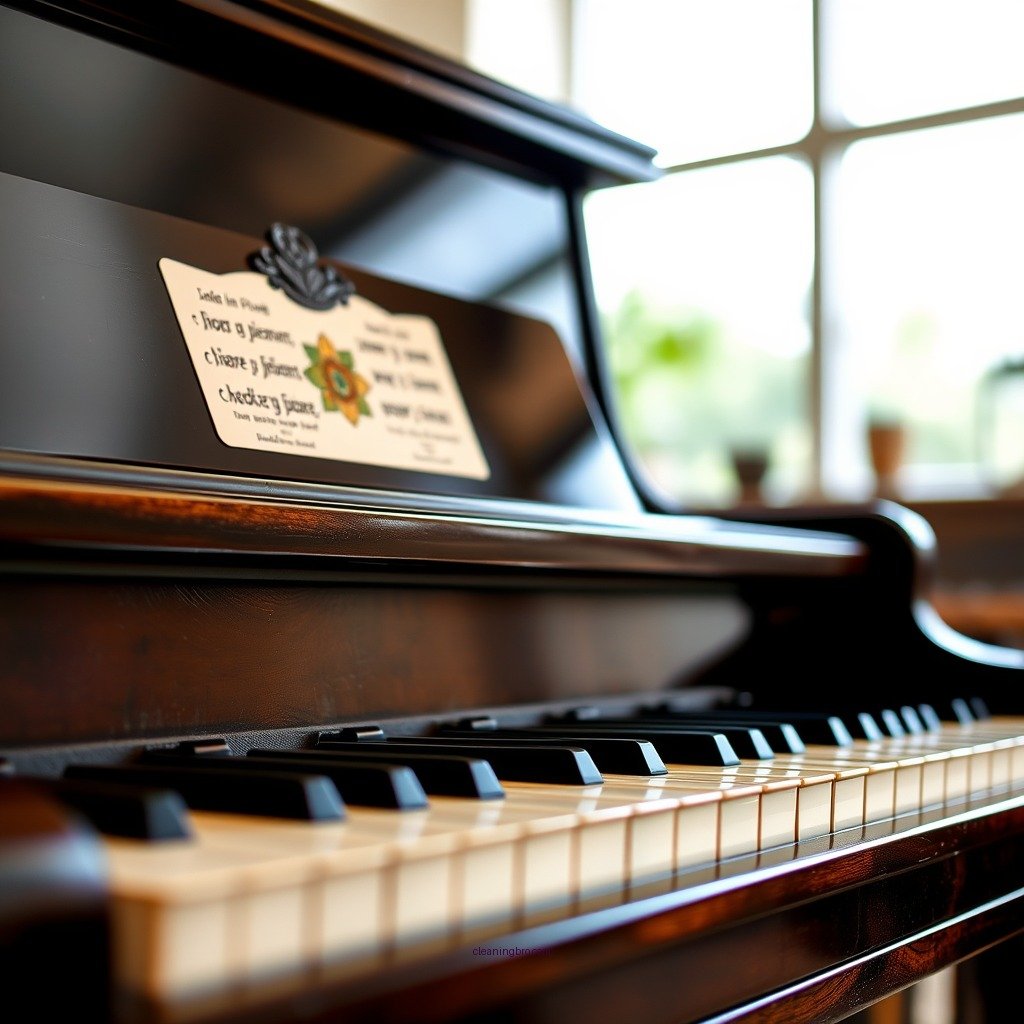
Ivory piano keys are not just beautiful; they are also a delicate material that requires special care. The porous nature of ivory means it can absorb dirt, oils, and moisture from the environment, which can lead to discoloration and degradation over time. This makes regular cleaning and maintenance essential to preserve both the aesthetics and longevity of your piano keys. Additionally, because ivory is an organic material, it can be susceptible to scratches and stains, which reinforces the need for a gentle cleaning approach.
By understanding the unique properties of ivory keys, you can develop a cleaning routine that not only keeps them looking pristine but also safeguards their structural integrity. Regular upkeep ensures that your piano not only sounds great but also looks beautiful, enhancing the overall experience of playing.
Tools You Will Need

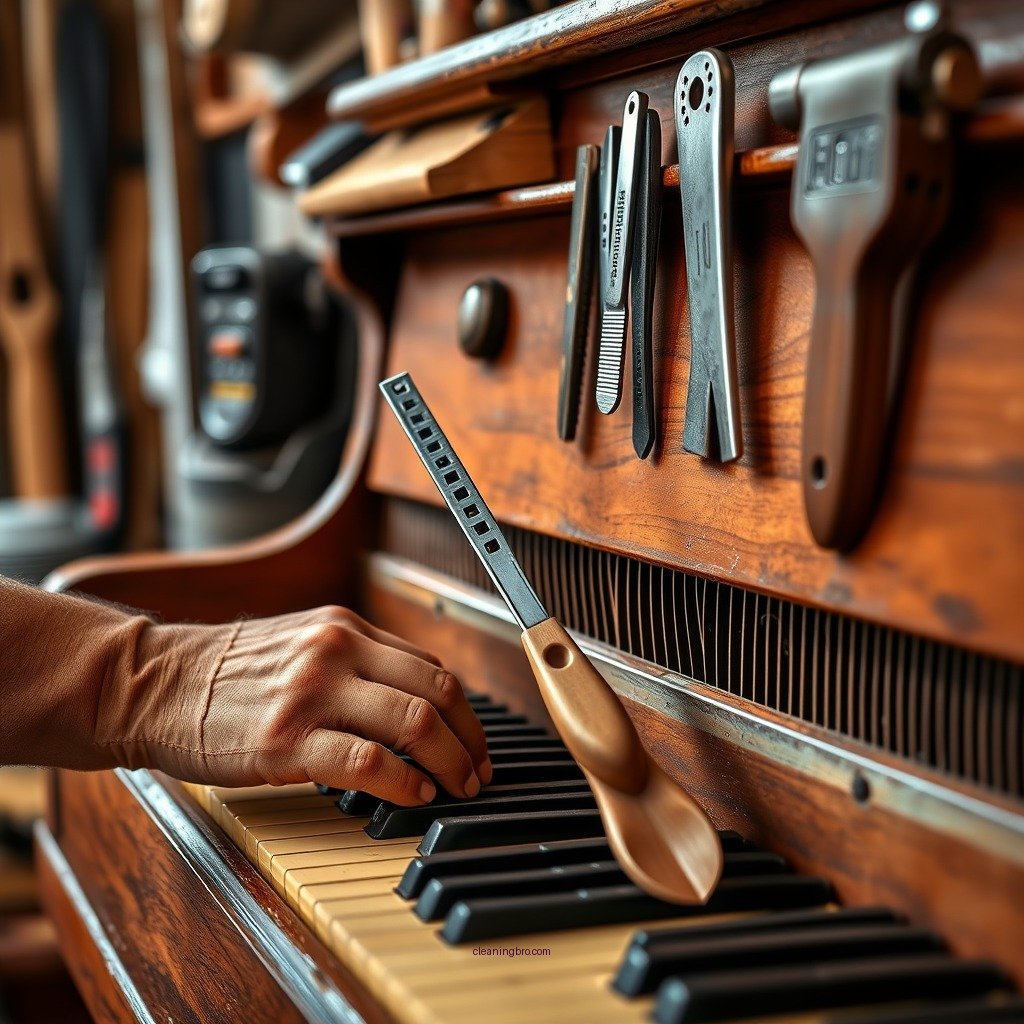
To effectively clean your ivory piano keys, gather the following tools:
– Soft, lint-free cloths: These are essential for gentle cleaning without scratching the surface. Microfiber cloths are an excellent option as they are soft and absorbent.
– Mild soap or specialized piano key cleaner: Look for a non-abrasive soap specifically designed for delicate surfaces or a cleaner formulated for piano keys. Avoid harsh chemicals that could damage the ivory.
– Distilled water: Using distilled water prevents mineral buildup that can occur with tap water, helping to keep the keys free from stains and residues.
Having these tools on hand will streamline your cleaning process and ensure you are using safe materials that won’t harm your beautiful ivory keys.
Step-by-Step Cleaning Process
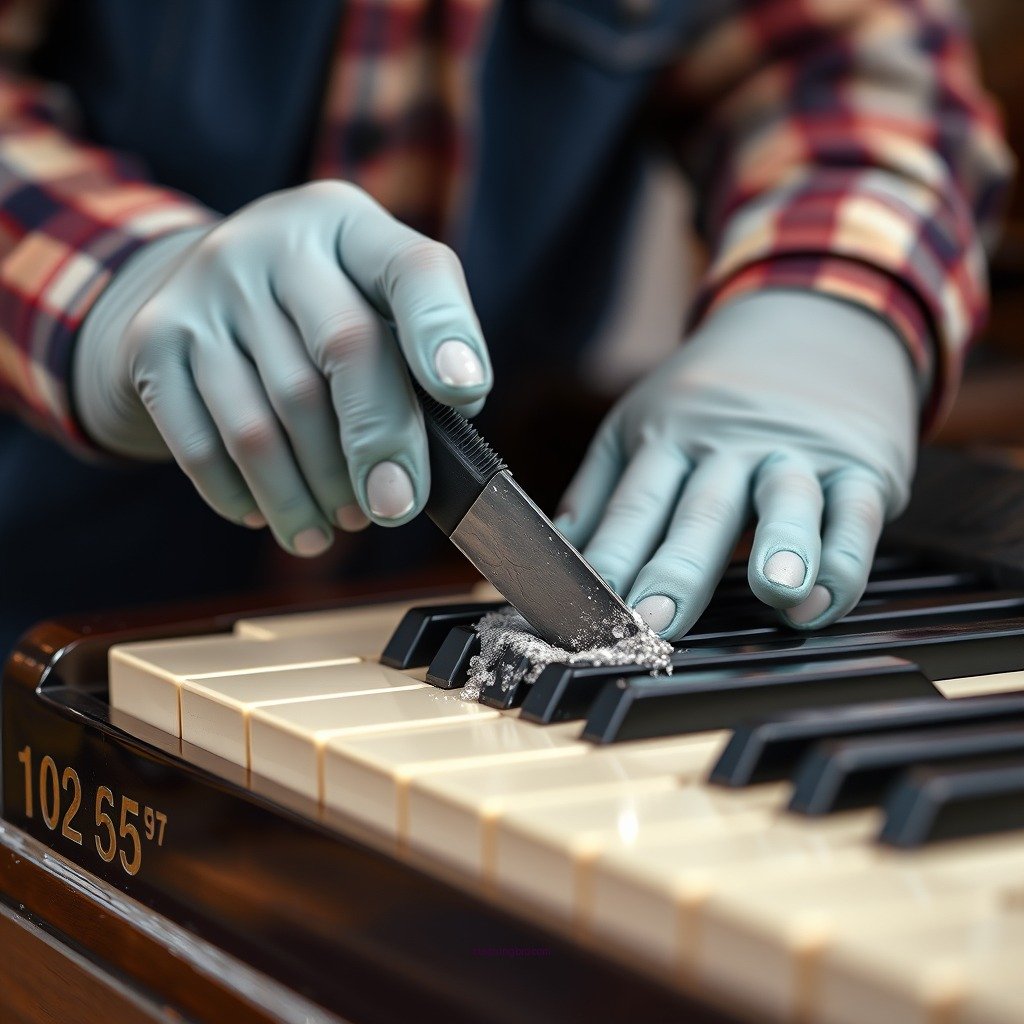
Cleaning your ivory keys requires a careful approach. Here’s a simple step-by-step guide:
1. Prepare the Cleaning Solution: In a bowl, mix a drop of mild soap with a small amount of distilled water. The mixture should be light and soapy but not overly wet.
2. Dampen the Cloth: Take one of your soft cloths and dampen it slightly with the soapy water mixture. Ensure the cloth is not soaking wet; excess water can seep into the keys and cause damage.
3. Wipe the Keys Gently: Starting from one end of the keyboard, gently wipe the keys with the damp cloth. Always follow the natural grain of the ivory as you clean. This helps prevent scratches and ensures that you are removing dirt effectively.
4. Dry the Keys: After cleaning, immediately follow up with a dry, lint-free cloth to remove any moisture. This step is crucial to prevent water damage or warping of the keys.
5. Regular Maintenance: Incorporate this cleaning routine into your piano care regimen, ideally once a month or as needed, depending on usage.
By following these steps, you can maintain the shine and integrity of your ivory keys, keeping them beautiful for years to come.
Dealing with Stubborn Stains
Occasionally, you may encounter stubborn stains that require a bit more effort to remove. For tough stains, consider using a baking soda paste:
1. Create the Paste: In a small bowl, mix baking soda with just enough distilled water to create a thick paste.
2. Apply the Paste Sparingly: Using a soft cloth, apply the paste to the stained area. Be careful not to apply too much pressure, as this can scratch the surface.
3. Buff it Out: After letting the paste sit for a few minutes, gently buff the area with a clean, dry cloth. You should see the stain lifting away.
4. Final Wipe: Finish by wiping the area with a damp cloth to remove any residual baking soda, followed by drying the keys immediately.
This method is effective for removing more persistent stains while ensuring that the ivory is not damaged in the process.
Preventative Care Tips
Prevention is always better than cure, especially when it comes to maintaining your ivory piano keys. Here are some tips to help you avoid buildup and damage:
– Regular Dusting: Frequently dust the keys with a soft cloth to prevent dirt and grime from accumulating. This simple action can significantly reduce the need for deep cleaning.
– Controlled Environment: Keep your piano in a stable environment with controlled temperature and humidity levels. Extreme conditions can cause the ivory to crack or warp. Ideally, the humidity should be kept between 40-60%, and temperatures should remain moderate.
– Covering the Piano: When not in use, cover your piano with a soft, breathable cloth to protect it from dust and debris. This simple step can prolong the life of your ivory keys.
By implementing these preventative measures, you can minimize the risk of damage and maintain the beauty of your ivory keys over time.
When to Seek Professional Help
While regular cleaning and maintenance can keep your ivory piano keys in good condition, there are times when professional help is necessary:
– Heavy Discoloration: If your keys have become significantly discolored or stained despite your best cleaning efforts, consult a professional piano technician who specializes in ivory restoration.
– Physical Damage: In cases where keys are chipped, cracked, or warped, professional restoration is crucial. Attempting to fix this yourself can lead to further damage.
– Routine Maintenance Checks: Consider scheduling regular maintenance with a technician to ensure that your piano is in optimal condition. They can also provide valuable insights and services to keep your instrument sounding its best.
Investing in professional care can not only restore the beauty of your ivory keys but also extend the life of your entire piano.
Top 7 Piano Key Cleaning Products (2024)
| # | Product Name | Type | Price | Effectiveness |
|---|---|---|---|---|
| 1 | KeyBright Cleaner | Liquid | $12.99 | ★★★★☆ |
| 2 | IvoryCare Wipes | Wipes | $8.99 | ★★★★★ |
| 3 | PianoKey Polish | Polish | $15.50 | ★★★★☆ |
| 4 | Gentle Ivory Clean | Spray | $10.50 | ★★★☆☆ |
| 5 | Piano Key Renew | Liquid | $14.99 | ★★★★☆ |
| 6 | Eco-Friendly Key Cleaner | Liquid | $11.75 | ★★★★★ |
| 7 | PianoKey Cleaner Kit | Kit | $19.99 | ★★★★☆ |
Effectiveness of Different Key Cleaning Methods
Best Piano Key Cleaners: A Comprehensive Comparison
| Feature | ⭐ KeyBright Cleaner | IvoryCare Wipes | PianoKey Polish |
|---|---|---|---|
| Type | Liquid | Wipes | Polish |
| Ease of Use | ✅ Easy to apply | ✅ Convenient | ✅ Requires buffing |
| Price | $12.99 | $8.99 | $15.50 |
| Effectiveness | ★★★★☆ | ★★★★★ | ★★★★☆ |
| Surface Compatibility | Ivory & Plastic | Ivory | Ivory |
| Fragrance | Mild | Fresh | None |
| Residue Left Behind | ❌ None | ✅ None | ❌ Buffing required |
| Eco-Friendly | ✅ Yes | ✅ Yes | ❌ No |
| Safe for All Keys | ✅ Yes | ✅ Yes | ✅ Yes |
| 🏆 Best For | General Cleaning | Quick & Easy Use | Deep Cleaning |
Maintaining the beauty of your ivory piano keys is essential for both aesthetics and functionality. By following these simple cleaning and care tips, you can ensure your piano remains in excellent condition. Regular cleaning, preventative care, and knowing when to seek professional help will not only extend the life of your ivory keys but also enhance your overall playing experience. Remember that your piano is an investment, and with the right care, it can bring joy for generations to come.
Frequently Asked Questions
How do I safely clean ivory piano keys without damaging them?
To safely clean ivory piano keys, use a soft, lint-free cloth slightly dampened with a mixture of distilled water and a few drops of mild dish soap. Gently wipe the keys from back to front, avoiding any excessive moisture that could seep into the piano. Always dry the keys immediately with a separate cloth to prevent water damage.
What products should I avoid when cleaning ivory piano keys?
When cleaning ivory piano keys, avoid using harsh chemicals, ammonia-based cleaners, or any abrasive materials that could scratch the surface. Products like vinegar or baking soda can also be too harsh and may cause discoloration or damage. Stick to gentle, pH-neutral cleaning solutions specifically designed for delicate surfaces.
Why do ivory piano keys turn yellow, and how can I prevent this?
Ivory piano keys can turn yellow due to exposure to UV light, dirt, and oils from fingers over time. To prevent yellowing, keep your piano away from direct sunlight and regularly dust the keys with a soft cloth. Additionally, consider using a protective cover when the piano is not in use to minimize exposure to environmental factors.
What is the best method for polishing ivory piano keys?
The best method for polishing ivory piano keys involves using a specially formulated piano key polish or a mixture of equal parts water and isopropyl alcohol. Apply the polish with a soft cloth, buffing gently in a circular motion to restore shine. Always test any polish on a small, inconspicuous area first to ensure it doesn’t damage the ivory.
Which tools are essential for cleaning and maintaining ivory piano keys?
Essential tools for cleaning and maintaining ivory piano keys include a soft microfiber cloth, a gentle piano key cleaning solution, and a soft-bristled brush for dust removal. Additionally, having a piano cover can help protect the keys from dust and sunlight when the instrument is not in use, ensuring long-lasting cleanliness and preservation.
References
- Piano
https://en.wikipedia.org/wiki/Piano - Piano | Definition, History, Types, & Facts | Britannica
https://www.britannica.com/technology/piano - https://www.nytimes.com/2021/01/05/arts/music/piano-maintenance.html
https://www.nytimes.com/2021/01/05/arts/music/piano-maintenance.html - https://www.sciencedirect.com/topics/engineering/piano-key
https://www.sciencedirect.com/topics/engineering/piano-key - https://www.arts.gov/publications/piano-cleaning-and-care
https://www.arts.gov/publications/piano-cleaning-and-care - https://www.pianoworld.com/forum/ubbthreads.php/topics/1680685/piano-key-cleaning.html
https://www.pianoworld.com/forum/ubbthreads.php/topics/1680685/piano-key-cleaning.html - Google Scholar Google Scholar
https://scholar.google.com/scholar?q=cleaning+ivory+piano+keys - Google Scholar Google Scholar
https://scholar.google.com/scholar?q=piano+maintenance+ivory+keys - Google Scholar Google Scholar
https://scholar.google.com/scholar?q=ivory+piano+keys+cleaning+methods - Google Scholar Google Scholar
https://scholar.google.com/scholar?q=how+to+clean+ivory+piano+keys