
How to Clean Ivory Piano Keys: A Simple Guide
Cleaning ivory piano keys requires a gentle touch and the right materials to preserve their beauty and integrity. In this article, you will learn effective methods for cleaning and maintaining your ivory keys without causing damage, ensuring they remain a stunning feature of your instrument for years to come.
Understanding Ivory Piano Keys

Ivory is a delicate material sourced from the tusks of elephants and has been used for centuries in piano manufacturing due to its smoothness and aesthetic appeal. However, the very qualities that make ivory desirable also mean it is susceptible to scratching, staining, and degradation over time. Therefore, understanding the specific care requirements for ivory keys is crucial for maintenance.
Ivory piano keys can yellow with age, develop surface cracks, and become discolored if they are not properly cared for. Environmental factors such as humidity, temperature fluctuations, and exposure to sunlight can accelerate this degradation. Thus, when cleaning ivory piano keys, it is vital to use gentle techniques and appropriate materials that will not compromise their integrity.
Essential Cleaning Supplies


To clean ivory piano keys effectively, you will need to gather a few essential supplies:
1. Soft, Lint-Free Cloth: This type of cloth is crucial for avoiding scratches on the delicate surface of ivory. Microfiber cloths are often recommended due to their softness and ability to attract dirt without causing damage.
2. Mild Soap or Specialized Piano Cleaner: A gentle soap solution or a cleaner specifically formulated for pianos can help remove dirt and grime without harming the ivory. Avoid harsh chemicals and abrasive cleaners, as they can damage the surface of the keys.
3. Distilled Water: Regular tap water can contain minerals and chemicals that may leave streaks or deposits on the ivory. Distilled water is free from these impurities, making it a safer choice for cleaning.
4. Baking Soda: For tougher stains, a baking soda paste can be effective. However, it should be used sparingly and with caution.
Step-by-Step Cleaning Process
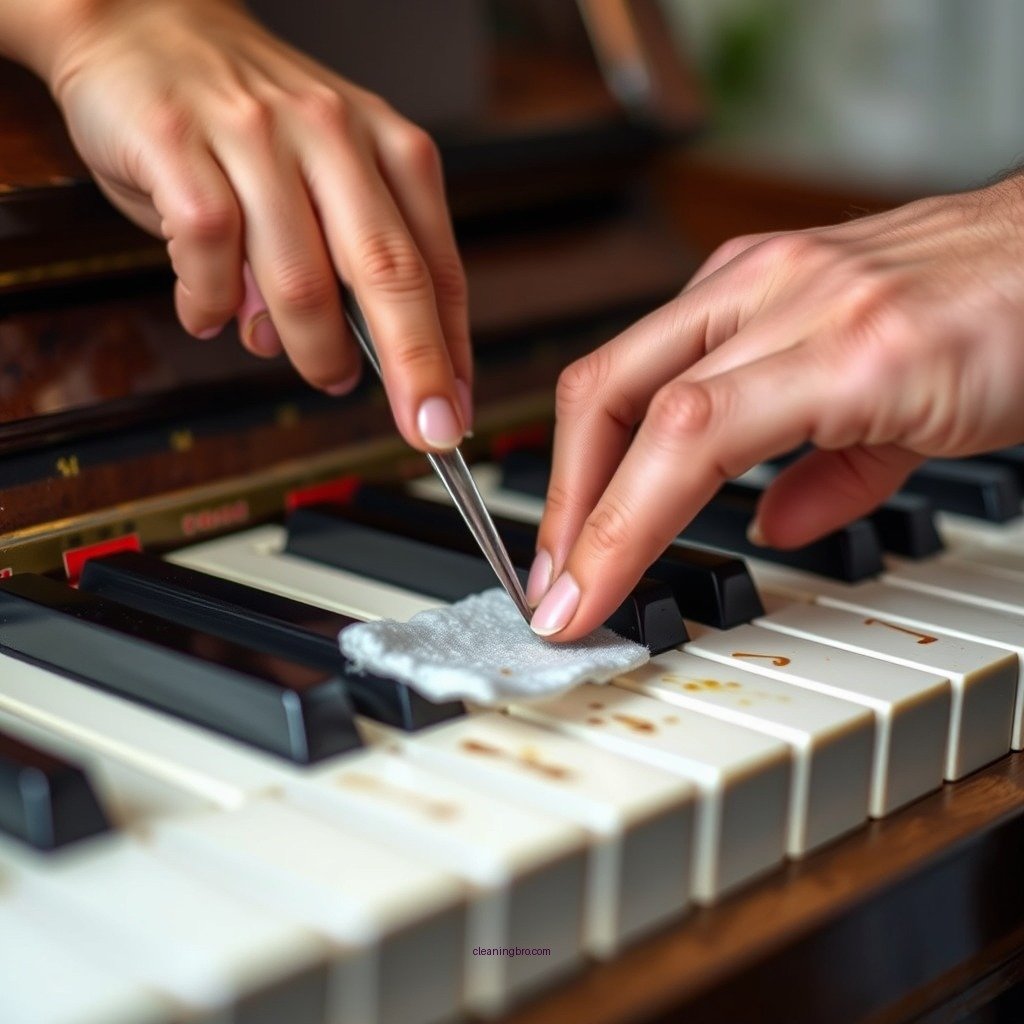
The cleaning process for ivory piano keys should be approached with care. Here’s a step-by-step guide:
1. Prepare the Cleaning Solution: Mix a small amount of mild soap in distilled water, ensuring that the solution is very diluted. If using a specialized piano cleaner, follow the manufacturer’s instructions.
2. Dampen the Cloth: Lightly dampen your lint-free cloth with the cleaning solution. Be careful not to soak the cloth; excess moisture can seep into the piano’s internal mechanisms and cause damage.
3. Wipe the Keys: Starting from the back of the key and moving to the front, gently wipe each key. This technique minimizes the risk of liquid running toward the piano’s inner workings. Use a light touch to avoid scratching the ivory surface.
4. Dry the Keys: After wiping each key, immediately follow with a dry portion of the cloth to remove any remaining moisture.
5. Regular Cleaning Routine: Aim to clean your piano keys regularly, as maintenance is key to preventing dirt buildup and prolonging the life of the ivory.
Dealing with Stains and Discoloration
Stains and discoloration can occur on ivory keys over time, often due to oils from fingers, spills, or environmental factors. Here’s how to address these issues:
1. Baking Soda Paste: For tougher stains, create a paste using baking soda and a small amount of water. Apply this paste sparingly to the stained area, using a soft cloth to gently rub it in.
2. Immediate Wipe-Off: After applying the paste, promptly wipe it off with a damp cloth to prevent residue from building up. Ensure the area is completely dry afterward.
3. Regular Monitoring: Keep an eye on your ivory keys for any signs of discoloration, and address them quickly to avoid permanent damage.
4. Avoiding DIY Chemicals: Steer clear of DIY cleaning solutions that include vinegar, lemon juice, or other acidic substances, as these can harm the ivory.
Regular Maintenance Tips
Maintaining ivory piano keys involves more than just cleaning. Here are some essential tips for regular maintenance:
1. Dust Regularly: Use a soft cloth to dust the keys daily or weekly to prevent dirt accumulation that can lead to stains.
2. Control the Environment: Keep your piano in a stable environment with controlled humidity and temperature. Aim for a humidity level between 40-60% to minimize expansion and contraction of the ivory.
3. Avoid Direct Sunlight: Position your piano away from direct sunlight to prevent yellowing and damage due to UV exposure.
4. Use a Piano Cover: When the piano is not in use, cover it with a soft piano cover to protect it from dust and environmental factors.
5. Routine Professional Inspections: Schedule regular inspections and cleanings by a professional piano technician, especially if your piano is older or has not been maintained in a while.
When to Seek Professional Help
While regular cleaning can be performed by most piano owners, there are instances when professional help is advisable:
1. Severe Stains or Damage: If your ivory keys exhibit significant stains, cracks, or discoloration that you cannot address with basic cleaning, a piano technician can provide specialized treatment.
2. Restoration Needs: For pianos that have been in storage or have significant wear, professional restoration might be necessary to return the keys to their original condition.
3. Regular Professional Cleanings: Consider scheduling a professional cleaning every few years. This service can help extend the lifespan of your piano and ensure it remains in optimal playing condition.
Maintaining the beauty of ivory piano keys is essential for both aesthetics and longevity. By following these cleaning tips and practices, you can keep your keys looking pristine. Consider implementing a regular cleaning schedule and don’t hesitate to reach out to professionals for deeper care when needed.
Top 7 Ivory Piano Brands and Their Cleaning Recommendations (2024)
| # | Brand | Key Material | Recommended Cleaner | Cleaning Frequency |
|---|---|---|---|---|
| 1 | Steinway & Sons | Ivory | Mild soap and water | Weekly |
| 2 | Yamaha | Ivory | Specialized piano cleaner | Monthly |
| 3 | Kawai | Ivory | Mild soap solution | Bi-weekly |
| 4 | Bosendorfer | Ivory | Specialized cleaner | Yearly |
| 5 | Fazioli | Ivory | Mild soap and water | Monthly |
| 6 | Schimmel | Ivory | Specialized piano cleaner | Every 3 months |
| 7 | Petrof | Ivory | Mild soap solution | Bi-weekly |
Best Practices for Cleaning Ivory Piano Keys
| Feature | ⭐ Regular Cleaning | Deep Cleaning | Professional Help |
|---|---|---|---|
| Frequency | Weekly | Every 6 months | Annually |
| Cleaning Method | Soft cloth + mild soap | Baking soda paste | Specialized tools |
| Damage Risk | Low | Medium | High |
| Ease of Execution | Easy | Moderate | Difficult |
| Equipment Needed | None | Baking soda | Special tools |
| Ideal for | Regular users | Occasional users | All users |
| Time Required | 5-10 mins | 15-30 mins | 1-2 hours |
| Cost | Free | Low | High |
| 🏆 Best For | Everyday users | Heavy users | Occasional users |
By adhering to these guidelines and methods, you can ensure the longevity and beauty of your ivory piano keys. Regular maintenance not only enhances the appearance of your instrument but also improves its performance and sound quality, making it a joy to play for years to come.
Frequently Asked Questions
How do I safely clean ivory piano keys without damaging them?
To safely clean ivory piano keys, start by using a soft, lint-free cloth slightly dampened with a mixture of distilled water and mild soap. Gently wipe the keys in a straight motion, avoiding excessive moisture, and dry them immediately with another soft cloth to prevent water damage.
What household items can I use to clean my ivory piano keys?
You can use a mixture of distilled water and white vinegar or a few drops of mild dish soap in water as effective cleaning solutions for ivory piano keys. Always ensure that any cloth you use is soft and non-abrasive to avoid scratching the surface.
Why is it important to clean ivory piano keys regularly?
Regular cleaning of ivory piano keys is important to maintain their appearance and functionality. Dust, oils from fingers, and grime can accumulate, affecting both the aesthetic and sound quality of the piano. Cleaning helps prevent long-term damage and keeps the keys looking pristine.
What is the best way to remove stains from ivory piano keys?
The best way to remove stains from ivory piano keys is to create a paste with baking soda and water. Apply the paste gently with a soft cloth, then wipe it off carefully with a damp cloth. Make sure to dry the keys thoroughly afterward to avoid moisture damage.
Which products should I avoid when cleaning ivory piano keys?
Avoid using harsh chemicals, abrasive cleaners, or anything containing alcohol when cleaning ivory piano keys, as these can damage the delicate material. Instead, stick to gentle cleaners specifically designed for piano care or natural cleaning solutions.
References
- 4 Ways to Clean Ivory Piano Keys – wikiHow
https://www.wikihow.com/Clean-Ivory-Piano-Keys - College Repertoire
https://www.pianostreet.com/smf/index.php?topic=58562.0 - Search | The University of Vermont
https://www.uvm.edu/piano/piano_cleaning_guide - https://www.thepianoforum.com/threads/cleaning-ivory-keys.35327/
https://www.thepianoforum.com/threads/cleaning-ivory-keys.35327/ - Google Scholar Google Scholar
https://scholar.google.com/scholar?q=cleaning+ivory+piano+keys - Google Scholar Google Scholar
https://scholar.google.com/scholar?q=ivory+piano+key+maintenance - Google Scholar Google Scholar
https://scholar.google.com/scholar?q=ivory+cleaning+techniques - https://www.bbc.com/culture/article/20200211-the-stories-behind-pianos-and-their-keys
https://www.bbc.com/culture/article/20200211-the-stories-behind-pianos-and-their-keys - https://www.nytimes.com/2020/03/02/arts/music/piano-care.html
https://www.nytimes.com/2020/03/02/arts/music/piano-care.html - Google Scholar Google Scholar
https://scholar.google.com/scholar?q=how+do+i+clean+ivory+piano+keys