How to Clean Keg Lines Without a Kit
Cleaning keg lines without a kit is straightforward and can be done using common household items. By following the right steps, you can ensure your keg lines remain free of bacteria and unwanted flavors, enhancing your beer’s taste. In this guide, you’ll learn how to effectively clean your keg lines using simple supplies you likely already have at home.
Understanding the Importance of Cleaning Keg Lines
Supplies You’ll Need
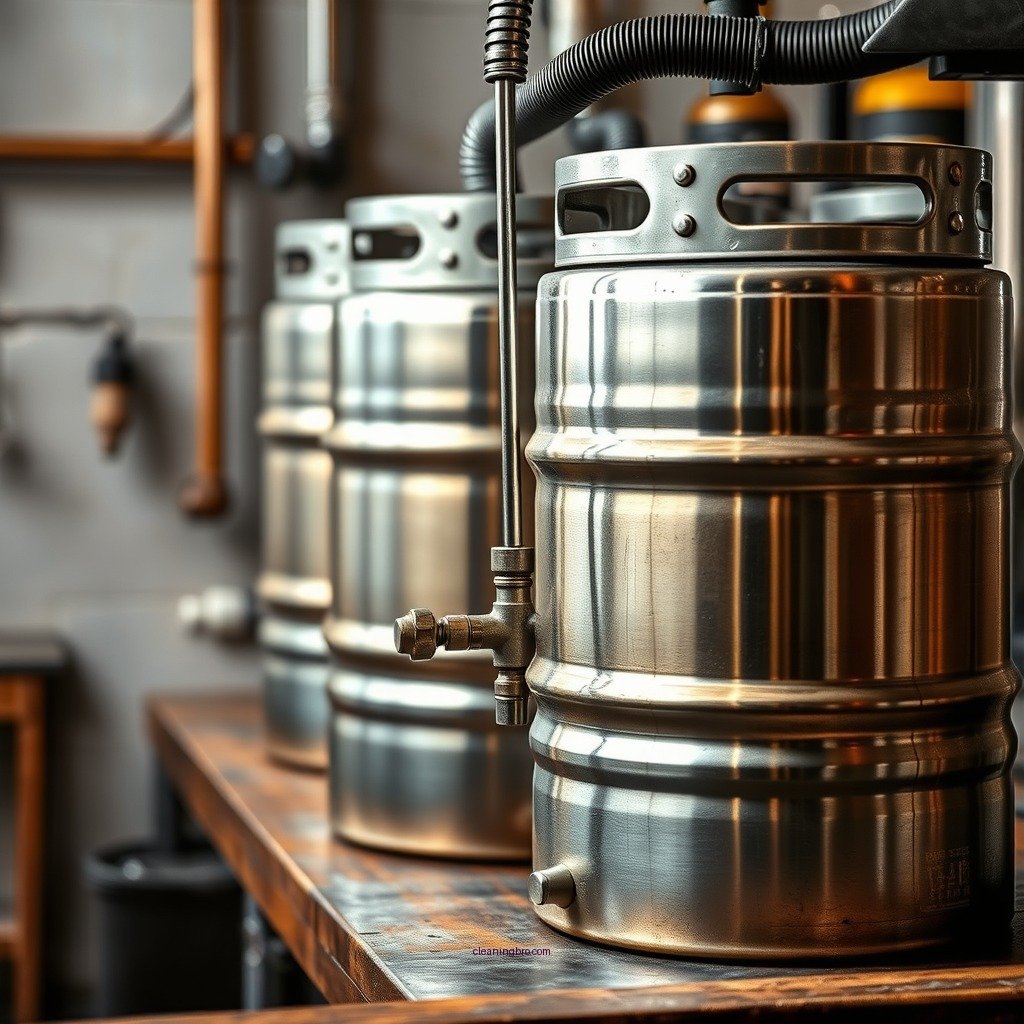
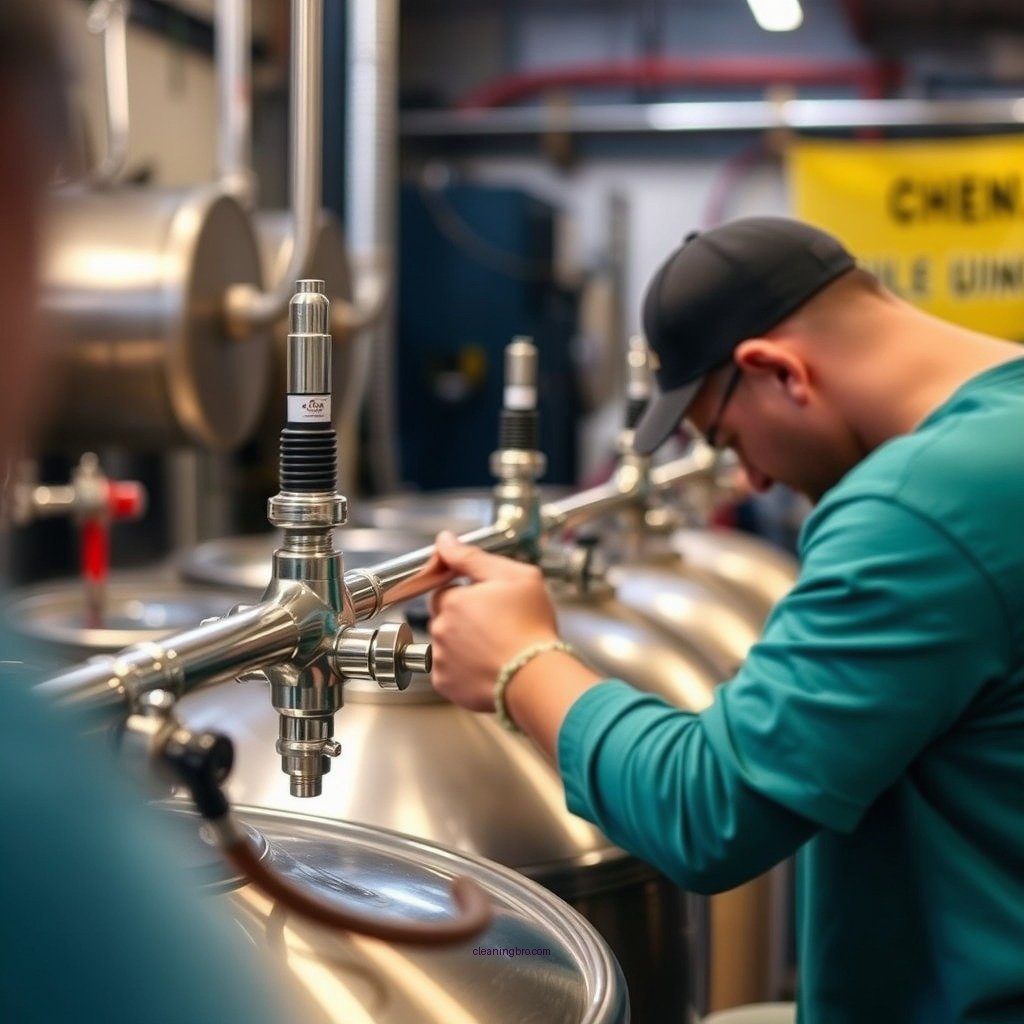
To clean your keg lines effectively, you’ll need a few common household items:
– White vinegar or a mixture of water and baking soda: These are effective and non-toxic cleaning agents. White vinegar is particularly good at cutting through residue and neutralizing odors.
– A bucket or container: This will hold the cleaning solution while you flush your lines. Make sure it’s large enough to accommodate the amount of solution you’ll need.
– A siphon or pump: This will be essential for pushing the cleaning solution through the keg lines. If you do not have a siphon, a simple hand pump can also work effectively.
Step-by-Step Cleaning Process
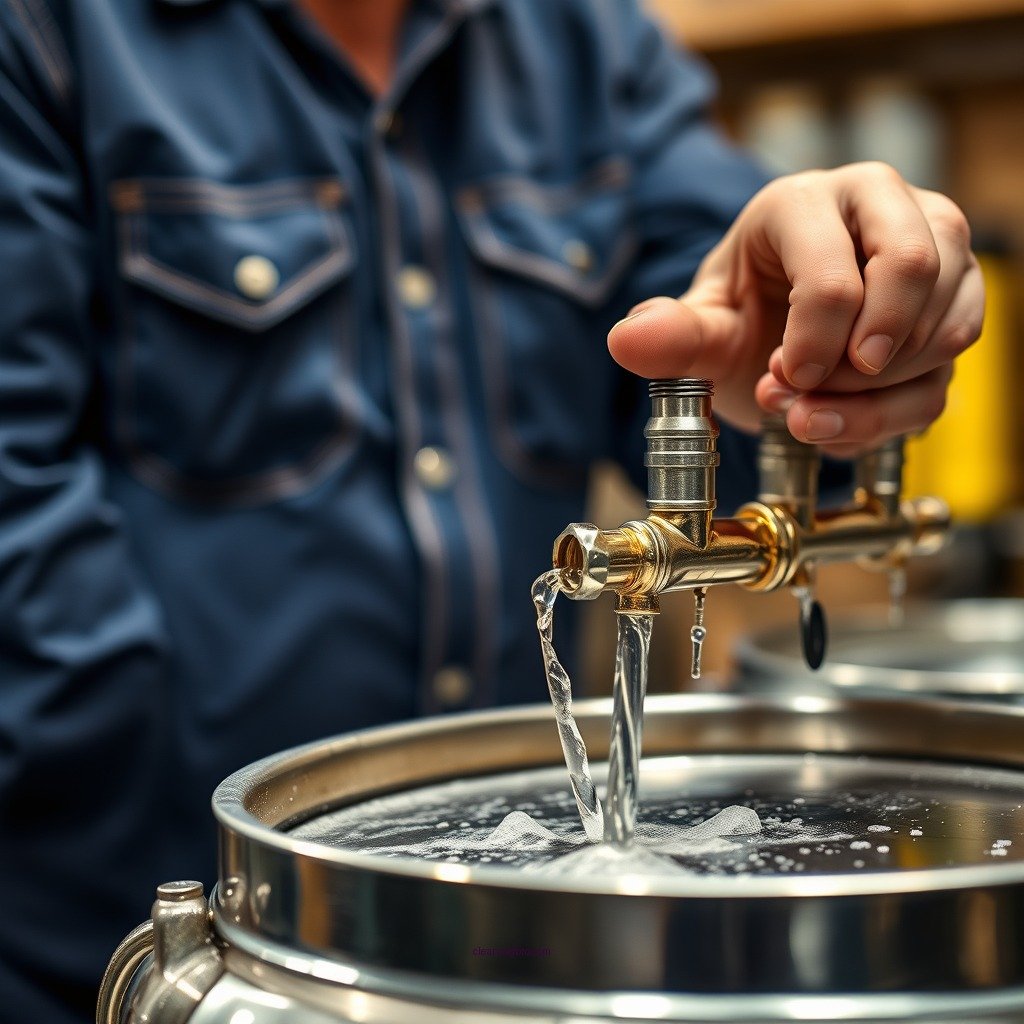
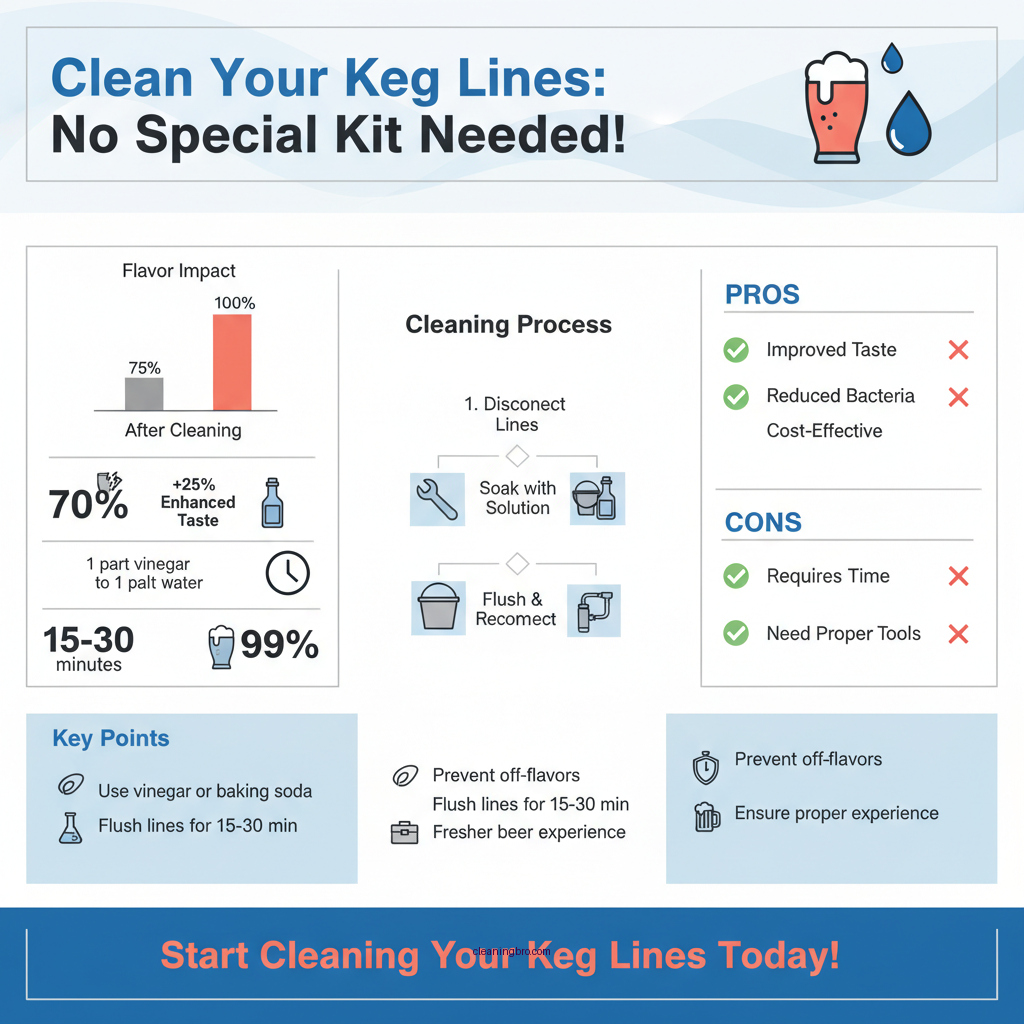
1. Begin by disconnecting the keg and removing the lines: Always ensure you have the right tools to safely disconnect your keg. It’s crucial to follow safety protocols during this step to avoid any accidents.
2. Mix your cleaning solution: For a simple vinegar solution, mix one part water to one part vinegar. Alternatively, you can create a baking soda solution by mixing a quarter cup of baking soda with a gallon of warm water. Pour this solution into your bucket or container.
3. Use the siphon or pump to push the solution through the lines: Attach the siphon or pump to one end of the keg line and place the other end into the bucket containing the cleaning solution. Activate the siphon or pump to circulate the solution through the keg lines. Let it sit for 15-30 minutes to allow the cleaning agents to break down any residues.
Flushing and Rinsing the Lines
After the cleaning solution has circulated through the keg lines, it’s critical to flush the lines with clean water. This step ensures that all cleaning residues are completely removed, preventing off-flavors in your beer. Disconnect the siphon or pump from the keg lines and connect the lines to a clean water source. Run clean water through the lines until you no longer smell vinegar or baking soda. This thorough rinsing is essential for maintaining the integrity of the beer’s flavor profile.
Regular Maintenance Tips
To keep your keg lines in optimal condition, regular maintenance is key:
– Clean keg lines every 2-4 weeks: The frequency of cleaning should depend on how often you use your keg. If you’re using it daily, lean towards the lower end of this range. For occasional use, cleaning every month may suffice.
– Inspect the lines regularly: Look for any signs of wear or damage, such as cracks or discoloration. If you notice any issues, it may be time to replace the lines to ensure a clean and safe beer dispensing experience.
Troubleshooting Common Issues
Even with regular cleaning, you may encounter problems:
– If beer tastes off: Recheck your cleaning process to ensure thorough rinsing. Residual cleaning agents can lead to unpleasant flavors in your beer.
– If lines are clogged: Consider using a stronger cleaning solution, such as a specialized line cleaner if available. For stubborn residue, using a brush designed for keg lines can help dislodge any buildup.
Maintaining clean keg lines is crucial for enjoying your beer to its fullest. By utilizing everyday household items and following these steps, you can easily keep your keg lines in top condition. Take action now and clean your keg lines for the best drinking experience!
Common Beer Contaminants Found in Keg Lines (2023)
| # | Contaminant | Source | Impact |
|---|---|---|---|
| 1 | Yeast Residue | Fermentation | Sour flavors |
| 2 | Bacteria | Improper cleaning | Off-flavors |
| 3 | Hops Residue | Brewing process | Bitterness |
| 4 | Beer Stone | Hard water | Cloudiness |
| 5 | Oxidation | Extended exposure | Stale taste |
| 6 | Mold | Poor sanitation | Health risks |
| 7 | Detergent Residue | Inadequate rinsing | Chemical taste |
DIY Cleaning Solutions vs. Commercial Cleaners vs. Hot Water: Full Comparison
| Feature | ⭐ DIY Cleaning Solutions | Commercial Cleaners | Hot Water |
|---|---|---|---|
| Effectiveness | Good | Excellent | Fair |
| Cost | Low | Medium | Free |
| Ease of Use | Simple | Moderate | Easy |
| Environmental Impact | Low | Medium | Low |
| Time Required | Moderate | Quick | Long |
| Safety | Safe | Caution needed | Very Safe |
| Residue Removal | Good | Excellent | Fair |
| Flavor Preservation | High | Very High | Moderate |
| Accessibility | Widely Available | Specialty Stores | Easily Found |
| 🏆 Best For | Budget-conscious DIYers | Professional Cleanliness | Quick Cleaning |
In conclusion, keeping your keg lines clean is a vital practice that cannot be overlooked if you wish to enjoy the best possible beer. By using simple, accessible household items, you can efficiently maintain your keg lines, ensuring the quality and flavor of your beer are preserved. Regular cleaning, thorough rinsing, and a proactive approach to maintenance will contribute significantly to an enjoyable drinking experience.
Frequently Asked Questions
How can I effectively clean keg lines without a commercial cleaning kit?
To clean keg lines without a commercial cleaning kit, you can use a mixture of warm water and a mild cleaning solution like dish soap or a vinegar solution. First, disconnect the keg and then use a hand pump or a siphon to push the cleaning solution through the lines for about 10-15 minutes. Rinse the lines thoroughly with clean water to remove any residue, ensuring that your beer maintains its intended flavor.
What household items can I use to clean my keg lines?
Common household items like white vinegar, baking soda, and unscented dish soap can effectively clean keg lines. Mix one part vinegar with three parts water or create a baking soda solution, then circulate it through the lines. Always follow up with a thorough rinse of water to prevent any off-flavors in your beer.
Why is it important to clean keg lines regularly?
Regularly cleaning keg lines is crucial to prevent the buildup of bacteria, mold, and yeast, which can contaminate your beer and alter its taste. Dirty lines can also lead to poor carbonation and off-flavors, affecting the overall quality of your brews. Maintaining clean lines ensures a better drinking experience and prolongs the life of your keg.
What is the best method to flush keg lines without a cleaning kit?
The best method to flush keg lines without a cleaning kit is to use a solution of warm water and a cleaning agent, such as vinegar or baking soda. Connect the lines to a pump or use gravity to push the solution through, allowing it to run for several minutes. Afterward, flush the lines with clean water until there’s no trace of the cleaning solution left.
Which signs indicate that my keg lines need cleaning?
Signs that your keg lines need cleaning include a sour or off-flavor in the beer, excessive foam when pouring, or sluggish flow from the tap. If you notice any of these issues, it’s essential to clean the lines immediately to restore the quality of your beer. Regular inspections and cleanings can help prevent these problems and ensure optimal taste and performance.
References
- https://www.cdc.gov/healthywater/drinking/bottle-water.html
https://www.cdc.gov/healthywater/drinking/bottle-water.html - https://www.nature.com/articles/s41545-018-0035-8
https://www.nature.com/articles/s41545-018-0035-8 - https://www.pubmed.ncbi.nlm.nih.gov/12880914/
https://www.pubmed.ncbi.nlm.nih.gov/12880914/ - Google Scholar Google Scholar
https://scholar.google.com/scholar?q=how+to+clean+keg+lines+without+kit - Google Scholar Google Scholar
https://scholar.google.com/scholar?q=keg+cleaning+sanitation - Google Scholar Google Scholar
https://scholar.google.com/scholar?q=cleaning+keg+lines+beer - https://www.theguardian.com/environment/2016/jul/15/how-to-recycle-your-drinking-water
https://www.theguardian.com/environment/2016/jul/15/how-to-recycle-your-drinking-water - https://www.sciencedirect.com/science/article/pii/S0167732217301663
https://www.sciencedirect.com/science/article/pii/S0167732217301663 - how to clean keg lines without kit – Search results
https://en.wikipedia.org/wiki/Special:Search?search=how+to+clean+keg+lines+without+kit - https://www.ncbi.nlm.nih.gov/search/research-articles/?term=how+to+clean+keg+lines+without+kit
https://www.ncbi.nlm.nih.gov/search/research-articles/?term=how+to+clean+keg+lines+without+kit