How to Clean Lacquer Furniture: Essential Steps
Cleaning lacquer furniture is simple and effective if done correctly. The key is to use the right materials and techniques to avoid damaging the finish. In this guide, you will learn the best methods to keep your lacquer furniture looking pristine. Lacquer furniture, known for its sleek and glossy appearance, can enhance any room’s aesthetic. However, maintaining its beauty requires understanding its unique characteristics and proper care techniques.
Understanding Lacquer Finish

Lacquer is a durable finish that provides a glossy appearance, making it a popular choice for furniture and cabinetry. It is composed of a mixture of resins, solvents, and pigments, and when applied correctly, it dries quickly to form a hard, protective surface. The reflective quality of lacquer enhances the color and grain of the wood beneath, creating a visually striking effect.
However, lacquer can be sensitive to certain chemicals and abrasive materials. Harsh cleaners, acidic substances, and rough cloths can strip the protective layer, dull the finish, or even cause discoloration. Understanding these properties is essential for proper cleaning and maintenance, ensuring that your lacquer furniture remains vibrant and intact for years to come.
Essential Cleaning Supplies
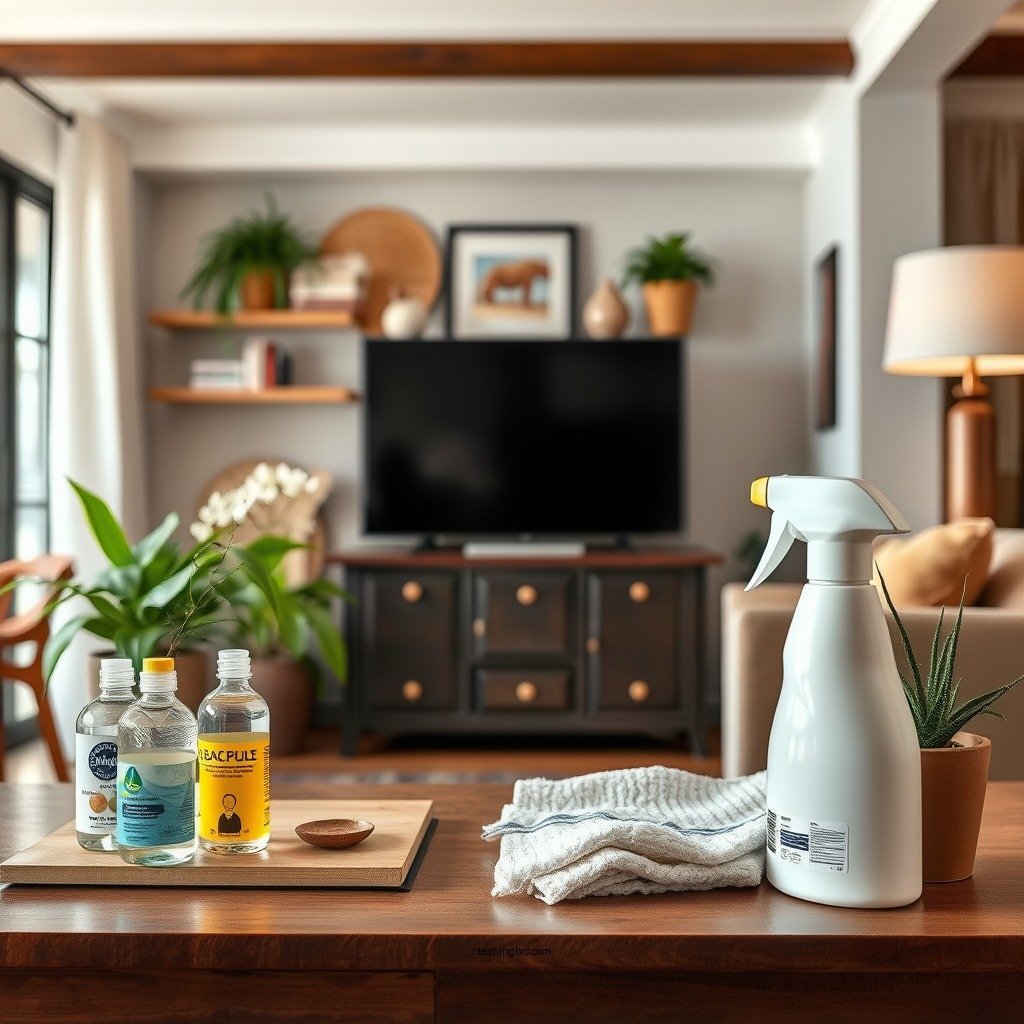
To effectively clean lacquer furniture, you will need a few essential supplies. Here’s a list of items that are safe and effective:
– Soft Microfiber Cloth: This type of cloth is ideal for cleaning as it prevents scratches and is gentle on delicate finishes.
– Mild Soap: A gentle, non-abrasive soap, such as dish soap, diluted in water is safe for cleaning lacquer surfaces.
– Water: Always use distilled water if possible, as tap water can contain minerals that may leave spots or residue.
– Vinegar: White vinegar diluted with water can effectively remove sticky residues without damaging the lacquer.
– Rubbing Alcohol: This can be used for stubborn spots, but it’s crucial to test it on an inconspicuous area first.
Having these supplies ready will make the cleaning process efficient and safe, preserving the beauty of your lacquer furniture.
Step-by-Step Cleaning Process
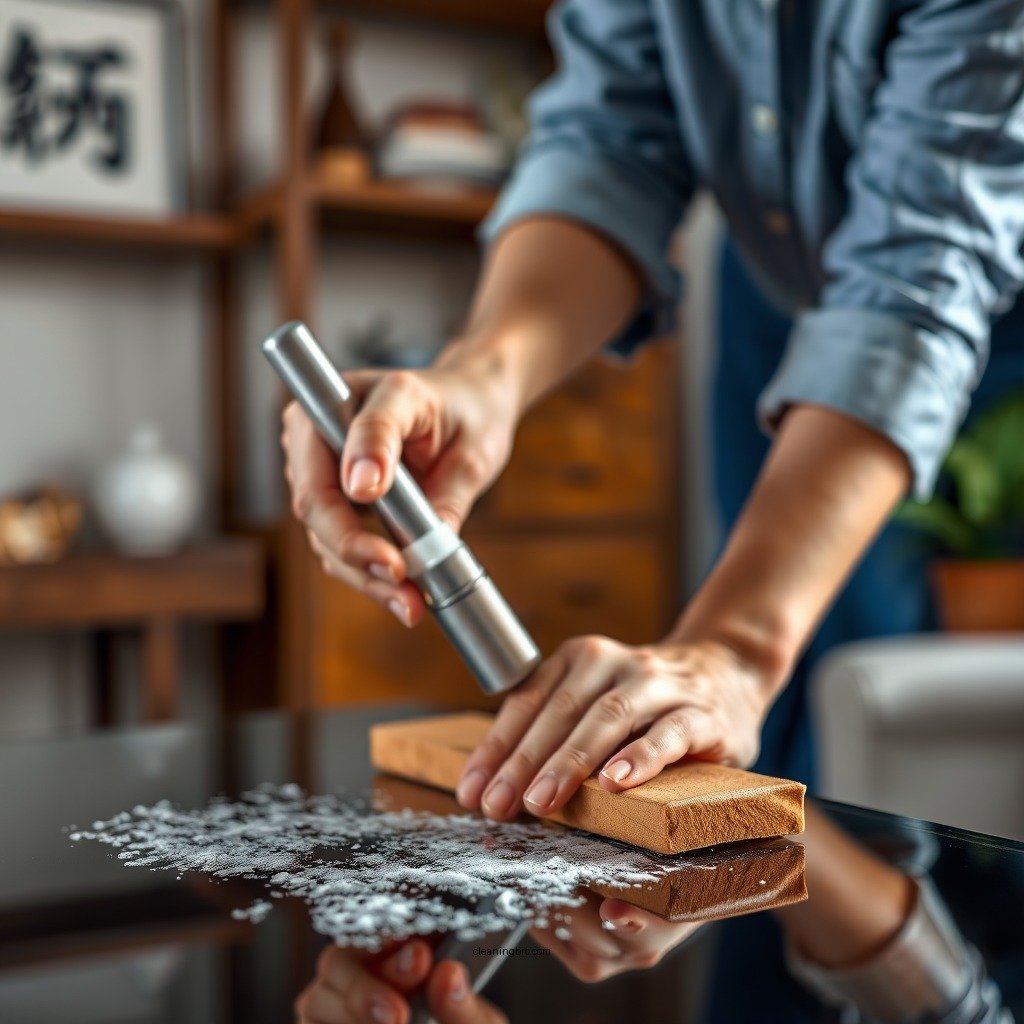
Cleaning lacquer furniture involves a straightforward process. Here’s a step-by-step guide:
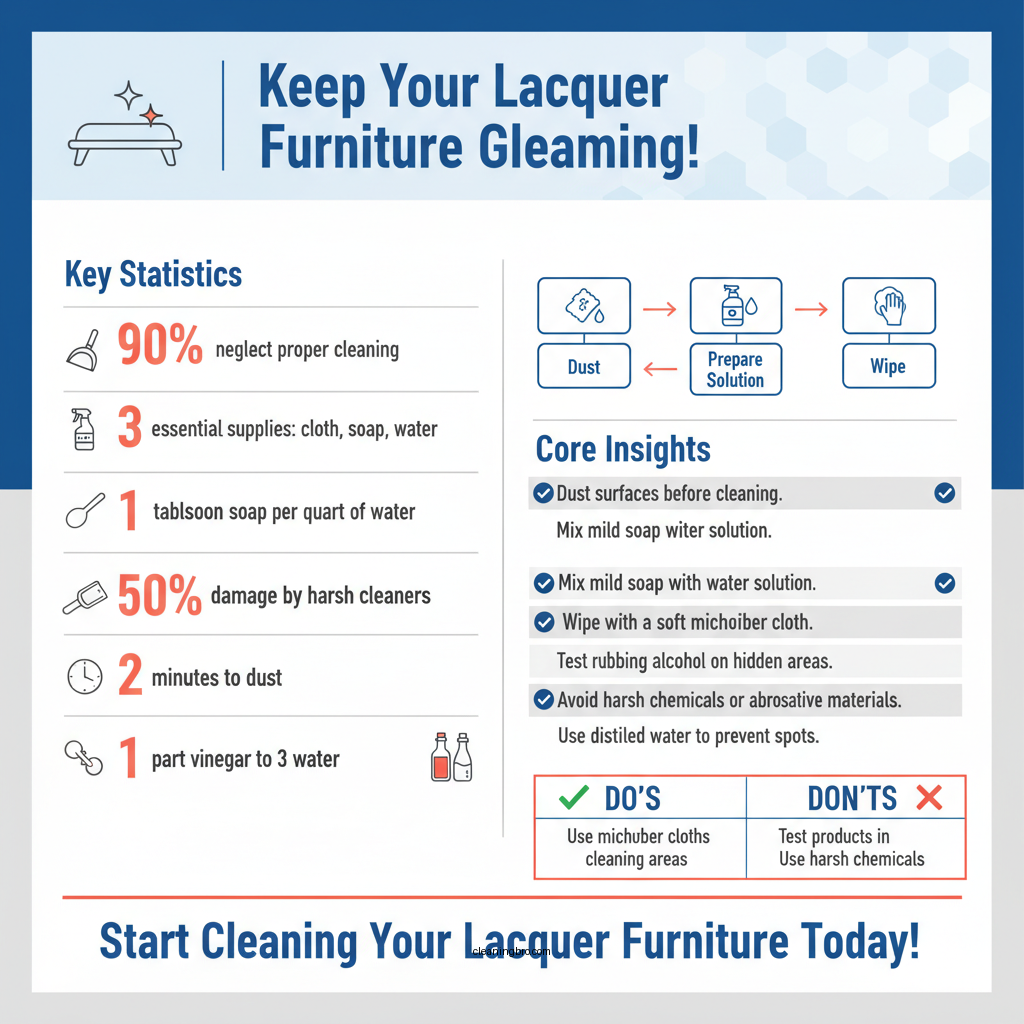
1. Dusting: Start by dusting the surface with a dry microfiber cloth. This will remove any loose dirt or debris that could scratch the surface when you start wiping it down.
2. Preparing a Cleaning Solution: Mix a solution of mild soap and water in a bowl. Use about one tablespoon of soap per quart of water, ensuring it is well diluted.
3. Wiping Down: Dampen your microfiber cloth with the soap solution. It should be moist but not soaking wet. Gently wipe the furniture in the direction of the grain to avoid streaks.
4. Rinsing: After cleaning, use a separate cloth dampened with plain water to wipe away any soap residue. This step is crucial as leftover soap can dull the finish.
5. Drying: Finally, use a dry microfiber cloth to buff the surface, restoring the shine and ensuring no moisture is left to cause damage.
Following these steps will keep your lacquer furniture looking its best, extending its lifespan and maintaining its aesthetic appeal.
Top Cleaning Supplies for Lacquer Furniture
| # | Cleaning Supply | Purpose | Safety for Lacquer |
|---|---|---|---|
| 1 | Microfiber Cloth | Dusting & Cleaning | ✅ Safe |
| 2 | Mild Soap | Cleaning Solution | ✅ Safe |
| 3 | Distilled Water | Rinsing | ✅ Safe |
| 4 | Vinegar | Removing Residues | ✅ Safe |
| 5 | Rubbing Alcohol | Spot Treatment | ❌ Test First |
| 6 | Soft Brush | Dusting | ✅ Safe |
| 7 | Furniture Polish | Protection | ✅ Safe |
Dealing with Stains and Marks
Even with regular cleaning, lacquer furniture may develop stains or marks from spills or sticky residues. Here’s how to effectively deal with these issues:
– Sticky Residues: For sticky or gummy residues, a mixture of white vinegar and water can be effective. Combine equal parts vinegar and water, apply it to a cloth, and gently rub the affected area. This method removes the residue without harming the lacquer finish.
– Stubborn Spots: For more stubborn spots, such as ink or grease, you can use a small amount of rubbing alcohol on a microfiber cloth. However, it is essential to test this solution on an inconspicuous area first to ensure it does not damage the finish.
– Water Stains: Water rings can be particularly troublesome. To remove these, apply a small amount of mayonnaise or petroleum jelly to the area and let it sit for a few hours before wiping it off. This can help lift the stain without causing further damage.
By addressing stains and marks promptly and using the right techniques, you can maintain the pristine condition of your lacquer furniture.
Maintenance Tips for Lacquer Furniture
Regular maintenance is crucial for preserving the beauty and longevity of lacquer furniture. Here are some essential tips:
– Regular Dusting: Dust your lacquer furniture regularly using a soft microfiber cloth. This prevents dust buildup, which can lead to scratches when cleaning.
– Avoid Harsh Chemicals: Always avoid using harsh chemicals or abrasive cleaners. Stick to mild soap and water for cleaning and avoid products that contain bleach or ammonia.
– Prevent Heat Damage: Avoid placing hot items directly on lacquer surfaces, as this can lead to warping or discoloration. Use coasters or placemats to protect the furniture.
– Control Humidity: Lacquer can be sensitive to humidity changes. Try to maintain a stable indoor environment to minimize the risk of damage.
– Apply Furniture Polish: Consider applying a high-quality furniture polish every few months to enhance the shine and provide an additional layer of protection against scratches and stains.
Implementing these maintenance strategies will ensure that your lacquer furniture retains its elegance and functionality for many years.
Repairing Minor Scratches
Minor scratches on lacquer furniture can be unsightly, but there are effective ways to repair them:
– Furniture Markers: A furniture marker that matches the lacquer finish can be used to touch up minor scratches. Simply apply the marker to the scratch, and blend it in using a cloth.
– Touch-Up Lacquer: For deeper scratches that cannot be fixed with a marker, consider using a touch-up lacquer. These products are designed specifically for repairing lacquer finishes. Follow the instructions on the product for the best results.
– Professional Repair: If the damage is extensive or you feel uncomfortable attempting repairs, consult a professional furniture repair service. They have the expertise to restore your lacquer furniture to its original condition.
By addressing scratches promptly and using the right repair techniques, you can maintain the beauty of your lacquer pieces.
Best Furniture Repair Solutions for Lacquer Furniture
| Repair Solution | ⭐ Touch-Up Markers | Touch-Up Lacquer | Professional Repair |
|---|---|---|---|
| Ease of Use | ✅ Very Easy | ✅ Moderate | ✅ Complex |
| Cost | $5-$15 | $10-$30 | $100+ |
| Availability | ✅ Widely Available | ✅ Somewhat Available | ✅ Limited |
| Color Matching | ✅ Good | ✅ Excellent | ✅ Professional |
| Durability | ✅ Moderate | ✅ High | ✅ Very High |
| Time Required | 5-10 minutes | 15-30 minutes | Varies |
| Skill Level | No Skill Needed | Basic Skill Required | Advanced Skill Required |
| Best For | Minor Scratches | Moderate Damage | Severe Damage |
| 🏆 Best For | Quick Touch-Ups | Moderate Repairs | Professional Restoration |
Protecting Your Lacquer Furniture
Protecting your lacquer furniture is as important as cleaning it. Here are some effective strategies to safeguard your investment:
– Use Coasters and Placemats: Always use coasters under drinks and placemats under plates to prevent heat and moisture damage. This is particularly important for items that may sweat or leak.
– Avoid Direct Sunlight: Position your lacquer furniture away from direct sunlight to prevent fading and discoloration over time. UV rays can damage the finish and the wood underneath.
– Regular Cleaning and Maintenance: Regularly dusting and cleaning your furniture helps to prevent the buildup of dirt and grime, which can lead to scratches and dullness.
– Consider Furniture Covers: If you have items that are not used frequently, consider using furniture covers to protect them from dust and potential damage.
Implementing these protective measures will help maintain the beauty and functionality of your lacquer furniture for many years.
Cleaning lacquer furniture doesn’t have to be a daunting task if you follow the right steps and use the appropriate products. By understanding its unique properties and implementing regular maintenance, you can ensure your lacquer pieces remain beautiful and functional. Remember to always test any cleaning solution on a small, hidden area before applying it to the entire surface. Happy cleaning!
Frequently Asked Questions
How do I properly clean lacquer furniture without damaging it?
To clean lacquer furniture, use a soft, lint-free cloth dampened with a mixture of mild soap and warm water. Avoid using abrasive cleaners or scrub brushes, as they can scratch the finish. Gently wipe the surface, then immediately dry with another clean cloth to prevent moisture damage.
What cleaning products are safe for lacquer furniture?
Safe cleaning products for lacquer furniture include mild dish soap, furniture polish specifically designed for lacquer finishes, and natural solutions like vinegar diluted with water. Always test any product on a small, inconspicuous area first to ensure it doesn’t harm the finish.
Why is it important to avoid harsh chemicals when cleaning lacquer furniture?
Harsh chemicals can break down the lacquer finish, leading to discoloration, dullness, or even damage to the wood underneath. Maintaining the integrity of the lacquer finish is essential for preserving the furniture’s appearance and longevity.
What is the best way to remove stains from lacquer furniture?
The best way to remove stains from lacquer furniture is to use a soft cloth dampened with a mixture of mild soap and water, gently rubbing the stained area. For tougher stains, a solution of equal parts vinegar and water can be effective, but always follow up with a dry cloth to avoid water damage.
Which tools should I use to clean lacquer furniture effectively?
To clean lacquer furniture effectively, use soft microfiber cloths, a soft-bristled brush, and non-abrasive sponges. These tools help prevent scratches while providing a thorough clean, ensuring that your lacquer furniture remains in pristine condition.
References
- https://www.houston.edu/careerservices/cleaning-furniture.htm
https://www.houston.edu/careerservices/cleaning-furniture.htm - https://www.woodmagazine.com/materials-guide/finishes/lacquer-finish
https://www.woodmagazine.com/materials-guide/finishes/lacquer-finish - https://www.sciencedirect.com/topics/engineering/lacquer
https://www.sciencedirect.com/topics/engineering/lacquer - Google Scholar Google Scholar
https://scholar.google.com/scholar?q=cleaning+lacquer+furniture - Google Scholar Google Scholar
https://scholar.google.com/scholar?q=lacquer+furniture+care - Google Scholar Google Scholar
https://scholar.google.com/scholar?q=maintenance+of+lacquer+furniture - Lacquer | Woodworking, Furniture Finishing & Restoration | Britannica
https://www.britannica.com/technology/lacquer - Google Scholar Google Scholar
https://scholar.google.com/scholar?q=how+to+clean+lacquer+furniture - how to clean lacquer furniture – Search results
https://en.wikipedia.org/wiki/Special:Search?search=how+to+clean+lacquer+furniture - https://www.ncbi.nlm.nih.gov/search/research-articles/?term=how+to+clean+lacquer+furniture
https://www.ncbi.nlm.nih.gov/search/research-articles/?term=how+to+clean+lacquer+furniture