How to Clean Lava Rocks: A Simple Guide
Cleaning lava rocks is straightforward and requires just a few steps to ensure they look their best. In this article, you’ll learn the essential methods to clean your lava rocks effectively, whether they are used in landscaping, aquariums, or fireplaces. Properly maintaining these unique rocks not only enhances their aesthetic appeal but also prolongs their lifespan in various applications.
Understanding Lava Rocks
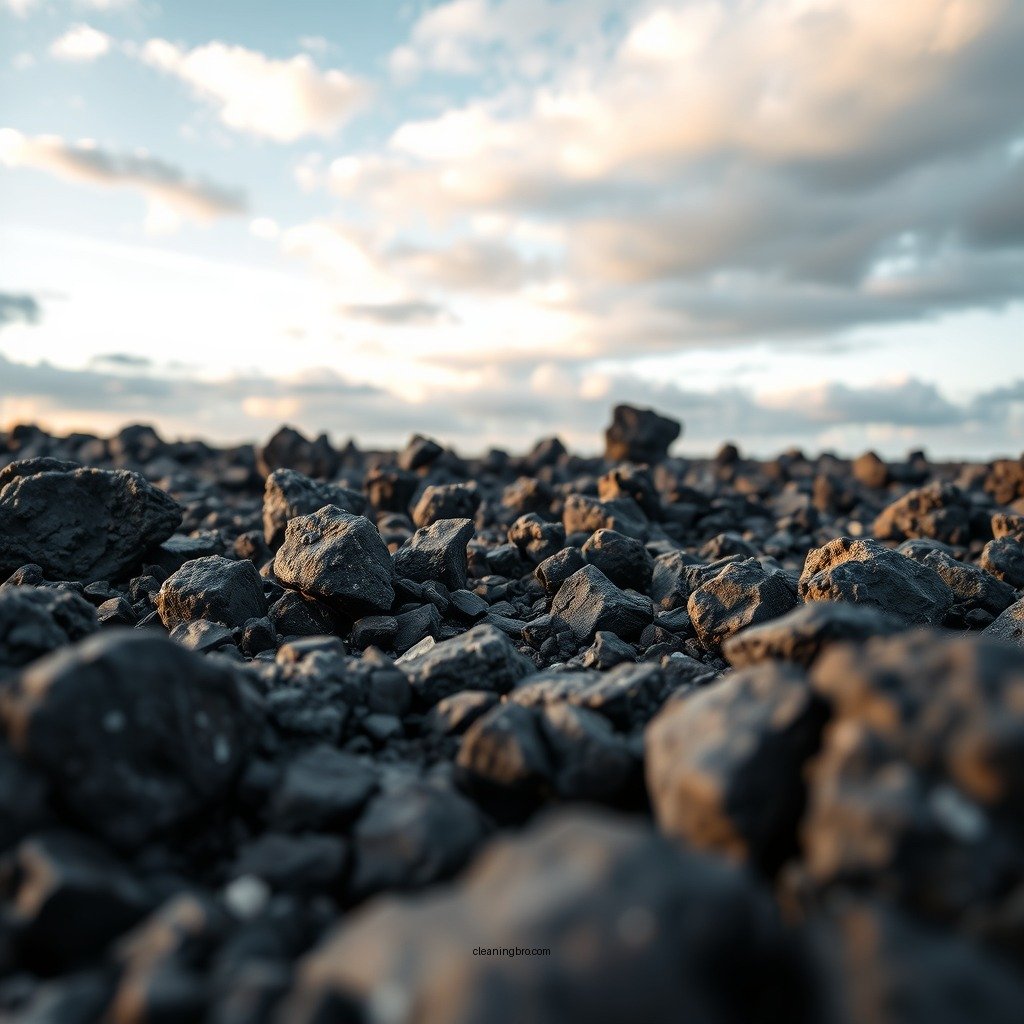
Lava rocks are volcanic materials that have cooled and solidified, resulting in a porous and lightweight structure. This unique composition makes them particularly useful in a variety of settings, including gardening, fire pits, and aquarium decoration. The porous nature of lava rocks allows for good drainage and air circulation, which is beneficial in landscaping applications, especially when used as mulch or in rock gardens. However, their texture also means that dirt, debris, and algae can accumulate easily, requiring regular cleaning to maintain their appearance and functionality.
In landscaping, lava rocks can provide a striking contrast to green plants and other materials, while in aquariums, they serve as natural filtration and habitat for aquatic life. In fireplaces, they not only enhance the visual appeal but also assist in heat distribution. Therefore, understanding how to effectively clean lava rocks is crucial for anyone utilizing them in these contexts.
Basic Cleaning Methods
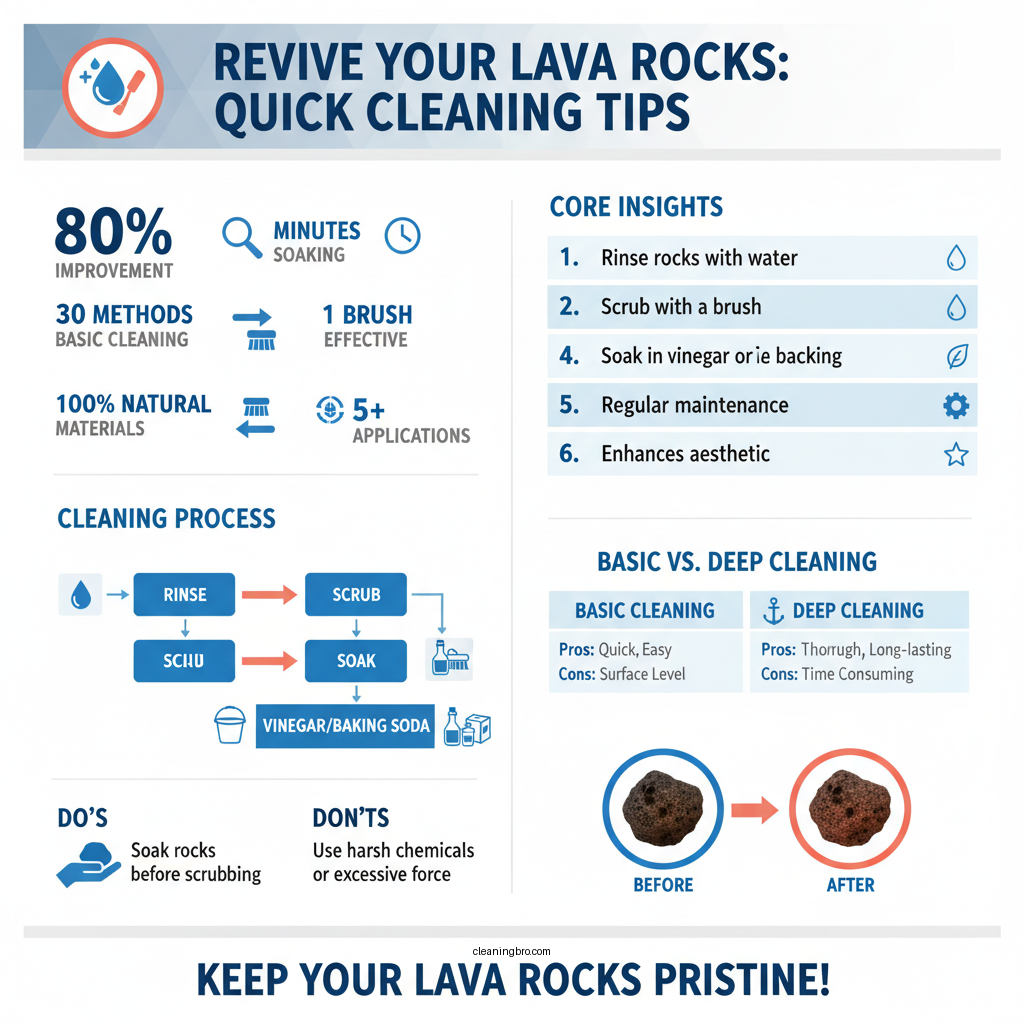
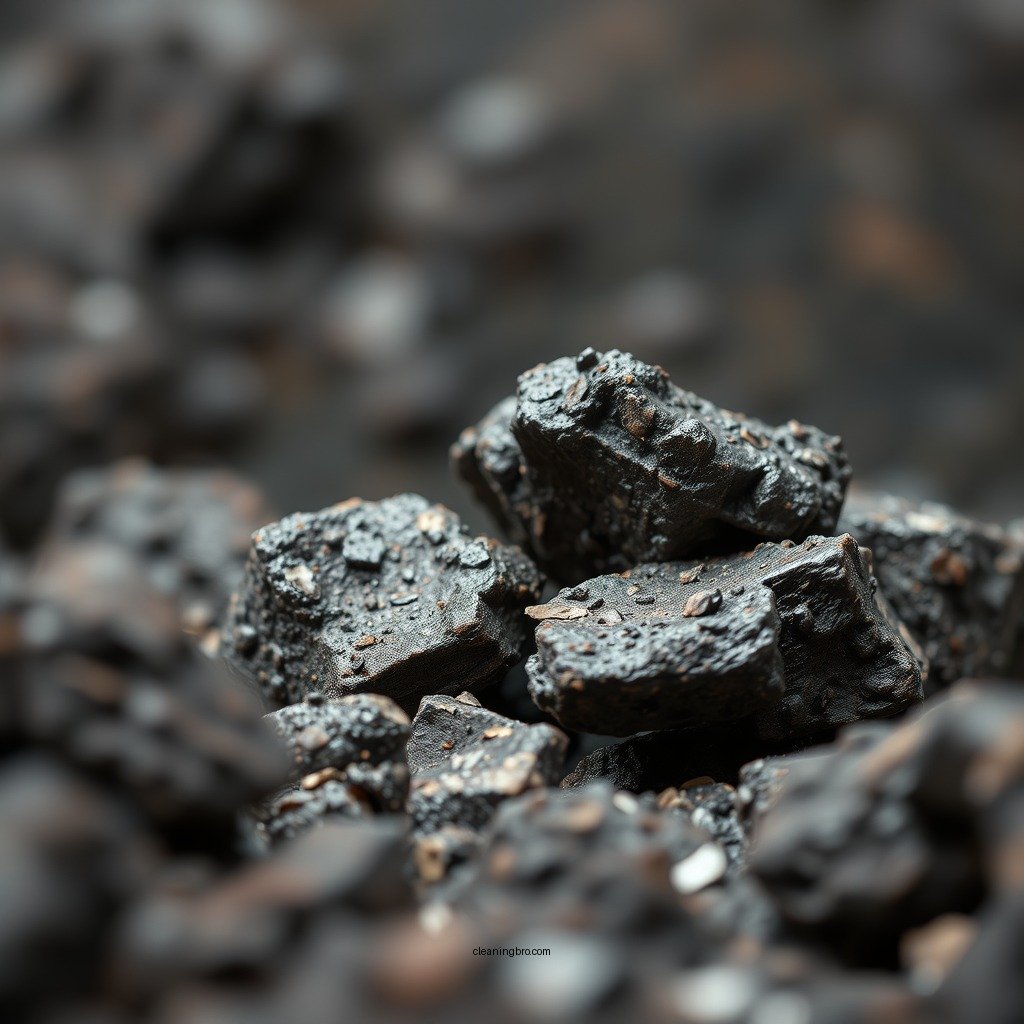
Cleaning lava rocks does not have to be a cumbersome task. Here are two fundamental methods you can employ to keep them looking pristine:
– Rinse with Water: The simplest way to begin cleaning lava rocks is to use a hose or a bucket of water. This method helps to remove loose dirt and debris. Aim the water directly at the rocks, ensuring that you wash away any surface grime. For larger rocks, you might want to fill a bucket and let them soak briefly before rinsing.
– Scrub with a Brush: For stubborn grime that has adhered to the surface, a stiff-bristled brush can be very effective. Gently scrub the rocks using circular motions, focusing on areas with visible stains or buildup. Be cautious not to scrub too harshly, as excessive force may damage the rock’s surface texture.
Deep Cleaning Techniques
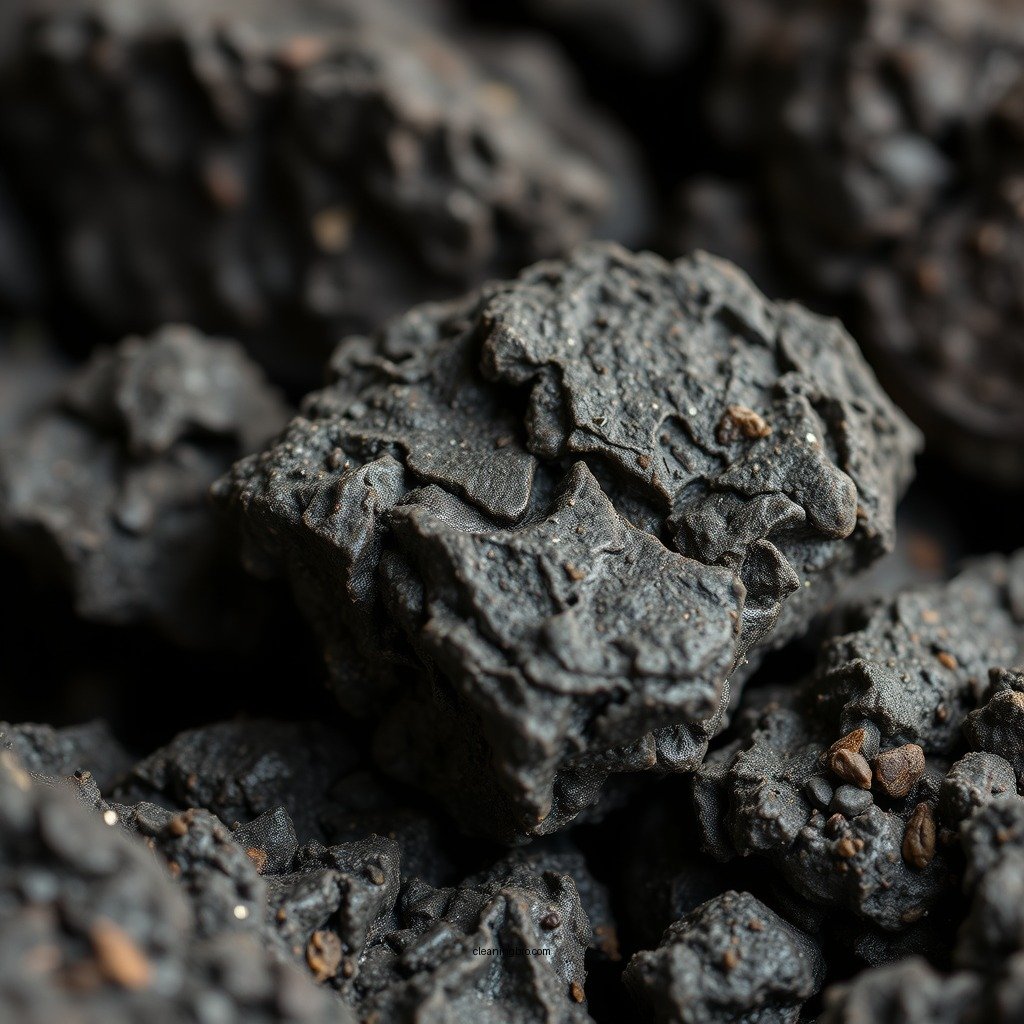
For those instances where a more thorough cleaning is required, consider the following deep-cleaning techniques:
– Soak in Water: Submerging the lava rocks in a bucket of warm water can help loosen any stubborn dirt and grime. Allow the rocks to soak for at least 30 minutes. After soaking, you can use a brush to scrub away any remaining residue. This technique is particularly useful for rocks that have been exposed to organic matter or algae.
– Use Vinegar or Baking Soda: Both vinegar and baking soda are natural cleaning agents that can help lift stains and eliminate odors. To use vinegar, mix equal parts water and white vinegar in a bucket, then soak the rocks for about an hour. Rinse thoroughly afterward to remove any vinegar residue. For baking soda, create a paste with water, apply it to the rocks, and let it sit for about 15-20 minutes before rinsing off.
Top Lava Rock Cleaning Methods
| # | Cleaning Method | Effectiveness | Ease of Use | Cost |
|---|---|---|---|---|
| 1 | Rinse with Water | High | Very Easy | Low |
| 2 | Scrub with a Brush | Medium | Moderate | Low |
| 3 | Soak in Water | High | Moderate | Low |
| 4 | Use Vinegar or Baking Soda | Very High | Easy | Very Low |
Cleaning Lava Rocks for Aquariums
When it comes to cleaning lava rocks used in aquariums, a more delicate approach is necessary to ensure the safety of aquatic life. Here are essential steps to keep in mind:
– Rinse Thoroughly: After cleaning the rocks using any method, it is crucial to rinse them thoroughly to ensure that no cleaning agents remain. Any residues from cleaners can be harmful to fish and other aquatic organisms.
– Disinfect Carefully: If you feel the need to disinfect the rocks, opt for aquarium-safe cleaners. These specialized products are formulated to eliminate harmful bacteria without risking the health of your fish and plants. Always follow the manufacturer’s instructions when using these products.
Maintaining Clean Lava Rocks
Regular maintenance is key to prolonging the life and appearance of lava rocks. Here are some strategies:
– Regular Maintenance: Establish a routine cleaning schedule based on the usage of the rocks. For landscaping, consider a monthly cleaning, while aquarium rocks may require more frequent attention. Always inspect the rocks for any signs of algae or dirt buildup.
– Protect from Elements: If your lava rocks are used outdoors, consider covering them when not in use. This will protect them from debris and harsh weather conditions, which can accelerate the accumulation of dirt and algae.
Common Mistakes to Avoid
While cleaning lava rocks, be mindful of the following common mistakes:
– Avoid Harsh Chemicals: Harsh cleaning agents can damage the porous structure of lava rocks and harm the environment. Stick to natural alternatives whenever possible.
– Don’t Over-Scrub: Excessive scrubbing can wear down the rock’s surface and diminish its natural beauty. Use just enough pressure to remove dirt without damaging the rock.
When to Replace Lava Rocks
Even with proper care, there may come a time when replacing lava rocks is necessary. Here are some indicators:
– Signs of Wear: If the rocks appear crumbling, losing color, or developing cracks, it may be time to consider a replacement. This is especially true if they are used in a high-visibility area.
– Persistent Odors: If cleaning does not eliminate persistent odors, it may indicate that the rocks have absorbed too much organic material or bacteria. In such cases, new lava rocks may be needed to restore cleanliness and aesthetic appeal.
Cleaning lava rocks can enhance their appearance and prolong their lifespan. By following these simple steps and maintaining them regularly, you can keep your lava rocks looking fresh and clean. Start your cleaning process today and enjoy the benefits of well-maintained lava rocks!
Frequently Asked Questions
How do you effectively clean lava rocks for landscaping?
To clean lava rocks for landscaping, start by removing any debris or organic matter using a broom or leaf blower. Next, soak the rocks in a mixture of water and mild soap for about 30 minutes, then scrub them with a stiff brush to remove dirt and stains. Rinse thoroughly with a hose to ensure all soap residue is gone, allowing the rocks to dry before placing them back in your landscape.
What is the best method to remove stains from lava rocks?
The best method to remove stains from lava rocks is to create a solution of equal parts water and white vinegar or bleach. Apply the solution to the stained area and let it sit for 15-20 minutes, then scrub gently with a brush to lift the stain. Rinse with water, ensuring that you wash away any chemical residue, especially if you used bleach.
Why is it important to clean lava rocks regularly?
Cleaning lava rocks regularly is important because it prevents the buildup of dirt, algae, and moss that can detract from their aesthetic appeal. Additionally, maintaining clean lava rocks helps promote proper drainage in landscaping, as clogged rocks can retain moisture and lead to unwanted plant growth or damage. Regular cleaning enhances the longevity and visual quality of your outdoor space.
Which cleaning products are safe for lava rocks?
Safe cleaning products for lava rocks include mild dish soap, vinegar, and baking soda. These gentle solutions effectively clean without damaging the porous texture of the rocks. Avoid harsh chemicals or abrasive cleaners, as they can strip the surface and affect the natural appearance of the lava rocks.
How often should you clean lava rocks in a garden setting?
You should clean lava rocks in a garden setting at least once or twice a year, or more frequently if they are exposed to heavy foot traffic or harsh weather conditions. Regular cleaning helps maintain their appearance and prevents the growth of weeds and other unwanted plants. Seasonal cleanings also allow you to inspect the rocks for any damage or erosion that may need addressing.
References
- https://www.sciencedirect.com/topics/earth-and-planetary-sciences/lava-rock
https://www.sciencedirect.com/topics/earth-and-planetary-sciences/lava-rock - https://www.britannica.com/science/lava
https://www.britannica.com/science/lava - https://www.nature.com/articles/s41598-019-49081-2
https://www.nature.com/articles/s41598-019-49081-2 - https://www.ncbi.nlm.nih.gov/pmc/articles/PMC7350906/
https://www.ncbi.nlm.nih.gov/pmc/articles/PMC7350906/ - https://www.wikiwand.com/en/Lava
https://www.wikiwand.com/en/Lava - https://www.cdc.gov/niosh/topics/rockdust.html
https://www.cdc.gov/niosh/topics/rockdust.html - https://www.researchgate.net/publication/320724646_Cleaning_and_Processing_Lava_Rock
https://www.researchgate.net/publication/320724646_Cleaning_and_Processing_Lava_Rock - Google Scholar Google Scholar
https://scholar.google.com/scholar?q=cleaning+lava+rocks - Google Scholar Google Scholar
https://scholar.google.com/scholar?q=lava+rock+maintenance - Google Scholar Google Scholar
https://scholar.google.com/scholar?q=how+to+clean+lava+rocks