
How to Clean Leather Seats with Holes: Effective Techniques
Cleaning leather seats with holes requires careful attention to avoid further damage while restoring their appearance. In this guide, you’ll learn how to effectively clean and maintain your leather seats, even if they have holes or tears, ensuring they look as good as new.
Assessing the Damage
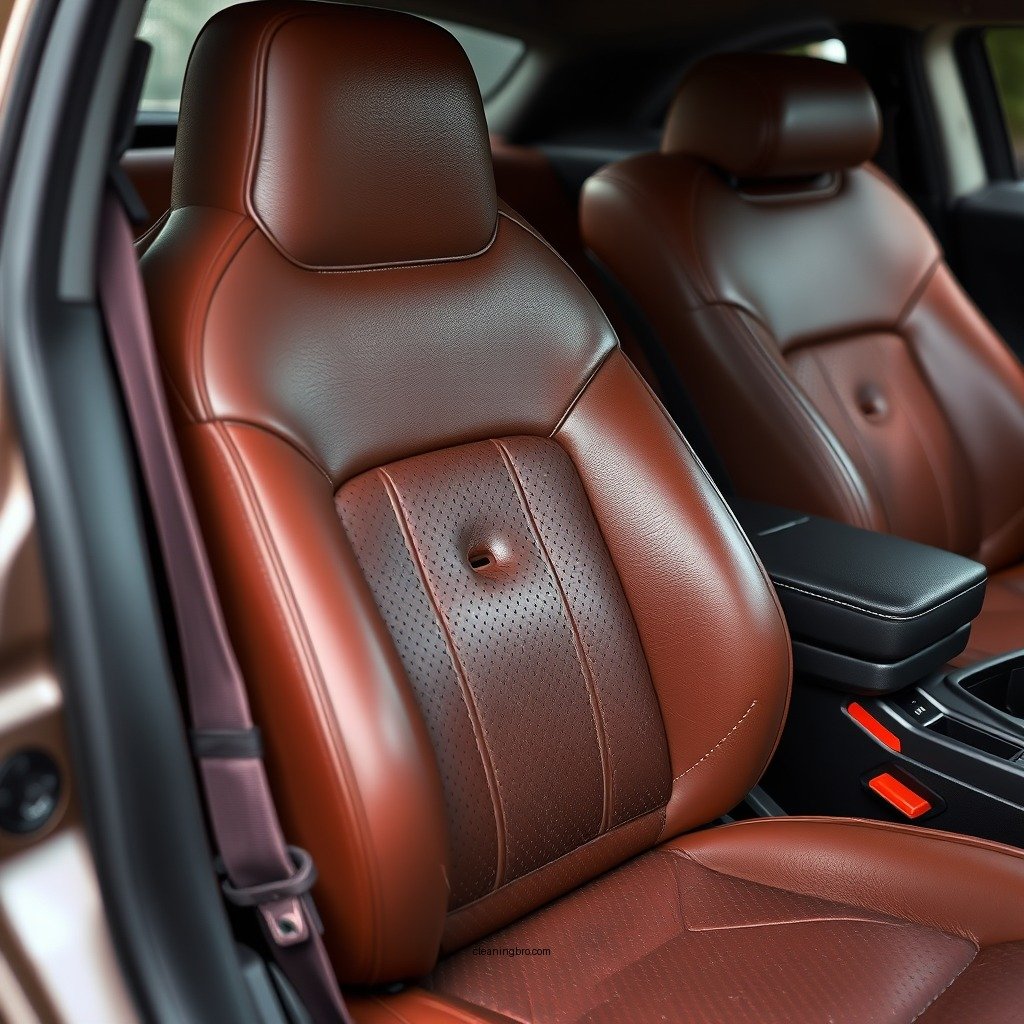
Before embarking on any cleaning or repair process, it is crucial to assess the extent of the damage. Start by identifying the size and location of the holes or tears. Small punctures may only require minor repairs, while larger tears could necessitate more extensive intervention. Pay attention to how these holes affect the leather’s overall condition. Is the leather still pliable, or has it become brittle and dry? Brittle leather can lead to further tearing if not addressed properly. Understanding the condition of your leather seats will dictate the cleaning and repair methods you will need to employ.
Gathering Your Supplies
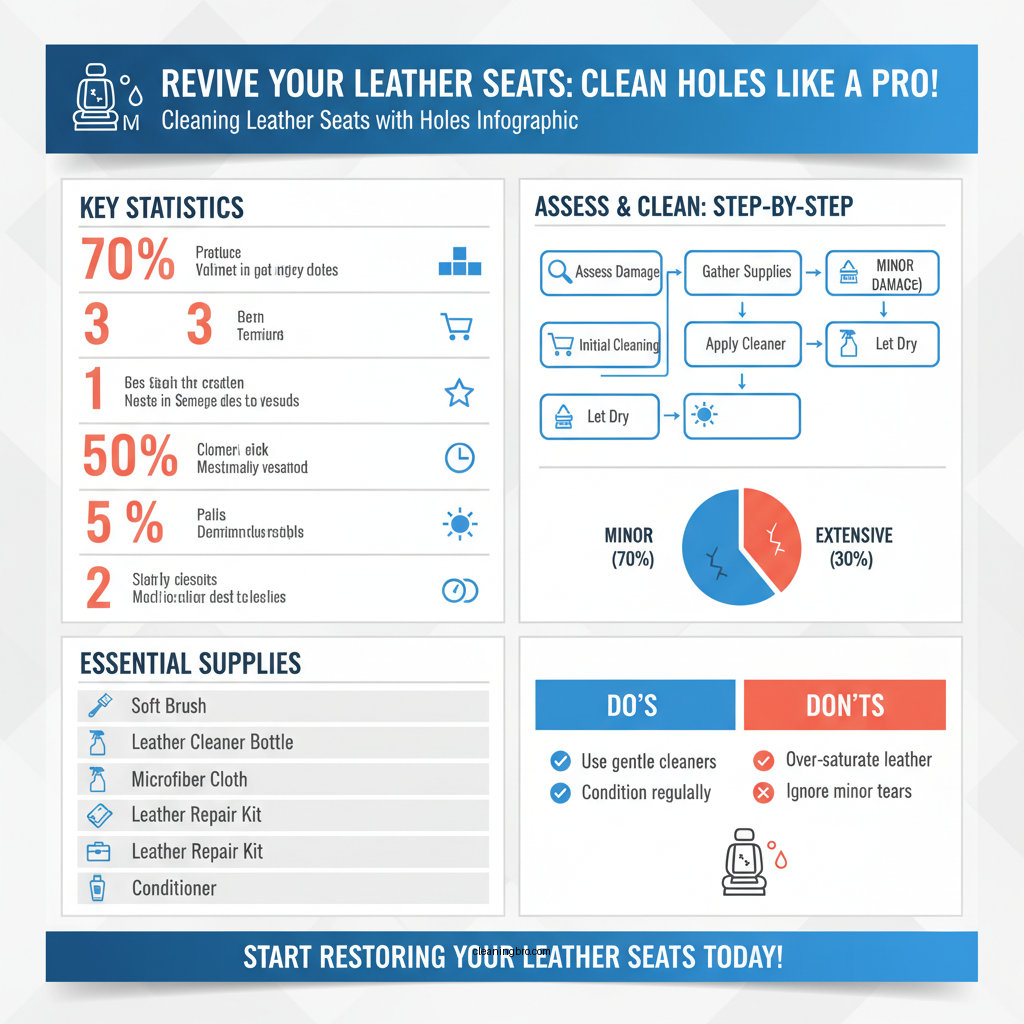
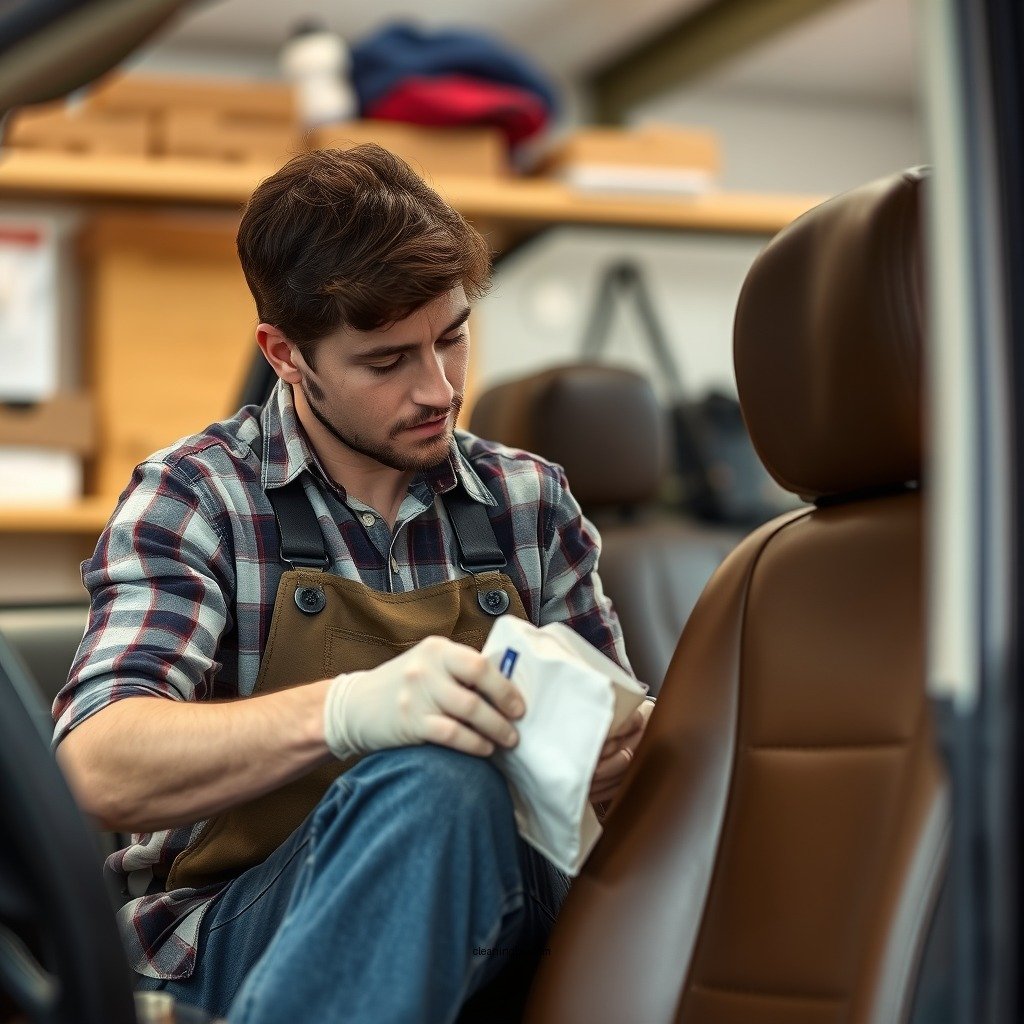
Once the damage is assessed, it’s time to gather the necessary supplies for cleaning and repairing your leather seats. For initial cleaning, a soft brush or vacuum is essential to remove dust and debris without scratching the leather surface. Next, you’ll need a high-quality leather cleaner designed specifically for your type of leather. Opt for a gentle formula that won’t strip the natural oils from the leather. Additionally, gather a microfiber cloth for applying the cleaner and a leather conditioner to restore suppleness after cleaning. If holes or tears are present, a leather repair kit containing adhesive, patching material, and color-matching dye is also necessary.
Cleaning the Leather Seats
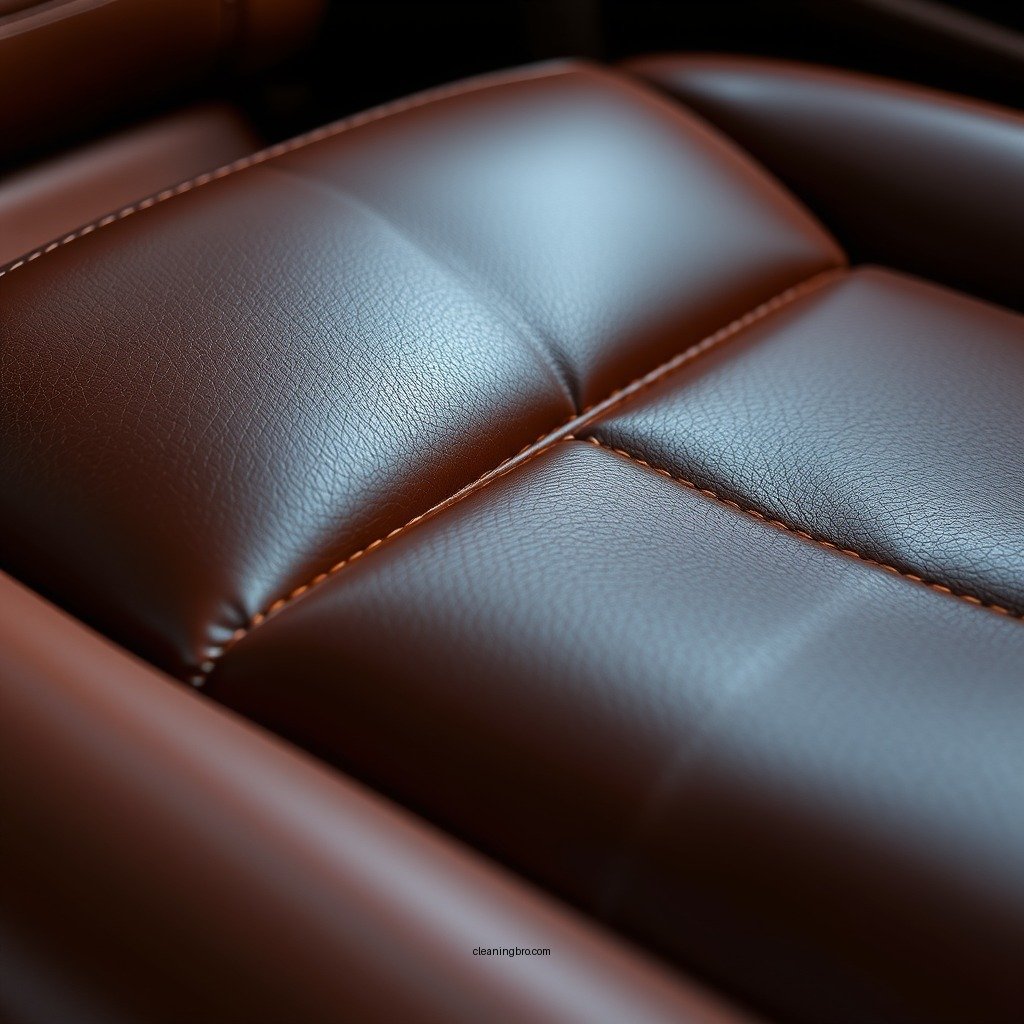
Begin the cleaning process by thoroughly removing dust, dirt, and any loose debris from the leather seats. Using a soft brush or vacuum attachment, gently clean the areas around the holes to avoid pushing dirt deeper into the leather. Next, apply a leather cleaner to a microfiber cloth and gently wipe the surface of the seats. It’s essential to use circular motions and avoid saturating the leather with excess cleaner. For particularly stubborn stains, allow the cleaner to sit for a few minutes before wiping it off. After cleaning, let the seats dry completely before moving on to the repair process.
Top Leather Cleaners for Seats with Holes (2024)
| # | Cleaner Brand | Type | Effectiveness | Price |
|---|---|---|---|---|
| 1 | Leather Honey | Cleaner & Conditioner | Highly Effective | $19.99 |
| 2 | Lexol | Cleaner & Conditioner | Effective | $15.99 |
| 3 | Chemical Guys | Cleaner | Very Effective | $12.99 |
| 4 | Weiman | Cleaner & Conditioner | Effective | $14.99 |
| 5 | Bickmore | Cleaner & Conditioner | Highly Effective | $17.99 |
| 6 | TriNova | Cleaner | Effective | $10.99 |
| 7 | Mothers | Cleaner | Very Effective | $11.99 |
Repairing Holes in Leather
For small holes and cracks, a leather repair kit is your best option. These kits typically include adhesive, patching materials, and color-matching dye. Begin by cleaning the area around the hole to ensure proper adhesion of the patch. Follow the instructions included in your repair kit closely, as specific products may vary. When applying the patch, ensure it is flush with the leather surface. After the patch is securely in place, use the color-matching dye to blend the repair with the surrounding leather. It’s advisable to practice on a scrap piece of leather if available, to perfect your technique before applying it to your seats.
Conditioning the Leather
After cleaning and repairing your leather seats, applying a leather conditioner is essential for maintaining their suppleness and preventing cracking. Use a clean microfiber cloth to evenly apply the conditioner, ensuring every part of the seat is covered. Conditioning restores the natural oils that leather loses over time, especially after cleaning. Allow the conditioner to absorb for the recommended time on the product label, and then buff the surface with a dry section of the cloth for a polished finish. Regular conditioning, approximately every 3-6 months, will significantly extend the life of your leather seats.
Best Leather Repair Kits: A Comparison
| Feature | ⭐ Leather Max | Filler & Repair Kit | MastaPlasta |
|---|---|---|---|
| Ease of Use | ✅ Easy | ✅ Moderate | ✅ Easy |
| Color Matching | ✅ Excellent | ✅ Good | ✅ Satisfactory |
| Durability | ✅ High | ✅ Moderate | ✅ High |
| Repair Time | 1-2 hours | 2-4 hours | 1 hour |
| Cost | $24.99 | $19.99 | $13.99 |
| Includes Adhesive | ✅ Yes | ✅ Yes | ✅ Yes |
| Warranty | ✅ 1 Year | ✅ 6 Months | ✅ 1 Year |
| Best For | General use | Moderate repairs | Light repairs |
Preventing Future Damage
To prevent future damage to your leather seats, regular maintenance is essential. Aim to clean and condition your leather seats every 3-6 months, depending on usage and exposure to the elements. Regular cleaning removes dirt and grime that can cause wear over time, while conditioning restores moisture and flexibility. Additionally, avoid exposing your leather seats to direct sunlight for prolonged periods, as UV rays can lead to fading and drying. Similarly, avoid extreme temperatures, which can cause leather to crack. Using a protective cover when not in use can also help maintain the integrity of your leather seats.
In summary, cleaning and maintaining leather seats with holes requires a thoughtful approach that encompasses assessment, cleaning, repairing, conditioning, and preventative care. By following these detailed steps, you can ensure that your leather seats remain in excellent condition for years to come. If you find yourself dealing with extensive damage or feel unsure about the repair process, it may be wise to consult a professional for assistance. Regular care is the key to preserving the beauty and longevity of your leather upholstery.
Frequently Asked Questions
How can I effectively clean leather seats with holes?
To clean leather seats with holes, start by vacuuming the seats to remove dirt and debris. Then, use a soft cloth dampened with a mixture of mild soap and water to gently wipe the surface. For the holes, consider using a soft brush to dislodge any trapped dirt, and always ensure the leather is thoroughly dried afterward to prevent further damage.
What products are safe to use on leather seats with holes?
Safe products for cleaning leather seats with holes include pH-balanced leather cleaners and conditioners specifically designed for automotive use. Avoid harsh chemicals and alcohol-based cleaners, as they can exacerbate damage to the leather. Always test any product on a small, inconspicuous area first to ensure it does not harm the material.
Why should I avoid using water on leather seats with holes?
Avoiding excessive water on leather seats with holes is crucial because water can seep into the leather and underlying padding, leading to mold growth or further deterioration. Instead, opt for a damp cloth and use minimal moisture to clean the surface. Proper care helps maintain the integrity and appearance of your leather seats.
What is the best way to protect leather seats with holes after cleaning?
The best way to protect leather seats with holes after cleaning is to apply a high-quality leather conditioner that contains UV protection. This helps to keep the leather supple and prevents cracking. Additionally, consider using seat covers to shield the damaged areas from further wear and tear.
Which tools are recommended for cleaning leather seats with holes?
Recommended tools for cleaning leather seats with holes include a soft microfiber cloth, a vacuum cleaner with a brush attachment, and a soft-bristled brush for reaching into holes. Using these tools will ensure a thorough clean without causing additional damage to the leather material.
References
- https://www.carsguide.com.au/car-advice/how-to-clean-leather-seats-83268
https://www.carsguide.com.au/car-advice/how-to-clean-leather-seats-83268 - https://www.bbc.com/news/magazine-16890989
https://www.bbc.com/news/magazine-16890989 - https://www.nytimes.com/2020/06/03/style/how-to-clean-your-car.html
https://www.nytimes.com/2020/06/03/style/how-to-clean-your-car.html - Google Scholar Google Scholar
https://scholar.google.com/scholar?q=cleaning+leather+seats - Google Scholar Google Scholar
https://scholar.google.com/scholar?q=leather+seat+maintenance - Google Scholar Google Scholar
https://scholar.google.com/scholar?q=cleaning+leather+furniture+holes - Google Scholar Google Scholar
https://scholar.google.com/scholar?q=how+to+clean+leather+seats+with+holes - how to clean leather seats with holes – Search results
https://en.wikipedia.org/wiki/Special:Search?search=how+to+clean+leather+seats+with+holes - https://www.ncbi.nlm.nih.gov/search/research-articles/?term=how+to+clean+leather+seats+with+holes
https://www.ncbi.nlm.nih.gov/search/research-articles/?term=how+to+clean+leather+seats+with+holes