How to Clean Lime Deposits from Your Toilet
Cleaning lime deposits from your toilet is essential for maintaining a hygienic and functional bathroom. The best way to tackle this problem is by using a combination of natural and commercial cleaning products. In this article, you’ll discover effective methods to remove lime buildup and keep your toilet sparkling clean.
Understanding Lime Deposits
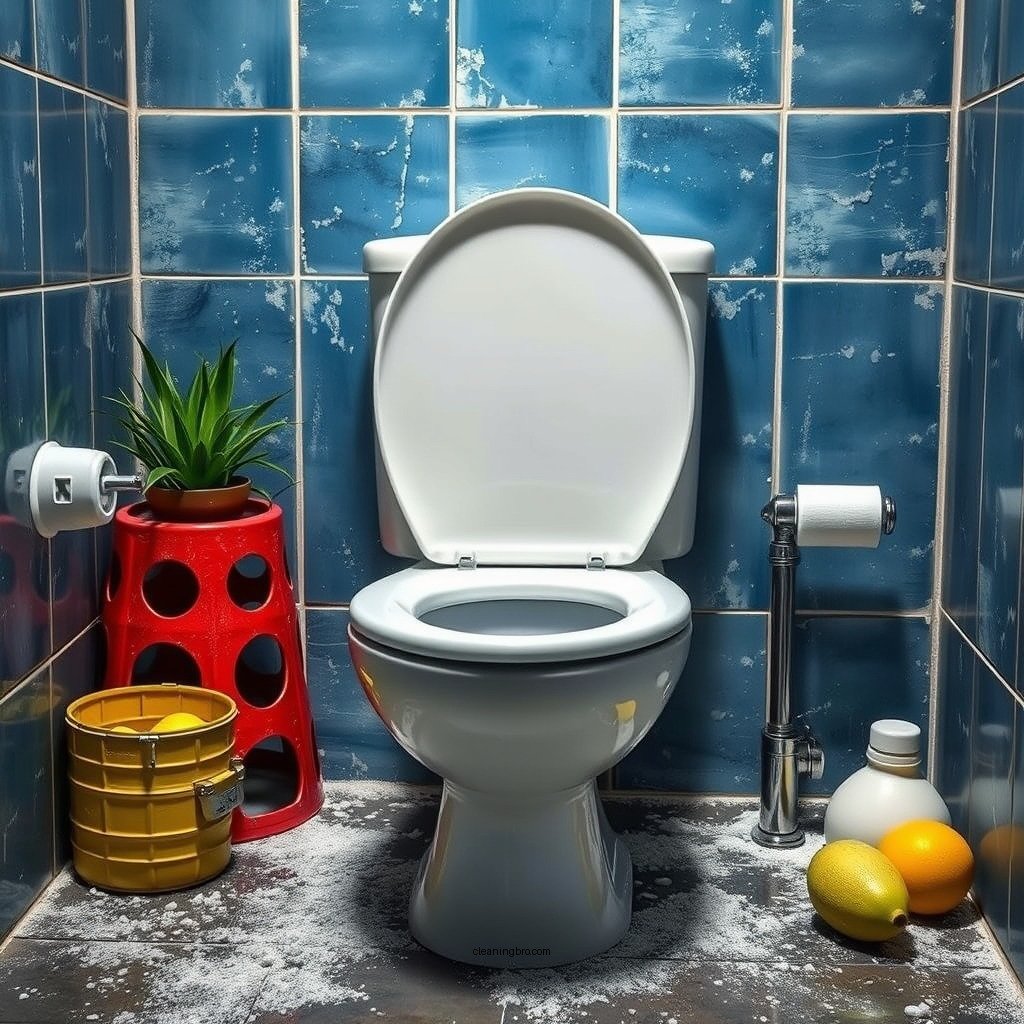
Lime deposits, often referred to as limescale, are mineral buildups that occur when hard water evaporates, leaving behind calcium carbonate and other minerals. These deposits can create unsightly stains, leading to a discolored toilet bowl and potentially affecting the toilet’s flushing performance. Over time, if not addressed, lime deposits can build up and damage the porcelain surface, making it more challenging to remove stains and maintain a clean toilet. Understanding the nature of these deposits is crucial for selecting the right cleaning methods and products to effectively eliminate them.
Tools and Materials Needed
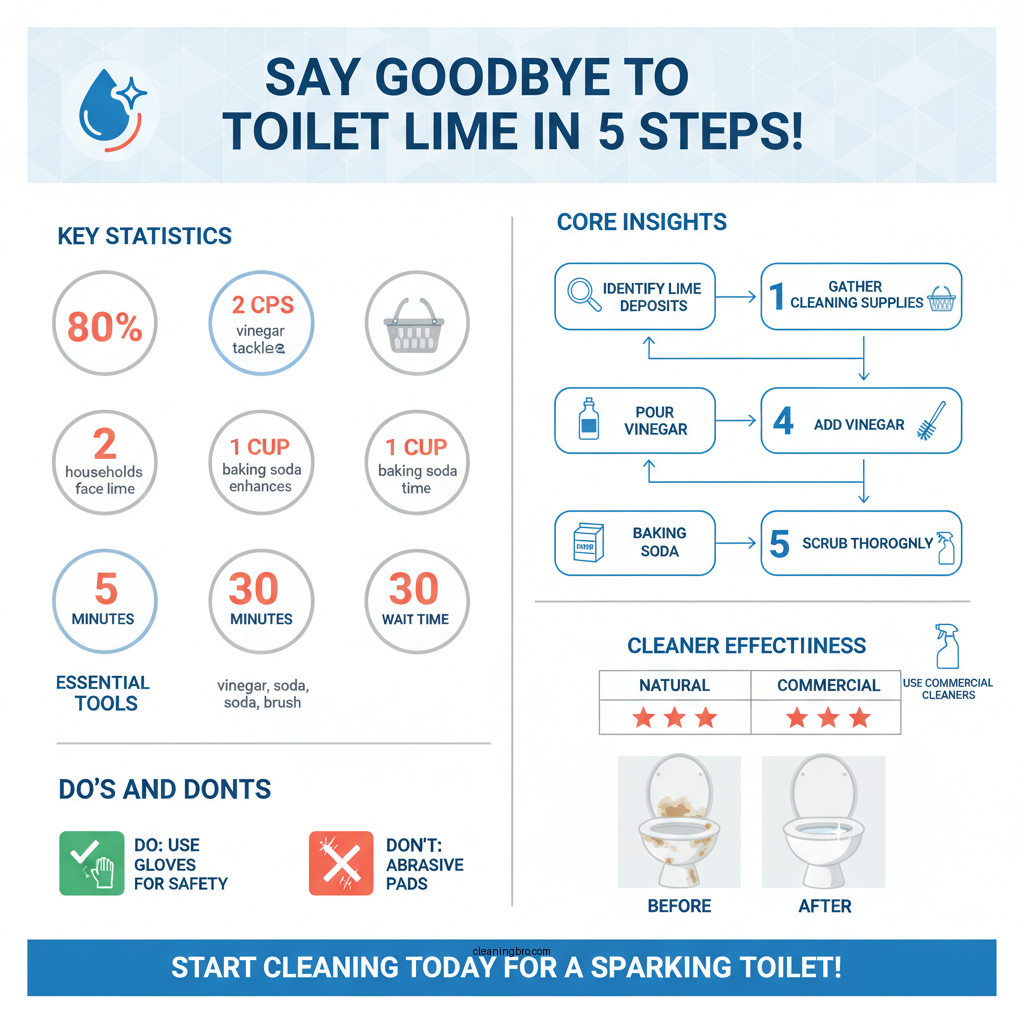
To effectively clean lime deposits from your toilet, you will need the right tools and materials. Here are the essentials:
– White Vinegar: A natural acid that helps dissolve limescale.
– Baking Soda: Works in tandem with vinegar to enhance cleaning power and deodorize.
– Commercial Lime Removers or Descalers: For tougher stains, products specifically designed to tackle lime buildup can be very effective. Look for options that contain phosphoric or hydrochloric acid.
– Toilet Brush: A sturdy brush is essential for scrubbing away deposits.
– Scrubbing Pads: Non-abrasive pads can help tackle stubborn stains without scratching the toilet surface.
– Gloves: Protect your skin from harsh chemicals if you opt for commercial cleaners.
Step-by-Step Cleaning Process
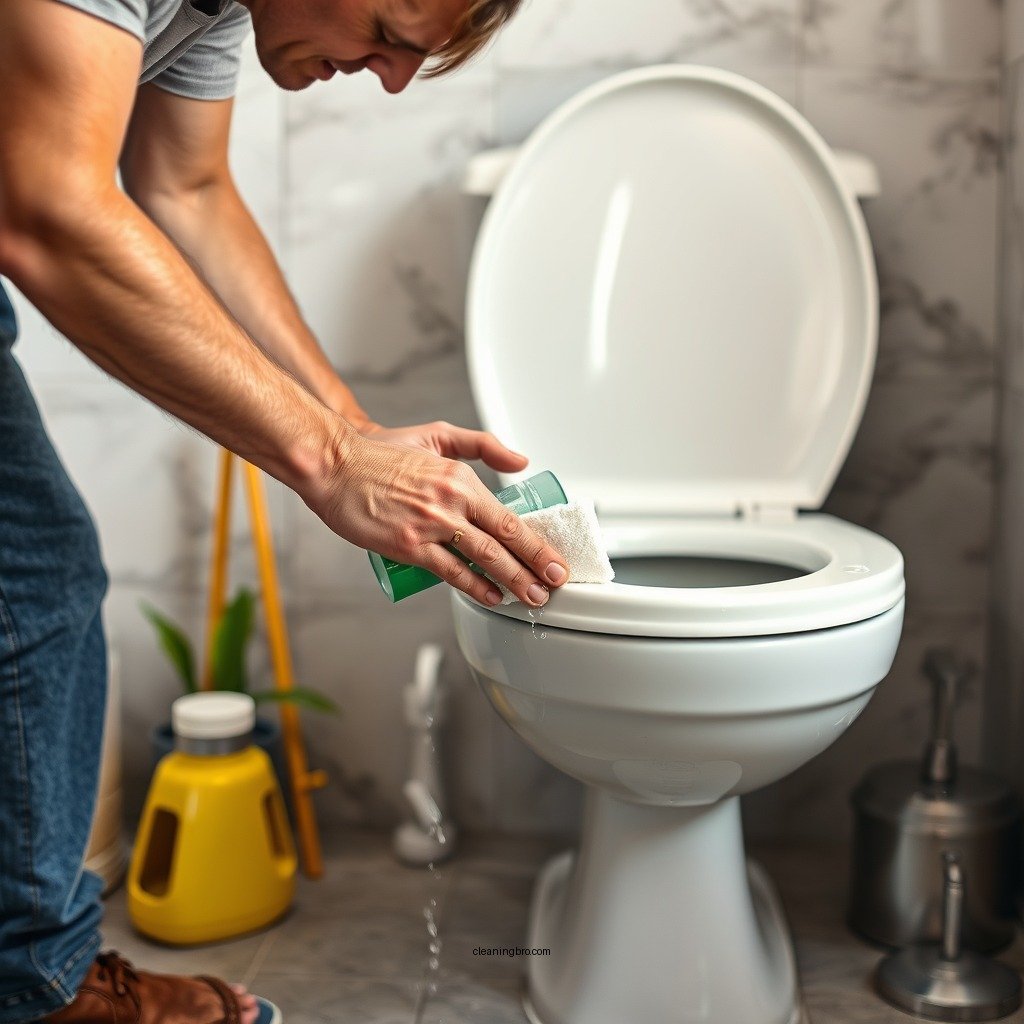
Cleaning lime deposits effectively involves a systematic approach. Here’s a step-by-step guide to help you achieve a spotless toilet bowl:
1. Preparation: Begin by gathering all the necessary tools and materials. Ensure that the bathroom is well-ventilated, especially if using commercial cleaners.
2. Pour Vinegar: Pour approximately 2 cups of white vinegar directly into the toilet bowl, making sure it coats the sides. Allow it to sit for about 30 minutes. The acidity in vinegar works to dissolve the lime deposits.
3. Add Baking Soda: After the vinegar has sat, sprinkle about 1 cup of baking soda into the bowl. This will create a fizzing reaction that further helps to break down the deposits.
4. Scrub the Bowl: Using a toilet brush, scrub the sides of the bowl thoroughly. Pay extra attention to areas where the lime buildup is most evident. For stubborn deposits, you may need to use a scrubbing pad.
5. Commercial Cleaner: If any residual deposits remain after scrubbing, apply a commercial lime remover according to the product instructions. Let it sit for the recommended time, usually around 10-15 minutes, before scrubbing again.
6. Flush: Finally, flush the toilet to rinse away the cleaning agents and any loosened deposits.
7. Repeat as Necessary: Depending on the severity of the lime buildup, you may need to repeat these steps.
Top 5 Natural and Commercial Cleaners for Lime Deposits (2024)
| # | Cleaner Type | Main Ingredient | Effectiveness | Eco-Friendly |
|---|---|---|---|---|
| 1 | White Vinegar | Acetic Acid | High | ✅ |
| 2 | Baking Soda | Sodium Bicarbonate | Medium | ✅ |
| 3 | CLR | Phosphoric Acid | Very High | ❌ |
| 4 | Lime-A-Way | Hydrochloric Acid | High | ❌ |
| 5 | Soft Scrub | Calcium Carbonate | Medium | ✅ |
Preventing Future Lime Buildup
Preventing future lime deposits is just as important as cleaning them. Here are some effective strategies:
– Regular Cleaning: Establish a cleaning routine that includes regular scrubbing of the toilet bowl at least once a week. Consistency will help prevent buildup and keep your toilet looking pristine.
– Install a Water Softener: If your home has hard water issues, consider investing in a water softener. This system can significantly reduce mineral content in your water, thereby minimizing lime deposits.
– Use Toilet Bowl Cleaners: Consider using a toilet bowl cleaner designed to prevent limescale buildup. These products often contain inhibitors that help prevent the formation of lime deposits between cleanings.
Additional Tips and Tricks
In addition to the primary cleaning methods, here are some extra tips to enhance your cleaning efforts:
– Use an Old Toothbrush: For hard-to-reach areas, such as around the rim or under the toilet seat, an old toothbrush can be very effective for scrubbing.
– Avoid Abrasive Cleaners: While it may be tempting to use abrasive pads or powders, these can scratch the toilet’s surface. Stick to non-abrasive tools to maintain the integrity of your toilet.
– Check for Leaks: Sometimes, frequent lime deposits can indicate leaks or running toilets. Regularly check your toilet for leaks, as consistent water flow can exacerbate lime buildup.
Natural vs Commercial Cleaners: Effectiveness Comparison
| Feature | ⭐ Natural Cleaners | Commercial Cleaners |
|---|---|---|
| Cost | Low | Medium |
| Effectiveness | ✅ Good | ✅ Excellent |
| Eco-Friendly | ✅ Yes | ❌ No |
| Ease of Use | Simple | Convenient |
| Safety | ✅ Safe | ❌ Hazardous |
| Stain Removal | ✅ Good | ✅ Excellent |
| Time to Act | 30 mins | 15 mins |
| Availability | Common | Specialty Stores |
| Long-Term Effects | ✅ Positive | ❌ Damaging |
| 🏆 Best For | Homeowners with eco-conscious choices | Heavy-duty cleaning |
When to Call a Professional
While most lime deposits can be managed with DIY cleaning methods, there are instances when it may be best to call a professional:
– Extensive Buildup: If the lime deposits are extensive and resistant to home cleaning methods, a plumbing professional may have access to industrial-grade solutions that can eliminate the buildup without damaging the toilet.
– Underlying Plumbing Issues: If you suspect that your toilet’s minerals buildup is due to underlying plumbing issues, such as leaks or improper drainage, it’s advisable to consult a plumber. These issues may require specialized knowledge and tools to resolve effectively.
Keeping your toilet free from lime deposits is crucial for both hygiene and function. By following the steps outlined above, you can effectively clean your toilet and prevent future issues. Incorporating regular maintenance into your cleaning routine is essential to ensure a sparkling and healthy bathroom environment. By understanding the nature of lime deposits and employing the right cleaning strategies, you’ll maintain a clean and functional toilet for years to come.
Frequently Asked Questions
What are the best methods to clean lime scale from a toilet?
The best methods to clean lime scale from a toilet include using white vinegar, baking soda, or commercial descalers. Pouring vinegar into the toilet bowl and letting it sit for a few hours can effectively dissolve lime scale. For stubborn deposits, a mixture of baking soda and vinegar can create a fizzy reaction that helps lift the build-up.
How often should I clean lime scale from my toilet?
You should clean lime scale from your toilet at least once a month to prevent heavy build-up. Regular maintenance not only keeps your toilet looking clean but also helps maintain its functionality. In areas with hard water, you may need to clean more frequently to manage lime deposits effectively.
Why do I have lime scale build-up in my toilet?
Lime scale build-up in your toilet is primarily caused by hard water, which contains high levels of calcium and magnesium. When water evaporates, it leaves behind these minerals, leading to deposits in your toilet bowl. Understanding this can help you take preventive measures, such as using a water softener.
Which cleaning products are most effective for removing lime scale from toilets?
Effective cleaning products for removing lime scale from toilets include vinegar, baking soda, and commercial lime removers specifically formulated for toilets. Look for products that contain hydrochloric acid or phosphoric acid for tougher stains. Always follow the manufacturer’s instructions for the best results and safety tips.
How can I prevent lime scale from forming in my toilet?
To prevent lime scale from forming in your toilet, consider installing a water softener to reduce the hardness of your water. Additionally, regularly cleaning your toilet with vinegar or commercial descalers can help keep mineral deposits at bay. Flushing the toilet regularly and avoiding standing water can also help minimize lime scale build-up.
References
- 3 Ways to Clean a Toilet – wikiHow Life
https://www.wikihow.com/Clean-a-Toilet - https://www.mayoclinic.org/healthy-lifestyle/consumer-health/in-depth/toilet-cleaning/art-20046027
https://www.mayoclinic.org/healthy-lifestyle/consumer-health/in-depth/toilet-cleaning/art-20046027 - https://www.sciencedirect.com/topics/earth-and-planetary-sciences/lime-scale
https://www.sciencedirect.com/topics/earth-and-planetary-sciences/lime-scale - https://www.bbc.com/future/article/20200501-how-to-get-rid-of-limescale-in-your-home
https://www.bbc.com/future/article/20200501-how-to-get-rid-of-limescale-in-your-home - https://www.cdc.gov/healthywater/drinking/recreational/water-quality.html
https://www.cdc.gov/healthywater/drinking/recreational/water-quality.html - https://www.nature.com/articles/s41598-021-94634-6
https://www.nature.com/articles/s41598-021-94634-6 - https://pubmed.ncbi.nlm.nih.gov/21704746/
https://pubmed.ncbi.nlm.nih.gov/21704746/ - https://www.reuters.com/article/us-usa-cleaning-lime-idUSKBN2A32Y
https://www.reuters.com/article/us-usa-cleaning-lime-idUSKBN2A32Y - Google Scholar Google Scholar
https://scholar.google.com/scholar?q=cleaning+lime+from+toilet - Google Scholar Google Scholar
https://scholar.google.com/scholar?q=limescale+removal+toilet+cleaning