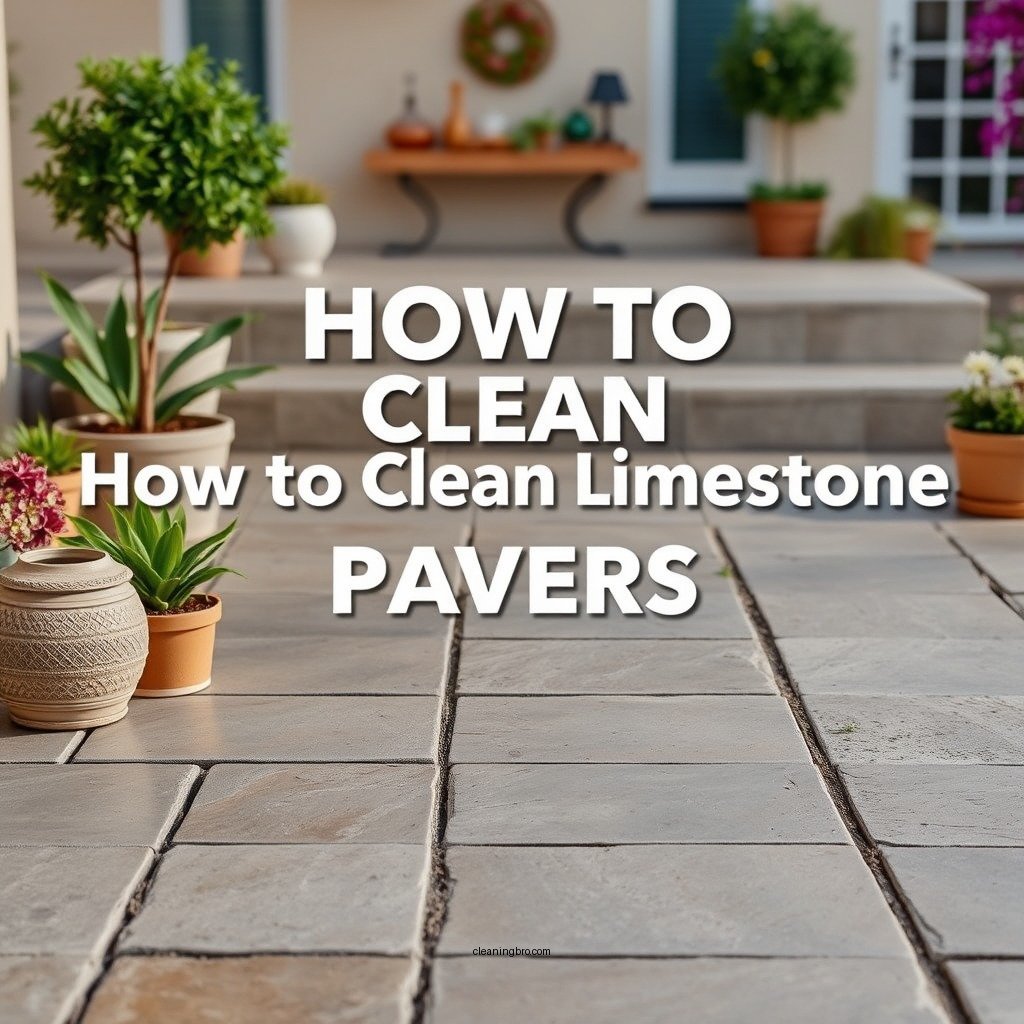
How to Clean Limestone Pavers: A Step-by-Step Guide
Cleaning limestone pavers effectively requires the right techniques and materials to preserve their beauty and integrity. This guide provides essential steps to ensure your limestone pavers are cleaned safely and efficiently, allowing you to maintain their natural elegance. By following these instructions, you can enhance the longevity and appearance of your outdoor spaces, ensuring they remain inviting for years to come.
Understanding Limestone Pavers
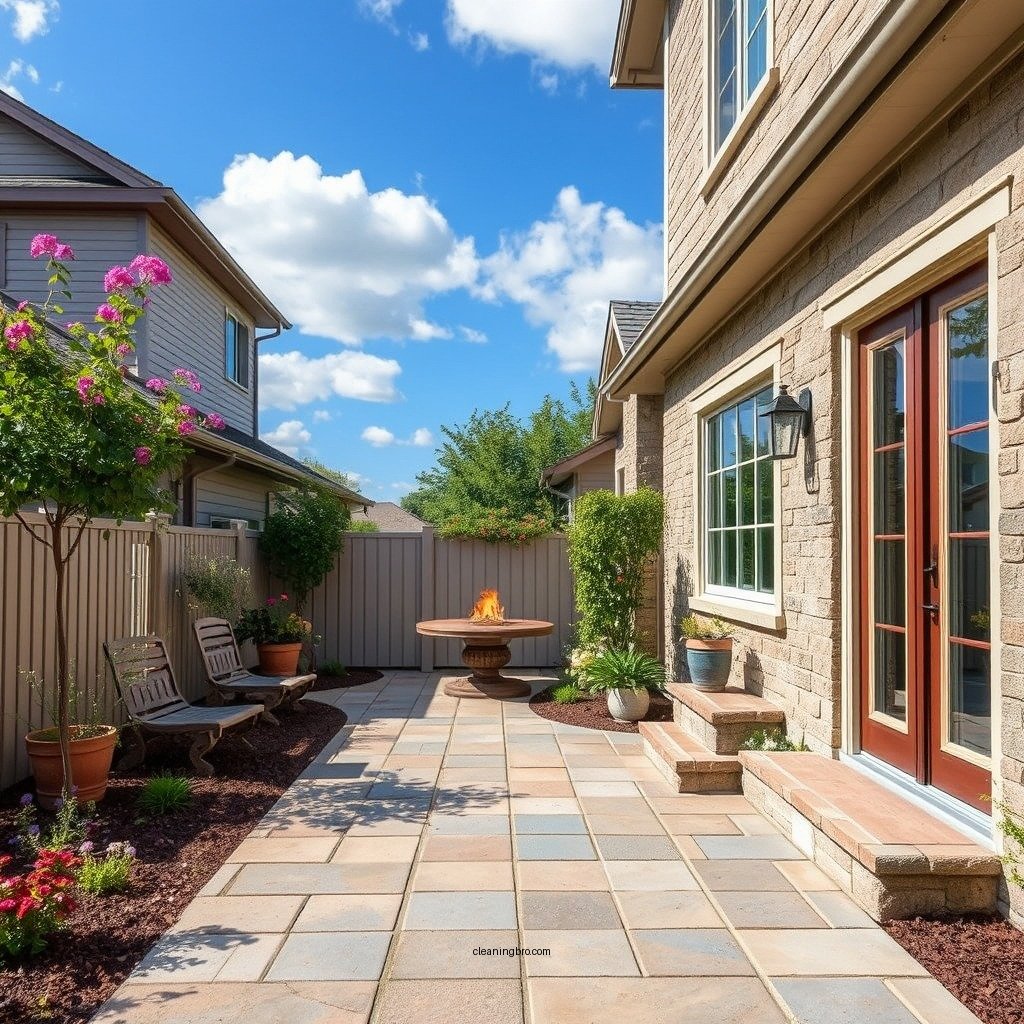
Limestone pavers are a popular choice for patios, walkways, and pool surrounds due to their natural beauty, durability, and versatility. However, limestone is a porous material, which means it can absorb stains and moisture if not properly maintained. This characteristic makes limestone pavers susceptible to discoloration from dirt, oil, and organic matter like moss or algae. To prevent buildup and maintain their aesthetic appeal, regular cleaning and maintenance are essential.
Understanding the properties of limestone helps homeowners appreciate the importance of proper care. The porous nature of limestone allows it to retain water, which can lead to mold growth if not managed correctly. Regular maintenance, including cleaning and sealing, can help to prevent such issues, ensuring that your limestone pavers not only remain visually appealing but also structurally sound.
Preparing for Cleaning
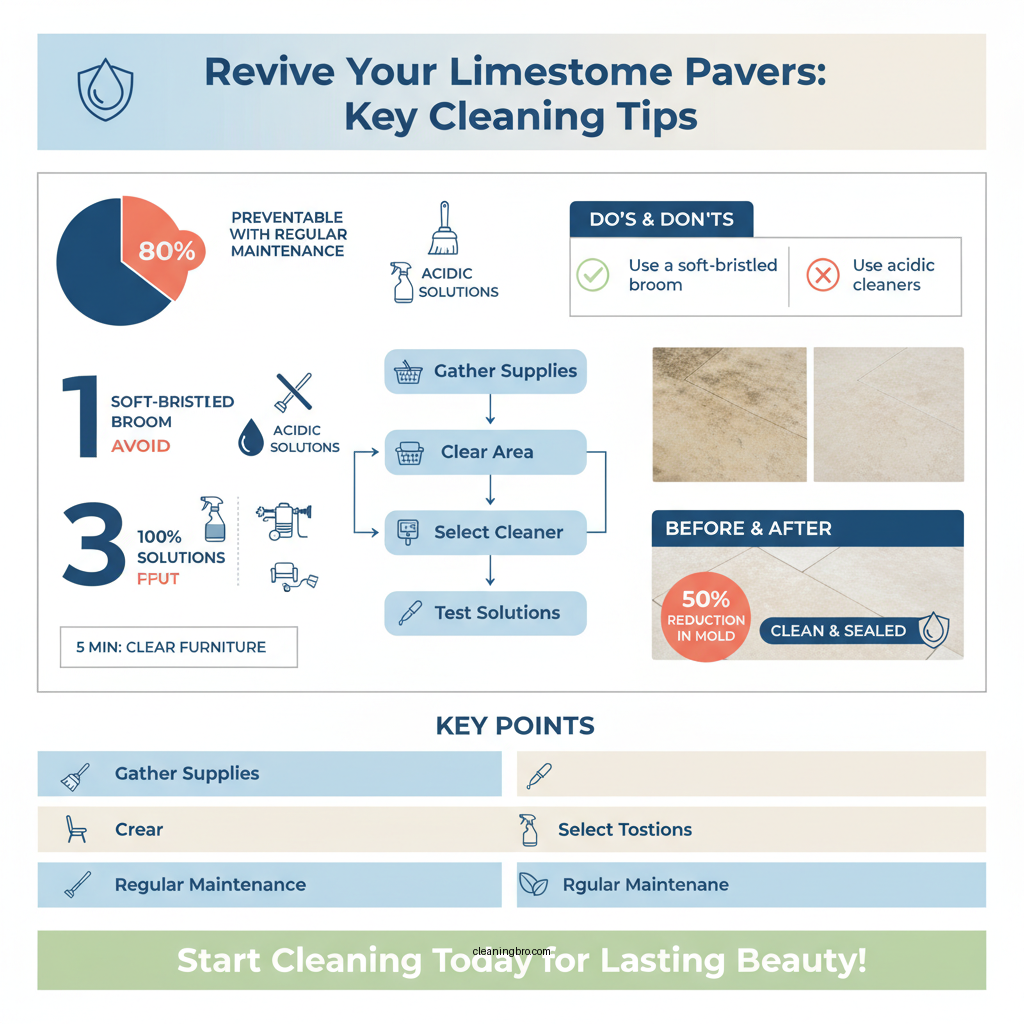
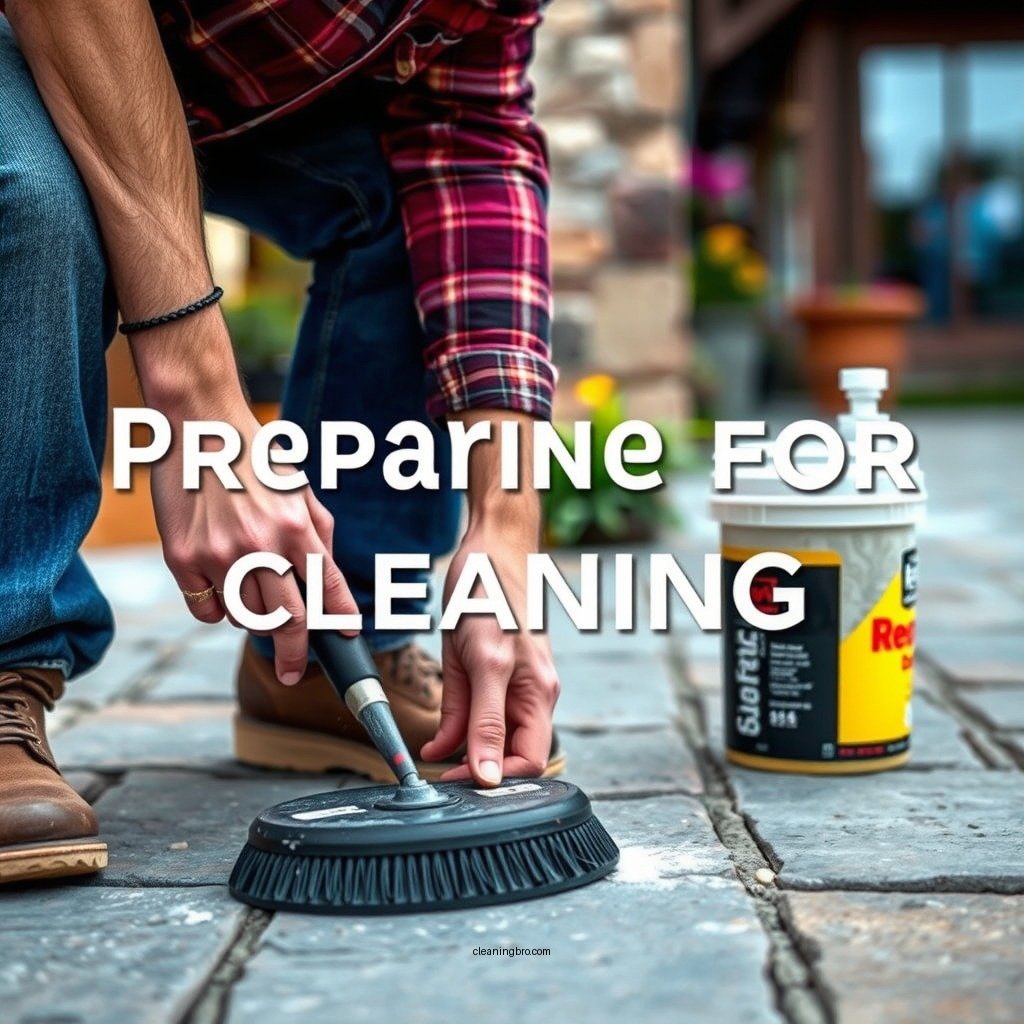
Before embarking on the cleaning process for your limestone pavers, it is crucial to gather the necessary supplies and prepare the area effectively. Start by collecting the following items:
– A soft-bristled broom: This will help to sweep away loose debris without scratching the surface of the limestone.
– A mild detergent: Opt for a pH-neutral cleaner specifically formulated for natural stone to avoid damaging the limestone.
– A pressure washer or hose: This will facilitate thorough rinsing and help remove stubborn stains.
Once you have your supplies ready, clear the area of any furniture, planters, or other obstacles. By creating an unobstructed workspace, you will be able to clean the pavers more efficiently and ensure that no debris is left behind.
Choosing the Right Cleaning Solution
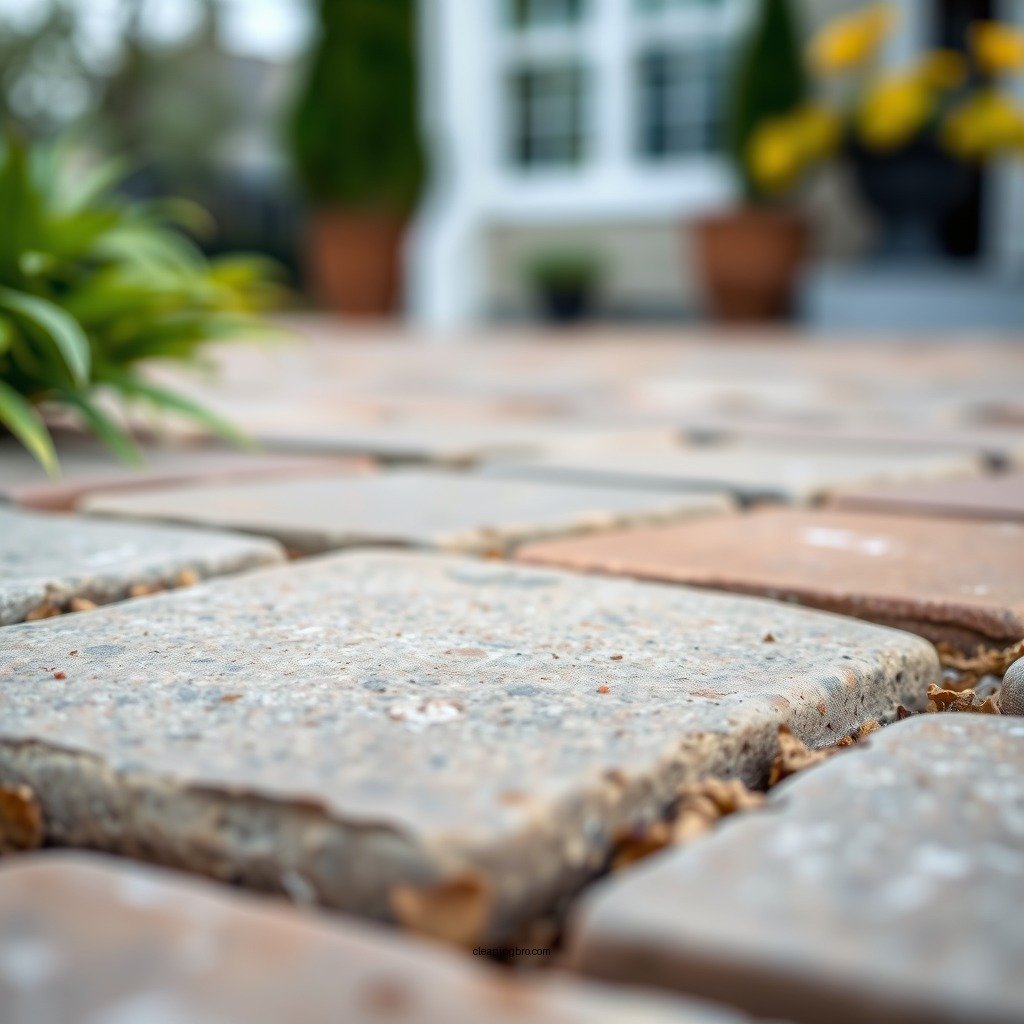
Selecting the appropriate cleaning solution is paramount when it comes to maintaining limestone pavers. A pH-neutral cleaner is ideal, as it effectively removes dirt and stains without compromising the integrity of the stone. Avoid using acidic cleaners such as vinegar or lemon juice, as these can lead to etching and discoloration of the limestone surface.
In addition to commercial cleaners, you can also create a homemade solution by mixing warm water with a few drops of mild dish soap. Always test any cleaning solution on a small, inconspicuous area of the paver before applying it to the entire surface to ensure there are no adverse reactions.
Top 7 Limestone Cleaning Solutions (2024)
| # | Product | pH Level | Uses | Rating |
|---|---|---|---|---|
| 1 | StoneTech Professional | 7.0 | General Cleaning | ★★★★☆ |
| 2 | Simple Green | 7.5 | Heavy-Duty Cleaning | ★★★★★ |
| 3 | EcoClean | 6.5 | Spot Cleaning | ★★★☆☆ |
| 4 | Zep Neutral pH | 7.0 | Daily Use | ★★★★☆ |
| 5 | Black Diamond | 6.0 | Grime & Stain Removal | ★★★★☆ |
| 6 | Rust-Oleum | 7.5 | Mold & Mildew | ★★★★★ |
| 7 | Limestone Cleaner | 7.0 | All-purpose Cleaning | ★★★★☆ |
Cleaning Techniques
Once you have your cleaning solution selected and the area prepared, it’s time to begin the actual cleaning process. Here are some effective techniques:
1. Light Cleaning: For routine maintenance, start by sweeping the surface thoroughly with a soft-bristled broom. This will remove any loose dirt, leaves, or other debris that may have accumulated. After sweeping, mix your selected cleaning solution with water according to the manufacturer’s instructions and apply it to the pavers using a mop or a soft cloth.
2. Deep Cleaning for Tough Stains: For more stubborn stains, such as oil or rust, create a paste with your cleaning solution by mixing it with water until it reaches a thick consistency. Apply the paste directly to the stained area and allow it to sit for 10-15 minutes. This dwell time will enable the cleaner to penetrate the stain. Afterward, scrub the area gently with a soft-bristled brush and rinse thoroughly with clean water.
3. Pressure Washing: For extensive cleaning, especially in large outdoor areas, using a pressure washer can be highly effective. Ensure that you use a low-pressure setting to avoid damaging the porous surface of the limestone. Direct the spray at a 45-degree angle to avoid forcing water into the joints between pavers, which can lead to further issues.
4. Post-Cleaning Assessment: After cleaning, visually inspect the pavers for any remaining stains. If stains persist, repeat the cleaning process as necessary, especially for older or deeply ingrained stains.
Rinsing and Drying
After cleaning, rinsing is a crucial step that should not be overlooked. Rinse the surface thoroughly with clean water to remove all traces of the cleaning solution. If you used a pressure washer, follow up with a gentle rinse using a garden hose to ensure all detergent is washed away.
Allow the limestone pavers to dry completely after rinsing. This step is vital as lingering moisture can lead to water damage and promote the growth of mold and mildew. Ideally, allow the pavers to air-dry in a well-ventilated area and avoid covering them until they are completely dry.
Sealing Limestone Pavers
To enhance the longevity of your limestone pavers and protect them from future stains, consider applying a sealant after cleaning. A high-quality stone sealant will create a protective barrier that repels water and stains, making future cleaning easier.
Reapplication of the sealant is generally recommended every 1 to 3 years, depending on the pavers’ exposure to the elements and foot traffic. Before applying a sealant, ensure that the pavers are completely dry and free from debris. Follow the manufacturer’s instructions for the best results.
Maintaining Your Limestone Pavers
Regular maintenance is key to keeping your limestone pavers looking fresh and beautiful. Here are some tips to help maintain their appearance:
– Routine Sweeping: Make it a habit to sweep the pavers regularly to prevent dirt and debris from accumulating. This simple action can significantly reduce the need for intensive cleaning.
– Prompt Stain Removal: Address stains as soon as they occur. The longer a stain sits, the more challenging it will be to remove, potentially leading to permanent discoloration.
– Seasonal Deep Cleaning: Consider deep cleaning your limestone pavers at least once a year, particularly before or after harsh weather conditions. This will ensure that they stay in excellent condition.
In addition to these practices, regularly inspecting the pavers for any signs of damage or wear will allow you to address issues before they escalate, ensuring your outdoor spaces remain beautiful and safe.
Maintaining the cleanliness of your limestone pavers is crucial for their longevity and appearance. By following these steps, you can ensure that your outdoor spaces remain inviting and beautiful. For best results, incorporate these cleaning practices into your regular home maintenance routine, and enjoy the lasting elegance of your limestone pavers.
Frequently Asked Questions
What is the best way to clean limestone pavers without damaging them?
The best way to clean limestone pavers is to use a pH-neutral cleaner specifically designed for natural stone. Avoid acidic or abrasive cleaners, as they can etch the surface. Mix the cleaner with warm water and use a soft-bristle brush to gently scrub the pavers, then rinse thoroughly with water to remove any residue.
How often should I clean my limestone pavers to maintain their appearance?
To maintain the appearance of your limestone pavers, it is recommended to clean them at least twice a year. However, if they are exposed to heavy foot traffic or environmental stains, more frequent cleaning may be necessary. Regular maintenance helps prevent dirt buildup and prolongs the life of the stone.
Why do limestone pavers require special cleaning techniques compared to other materials?
Limestone pavers require special cleaning techniques because they are porous and sensitive to harsh chemicals. Unlike harder stones, limestone can absorb liquids and stains, and acidic cleaners can cause etching and discoloration. Using gentle, stone-safe cleaning solutions preserves the integrity and beauty of the limestone.
Which tools are best for cleaning limestone pavers effectively?
The best tools for cleaning limestone pavers include a soft-bristle brush, a mop, and a pressure washer set to a low setting. A soft-bristle brush helps to gently scrub away dirt without scratching the surface, while a mop can be used for larger areas. If using a pressure washer, make sure to maintain a safe distance to avoid damaging the stone.
What are effective homemade solutions for cleaning limestone pavers?
Effective homemade solutions for cleaning limestone pavers include a mixture of warm water and a few drops of dish soap or a solution of water and baking soda. Apply the mixture to the pavers, let it sit for a few minutes, then scrub gently with a soft brush. Always rinse thoroughly to prevent any soap residue from affecting the stone’s finish.
References
- Limestone
https://en.wikipedia.org/wiki/Limestone - https://www.sciencedirect.com/topics/earth-and-planetary-sciences/limestone
https://www.sciencedirect.com/topics/earth-and-planetary-sciences/limestone - Limestone | Characteristics, Formation, Texture, Uses, & Facts | Britannica
https://www.britannica.com/science/limestone - An expansive human regulatory lexicon encoded in transcription factor footprints | Nature
https://www.nature.com/articles/nature11212 - Google Scholar Google Scholar
https://scholar.google.com/scholar?q=cleaning+limestone+pavers - Google Scholar Google Scholar
https://scholar.google.com/scholar?q=maintenance+of+limestone+pavers - Google Scholar Google Scholar
https://scholar.google.com/scholar?q=limestone+cleaning+methods - https://www.extension.purdue.edu/extmedia/ho/ho-217-w.pdf
https://www.extension.purdue.edu/extmedia/ho/ho-217-w.pdf - https://www.nps.gov/articles/cleaning-stone.htm
https://www.nps.gov/articles/cleaning-stone.htm - Google Scholar Google Scholar
https://scholar.google.com/scholar?q=how+to+clean+limestone+pavers