How to Clean Lube Out of You: Effective Methods
Cleaning lube out of your body can be straightforward, and the best approach often involves using warm water and mild soap. This ensures that any residue is effectively removed without irritation. Throughout this article, you’ll discover various methods, tips, and aftercare suggestions to ensure your comfort and hygiene.
Understanding Different Types of Lubricants
Lubricants play a crucial role in enhancing comfort during intimate activities. However, understanding the different types of lubricants is essential for effective cleaning.
– Water-based lubes are among the most popular choices, primarily due to their easy clean-up. They dissolve in water, making them simple to wash off with soap and water. These lubes are versatile and compatible with most condoms and sex toys, which adds to their appeal.
– Silicone-based lubes tend to offer a longer-lasting slickness compared to water-based options. However, they present a challenge when it comes to cleaning. Silicone lubes do not wash off with water alone and often require specific cleansers to remove them thoroughly. They are ideal for water play but can leave a residue on the skin that necessitates additional cleaning methods.
– Oil-based lubes can also be used, but they should be approached with caution. Oil-based products can break down latex condoms and may require more effort to clean off the skin.
Understanding these distinctions will help you choose the right lubricant for your needs and anticipate the appropriate cleaning methods afterward.
Best Cleaning Methods for Lubricants
The method you choose for cleaning lube out of your body will depend largely on the type of lubricant used. Here are some effective strategies:
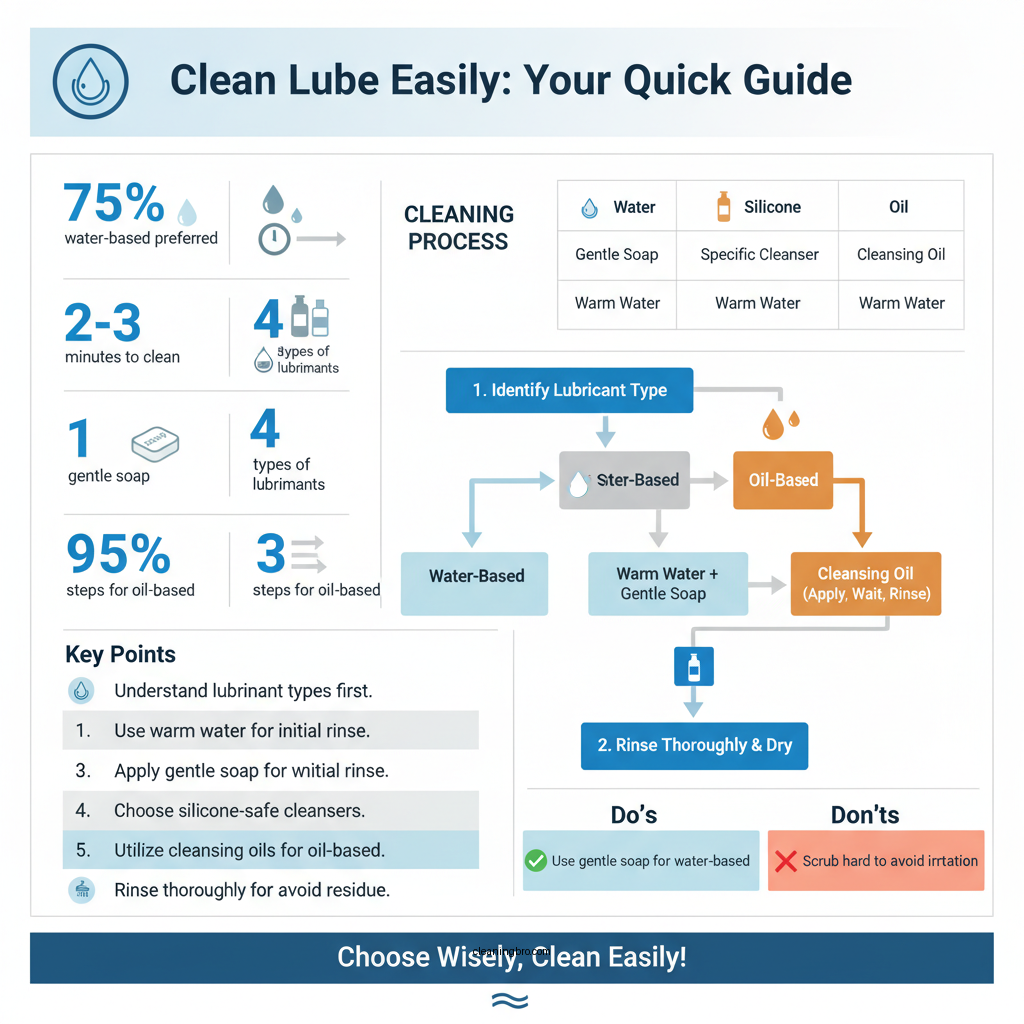
– Water-based Lubricants: For water-based lubes, the simplest method is to use warm water and a gentle, unscented soap. Begin by rinsing the area with warm water to loosen the lubricant. Then, lather a small amount of soap in your hands and apply it to the area, ensuring to clean thoroughly without scrubbing too hard, which could cause irritation.
– Silicone-based Lubricants: Silicone-based products require a bit more effort. After rinsing the area with warm water, use a body-safe cleansing wipe or a specific silicone-safe wash. These products are formulated to break down silicone residue effectively. Always check the ingredients to ensure they are gentle on the skin.
– Oil-based Lubricants: For oil-based lubes, you may need to use a cleansing oil or a gentle soap designed to break down oils. Apply the cleansing product to the affected area, allow it to sit for a few moments, and then rinse thoroughly with warm water.
By understanding the nature of the lubricant used, you can select the most effective cleaning method.
Steps for Cleaning After Use
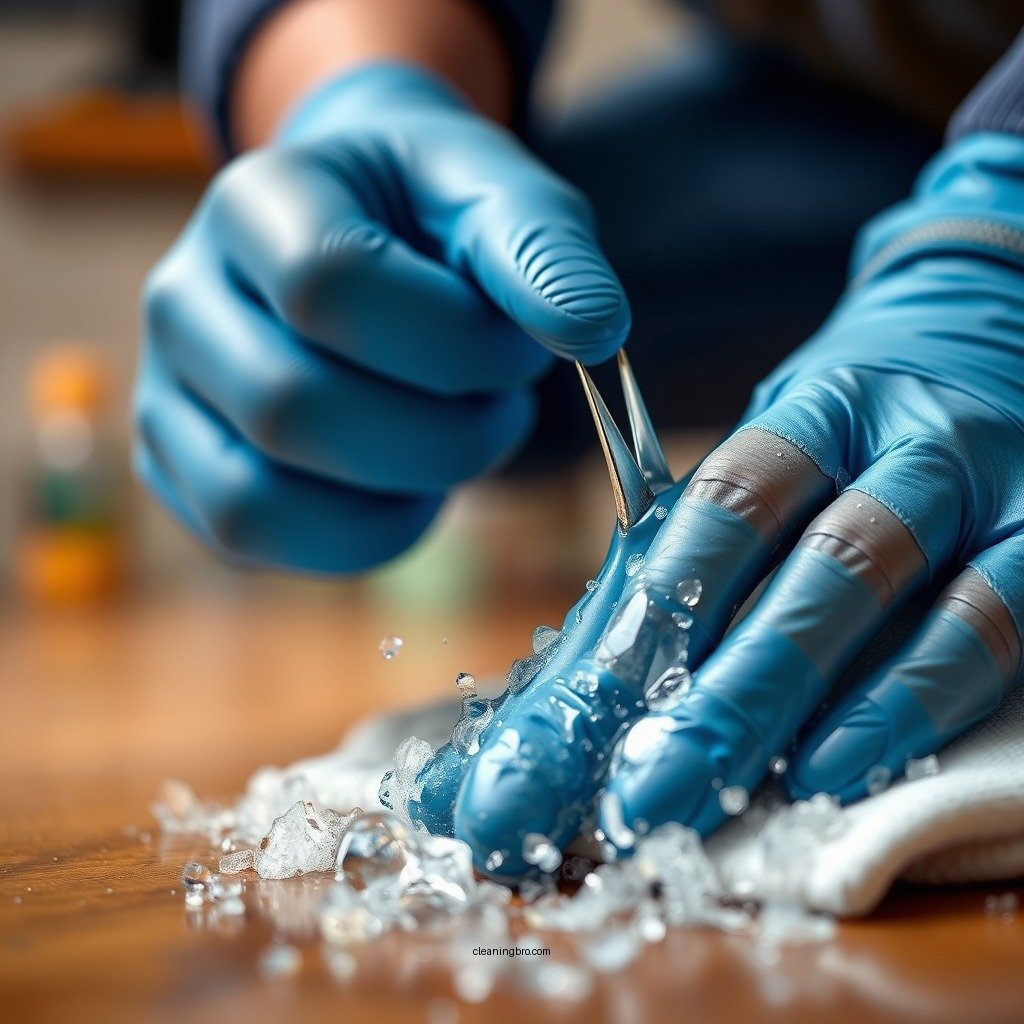
Once you have completed your intimate activities, following a structured cleaning routine will help maintain hygiene:
1. Rinse: Start by rinsing the area with warm water. This initial step helps to break down the lubricant, making it easier to remove.
2. Apply Soap: Use a gentle, unscented soap. Gently lather the soap in your hands and apply it to the area, ensuring you cover all surfaces where the lubricant may have come into contact.
3. Gently Scrub: Using your fingers or a soft cloth, gently scrub the area. Avoid using abrasive materials that could irritate sensitive skin.
4. Rinse Again: After cleaning, rinse the area thoroughly with warm water to remove all soap and any remaining lubricant.
5. Dry: Pat the area dry with a clean towel instead of rubbing, as this can cause irritation.
Implementing this structured cleaning routine will help ensure that all traces of lubricant are removed effectively.
Post-Cleaning Care
After cleaning, taking care of your skin is essential, especially if you experience any dryness or irritation:
– Pat Dry: After cleaning, gently pat the area dry with a clean towel. Avoid rubbing, which can cause further irritation.
– Moisturize: If you notice any dryness or discomfort, consider applying a light, fragrance-free moisturizer or a soothing aloe vera gel. This can help replenish moisture and calm the skin.
– Monitor for Reactions: Keep an eye on the area for any signs of irritation, redness, or discomfort. If you notice any adverse reactions, this might indicate that the lubricant used was not suitable for your skin type.
Taking these steps can enhance your comfort and ensure that your skin remains healthy following intimate activities.
When to Seek Medical Advice
While many experiences with lubricants are trouble-free, there are times when medical advice is necessary:
– Irritation or Redness: If you experience unusual irritation, redness, or persistent discomfort after cleaning, it’s advisable to consult a healthcare professional.
– Allergic Reactions: In some cases, individuals may have allergic reactions to certain ingredients in lubricants. If you notice severe itching, swelling, or rash, seek medical attention promptly.
– Persistent Issues: If symptoms persist despite cleaning and soothing measures, it could indicate an infection or another underlying condition that requires professional evaluation.
Your health and comfort are paramount, and addressing concerns early can prevent complications.
Tips for Preventing Future Residue
Preventing lubricant residue can simplify post-activity cleaning significantly. Here are some effective tips:
– Choose the Right Type of Lube: Opt for water-based lubes if you prefer a product that is easy to clean. If you enjoy silicone-based lubes for their longevity, be prepared with the right cleaning supplies.
– Use Appropriate Amounts: Using just enough lubricant can minimize cleanup efforts. Excessive lubricant can lead to a more complicated cleaning process.
– Test Products: Before committing to a new lubricant, consider patch testing it on a small area of skin to determine any potential reactions.
By being mindful of your choices and practices, you can enhance your experience while simplifying the cleanup process.
Types of Lubricants and Their Cleaning Needs
| # | Type of Lube | Ease of Cleaning | Common Uses | Skin Sensitivity |
|---|---|---|---|---|
| 1 | Water-Based | Easy | General Use | Low Sensitivity |
| 2 | Silicone-Based | Moderate | Long-Lasting | Varies |
| 3 | Oil-Based | Difficult | Massage | Higher Sensitivity |
| 4 | Hybrid | Moderate | Versatile | Low Sensitivity |
Water-based vs Silicone-based vs Oil-based Lubricants
| Feature | ⭐ Water-Based | Silicone-Based | Oil-Based |
|---|---|---|---|
| Ease of Cleaning | ✅ Very Easy | ✅ Moderate | ❌ Difficult |
| Compatibility with Condoms | ✅ Safe | ✅ Safe | ❌ Not Safe |
| Skin Sensitivity | ✅ Low Sensitivity | ✅ Varies | ❌ Higher Sensitivity |
| Longevity | ❌ Short | ✅ Long | ✅ Very Long |
| Temperature Resistance | ✅ Excellent | ✅ Good | ❌ Moderate |
| Versatility | ✅ High | ✅ High | ❌ Low |
| Price | $10-$20 | $15-$25 | $5-$15 |
| Fragrance Options | ✅ Variety Available | ✅ Limited | ✅ Variety Available |
| 🏆 Best For | General Use | Long-Lasting Needs | Massage Therapy |
By following the steps and methods outlined in this article, you can effectively clean lube out of your body while ensuring your skin remains healthy and irritation-free. Remember to choose the right products and techniques for your specific needs, and do not hesitate to seek professional advice if you have any concerns. Cleanliness not only enhances comfort but also contributes to overall well-being in intimate experiences.
Frequently Asked Questions
What are the best methods to clean lube out of fabric?
To effectively clean lube out of fabric, start by blotting the affected area with a paper towel to absorb excess oil. Then, apply a mixture of warm water and dish soap directly to the stain, gently rubbing it in with a soft cloth. For stubborn stains, you may need to use a stain remover before washing the fabric in the hottest water safe for the material.
How can I remove lube from my skin without irritation?
To remove lube from your skin without causing irritation, use warm water and a mild soap to gently wash the area. Avoid harsh scrubbing, which can lead to irritation. If the lube is particularly thick, applying a small amount of oil-based cleanser or baby oil can help break it down before rinsing with soap and water.
Why is it important to clean lube off thoroughly after use?
It is important to clean lube off thoroughly after use to prevent potential skin irritation, infections, or allergic reactions. Residue can also affect the pH balance of your skin, leading to discomfort. Proper cleaning ensures a healthy and pleasant experience in future intimate activities.
Which products are effective for cleaning lube off surfaces?
Effective products for cleaning lube off surfaces include dish soap, all-purpose cleaners, or a vinegar and water solution. These products help break down the oily residue left by lubricant, making it easier to wipe away. Always test a small area first to avoid damaging the surface.
What should I avoid when trying to clean lube out of my hair?
When trying to clean lube out of your hair, avoid using hot water, as it can make the oil spread further and become harder to remove. Instead, use a clarifying shampoo designed to break down oils, and follow up with a deep conditioner to restore moisture. Avoid using silicone-based products in this process, as they can exacerbate the issue.
References
- https://www.mayoclinic.org/healthy-lifestyle/sexual-health/in-depth/lubricants/art-20045885
https://www.mayoclinic.org/healthy-lifestyle/sexual-health/in-depth/lubricants/art-20045885 - https://www.cdc.gov/sexualhealth/healthcareproviders/lubricants.html
https://www.cdc.gov/sexualhealth/healthcareproviders/lubricants.html - https://www.ncbi.nlm.nih.gov/pmc/articles/PMC6121986/
https://www.ncbi.nlm.nih.gov/pmc/articles/PMC6121986/ - https://www.who.int/news-room/q-a-detail/sexual-and-reproductive-health-lubricants
https://www.who.int/news-room/q-a-detail/sexual-and-reproductive-health-lubricants - https://www.sciencedirect.com/topics/medicine-and-dentistry/lubricant
https://www.sciencedirect.com/topics/medicine-and-dentistry/lubricant - https://www.nytimes.com/2021/06/07/well/live/lubricant-sexual-health.html
https://www.nytimes.com/2021/06/07/well/live/lubricant-sexual-health.html - https://www.bbc.com/future/article/20210316-how-to-choose-the-best-lubricant
https://www.bbc.com/future/article/20210316-how-to-choose-the-best-lubricant - Google Scholar Google Scholar
https://scholar.google.com/scholar?q=cleaning+lubricants+from+skin - Google Scholar Google Scholar
https://scholar.google.com/scholar?q=removing+lubricants+from+body - Google Scholar Google Scholar
https://scholar.google.com/scholar?q=personal+lubricants+cleaning+methods