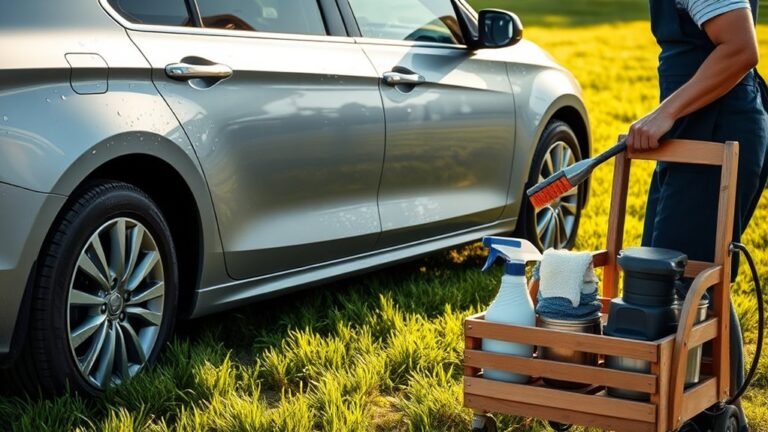
How to Clean Mold from Car Upholstery: Step-by-Step Guide
Understanding Mold Growth in Cars
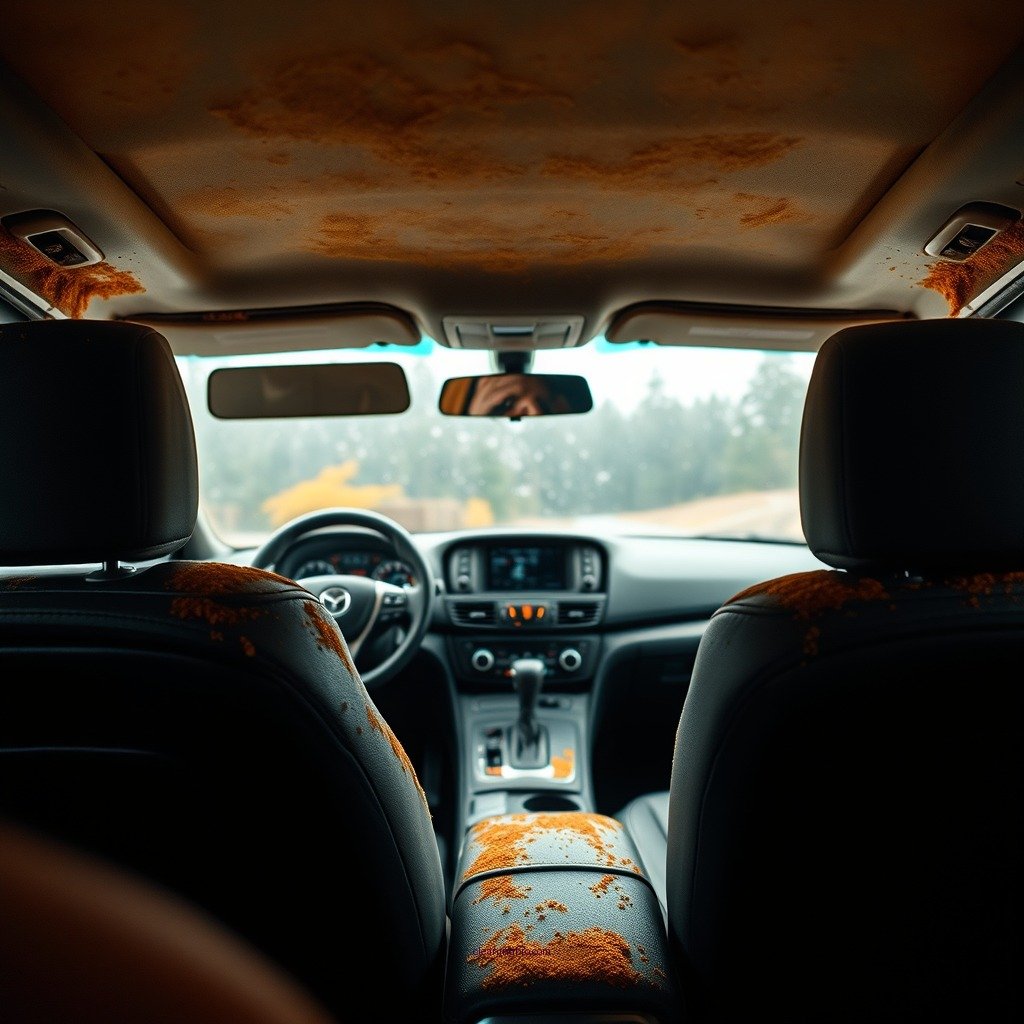
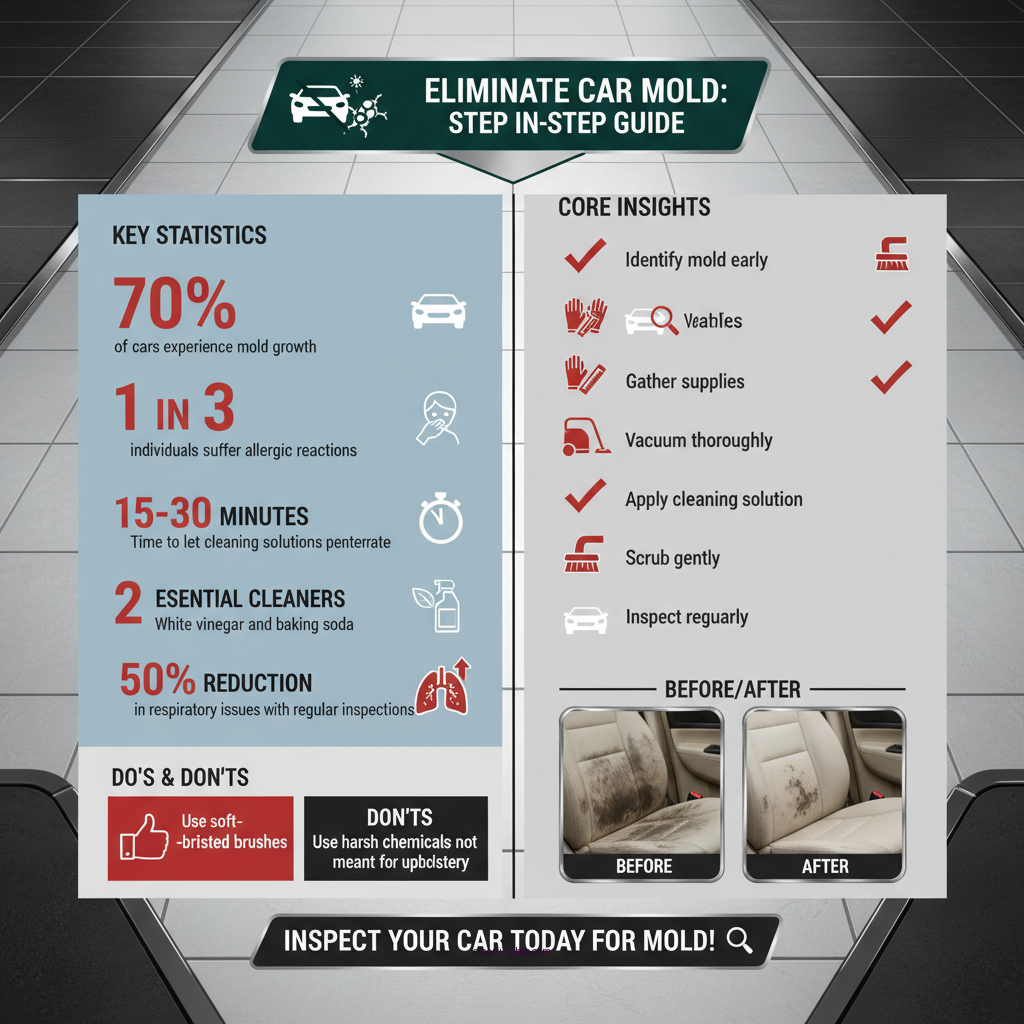
Mold thrives in damp and warm environments, making vehicles particularly susceptible after moisture exposure from spills or leaks. The confined space of a car can create the perfect breeding ground for mold spores, especially in humid conditions. Identifying mold early is crucial; not only can it lead to unpleasant odors and unsightly stains, but it can also pose significant health risks, particularly for those with allergies or respiratory issues. According to the Centers for Disease Control and Prevention (CDC), mold can cause a range of health problems, including coughing, sneezing, and even more severe respiratory issues. Regular inspection of your vehicle’s interior can help catch mold growth before it becomes a larger issue.
Preparing for Cleaning
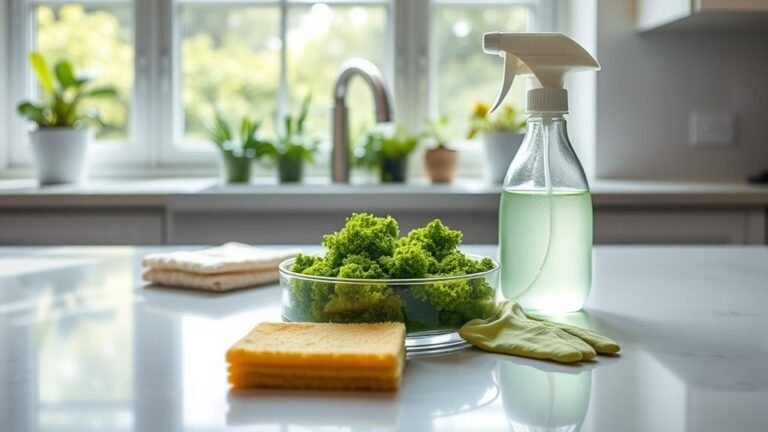
Before you start cleaning, gather all necessary supplies to ensure an efficient process. Essential items include:
– Gloves: To protect your hands from mold spores and cleaning agents.
– Masks: To prevent inhalation of mold particles and chemical fumes.
– Soft-bristled brushes: For gently scrubbing the upholstery without damaging the fabric.
– Cleaning solutions: Options include white vinegar, baking soda, and commercial mold removers, each effective in different scenarios.
For instance, white vinegar is a natural antifungal agent, while baking soda can help absorb odors and moisture. If you choose a commercial cleaner, ensure it is specifically designed for mold removal to maximize effectiveness.
Step-by-Step Cleaning Process
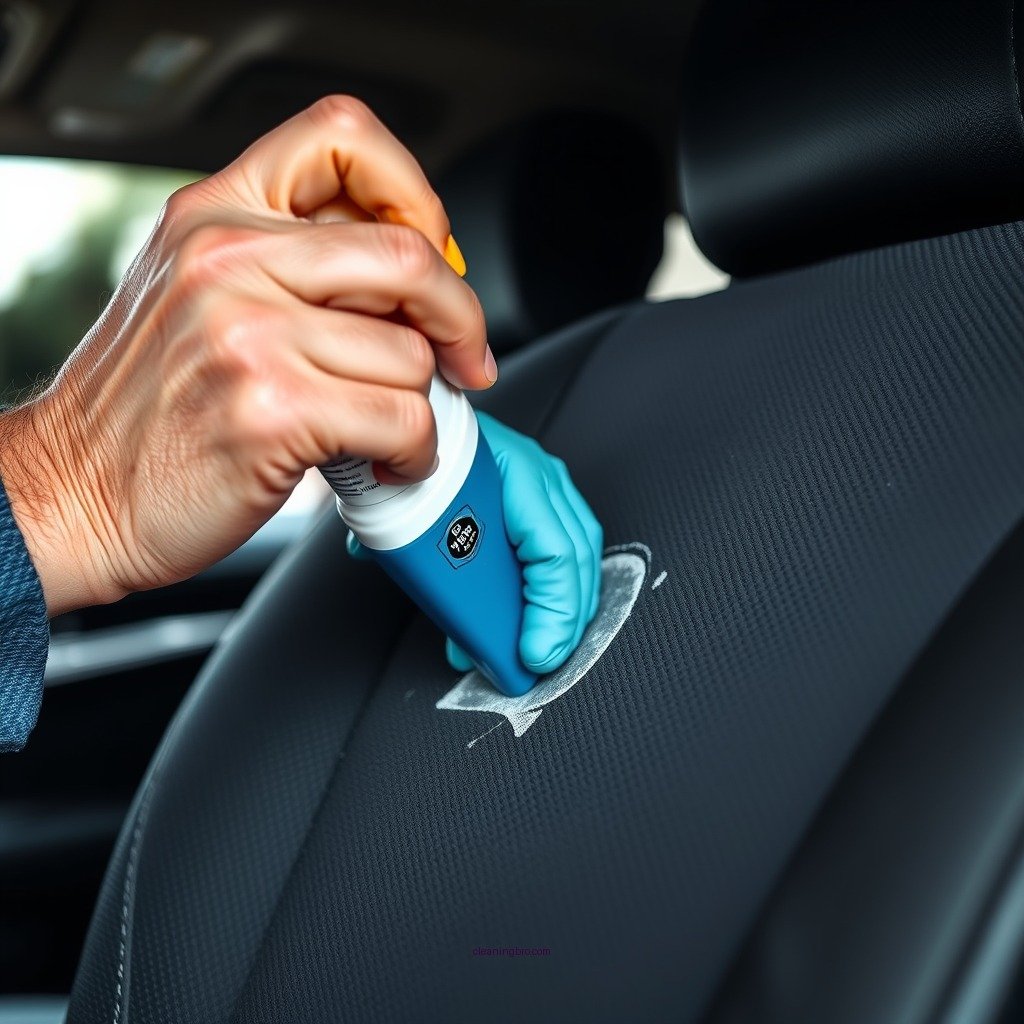
1. Vacuuming: Begin by vacuuming the upholstery thoroughly to remove loose dirt and debris. Pay special attention to seams and crevices where mold may hide.
2. Application of Cleaning Solution: Once vacuumed, apply your chosen cleaning solution to the affected areas. If using vinegar, mix equal parts with water in a spray bottle. For baking soda, create a paste with water and apply it directly to the moldy spots. Allow the solution to penetrate the mold for at least 15-30 minutes to effectively kill the spores.
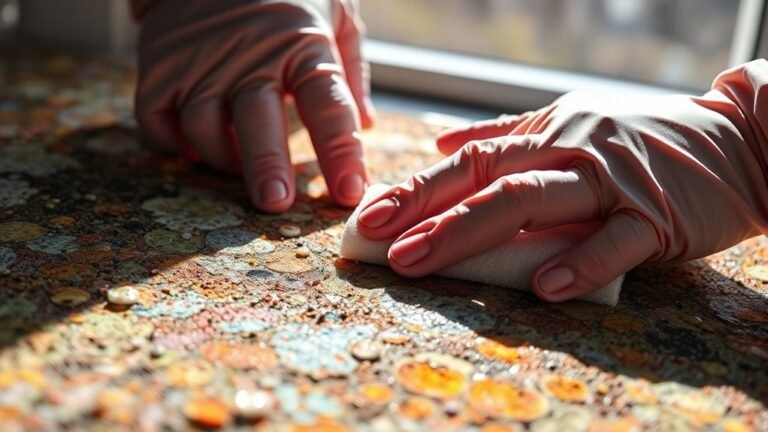
3. Scrubbing: After the solution has had time to work, use a soft-bristled brush to gently scrub the area. Be cautious with the amount of pressure applied to avoid damaging the upholstery.
4. Rinsing: Once the mold is scrubbed away, rinse the area with a damp cloth to remove any residue from the cleaning solution.
Rinsing and Drying Techniques
After cleaning, it is essential to rinse the upholstery thoroughly. Use a damp cloth to wipe away the cleaning solution and any remaining mold. Avoid soaking the fabric as excessive moisture can lead to new mold growth.
For effective drying, leave the car windows open and utilize fans to circulate air. If possible, park the car in a sunny area, as sunlight can help to naturally dry out the fabric and kill any remaining spores. Ensure the car is completely dry before closing the windows or using it again.
Preventing Future Mold Growth
Prevention is key in maintaining a mold-free car interior. Regularly clean and inspect your vehicle, especially after exposure to moisture, such as during a rainstorm or after a spilled drink. Here are some practical tips:
– Use moisture absorbers: Products like silica gel packs or activated charcoal can help maintain a dry environment within the car.
– Install a dehumidifier: Consider using a small dehumidifier designed for cars, especially in humid climates.
– Keep the car ventilated: Regularly air out your vehicle, particularly if it is parked for long periods.
When to Seek Professional Help
If mold persists despite your cleaning attempts, it may be time to hire a professional mold remediation service. Professionals have access to specialized equipment and products that can effectively eliminate mold. Additionally, if the extent of mold damage is significant, such as if it has penetrated deep into the upholstery or other materials, assessing whether upholstery replacement is necessary may be crucial to ensure your vehicle remains safe and healthy.
In summary, cleaning mold from car upholstery requires prompt action and the right techniques. By following the outlined steps and maintaining a clean, dry environment, you can keep your vehicle mold-free. Take the first step today by gathering your supplies and tackling those moldy spots!
Effectiveness of Common Mold Cleaning Agents
| # | Cleaning Agent | Effectiveness | Ease of Use | Odor Control |
|---|---|---|---|---|
| 1 | White Vinegar | High | Easy | Good |
| 2 | Baking Soda | Moderate | Very Easy | Excellent |
| 3 | Hydrogen Peroxide | High | Moderate | Good |
| 4 | Commercial Mold Removers | Very High | Easy | Variable |
| 5 | Lemon Juice | Moderate | Very Easy | Good |
| 6 | Tea Tree Oil | High | Moderate | Excellent |
| 7 | Rubbing Alcohol | Moderate | Easy | Variable |
Homemade vs Commercial Mold Cleaners: A Comparison
| Feature | ⭐ Homemade Solutions | Commercial Solutions | Best Overall |
|---|---|---|---|
| Cost | Low | Medium | Medium |
| Effectiveness | ✅ Good | ✅ Excellent | ✅ Best |
| Ease of Use | Easy | Moderate | Easy |
| Odor Control | Good | Variable | Best |
| Availability | Common ingredients | Widely available | Widely available |
| Environmental Impact | Low | Variable | Low |
| Health Safety | Generally Safe | May contain harmful chemicals | Generally Safe |
| Time to Effectiveness | Short | Moderate | Short |
| User Reviews | Generally Positive | Mixed | Generally Positive |
| 🏆 Best For | Budget-conscious users | Heavy-duty mold removal | All-around effectiveness |
Frequently Asked Questions
What are the best methods for cleaning mold from car upholstery?
The best methods for cleaning mold from car upholstery include using a mixture of vinegar and water, or a specialized mold remover. Start by vacuuming the affected area to remove loose spores, then apply the solution with a soft brush. Always test a small area first to ensure the upholstery doesn’t get damaged.
How can I safely remove mold from my car’s fabric seats?
To safely remove mold from your car’s fabric seats, use a solution of equal parts water and white vinegar. Spray the mixture onto the moldy areas, let it sit for about 10-15 minutes, and then scrub gently with a soft brush. Rinse with clean water and allow the seats to dry completely to prevent mold from returning.
Why is mold growing on my car upholstery, and how can I prevent it?
Mold typically grows on car upholstery due to excess moisture and poor ventilation, often following spills or wet weather conditions. To prevent mold growth, ensure your car is dry by regularly cleaning spills, using moisture absorbers, and allowing airflow by leaving windows slightly open when parked in a safe area.
Which products are effective for removing mold from car upholstery?
Effective products for removing mold from car upholstery include enzyme-based cleaners, vinegar solutions, and commercial upholstery cleaners specifically designed for mold. Look for products containing hydrogen peroxide or baking soda for added effectiveness, but always follow the manufacturer’s instructions for safe use.
How can I tell if mold is completely removed from my car upholstery?
You can tell if mold is completely removed from your car upholstery by inspecting the area for any visible signs of discoloration or fuzzy growth. Additionally, sniffing for musty odors can indicate lingering mold. After cleaning, ensure the area is thoroughly dried and monitor it for any return of mold over the next few days.
References
- https://www.cdc.gov/mold/cleanup.htm
https://www.cdc.gov/mold/cleanup.htm - https://www.mayoclinic.org/healthy-lifestyle/consumer-health/in-depth/mold-cleanup/art-20046775
https://www.mayoclinic.org/healthy-lifestyle/consumer-health/in-depth/mold-cleanup/art-20046775 - Mold | US EPA
https://www.epa.gov/mold - https://www.who.int/news-room/fact-sheets/detail/mold
https://www.who.int/news-room/fact-sheets/detail/mold - https://www.healthycar.org/faq/how_to_clean_mold_from_your_car/
https://www.healthycar.org/faq/how_to_clean_mold_from_your_car/ - https://www.ncbi.nlm.nih.gov/pmc/articles/PMC5306261/
https://www.ncbi.nlm.nih.gov/pmc/articles/PMC5306261/ - https://www.sciencedirect.com/topics/earth-and-planetary-sciences/mold-removal
https://www.sciencedirect.com/topics/earth-and-planetary-sciences/mold-removal - Google Scholar Google Scholar
https://scholar.google.com/scholar?q=cleaning+mold+from+car+upholstery - Google Scholar Google Scholar
https://scholar.google.com/scholar?q=mold+removal+techniques+in+vehicles - Google Scholar Google Scholar
https://scholar.google.com/scholar?q=automotive+upholstery+mold+cleaning+methods