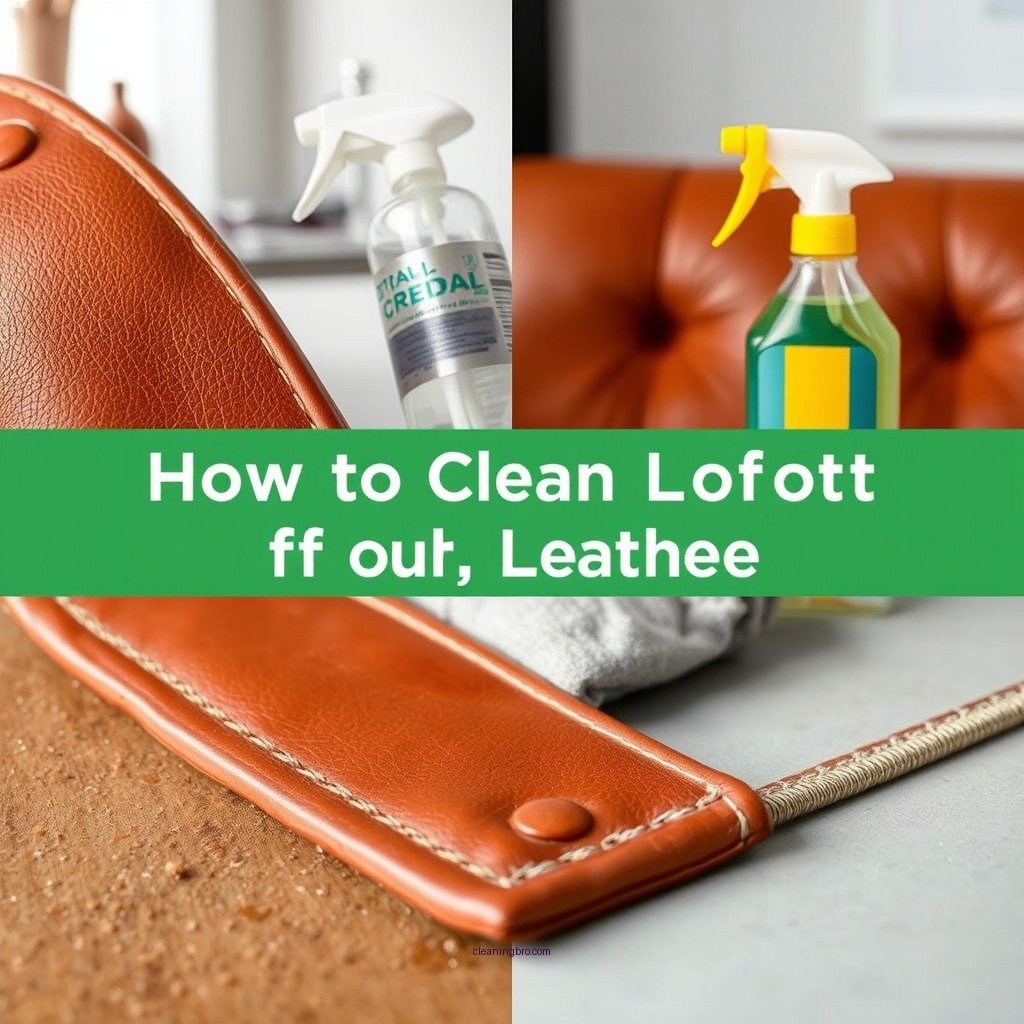
How to Clean Mold Off of Leather: Effective Methods
Understanding Mold on Leather
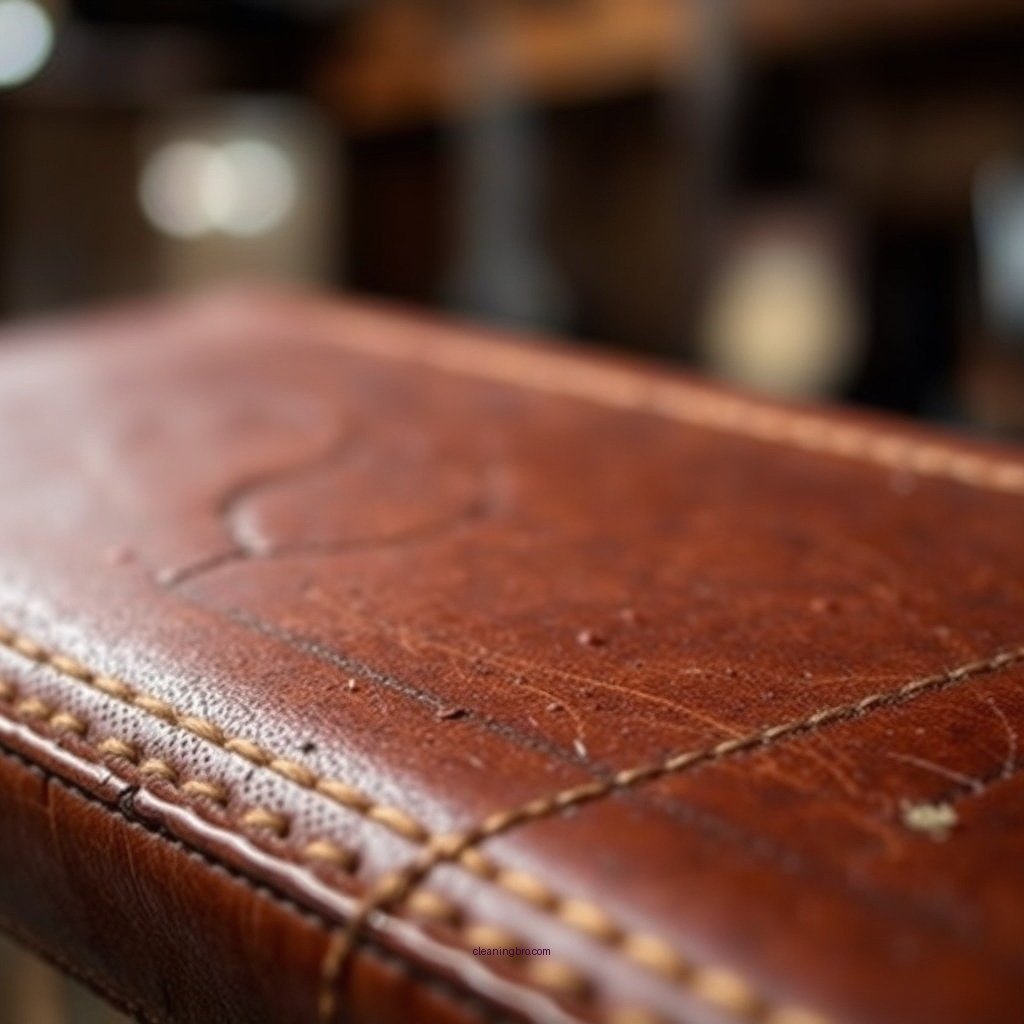
Mold thrives in damp, dark environments, making leather particularly vulnerable if not stored correctly. Leather items can become breeding grounds for mold if exposed to high humidity, moisture, or poor ventilation. Identifying the type of leather and the extent of mold growth is crucial before embarking on the cleaning process. Natural leathers, such as suede or nubuck, may require different treatment methods compared to synthetic options. Moreover, the severity of the mold infestation will dictate whether a simple cleaning will suffice or if professional intervention is necessary.
Safety Precautions
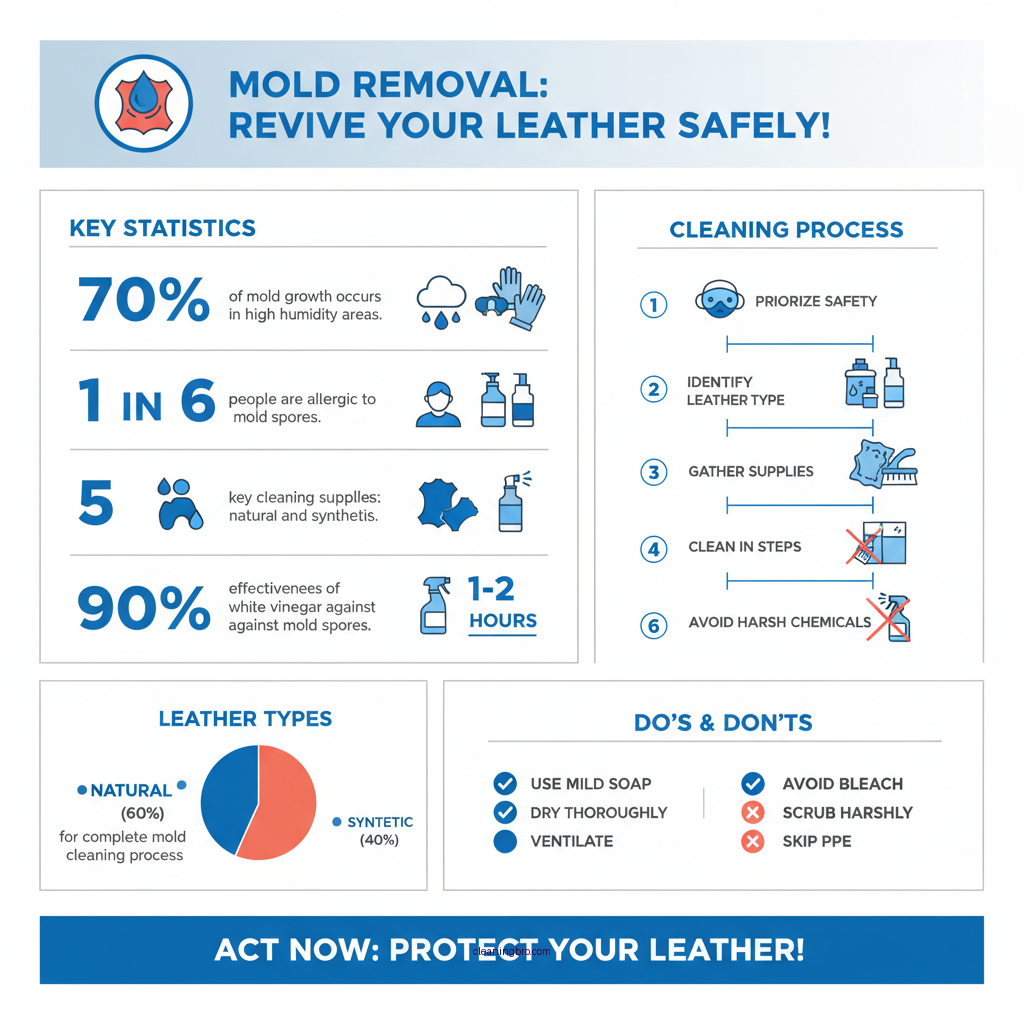
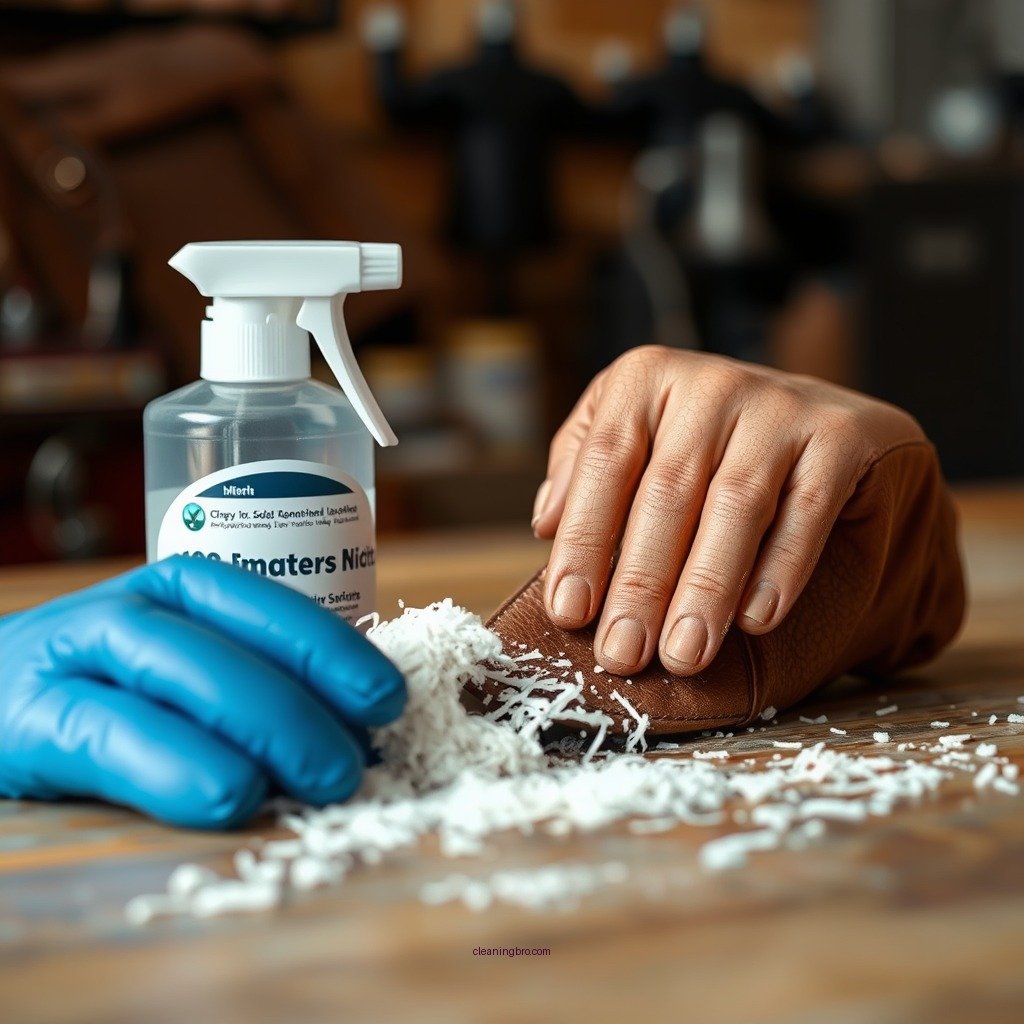
When dealing with mold, personal safety should be your top priority. Always wear gloves and a mask to protect yourself from mold spores, which can cause respiratory issues or allergic reactions. It’s also essential to work in a well-ventilated area to reduce inhalation risks. If the mold is significant, consider using a respirator specifically designed for mold remediation. Ensure that you have proper protective gear, such as goggles and long sleeves, to shield yourself from potential contact.
Essential Cleaning Supplies
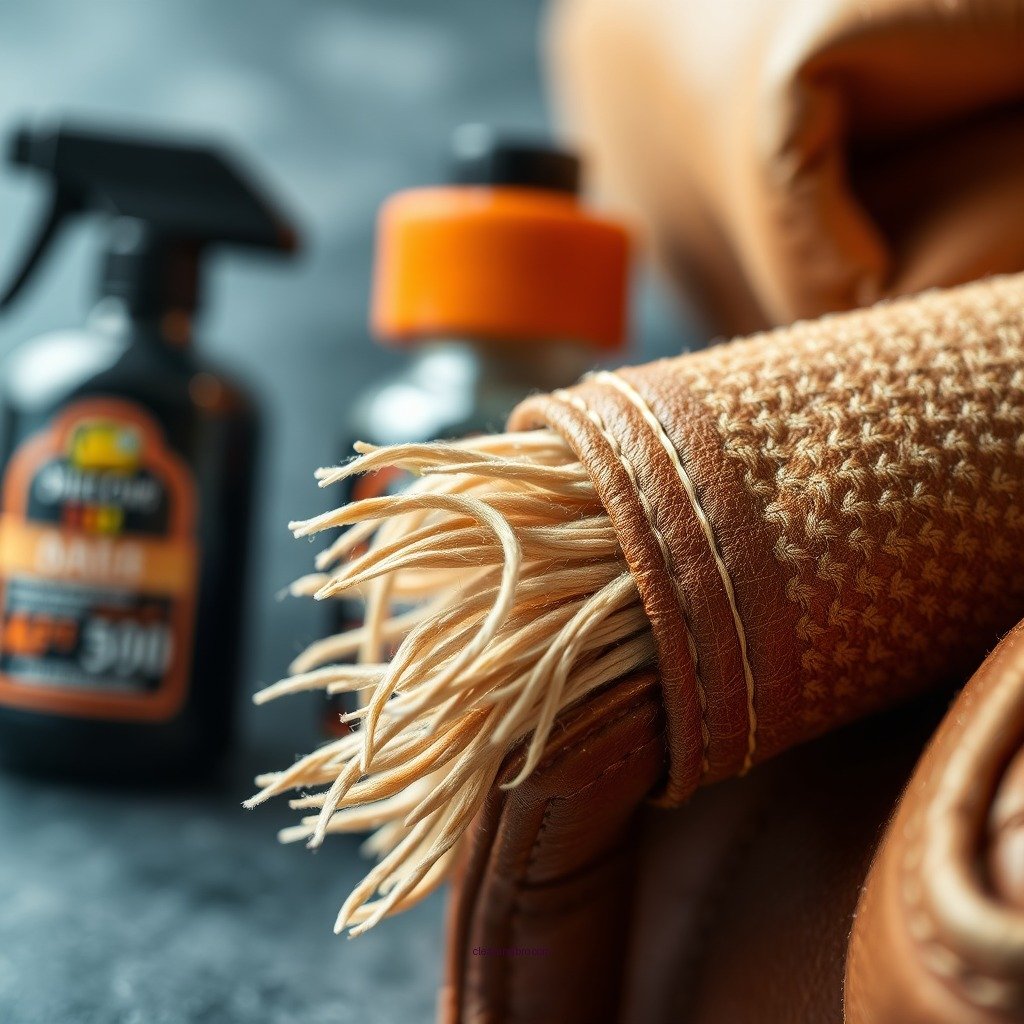
Before starting the cleaning process, gather all essential items to ensure you have everything at hand. Recommended supplies include:
– White vinegar: A natural disinfectant that effectively kills mold spores.
– Mild soap: A gentle cleaner that won’t harm the leather.
– Soft cloths: For applying solutions and wiping the leather without scratching it.
– Leather brush: To gently remove loose mold without damaging the surface.
– Water: Preferably distilled, to avoid introducing minerals that could stain the leather.
Avoid harsh chemicals or bleach, as these can strip the leather of its natural oils, leading to further damage and discoloration.
Step-by-Step Cleaning Process
To effectively clean mold off leather, follow this step-by-step process:
1. Remove Loose Mold: Gently brush off any loose mold with a soft-bristled brush. Use a gentle touch to avoid pushing the spores deeper into the leather.
2. Prepare Cleaning Solution: Mix a solution of equal parts water and white vinegar or a mild soap. Distilled water is preferable to prevent mineral deposits.
3. Test on a Small Area: Before applying the solution to the entire surface, test it on a small, inconspicuous area to ensure it does not discolor or damage the leather.
4. Apply the Solution: Dampen a soft cloth with the solution, ensuring it is not soaking wet, and gently wipe the affected areas. Avoid saturating the leather as excessive moisture can worsen mold issues.
5. Wipe Down: After cleaning, use a separate damp cloth to remove any soap or vinegar residue, then dry the leather with a clean, dry cloth.
6. Final Inspection: Once cleaned, inspect the leather to ensure no mold remains. If necessary, repeat the cleaning process.
Drying and Conditioning Leather
After cleaning, it’s crucial to dry the leather appropriately. Allow the leather to air dry at room temperature, away from direct sunlight or heat sources, as these can cause the leather to crack and warp. Once fully dried, apply a leather conditioner to restore moisture and suppleness. Conditioning helps to prevent future mold growth by maintaining the leather’s natural oils and creating a barrier against moisture.
Preventing Future Mold Growth
Preventing mold from returning is essential in maintaining the longevity of your leather items. Here are some effective strategies:– Proper Storage: Store leather items in a cool, dry place. Avoid damp or humid areas, and consider using silica gel packs to absorb moisture during storage.
– Cleaning Before Storage: Ensure items are clean and dry prior to storage, as dirt and moisture can attract mold.
– Regular Inspections: Periodically check stored leather for any signs of mold or moisture. Address issues immediately to prevent mold from taking hold.
When to Seek Professional Help
If mold persists even after thorough cleaning, or if the leather shows signs of severe damage such as cracking or discoloration, it may be time to consult a professional cleaner. Specialized leather care services have the expertise and resources to treat mold effectively without further damaging the material. They can also offer advice on proper maintenance and care for your leather items.
Top 7 Leather Care Products for Mold Removal (2024)
| # | Product Name | Effectiveness | Ease of Use | Price |
|---|---|---|---|---|
| 1 | Leather Rescue | ★★★★★ | ★★★★☆ | $19.99 |
| 2 | Mold Armor | ★★★★☆ | ★★★★☆ | $15.49 |
| 3 | Vinegar Solution | ★★★★☆ | ★★★★★ | $3.00 |
| 4 | Leather Honey | ★★★★★ | ★★★☆☆ | $24.99 |
| 5 | Fiebing’s Cleaner | ★★★★☆ | ★★★★☆ | $8.99 |
| 6 | Bickmore Gard-More | ★★★★☆ | ★★★★☆ | $12.99 |
| 7 | Lexol Leather Cleaner | ★★★★☆ | ★★★★☆ | $9.99 |
Leather Rescue vs Mold Armor vs Leather Honey: Full Comparison
| Feature | ⭐ Leather Rescue | Mold Armor | Leather Honey |
|---|---|---|---|
| Effectiveness on Mold | ✅ Excellent | ✅ Good | ✅ Very Good |
| Ease of Use | Easy to apply | Spray and wipe | Requires drying time |
| Natural Ingredients | Yes | No | Yes |
| Price | $19.99 | $15.49 | $24.99 |
| Scent | Pleasant | Chemical | Pleasant |
| Conditioning Effect | Yes | No | Yes |
| Suitable for All Leather Types | Yes | Yes | Yes |
| Customer Reviews | ★★★★☆ | ★★★☆☆ | ★★★★☆ |
| Availability | Online and in stores | Online | Online and in stores |
| 🏆 Best For | General mold removal | Budget-conscious users | Conditioning and cleaning |
By following these steps, you can effectively clean mold off of leather while preserving its quality. Regular maintenance and proper storage will help keep your leather items in pristine condition. Don’t hesitate to act at the first sign of mold to ensure your leather remains beautiful and functional. Taking proactive measures will not only extend the life of your leather goods but also enhance their appearance and value over time.
Frequently Asked Questions
What is the best method to clean mold off of leather?
The best method to clean mold off of leather involves using a mixture of equal parts water and white vinegar. Dampen a soft cloth with the solution, gently wipe the affected areas, and then allow the leather to air dry completely. This method not only removes mold but also helps prevent future growth.
How can I prevent mold from growing on my leather items?
To prevent mold from growing on leather, store your items in a cool, dry place with good ventilation. Regularly clean and condition your leather with appropriate products to maintain its moisture balance and resilience against mold growth. Additionally, avoid exposing leather to high humidity or prolonged dampness.
Why does mold grow on leather, and how can I avoid it?
Mold grows on leather due to moisture and lack of proper ventilation, which creates an ideal environment for spores to thrive. To avoid mold growth, ensure your leather items are stored in a dry area, keep them clean, and use a leather conditioner that repels moisture.
Which products are effective for cleaning mold off leather?
Effective products for cleaning mold off leather include white vinegar, rubbing alcohol, and specialized leather cleaners that contain anti-fungal agents. Make sure to test any product on a small, inconspicuous area first to ensure it won’t damage the leather before applying it to larger surfaces.
How do I know if my leather item is damaged after mold removal?
After removing mold from leather, inspect the item for discoloration, stiffness, or cracks, which may indicate damage. If the leather feels dry or looks uneven, applying a high-quality leather conditioner can help restore its suppleness and sheen. If damage is severe, consider consulting a professional leather cleaner for further assessment.
References
- https://www.cdc.gov/mold/cleanup.htm
https://www.cdc.gov/mold/cleanup.htm - https://www.mayoclinic.org/healthy-lifestyle/consumer-health/in-depth/mold-cleanup/art-20045566
https://www.mayoclinic.org/healthy-lifestyle/consumer-health/in-depth/mold-cleanup/art-20045566 - Mold Cleanup in Your Home | US EPA
https://www.epa.gov/mold/mold-cleanup-your-home - https://www.health.ny.gov/environmental/indoors/mold/cleanup.htm
https://www.health.ny.gov/environmental/indoors/mold/cleanup.htm - https://www.who.int/news-room/questions-and-answers/item/mold
https://www.who.int/news-room/questions-and-answers/item/mold - https://www.britannica.com/science/mold
https://www.britannica.com/science/mold - Google Scholar Google Scholar
https://scholar.google.com/scholar?q=how+to+clean+mold+off+of+leather - Google Scholar Google Scholar
https://scholar.google.com/scholar?q=leather+mold+cleaning+techniques - Google Scholar Google Scholar
https://scholar.google.com/scholar?q=mold+removal+from+leather - https://pubmed.ncbi.nlm.nih.gov/27387096/
https://pubmed.ncbi.nlm.nih.gov/27387096/