How to Clean Mold on Leather: Effective Methods and Tips
Understanding Mold on Leather
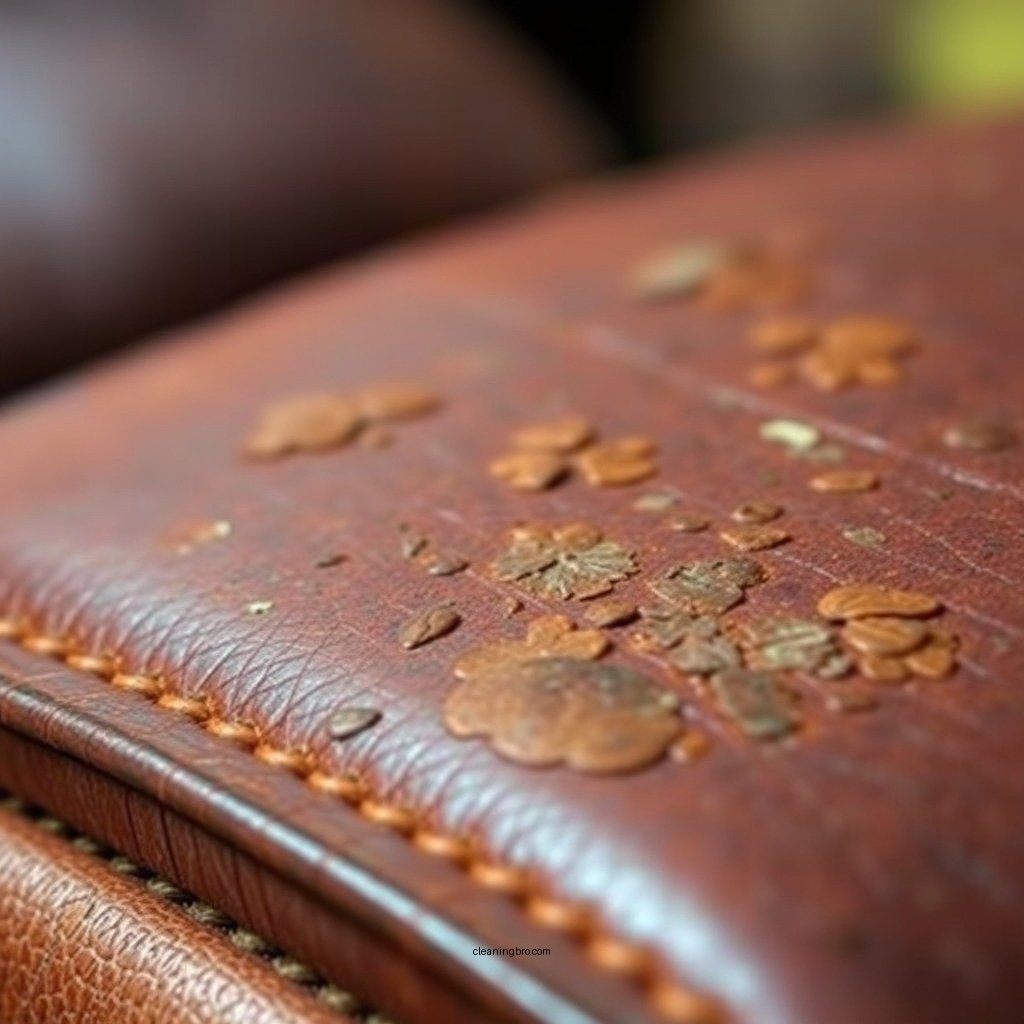
Mold thrives in damp, dark environments, making leather a potential breeding ground if not stored properly. Leather’s porous nature can allow moisture to seep in, creating a perfect habitat for mold spores. It is essential to identify the type of leather you are dealing with, as different materials (such as full-grain, top-grain, or suede) may require different cleaning techniques. For instance, while full-grain leather is robust and withstands cleaning better, suede is more delicate and may require specialized care.
Recognizing the early signs of mold, such as discoloration or a musty odor, can help you address the issue before it escalates. If left untreated, mold can cause irreversible damage, leading to unsightly stains and a breakdown of the leather fibers.
Essential Cleaning Supplies
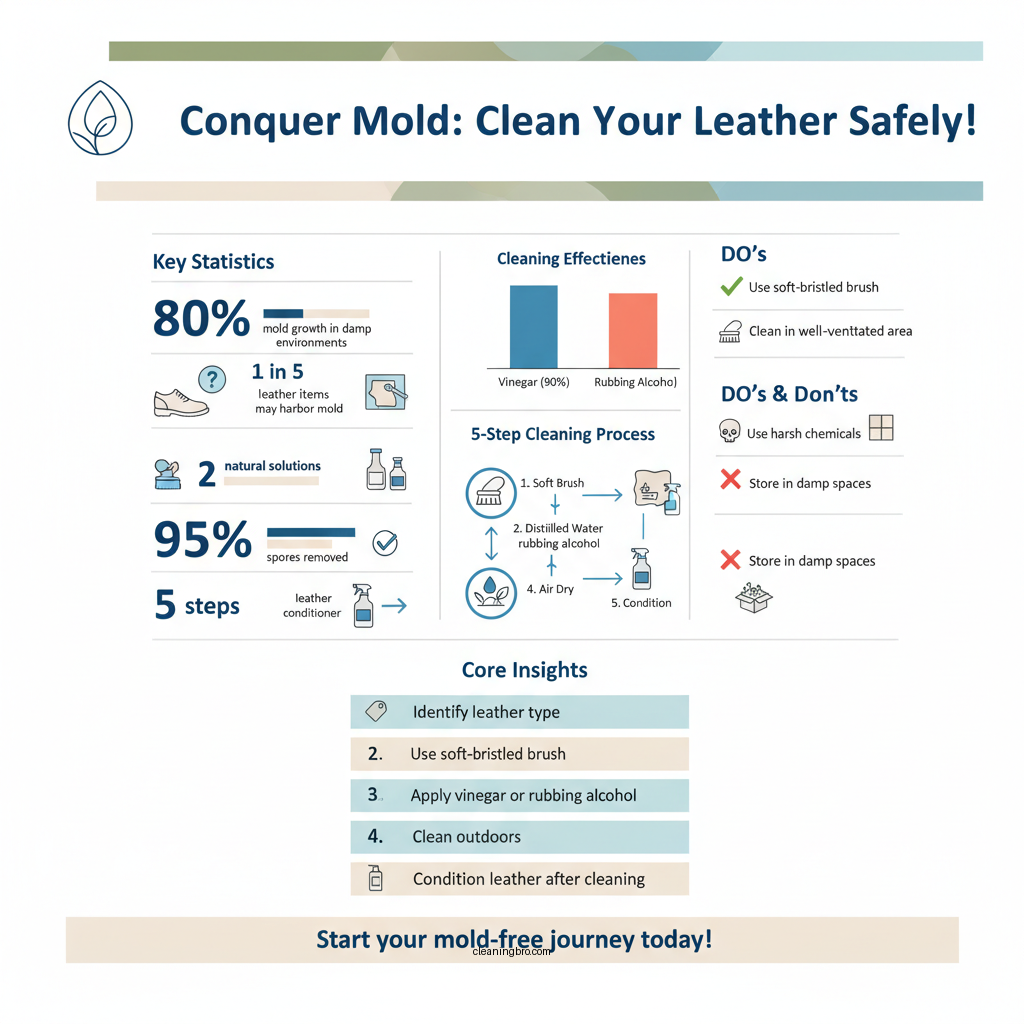
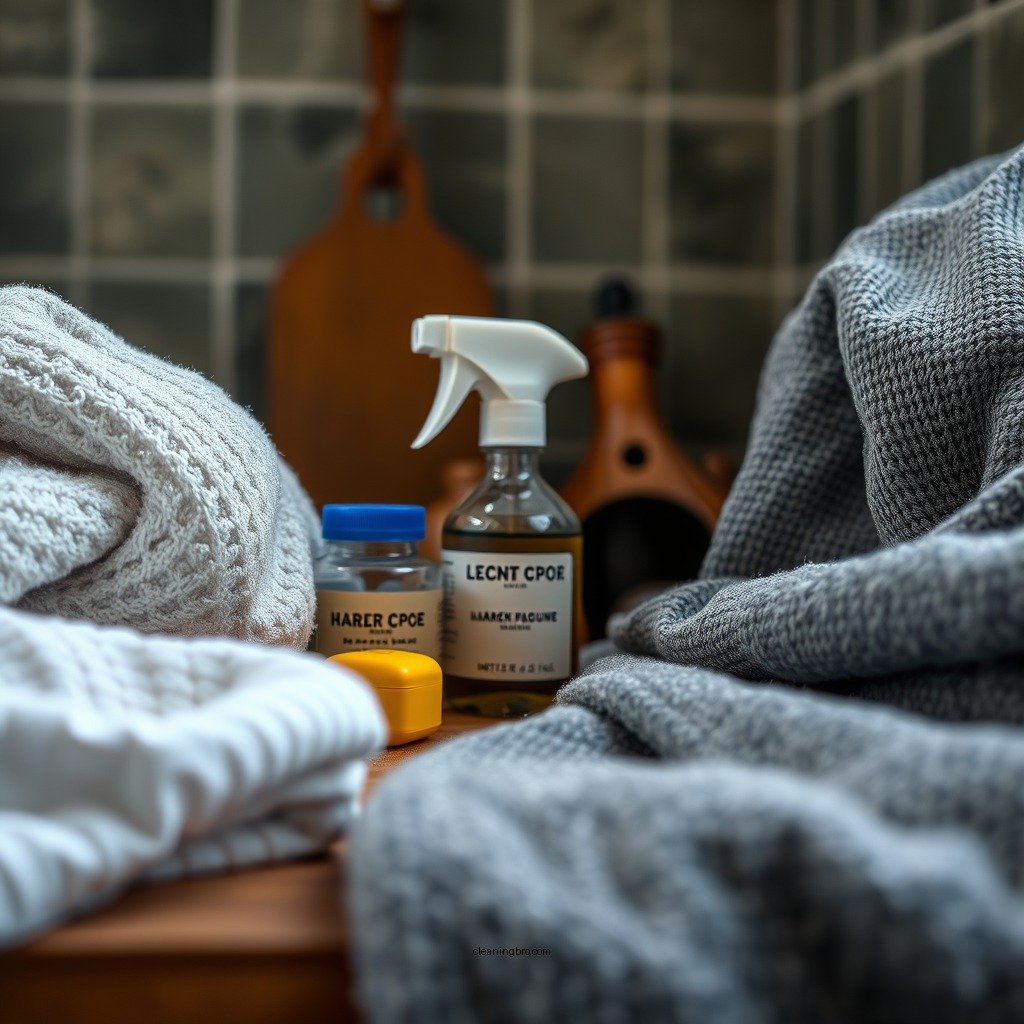
To effectively clean mold from leather, you will need the right tools and supplies. Here’s a list of essential items:
– Soft-bristled brush: This tool is essential for gently removing mold without damaging the leather surface. A brush with soft bristles will prevent scratching while effectively dislodging mold spores.
– Vinegar or rubbing alcohol: Both vinegar and rubbing alcohol are natural solutions that can kill mold spores effectively. Vinegar is a great choice due to its acidity and non-toxic nature, while rubbing alcohol evaporates quickly, preventing further moisture damage.
– Clean cloths: Use microfiber or soft cotton cloths that won’t leave lint or scratches on the leather surface.
– Water: Use distilled water to avoid mineral deposits that could further degrade the leather.
– Leather conditioner: After cleaning, applying a quality leather conditioner will help restore moisture and maintain the leather’s suppleness.
Step-by-Step Cleaning Process
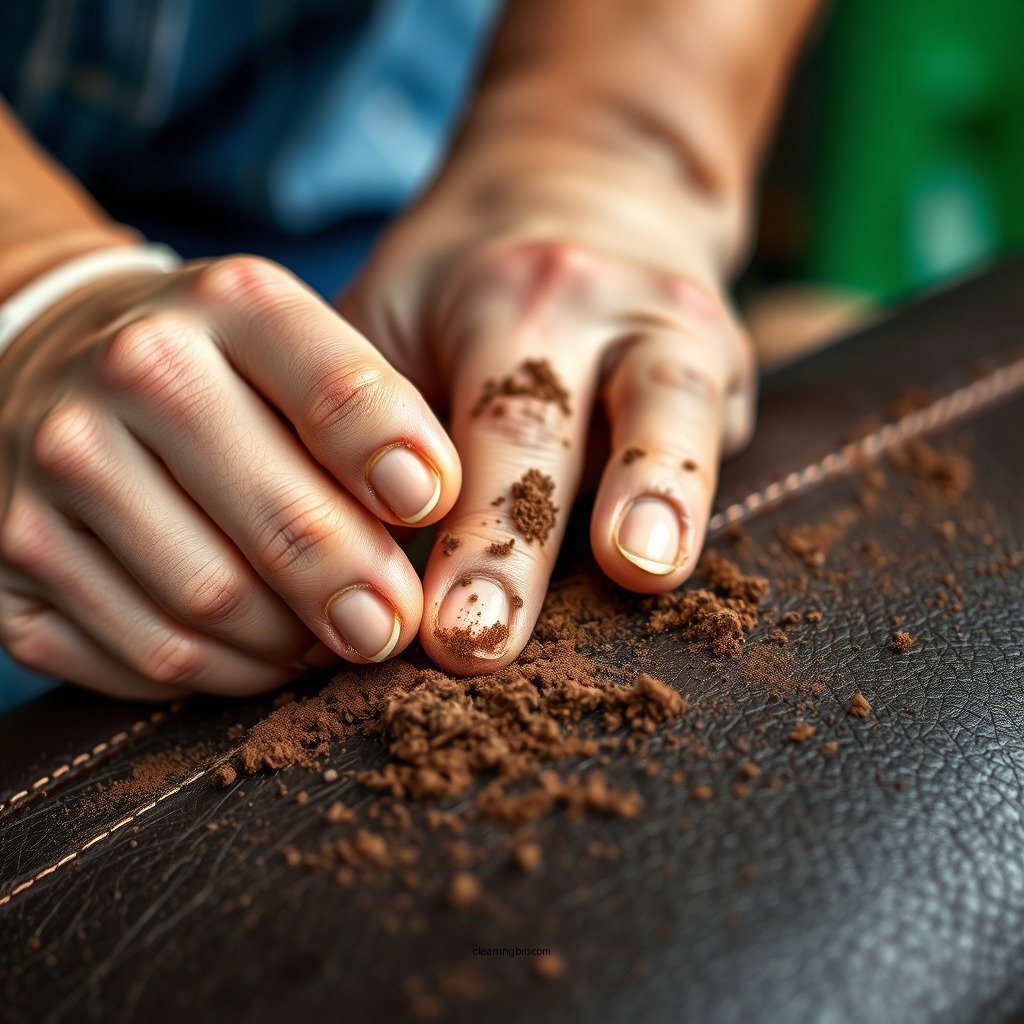
Cleaning mold from leather requires a methodical approach to ensure the best results. Follow these steps for effective cleaning:
1. Prepare the Area: Always clean leather items outdoors if possible. This prevents mold spores from spreading inside your home. Lay down a protective cloth or tarp to catch any falling debris.
2. Brush Off Loose Mold: Using a soft-bristled brush, gently brush off any visible mold. Ensure you do this lightly to avoid pushing the mold deeper into the leather.
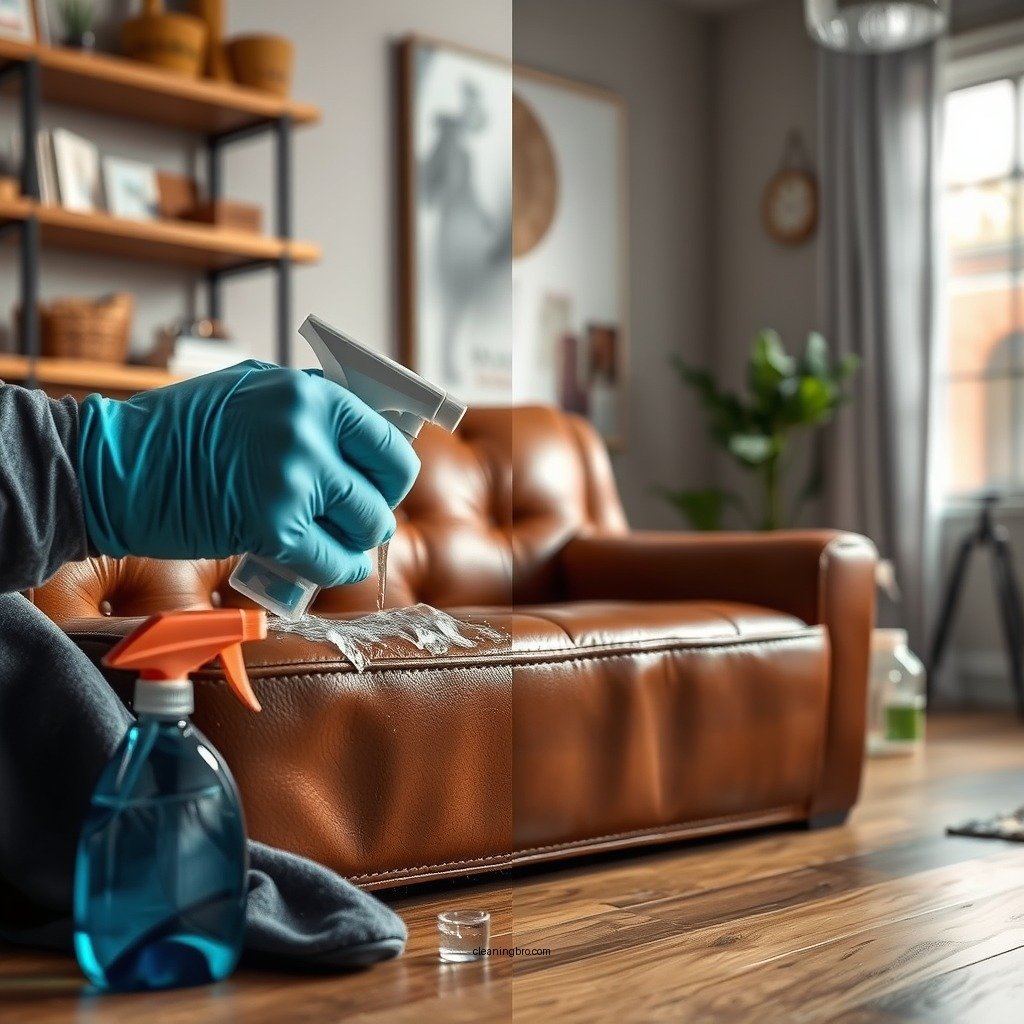
3. Mix Cleaning Solution: Prepare a solution of equal parts distilled water and vinegar in a bowl. Vinegar’s antifungal properties make it an effective agent against mold.
4. Dampen a Cloth: Lightly dampen a clean cloth with the vinegar solution. It should be damp, not soaking wet, to prevent saturating the leather.
5. Wipe the Affected Area: Gently wipe the mold-affected area of the leather with the cloth. Be cautious with your pressure, as excessive scrubbing can damage the leather.
6. Dry the Leather: Allow the leather to air dry completely in a well-ventilated area away from direct sunlight or heat sources, which can cause cracking.
7. Condition the Leather: After the leather is dry, apply a high-quality leather conditioner to replenish moisture and protect against future mold growth.
Top 7 Mold Removal Products for Leather (2024)
| # | Product Name | Type | Effectiveness | Price |
|---|---|---|---|---|
| 1 | Leather Honey | Conditioner | High | $19.95 |
| 2 | Mold Armor | Cleaner | Very High | $12.99 |
| 3 | Bickmore Bick 4 | Cleaner/Conditioner | High | $13.95 |
| 4 | Folex Instant | Stain Remover | Moderate | $12.99 |
| 5 | Rug Doctor | Cleaner | High | $14.99 |
| 6 | Mink Oil | Conditioner | Moderate | $10.99 |
| 7 | Lexol | Cleaner/Conditioner | High | $11.99 |
Preventing Future Mold Growth
Once you’ve successfully cleaned your leather, implementing preventive measures is key to avoiding future mold growth. Here are some effective strategies:
– Proper Storage: Store leather items in a cool, dry environment with good ventilation. Avoid keeping them in damp basements or attics, where humidity levels may fluctuate.
– Humidity Control: Use silica gel packs or moisture absorbers in storage spaces. These products can help maintain low humidity levels, making it difficult for mold to thrive.
– Regular Cleaning: Clean leather items periodically, even when they don’t appear dirty. Dust and moisture can accumulate over time, increasing the risk of mold growth.
– Use Leather Protectants: Consider using leather protectants that repel moisture and protect against mold. These products create a barrier, making it more challenging for mold spores to settle.
– Monitor Temperature and Humidity: Aim to keep indoor humidity levels between 30-50%. You can use a hygrometer to monitor humidity levels in your home.
When to Seek Professional Help
In some cases, mold infestations can be extensive or deeply embedded, requiring professional intervention. Here are scenarios where consulting a leather care professional is advisable:
– Extensive Mold Growth: If the mold covers a large area or is deeply rooted into the leather, a professional cleaner with specialized equipment may be necessary to restore the item without causing further damage.
– Valuable or Antique Leather Items: For valuable or antique pieces, specialized treatment is essential. Professionals have the expertise to handle delicate materials, ensuring they are preserved for the future.
– Persistent Odors: If mold odors persist after cleaning attempts, a professional might be needed to address underlying issues and ensure complete removal.
Additional Leather Care Tips
Regular maintenance is crucial to ensuring the longevity of your leather items. Here are some additional care tips:
– Condition Regularly: Conditioning leather every 3-6 months helps maintain its suppleness and can reduce the likelihood of mold growth. Choose a conditioner specifically designed for your leather type.
– Avoid Direct Sunlight: Keep leather out of direct sunlight, which can cause fading and drying out. Store items in a shaded area or use protective covers when not in use.
– Use the Right Cleaning Products: Always use products specifically formulated for leather. Avoid harsh detergents or all-purpose cleaners that can strip oils and damage the material.
– Be Mindful of Spills: Clean any spills immediately to prevent moisture from seeping into the leather. Use a clean, dry cloth to blot the area and avoid rubbing.
– Invest in Quality Leather: Consider investing in high-quality leather items, which are typically more resilient and easier to care for than cheaper alternatives.
Cleaning mold off leather can be straightforward if you follow the right steps and take preventive measures. By using the appropriate cleaning supplies and techniques, you can restore your leather items while ensuring they are protected from future mold growth. Regular care and maintenance will keep your leather looking its best and help avoid mold problems down the line. Prioritizing these practices will not only enhance the appearance of your leather but also extend its lifespan, allowing you to enjoy your investment for years to come.
Frequently Asked Questions
What is the best way to remove mold from leather surfaces?
The best way to remove mold from leather surfaces is to first brush off any loose mold spores with a soft-bristled brush outdoors. Then, mix equal parts of water and white vinegar in a spray bottle, lightly mist the affected area, and wipe it clean with a soft cloth. Finally, let the leather dry completely and apply a leather conditioner to restore moisture.
How can I prevent mold from growing on my leather items?
To prevent mold from growing on your leather items, keep them in a cool, dry environment with good air circulation. Avoid storing leather in damp or humid conditions, and use silica gel packets or dehumidifiers in storage areas. Regularly clean and condition your leather products to keep them hydrated and less susceptible to mold growth.
Why does mold develop on leather, and how can I address it?
Mold develops on leather primarily due to excess moisture and humidity in the environment, which creates a breeding ground for mold spores. To address this, ensure that leather items are kept dry, clean, and well-ventilated. If mold does appear, prompt cleaning with a vinegar solution can help eliminate the spores and prevent further growth.
Which cleaning products are safe to use on moldy leather?
Safe cleaning products for moldy leather include a mixture of white vinegar and water or specialized leather cleaners that are pH-balanced. Avoid using bleach or harsh chemical cleaners, as these can damage the leather. Always test any cleaning solution on a small, inconspicuous area first to ensure it doesn’t harm the leather.
What should I do if mold has damaged my leather item?
If mold has damaged your leather item, first clean it as described above to remove any visible mold. If the damage appears extensive, such as discoloration or a weakened structure, consider consulting a professional leather cleaner or restorer who specializes in mold damage. Regular maintenance and conditioning can also help prolong the life of your leather items after treatment.
References
- https://www.cdc.gov/mold/cleanup.htm
https://www.cdc.gov/mold/cleanup.htm - https://www.mayoclinic.org/diseases-conditions/mold-allergy/symptoms-causes/syc-20327782
https://www.mayoclinic.org/diseases-conditions/mold-allergy/symptoms-causes/syc-20327782 - https://www.ncbi.nlm.nih.gov/pmc/articles/PMC7000580/
https://www.ncbi.nlm.nih.gov/pmc/articles/PMC7000580/ - https://www.healthyhouseinstitute.com/articles/how-to-remove-mold-and-mildew-from-leather/
https://www.healthyhouseinstitute.com/articles/how-to-remove-mold-and-mildew-from-leather/ - https://www.who.int/news-room/fact-sheets/detail/mold
https://www.who.int/news-room/fact-sheets/detail/mold - https://www.britannica.com/science/mold
https://www.britannica.com/science/mold - Google Scholar Google Scholar
https://scholar.google.com/scholar?q=how+to+clean+mold+on+leather - Google Scholar Google Scholar
https://scholar.google.com/scholar?q=mold+removal+leather+cleaning - Google Scholar Google Scholar
https://scholar.google.com/scholar?q=leather+care+mold+cleaning - https://www.sciencedirect.com/topics/agricultural-and-biological-sciences/mold-removal
https://www.sciencedirect.com/topics/agricultural-and-biological-sciences/mold-removal