How to Clean Moldy Boat Seats: A Step-by-Step Guide
Cleaning moldy boat seats effectively requires a few simple steps and the right materials. In this guide, you’ll learn how to remove mold and prevent future growth, ensuring your boat seats remain in top condition. Follow these tips to restore your boat’s interior and enjoy a clean, safe environment on the water.
Assess the Damage

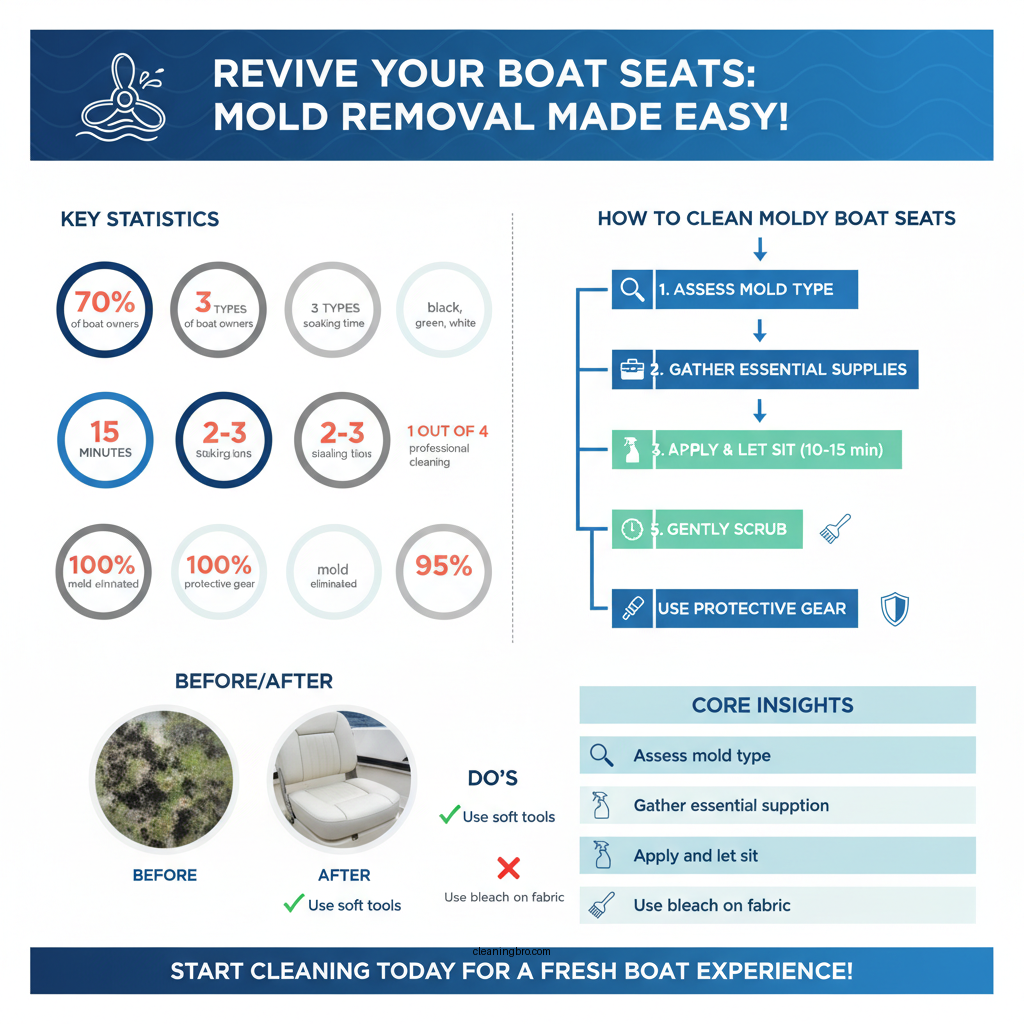
The first step in cleaning moldy boat seats is to thoroughly assess the damage. Begin by inspecting the seats for the extent and type of mold present. Mold can appear in various colors, including black, green, or white, and can spread rapidly if not addressed promptly. Understanding the type of mold can help you choose the most effective cleaning solution.
Next, determine if the fabric of the seats is washable or requires special care. Some materials, like vinyl, can tolerate a more aggressive cleaning approach, while others, such as upholstery fabrics, may require more delicate treatment. Check any care labels on the seats for specific cleaning instructions, as well as any warranties that might be voided by improper cleaning methods.
Gather Necessary Supplies

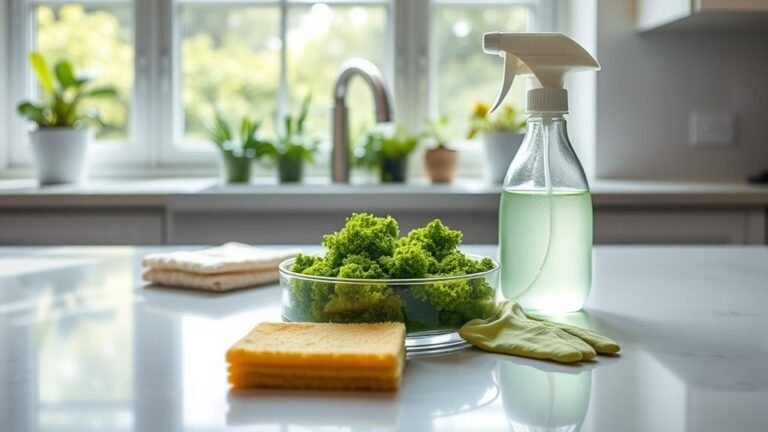
To effectively clean moldy boat seats, gather the necessary supplies beforehand. Below is a list of essential cleaning materials you will need:
– Cleaning Solutions: Options include white vinegar, baking soda, hydrogen peroxide, or commercial mold removers specifically designed for marine upholstery.
– Scrubbing Tools: A soft-bristle brush, sponge, or microfiber cloth will help prevent damage while effectively scrubbing away mold.
– Protective Gear: Wear gloves and a mask to protect yourself from mold spores and cleaning agents, especially if the mold is extensive.
Additionally, consider having a spray bottle for applying solutions directly to the affected areas and a vacuum cleaner with a HEPA filter for removing loose mold spores before cleaning.
Clean the Moldy Seats
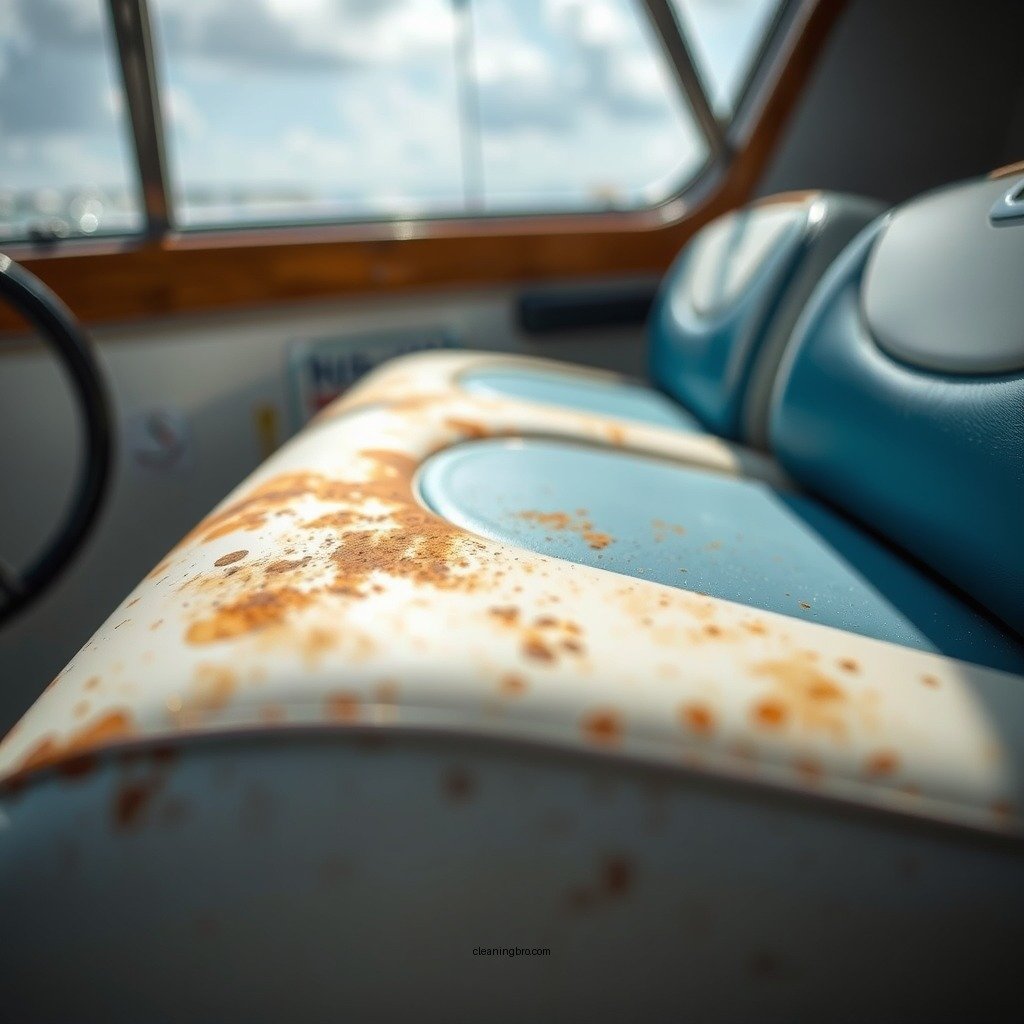
Once you have assessed the damage and gathered your supplies, it’s time to clean the moldy seats. Start by mixing your cleaning solution based on the type of mold and seat material. For example, a mixture of equal parts white vinegar and water is effective for many mold types and is safe for most fabrics.
Apply the cleaning solution generously to the affected areas and allow it to sit for about 10-15 minutes to effectively kill the mold. Using a soft brush or cloth, gently scrub the areas in a circular motion to lift the mold from the fabric. Be careful not to scrub too hard, as this may damage the upholstery.
For stubborn mold, a paste made from baking soda and water can be applied and left to sit for an extended period before scrubbing. Rinse the area with clean water afterward to remove any residue from the cleaning solution.
Top 7 Mold Cleaning Solutions for Boat Seats (2023)
| # | Product | Type | Effectiveness | Price |
|---|---|---|---|---|
| 1 | Star brite Mold & Mildew Stain Remover | Liquid | High | $15.99 |
| 2 | 303 Fabric Guard | Spray | Medium | $19.99 |
| 3 | RMR-86 Instant Mold and Mildew Stain Remover | Liquid | High | $12.99 |
| 4 | Mold Armor E-Z House Wash | Liquid | Medium | $10.99 |
| 5 | Simple Green Pro 3+ | Concentrate | Medium | $9.99 |
| 6 | Bio-Kleen Mold & Mildew Stain Remover | Liquid | High | $14.99 |
| 7 | CLR Mold and Mildew Stain Remover | Liquid | High | $8.99 |
Rinse and Dry Thoroughly
After scrubbing, it is crucial to rinse the seats thoroughly to remove any cleaning residue, which can lead to lingering odors or even attract new mold growth. Use a clean cloth dipped in fresh water to wipe down the cleaned areas. If possible, a gentle spray from a hose can help rinse off larger surfaces effectively.
Following rinsing, allow the seats to dry completely. This step is vital to preventing further mold growth, as moisture is mold’s best ally. If feasible, place the boat in a sunny area, as sunlight can help expedite the drying process. For indoor drying, ensure that there is adequate ventilation to facilitate airflow and reduce humidity levels.
Prevent Future Mold Growth
Prevention is always better than cure, especially when it comes to mold. Start by storing your boat in a dry, well-ventilated area when not in use. Ensure that the storage area is free from excess moisture and humidity. Using dehumidifiers in enclosed spaces can significantly reduce the risk of mold growth.
Regularly clean and inspect the seats and other areas of the boat that may be prone to mold. Setting a schedule for maintenance checks can help catch mold early, preventing extensive damage and costly repairs. Additionally, consider applying a mold and mildew repellent designed for marine use to provide an extra layer of protection.
Additional Tips for Upholstered Seats
For upholstered seats, additional care may be needed. Consider using a fabric protector that creates a barrier against moisture and stains. This can significantly prolong the life of your upholstery while making cleaning easier in the future.
If you prefer DIY solutions, there are various homemade remedies that can be effective depending on the type of fabric. For instance, mixing water with a few drops of dish soap can create a gentle cleaning solution for delicate fabrics. Always test any new cleaning solution on a small, inconspicuous area first to ensure it does not cause discoloration or damage.
When to Seek Professional Help
Sometimes, the mold infestation may be extensive enough that professional help is warranted. Signs that may require expert cleaning include:
– Extensive mold covering large areas
– Persistent odors that do not dissipate after cleaning
– Damage to the upholstery fabric that could lead to further deterioration
If you find yourself in this situation, discussing options for professional cleaning services is advisable. Professionals have specialized equipment and solutions that can effectively eliminate mold and restore your boat’s interior.
Keeping your boat seats clean from mold not only enhances your boat’s appearance but also ensures a healthier environment while enjoying your time on the water. Regular maintenance and prompt cleaning of mold will prolong the life of your boat’s interior. Start your cleaning process today and enjoy a fresh, inviting space on your boat!
Frequently Asked Questions
What are the best cleaning solutions for moldy boat seats?
The best cleaning solutions for moldy boat seats include a mixture of white vinegar and water, which effectively kills mold without damaging the upholstery. Alternatively, you can use a specialized marine cleaner designed for mold and mildew removal. Always test any cleaning solution on a small, inconspicuous area first to ensure it won’t harm the fabric.
How can I prevent mold from growing on my boat seats?
To prevent mold from growing on your boat seats, keep them dry and well-ventilated when not in use. Regularly clean and condition the seats with products specifically formulated for marine upholstery. Additionally, consider using moisture absorbers or dehumidifiers in enclosed areas of your boat to reduce humidity levels.
Why is it important to clean mold off boat seats promptly?
Cleaning mold off boat seats promptly is crucial to prevent damage to the upholstery and to ensure a healthy environment. Mold can weaken the fabric, leading to costly repairs or replacements. Furthermore, mold spores can pose health risks to passengers, making immediate cleaning essential for safety and maintenance.
Which tools are necessary for effectively cleaning moldy boat seats?
Necessary tools for effectively cleaning moldy boat seats include a soft-bristle brush, microfiber cloths, and a spray bottle for applying cleaning solutions. For more stubborn mold, a sponge and a bucket of warm water can also be useful. These tools will help you gently scrub and remove mold without damaging the fabric.
How do I safely remove mold from vinyl boat seats?
To safely remove mold from vinyl boat seats, mix equal parts of water and white vinegar in a spray bottle and apply it to the affected areas. Let it sit for a few minutes, then gently scrub with a soft brush or cloth. Rinse with clean water and allow the seats to dry completely to prevent future mold growth.
References
- https://www.cdc.gov/mold/default.htm
https://www.cdc.gov/mold/default.htm - Mold Cleanup in Your Home | US EPA
https://www.epa.gov/mold/mold-cleanup-your-home - https://www.ncbi.nlm.nih.gov/pmc/articles/PMC5050204/
https://www.ncbi.nlm.nih.gov/pmc/articles/PMC5050204/ - https://www.who.int/news-room/questions-and-answers/item/mold
https://www.who.int/news-room/questions-and-answers/item/mold - https://www.nytimes.com/2020/06/03/realestate/how-to-remove-mold-from-your-home.html
https://www.nytimes.com/2020/06/03/realestate/how-to-remove-mold-from-your-home.html - https://www.bbc.com/future/article/20200504-how-to-get-rid-of-mold-in-your-home
https://www.bbc.com/future/article/20200504-how-to-get-rid-of-mold-in-your-home - https://www.sciencedirect.com/science/article/pii/S2351978921002663
https://www.sciencedirect.com/science/article/pii/S2351978921002663 - https://www.uw.edu/ehs/mold-remediation-guidelines/
https://www.uw.edu/ehs/mold-remediation-guidelines/ - Google Scholar Google Scholar
https://scholar.google.com/scholar?q=cleaning+moldy+boat+seats - Google Scholar Google Scholar
https://scholar.google.com/scholar?q=removing+mold+from+furniture