How to Clean Moldy Life Jackets Safely and Effectively
Cleaning moldy life jackets is crucial for ensuring safety and prolonging their usability. Mold can weaken the materials, compromise buoyancy, and pose health risks. Effectively removing mold requires a few simple ingredients and a systematic approach, which will be detailed in this article. You’ll learn the best methods and tips for cleaning your life jackets, ensuring they are ready for your next adventure on the water.
Gather Your Supplies

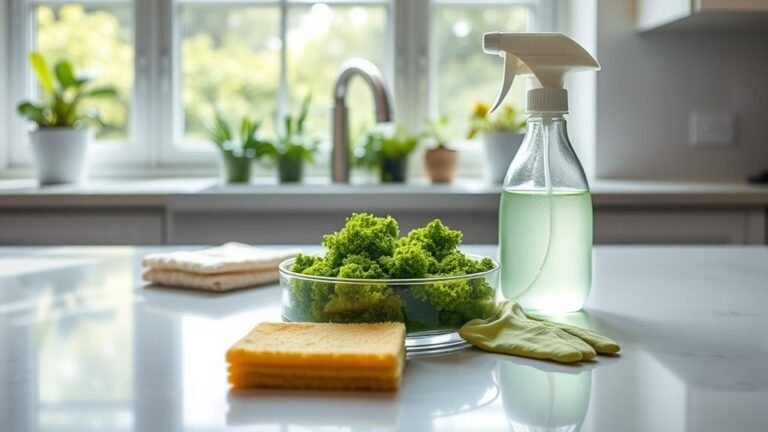
Before embarking on the cleaning process, it’s essential to gather the right supplies to ensure effective mold removal without harming the fabric of your life jackets. Here’s what you’ll need:
– Mild Detergent: Opt for a gentle soap that is free of harsh chemicals. A mild detergent is less likely to damage the materials or cause fading. Look for eco-friendly options if possible, as they tend to be gentler on fabrics.
– White Vinegar: This household staple is an effective natural mold killer. Its acidity helps break down mold spores and prevent regrowth, making it a safe and environmentally friendly option for cleaning.
– Soft Brush or Cloth: A soft-bristled brush or a microfiber cloth will allow you to scrub without damaging the fabric or the buoyancy materials inside the jacket. Avoid using abrasive materials, as they can cause scratches and wear.
Initial Inspection
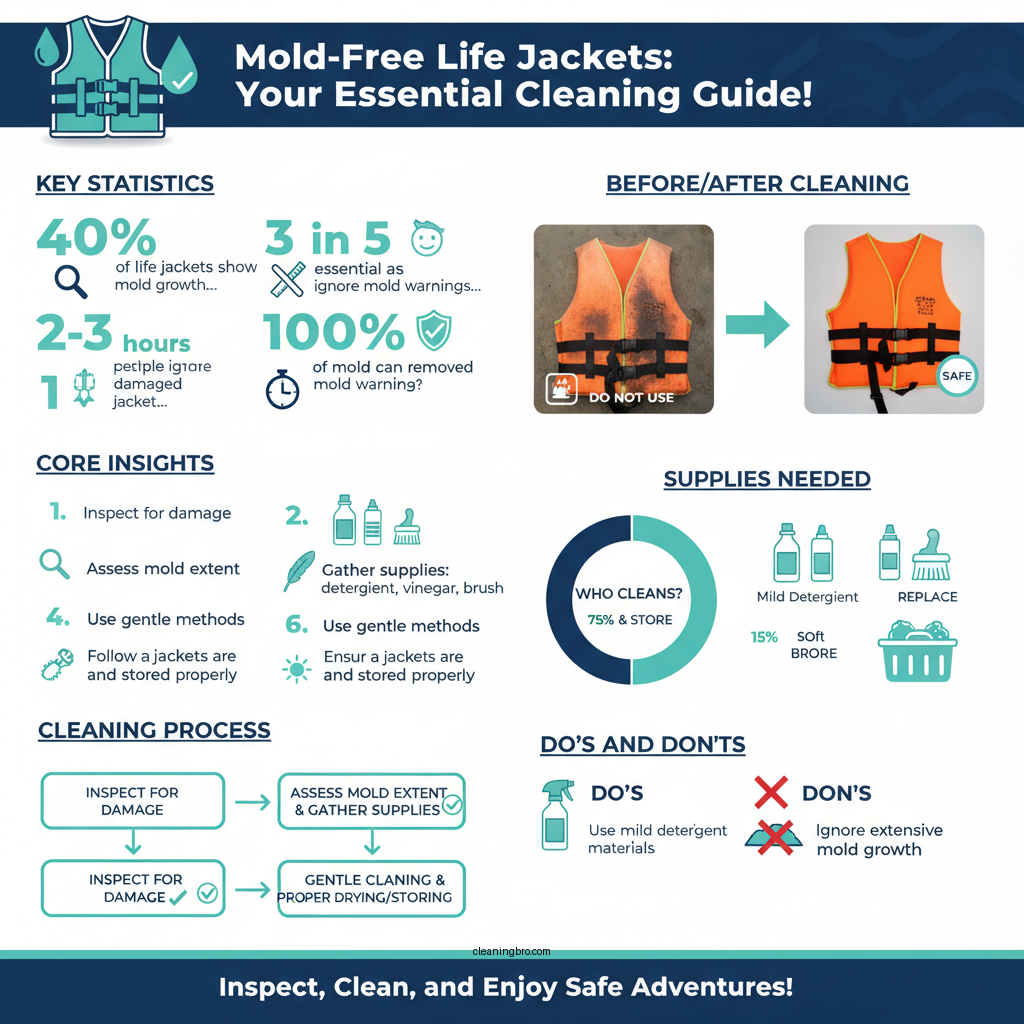

Before you dive into cleaning, it’s critical to perform an initial inspection of your life jackets:
– Check for Damage: Examine the jackets for any tears, fraying seams, or weak spots. If you find significant damage, it may be unsafe to use the jacket, and it might require repair or replacement.
– Assess Mold Extent: Evaluate how extensive the mold growth is. Is it surface-level or has it penetrated deeper into the fabric? This assessment will guide your cleaning strategy, determining whether a simple wash will suffice or if you need to take additional steps.
Cleaning Process

Now that you’ve prepared your supplies and inspected your jackets, it’s time to move on to the cleaning process:
– Prepare a Cleaning Solution: For effective mold removal, mix equal parts of water and white vinegar in a spray bottle. Alternatively, you can create a solution using diluted mild detergent. This mixture will help both in killing mold and cleaning the fabric.
– Scrub Gently: Using your soft brush or cloth, apply the cleaning solution to the affected areas. Scrub gently in a circular motion to lift the mold from the fabric without causing damage. Pay special attention to seams and folds where mold tends to accumulate. For stubborn spots, let the solution sit for a few minutes before scrubbing.
Top 7 Mold Removal Ingredients for Life Jackets
| # | Ingredient | Effectiveness | Safety | Cost |
|---|---|---|---|---|
| 1 | White Vinegar | High | Very Safe | Low |
| 2 | Baking Soda | Moderate | Very Safe | Low |
| 3 | Mild Detergent | High | Safe | Moderate |
| 4 | Hydrogen Peroxide | High | Safe | Moderate |
| 5 | Tea Tree Oil | High | Safe | High |
| 6 | Rubbing Alcohol | Moderate | Caution | High |
| 7 | Commercial Mold Removers | Very High | Caution | High |
Rinsing and Drying
After scrubbing away the mold, proper rinsing and drying techniques are essential to prevent any residue that could encourage further mold growth:
– Thoroughly Rinse: Use clean water to thoroughly rinse the life jackets, ensuring that all cleaning agents are washed away. Residue from cleaning agents can lead to fabric degradation or further mold growth.
– Air Dry: Hang the life jackets in a well-ventilated area to allow them to air dry completely. Avoid direct sunlight, as prolonged exposure can fade colors and weaken materials. Ensure that they are completely dry before storing them to prevent mold from re-establishing itself.
Preventive Measures
Taking proactive measures can help prevent mold from returning and ensure that your life jackets remain in good condition:
– Store Properly: Keep life jackets in a cool, dry place. Avoid damp environments, as moisture fosters mold growth. Consider using breathable storage bags that allow air circulation.
– Regular Maintenance: Clean and inspect life jackets periodically, especially if they are not used frequently. Regular maintenance can help catch early signs of mold and address them before they become severe problems.
When to Seek Professional Help
While many mold issues can be addressed with DIY cleaning methods, some situations may require professional assistance:
– Severe Mold Infestations: If you find that mold has penetrated deeply into the fabric, it may be impossible to remove it completely without professional cleaning. This is especially crucial for safety equipment like life jackets.
– Damage Assessment: If your inspection reveals significant damage to the life jacket, consult a professional to assess whether it can be repaired or if it needs replacement. Safety should always be your top priority when it comes to equipment used in water activities.
By following these steps, you can effectively clean moldy life jackets and keep them in good condition for safe use. Remember, regular maintenance and proper storage can help prevent future mold issues. If you found this guide helpful, consider sharing it with fellow boaters or checking out more tips on outdoor gear maintenance!
Frequently Asked Questions
What is the best method to remove mold from life jackets?
The best method to remove mold from life jackets is to first brush off any loose mold with a soft-bristled brush. Then, mix a solution of water and mild detergent or white vinegar, and gently scrub the affected areas. Rinse thoroughly with clean water and allow the life jackets to air dry completely in a well-ventilated area.
How can I prevent mold growth on my life jackets?
To prevent mold growth on your life jackets, always store them in a dry, well-ventilated area away from direct sunlight. Ensure they are completely dry before storing, as moisture is a key factor for mold development. Additionally, consider using silica gel packets or moisture absorbers in the storage area to keep humidity levels low.
Why do life jackets develop mold, and how can I avoid it?
Life jackets develop mold due to prolonged exposure to moisture and organic materials, such as dirt and sweat. To avoid mold, regularly clean your life jackets after use, ensuring they are dry before storage. Use breathable bags or containers for storage, and monitor humidity levels in the storage area.
Which cleaning products are safe to use on moldy life jackets?
Safe cleaning products to use on moldy life jackets include mild detergents and natural solutions like white vinegar or baking soda. Avoid harsh chemicals, bleach, or abrasive cleaners, as they can damage the fabric and buoyancy materials. Always test a small, inconspicuous area first to ensure compatibility.
How often should I clean my life jackets to prevent mold?
You should clean your life jackets at least once a season, or more frequently if they are used regularly or exposed to moisture. After each use, especially in humid conditions, it’s a good idea to rinse them with fresh water and allow them to dry completely. Regular maintenance will help prevent mold and extend the life of your life jackets.
References
- https://www.cdc.gov/mold/cleanup.htm
https://www.cdc.gov/mold/cleanup.htm - Mold Cleanup in Your Home | US EPA
https://www.epa.gov/mold/mold-cleanup-your-home - https://www.nichd.nih.gov/health/topics/mold/conditioninfo/treatment
https://www.nichd.nih.gov/health/topics/mold/conditioninfo/treatment - https://www.healthline.com/health/mold-in-home
https://www.healthline.com/health/mold-in-home - https://www.nytimes.com/2020/09/22/style/mold-cleaning.html
https://www.nytimes.com/2020/09/22/style/mold-cleaning.html - https://www.who.int/teams/environment-climate-change-and-health/healthier-environments/mold
https://www.who.int/teams/environment-climate-change-and-health/healthier-environments/mold - https://www.sciencedirect.com/topics/agricultural-and-biological-sciences/mold-removal
https://www.sciencedirect.com/topics/agricultural-and-biological-sciences/mold-removal - Google Scholar Google Scholar
https://scholar.google.com/scholar?q=cleaning+moldy+life+jackets - Google Scholar Google Scholar
https://scholar.google.com/scholar?q=mold+removal+in+marine+equipment - Google Scholar Google Scholar
https://scholar.google.com/scholar?q=how+to+clean+mold+from+life+jackets